Renault 1.5 dCi K9K (82 HP): Experiences, issues, fuel consumption and used-car buying tips
- The engine is extremely economical, ideal for everyday city driving.
- It does not have a dual-mass flywheel, which drastically reduces clutch replacement costs.
- There is no DPF filter or AdBlue system, so there are no expensive emissions-related failures.
- The Delphi injection system is the biggest downside – the high-pressure pump can create metal shavings that destroy the injectors.
- Crankshaft rod bearings are a weak point and require preventive replacement.
- The EGR valve often gets dirty and sticks due to city driving.
- It is agile in smaller models (Clio), but can feel "sluggish" in heavier bodies such as the Scenic.
Contents
- Introduction: Getting to know the 1.5 dCi K9K engine
- Technical specifications
- Reliability and maintenance
- Specific parts and costs
- Fuel consumption and performance
- Additional options and modifications
- Gearbox and drivetrain
- Buying used and conclusion
Introduction: Getting to know the 1.5 dCi K9K engine
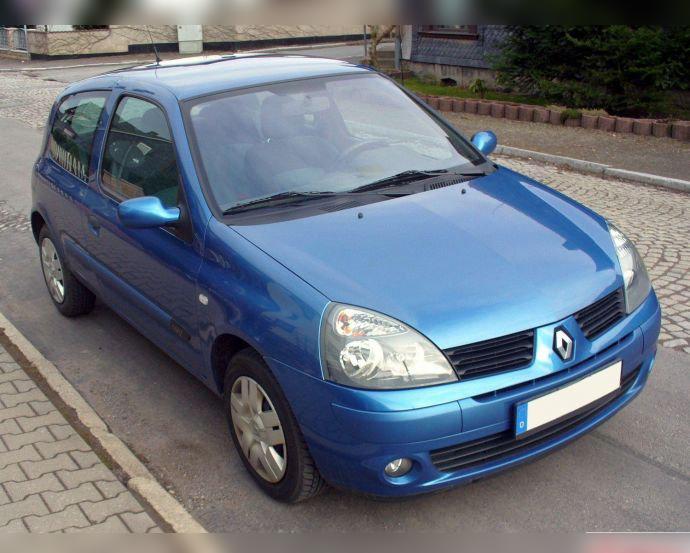
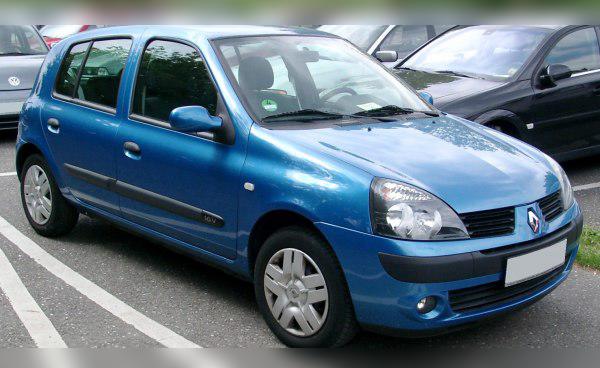
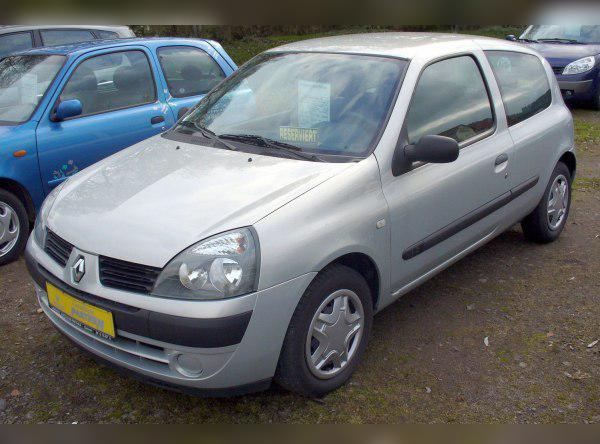
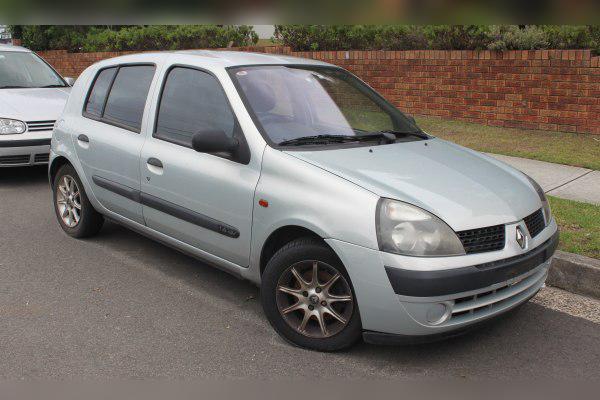
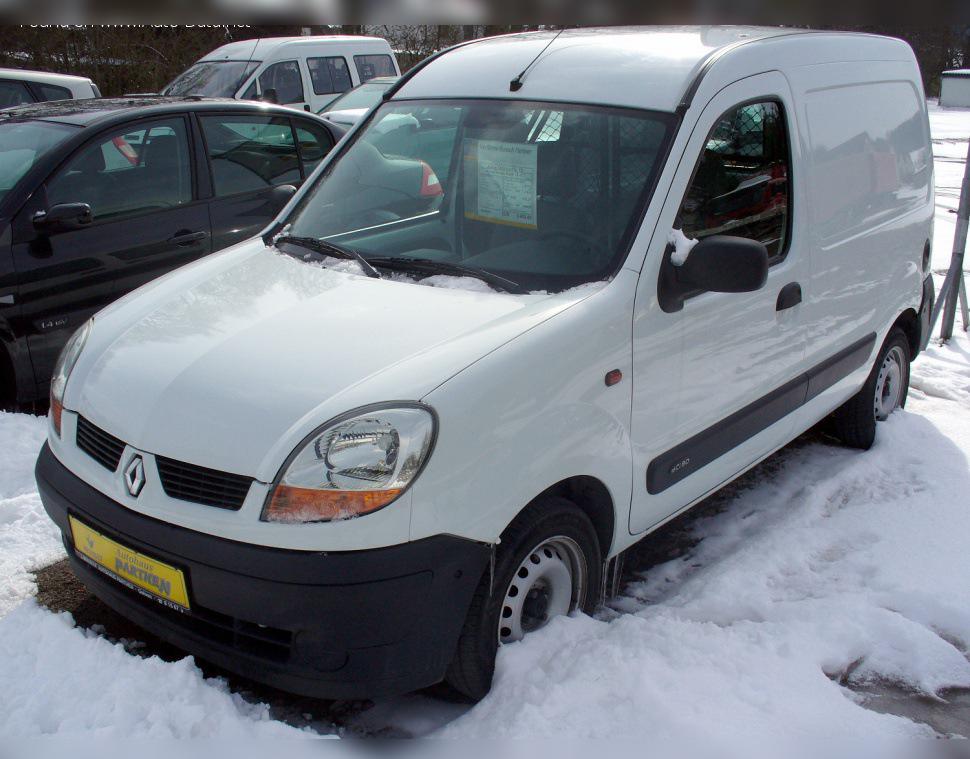
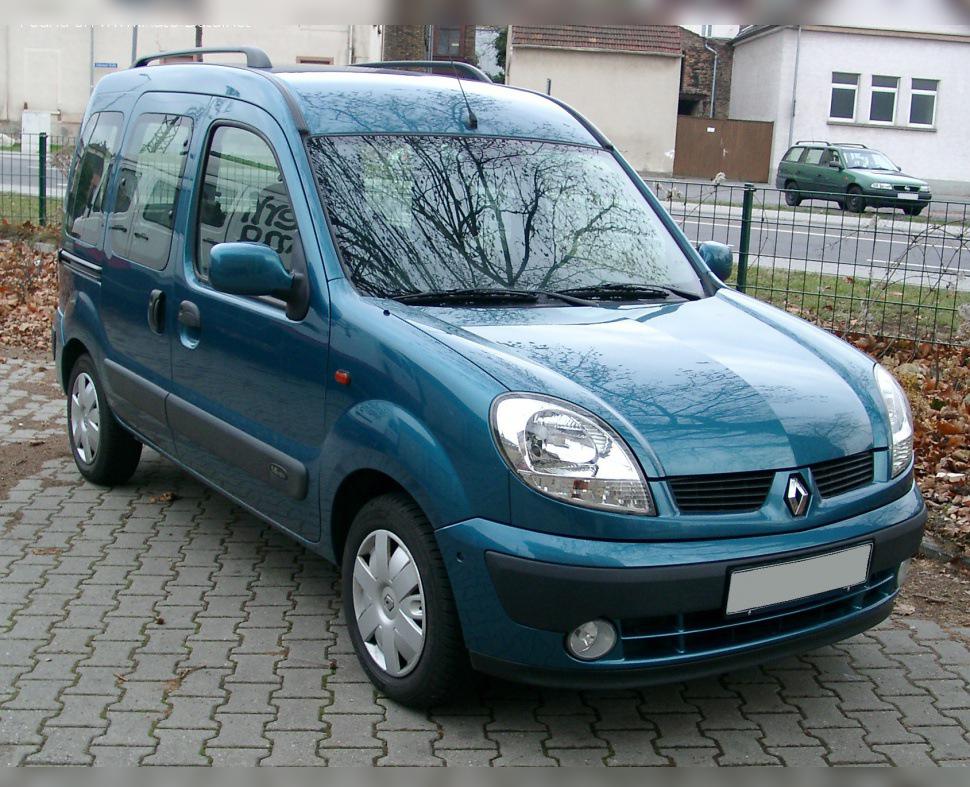
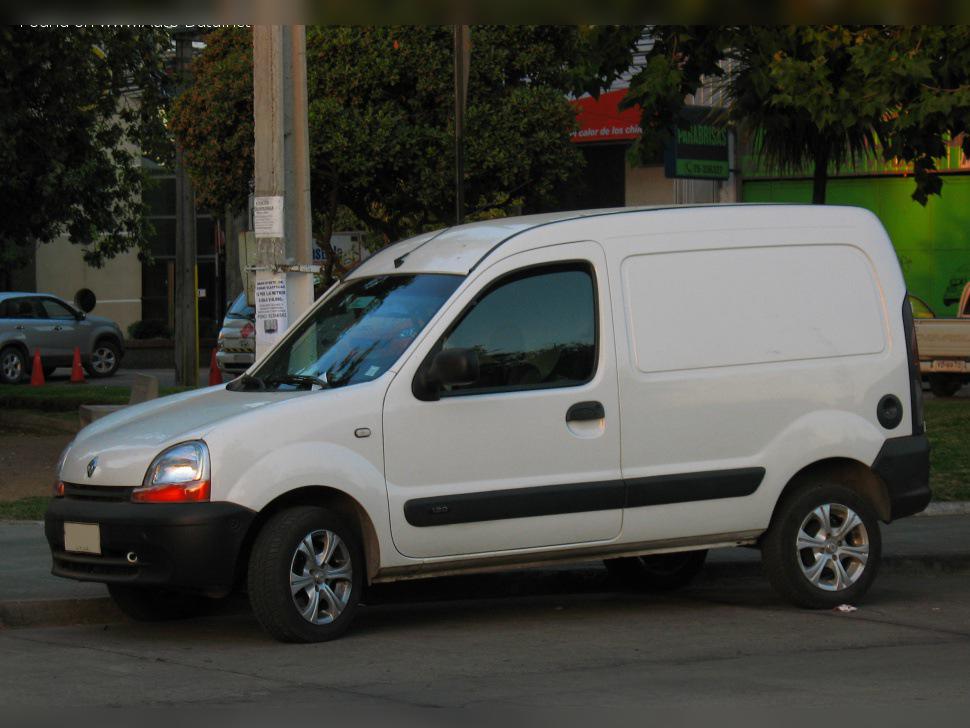
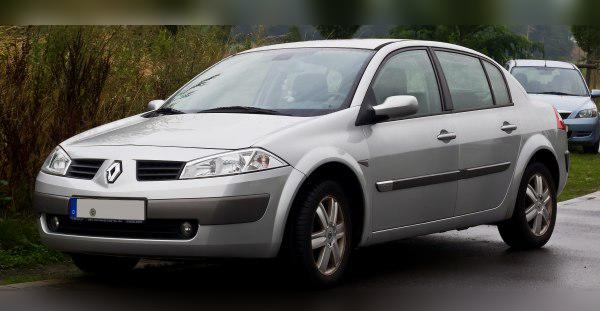
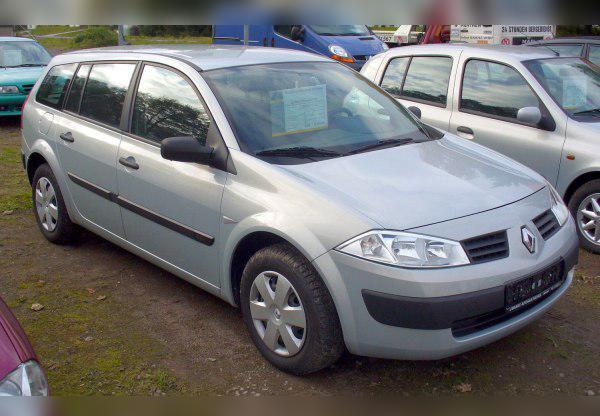
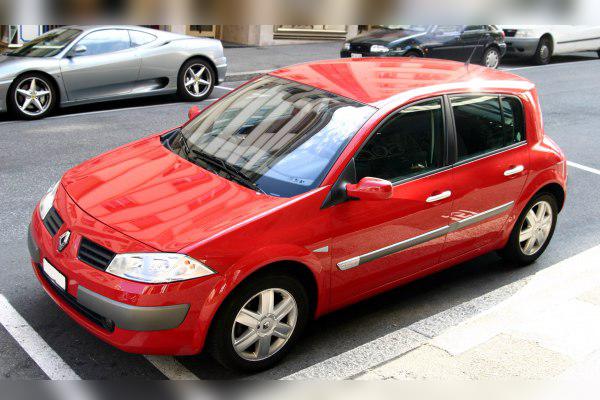
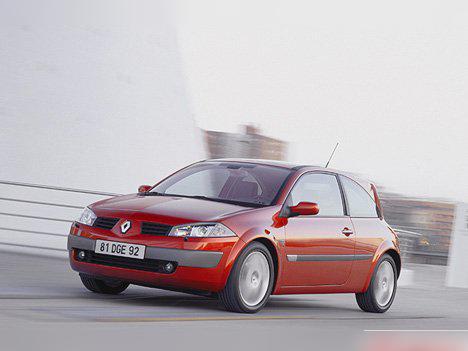
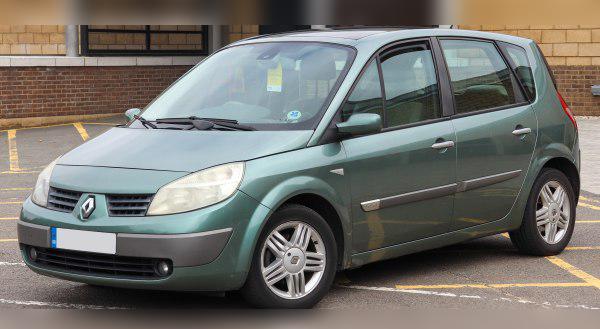
When the engine code K9K is mentioned, most experienced mechanics immediately think of Renault’s famous 1.5 dCi unit. The 60 kW (82 HP) version is one of the earlier generations of this engine. It was used in a wide range of vehicles in the early 2000s, becoming the backbone of the engine lineup for models such as the Renault Clio II, Kangoo I, and larger models like the Megane II and Scenic II. Its popularity stems from its extremely low fuel consumption and compact dimensions. However, as an early version of common-rail technology from the French manufacturer, it comes with certain “childhood diseases” that every potential owner needs to be aware of.
Technical specifications
| Parameter | Value |
|---|---|
| Engine code | K9K (early generation) |
| Displacement | 1461 cc |
| Power | 60 kW (82 HP) |
| Torque | 185 Nm |
| Fuel and injection type | Diesel, Common-Rail (Delphi) |
| Intake | Turbocharger, intercooler |
Reliability and maintenance
Powertrain and service intervals
This unit uses a timing belt to drive the camshaft. Replacing it (the major service) is crucial, because if the belt snaps it leads to total engine destruction (bent valves and damaged pistons). The recommended interval for the major service is usually around 90,000 km or every 5 years. As for lubrication, the K9K takes about 4.5 to 4.8 liters of oil (depending on the shape of the oil pan and the filter). It is recommended to use synthetic oil with a 5W-40 grade that meets Renault RN0700/RN0710 specifications.
When the engine is in good condition, oil consumption is minimal. Topping up to 0.5 liters per 10,000 km is considered normal. If you notice that the engine consumes significantly more, the cause often lies in worn piston rings or oil leaks at the crankshaft seals, as well as a worn turbocharger.
Most common failures and issues
There are two absolutely critical things on this engine. The first are the crankshaft rod bearings. The material they were made of in these early series was too soft. Due to irregular oil changes or driving under high load at low revs, these bearings wear out, spin and eventually cause the engine to seize. Experienced mechanics advise their preventive replacement every 100,000 to 120,000 km – the cost of parts is not high (depends on the market), and it saves the entire engine.
The injectors and the injection system are the second major problem. In theory, the injectors’ lifespan should be around 150,000 to 200,000 km, but on this engine it most often depends solely on the condition of the high-pressure pump.
Specific parts and costs
Injection system: Achilles’ heel
The 82 HP version uses the notorious Delphi injection system. The problem arises because the internal components of the high-pressure pump wear due to poorer diesel quality (insufficient lubrication). The pump then starts to produce fine metal shavings. These shavings travel through the system and directly clog and destroy the injectors. Symptoms include: difficult starting (especially in winter), rough idle, loss of power and a “Check Injection” warning on the dashboard. Fixing this problem is very expensive (depends on the market), because it requires an overhaul of both the pump and the injectors, as well as complete cleaning of the fuel tank and fuel lines.
Turbo, EGR and exhaust system
Unlike the more powerful versions, the 82 HP engine uses a simpler fixed-geometry turbocharger (usually KKK/BorgWarner). Its lifespan is quite good and, with regular oil changes, it easily exceeds 200,000 km. Still, listen for whistling under acceleration and keep an eye on the oil level.
The great news for drivers is that this engine version (due to Euro 3 standards and early Euro 4 production) does not have a DPF filter, so you avoid costly clogging and regenerations. Also, there is no AdBlue system on this generation of vehicles. However, the EGR valve is present and very often causes problems. Stop-and-go city driving quickly fills the EGR with soot, which leads to the valve sticking. Symptoms of a clogged EGR include thick black smoke from the exhaust, jerking under acceleration and a drop in performance. Fortunately, cleaning the EGR valve is not expensive (depends on the market).
Flywheel
Another very positive aspect of this engine is that it comes with a solid (conventional) flywheel. Unlike newer or more powerful diesels, there is no notorious dual-mass flywheel here. This means that clutch kit replacement is significantly cheaper and less painful for the owner’s wallet.
Fuel consumption and performance
In the city and on open roads
The main trump card of this engine is its fuel consumption. In city driving, depending on the vehicle’s weight, real-world consumption ranges between 5.5 and 6.5 l/100 km. On main roads, that figure can drop to an incredible 4.0 l/100 km.
Is the engine “sluggish”?
The engine’s behavior depends entirely on which vehicle it is installed in. In the lightweight Renault Clio II, 82 HP and 185 Nm of torque make the car very agile and lively for everyday use. However, if this engine is fitted in a Renault Scenic II, Megane II Grandtour (estate) or a loaded Kangoo, you will clearly feel a lack of power. When overtaking with a full cabin and the A/C on, the engine becomes very “sluggish” and requires careful planning of maneuvers.
Behavior on the motorway
On the motorway the engine shows its limits. Due to the short ratios in the five-speed gearbox, at 130 km/h the engine revs at a fairly high ~3000 to 3200 rpm. It becomes quite noisy in the cabin, and fuel consumption at that speed noticeably increases (above 6 l/100 km). Cruising is most comfortable at speeds around 110–120 km/h.
Additional options and modifications
When it comes to increasing power (a “chip tune” or Stage 1 remap), mechanically the engine can handle an increase to about 100–105 HP, with torque rising to around 220–230 Nm. The car then becomes noticeably quicker. However, this is not recommended. The reason is the aforementioned sensitive Delphi injection system. Increasing rail pressure for better performance can exponentially accelerate wear of the high-pressure pump and failure of the injectors.
Gearbox and drivetrain
With the 82 HP version, a five-speed manual gearbox (series codes JB3/JC5 or JR5) is almost exclusively fitted. Automatic gearboxes are extremely rare in this specific configuration (and if they do exist, they are usually the old four-speed DP0 units, which are better avoided due to their sluggishness and sensitivity to overheating).
The manual gearboxes are generally robust, but the shift feel is somewhat “rubbery” and imprecise. The most common failures are oil leaks at the gear selector shaft seal and at the driveshaft boot. If the gearbox runs low on oil, the bearings fail very quickly. Therefore, it is recommended to check the oil level and replace the gearbox oil every 80,000 to 100,000 km.
As mentioned, since the vehicle does not have a dual-mass flywheel, the complete clutch kit (pressure plate, disc, release bearing) is not expensive (depends on the market), which significantly simplifies maintenance of the transmission system.
Buying used and conclusion
When buying a used car with the K9K 82 HP engine, the key things you must check are:
- Fuel filter: Insist that your mechanic checks the old fuel filter for metal shavings. If there are any, walk away from the purchase.
- Engine sound: Listen to the engine idling, both cold and at operating temperature. A deep, dull knocking from the lower part of the engine indicates damaged crankshaft rod bearings.
- Exhaust smoke color: Blue smoke on startup points to a worn turbo or piston rings. Thick black smoke when you press the accelerator usually indicates a clogged EGR valve, a cracked intercooler hose or failing injectors.
- Diagnostic scan: Always check injector parameters and rail pressure.
Who is this engine for?
The Renault 1.5 dCi with 82 HP is made for budget-conscious drivers who cover a lot of kilometers in local and city driving. It performs best in the Clio, where its weaknesses are less noticeable due to the car’s low weight. It is not ideal for larger families planning long motorway trips in a fully loaded Scenic. If you find an example whose injection system has been overhauled recently and whose crankshaft bearings have been replaced preventively, you get an extremely reliable and cost-effective partner on the road.