Renault 1.5 dCi K9K 90 HP Engine: Experiences, Problems, Fuel Consumption and Used Car Buying Tips
Most important in short (TL;DR):
- Fuel economy above all: One of the most economical engines on the market, with average consumption often below 5.5 l/100 km.
- Timing belt: The engine uses a belt, the major service is relatively affordable and is done at 120,000 to 150,000 km.
- Solid vs Dual-mass flywheel: Many 90 HP versions have a solid flywheel, which drastically reduces maintenance costs, but this depends on the vehicle model and gearbox.
- City driving issues: The DPF filter and EGR valve are sensitive to frequent short trips and low‑rev driving.
- Generation reliability: This 90 HP version (mostly Euro 5 and Euro 6) has resolved the crankshaft bearing shell issues that plagued earlier generations.
- EDC gearboxes: Versions with automatic transmission require careful inspection, as clutch and mechatronics repairs are very expensive.
Contents
- Introduction and engine history
- Technical specifications
- Reliability, maintenance and service intervals
- Specific components, DPF, turbo and injection systems
- Fuel consumption and driving performance
- Additional options and “chipping” (Stage 1)
- Transmissions: Manual vs EDC automatic
- Buying used and final verdict
Introduction and engine history
When we talk about diesel engines in small and compact cars, Renault’s 1.5 dCi with the factory code K9K is an absolute legend. Produced in millions of units, this four‑cylinder engine powers an impressive number of models. The version with 66 kW (90 HP) and 220 Nm of torque represents the “golden middle ground”. It’s not as sluggish as the basic 75 HP version, yet it is mechanically simpler and less stressed than the most powerful 110 or 115 HP variants.
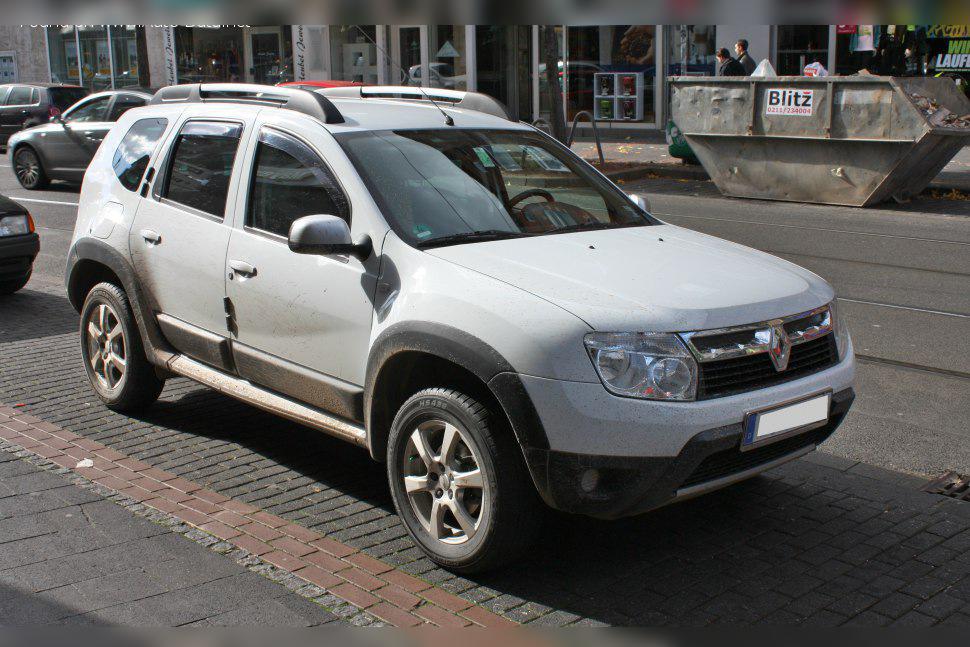
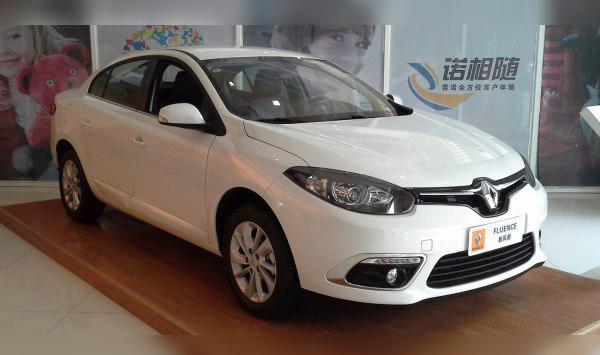
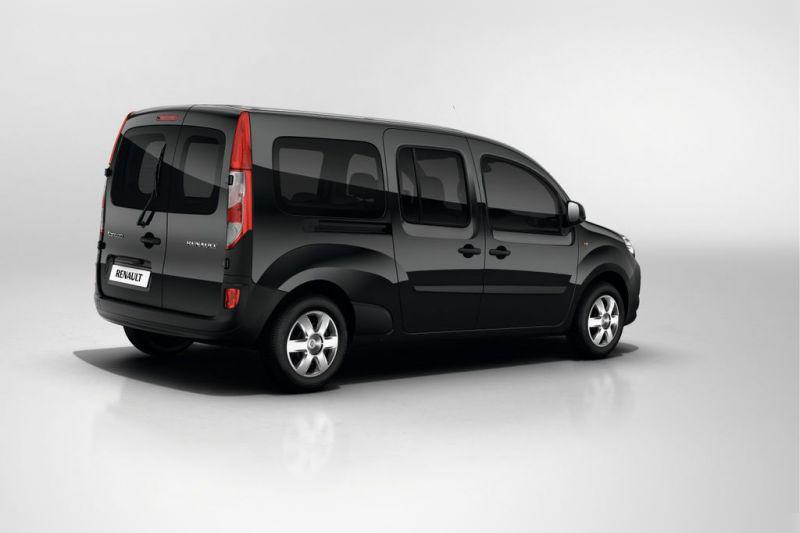
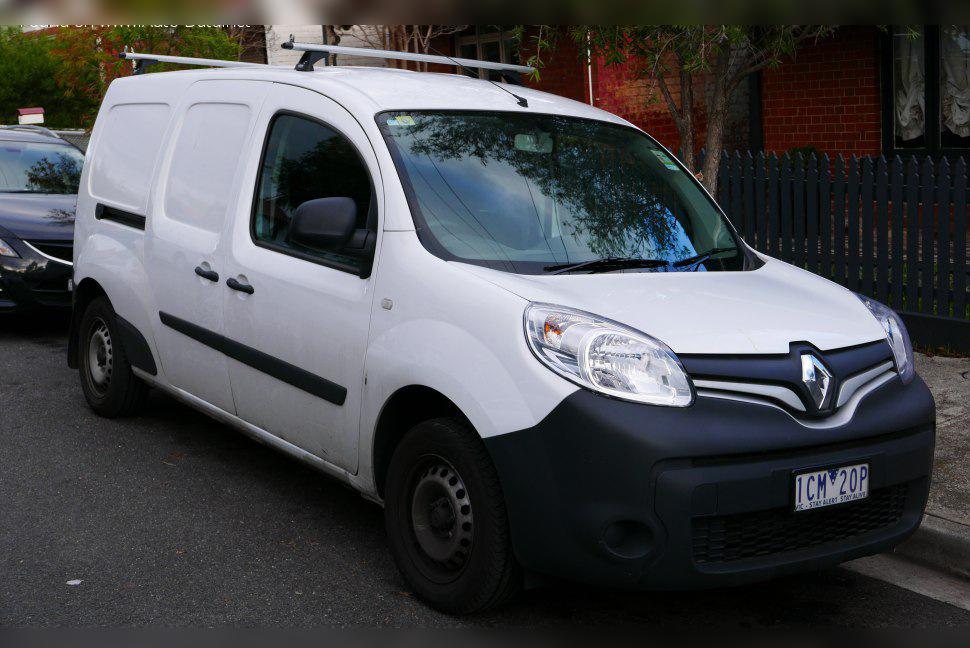
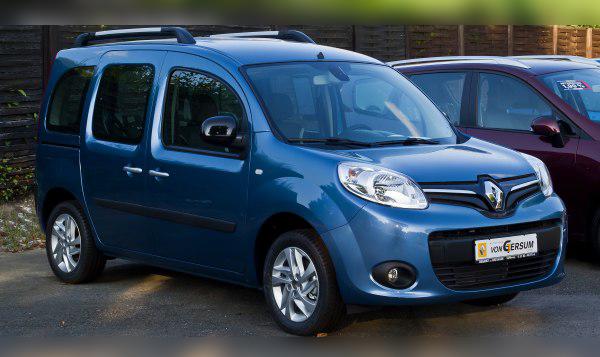
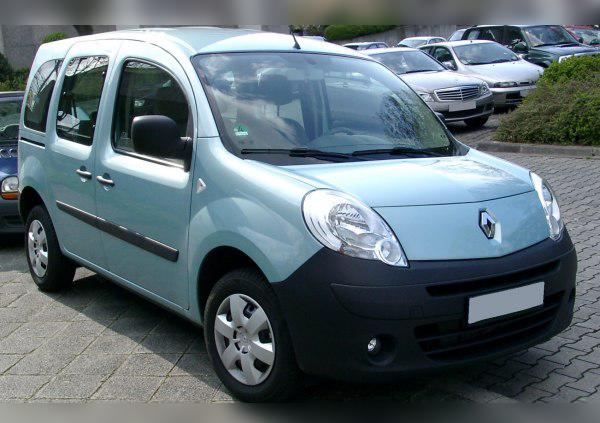
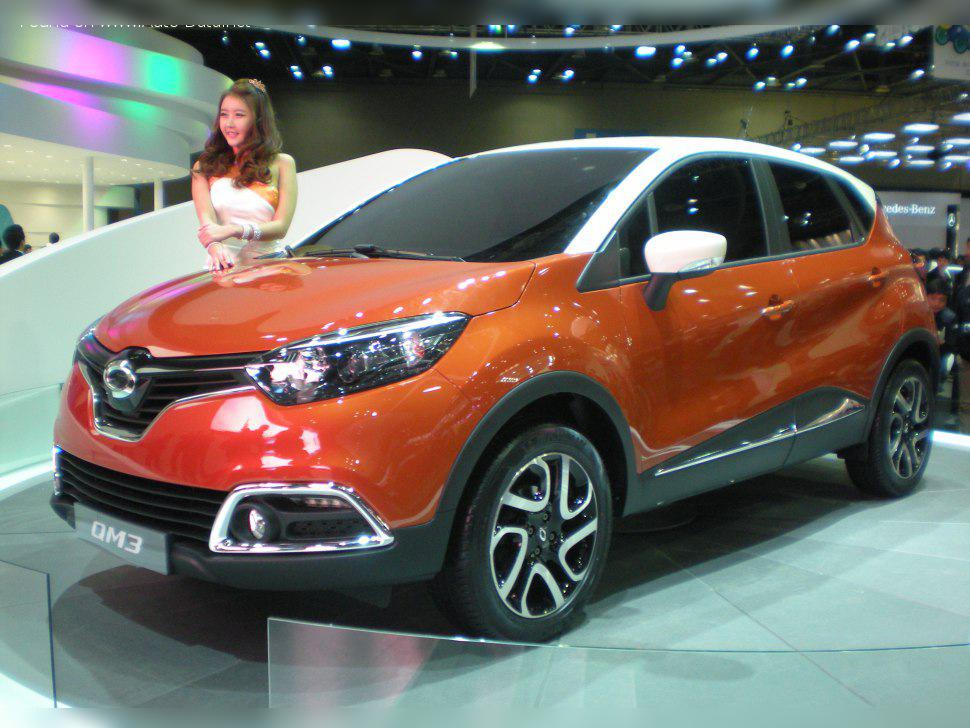
This engine is a true “workhorse”. It was installed in commercial vehicles such as the Dacia Logan Van and various Renault Kangoo Express versions (Compact, Maxi Grand Volume), where reliability under load is expected. On the other hand, it also powers passenger models such as the facelifted Renault Fluence, the first‑generation Renault Duster (even in AWD versions), as well as lifestyle crossovers like the Renault Samsung QM3 (the equivalent of the European Captur). Whether it has a FAP (DPF) filter, Start & Stop system or is paired with an EDC automatic, the essence of this engine is low running costs.
Technical specifications
| Parameter | Specification |
|---|---|
| Displacement | 1461 cc |
| Engine power | 66 kW (90 HP) |
| Maximum torque | 220 Nm |
| Configuration and valves | Inline 4‑cylinder, 8 valves (SOHC) |
| Engine codes | K9K (sub‑codes 608, 612, 626, 892, depending on emissions standard) |
| Injection type | Direct injection, Common Rail |
| Charging | Turbocharger with intercooler |
| Emissions standards | Mainly Euro 5 and Euro 6 (depending on model year) |
Reliability, maintenance and service intervals
Timing belt or chain?
The K9K engine uses a timing belt. This is good news for owners because replacement is quieter and more predictable than chains, which on some competitors can snap without warning. A full timing kit (belt, rollers, tensioners, water pump) is not expensive. It is recommended to do the major service at a maximum of 120,000 to 150,000 km or every 5 to 6 years, whichever comes first.
Oil: Quantity, grade and consumption
This engine takes about 4.5 liters of oil (with filter). Due to the presence of a DPF (FAP) filter, the use of Low‑SAPS oil is mandatory, and the recommended grade is 5W‑30 that meets Renault’s RN0720 specification. When the engine is in good condition, it does not consume oil between changes, or the consumption is minimal (up to 0.5 liters per 10,000 km, which is completely normal). If you notice that the engine consumes more than 1 liter of oil between services, the problem usually lies in worn piston rings or, more often, oil leakage past the turbocharger shaft seals.
Most common failures and injector condition
Earlier versions of the 1.5 dCi engine (before 2008) had the notorious problem of spinning crankshaft bearing shells. In the 90 HP version (which mostly came later), this problem was almost completely solved by installing higher‑quality bearings and a better oil pump.
Injectors on these newer versions (most often branded Continental/Siemens or newer‑generation Delphi) have proven to be quite good. Their average service life is between 200,000 and 250,000 km. However, they are sensitive to poor fuel quality and contamination in the system. Symptoms of bad injectors: The engine is harder to start in the morning, idles roughly (“knocking”), pulls poorly, and there is increased black smoke under throttle or whitish smoke on cold start. Injector refurbishment is no longer very expensive, but it is important to have it done at a reputable workshop.
Specific components, DPF, turbo and injection systems
Dual‑mass flywheel
This is the question that interests used‑car buyers the most, and the answer is: It depends, and you cannot know 100% without checking by VIN. Most lighter and cheaper models with this engine (such as Dacia Logan, basic Clio, some Kangoo models with a 5‑speed manual gearbox) have a solid flywheel. However, heavier models such as the Renault Fluence, Kangoo Maxi versions intended for higher loads, Duster 4WD, as well as versions paired with certain gearboxes (e.g. the 6‑speed manual TL4 where fitted), may have a dual‑mass flywheel to reduce vibrations. If it does, replacement of the clutch kit together with the flywheel is expensive – from 500 to 800 EUR (depending on market).
Turbocharger and injection system
The 90 HP version most often uses a turbocharger with fixed geometry (although some Euro 6 sub‑variants switch to variable geometry). The turbo is reliable and, with regular oil changes, its lifespan matches that of the engine (over 250,000 km). Problems arise if oil change intervals are not respected or if the engine is switched off hot immediately after highway driving, which leads to oil “coking” in the turbo and failure of the shaft bearings.
EGR valve and DPF (FAP) filter
All models of this generation have a DPF filter and an EGR valve. These are the weakest points if the car is driven exclusively in the city. The EGR valve tends to clog with soot. Symptoms are jerking during acceleration, loss of power and the “Check Engine” light coming on. As for the DPF, the engine occasionally needs to be driven on open roads so that exhaust gas temperatures rise and regeneration can take place. If you use a Kangoo only for short deliveries in the city center, the DPF will quickly clog, putting the engine into limp mode with drastically reduced power. Cleaning or replacing the DPF filter is among the very expensive procedures.
AdBlue (SCR) system
1.5 dCi 90 HP versions that meet Euro 5 and early Euro 6 standards (as listed: Fluence 2012, Kangoo 2013) do not have an AdBlue system. This is a huge advantage for used‑car buyers, as it avoids costly failures of the urea pump and injector. Renault introduced AdBlue widely on the 1.5 dCi only at the end of 2018 with the “Blue dCi” generation of engines (usually 95 HP or 115 HP). Still, if you are looking at a model from the very end of production, be sure to check whether there is a blue cap next to the fuel filler. If there is, be prepared for occasional problems with fluid crystallization and module failure, which is not cheap to repair (depending on market).
Fuel consumption and driving performance
What does it really consume?
Real‑world city consumption is around 5.5 to 6.5 l/100 km, depending on vehicle weight. In a Dacia Logan Van or a light Kangoo Compact, consumption is minimal. On the other hand, a heavier Duster with all‑wheel drive and poorer aerodynamics can easily go over 7 liters in heavy city traffic. On country roads, consumption can drop to an incredible 4.0 l/100 km.
Is the engine “lazy”?
With 90 HP and 220 Nm available from just 1,750 rpm, this engine is not lazy in city and suburban conditions. In the first three gears the car pulls quite briskly. However, the lack of power is noticeable at higher speeds. If you load a Grand Kangoo to the roof or drive five people in a Fluence uphill, you will have to reach for the gear lever often. For light bodies (Clio, Logan) it is excellent, for medium ones (Kangoo, Duster) it is adequate, but it is not a racer.
Highway driving
The biggest complaint on the highway comes from the gearbox. The 90 HP versions are most often paired with a 5‑speed manual gearbox (JR5). Due to the lack of a sixth gear, at 130 km/h the engine spins at a relatively high 2,600 to 2,800 rpm. Because of this, cabin noise becomes more noticeable and fuel consumption rises to about 6.5 to 7.0 l/100 km.
Additional options and “chipping” (Stage 1)
The K9K block is extremely robust. “Chipping”, i.e. software optimization (Stage 1), delivers excellent results. Power can safely be raised from 90 HP to about 110 to 115 HP, while torque increases from 220 Nm to 250–260 Nm. This modification makes overtaking much easier and relieves the engine under higher loads. Warning: If your model has a solid flywheel and a standard clutch, more aggressive torque maps can quickly lead to clutch slip. A milder tune by proven specialists is recommended, along with regular monitoring of the DPF filter, which may be additionally stressed by increased soot production.
Transmissions: Manual vs EDC automatic
Types of gearboxes
This engine comes with classic manual gearboxes (mainly 5‑speed, less often 6‑speed) or Renault’s EDC (Efficient Dual Clutch) automatic gearbox with 6 speeds, often found in higher‑trim Kangoo models or in the Renault Samsung QM3 (Captur).
Manual gearbox failures and maintenance
Manual gearboxes are mechanically reliable. The most common issues include oil leaks at the driveshaft seals and bearing wear in the gearbox after high mileage (a whining noise while driving). The clutch is generally long‑lasting. Regular servicing of the manual gearbox means changing the oil (75W‑80 grade) every 80,000 to 100,000 km. This is not prescribed by the manufacturer, but in practice it significantly extends bearing life. The cost of replacing a standard clutch kit (without dual‑mass flywheel) is not high (depending on market).
EDC automatic gearbox failures and maintenance
The EDC gearbox offers huge comfort in the city and lowers revs on the highway. However, it requires a lot of money when things go wrong. The most common problems at higher mileage are:
- Worn dry clutch set: Symptoms are slipping, vibrations when setting off (especially in first and second gear) and jerking. Replacing this set is very expensive – it often exceeds 1,000 EUR (depending on market).
- TCM (transmission control module) failure: The module is mounted directly on the gearbox, close to the engine. Due to high temperatures in stop‑and‑go city driving, the electronics can fail, and repair is costly.
To keep the EDC alive, it is essential to change the gearbox oil every 60,000 km.
Buying used and final verdict
What exactly to check before buying?
- First cold start: Listen carefully. The engine should start instantly. If it cranks for a long time, you hear metallic rattling or see smoke, the problem may be with the injectors or glow plugs.
- Inspection around the turbo: Remove the plastic engine cover and inspect the hoses going to and from the intercooler. A little oil mist is normal, but if everything is covered in fresh oil, the turbo needs an overhaul.
- Exhaust cleanliness: Run your finger inside the exhaust tip. On cars with a healthy DPF filter, the inside should be clean (without black, greasy soot). If the exhaust is completely black, the DPF has probably been removed, drilled or is on the verge of failure.
- Diagnostics: It is MANDATORY to connect the vehicle to proper diagnostics. Check injector correction values (they must be within tolerance) and DPF saturation parameters (ash and soot mass).
- Automatic test drive: If you are buying a QM3 or Kangoo with an EDC gearbox, drive it in stop‑and‑go city traffic until the engine and gearbox are fully warmed up to the normal 90°C operating temperature. Most EDC jerking issues do not show up while the car is cold!
Who is this engine for?
The Renault 1.5 dCi K9K with 90 HP is aimed at rational buyers. If you need a commercial vehicle for work (Logan Van, Kangoo) that will cover hundreds of thousands of kilometers with minimal fuel and registration costs, this is a bull’s‑eye. In a passenger car (Fluence, Duster, QM3), this is an engine for drivers with a calm driving style. It is not intended for drag racing from traffic light to traffic light, nor for the fast lane of the motorway. It is an extremely reliable, refined “marathon runner” that, with regular maintenance and quality oil, can be driven for years with laughably low fuel costs.