Mercedes-Benz 1.3 M 282 (163 HP): Experiences, issues, fuel consumption and used-car buying tips
- Joint development: Engine developed in cooperation with the Renault-Nissan alliance, but with specific Mercedes modifications. Despite prejudice, it has proven to be extremely reliable.
- Timing drive: Uses a reliable timing chain, with no fixed replacement interval for the so‑called “major service”.
- Eco systems: Equipped with a GPF (gasoline particulate filter), but does not use AdBlue because it is a petrol engine.
- Gearbox: Most commonly paired with 7G-DCT or 8G-DCT transmissions, which require regular oil changes every 60,000 km.
- Fuel consumption: Very economical in the A and B class, while in heavier models such as the GLB body style, consumption increases.
- Costs: Parts are premium-grade; replacement of the dual-mass flywheel and dual-clutch set is very expensive (depends on the market).
Contents
- Introduction and engine origin
- Technical specifications
- Reliability and maintenance
- Specific components (costs)
- Fuel consumption and performance
- Additional options and modifications
- Transmissions and power delivery
- Buying used and conclusion
Introduction and engine origin
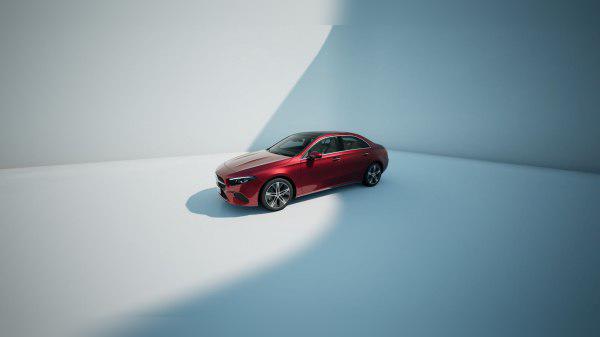
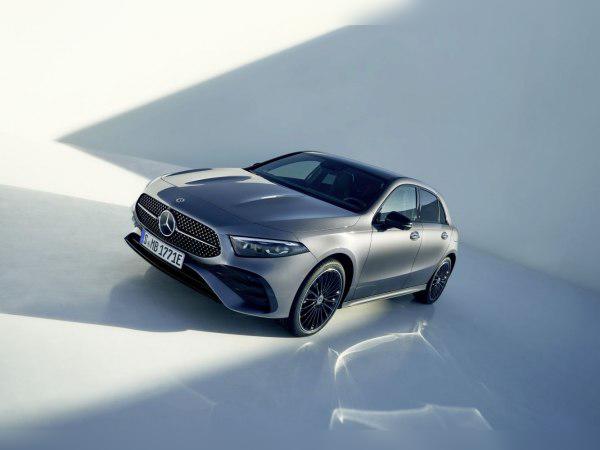
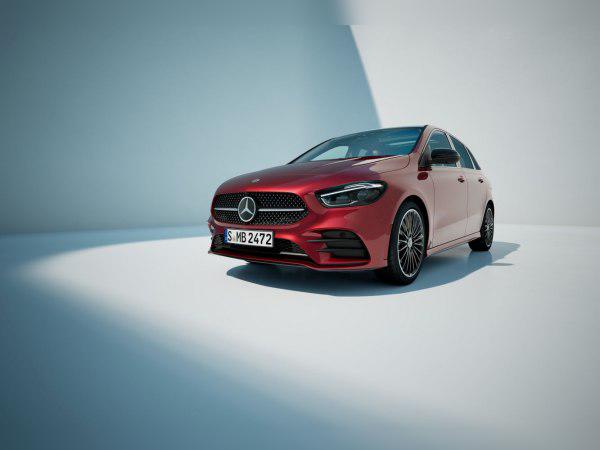
The engine with the code M 282 is one of the most important powerplants for Mercedes-Benz compact cars. This all-aluminum four-cylinder is the result of cooperation with Renault (where it carries the 1.3 TCe designation) and Nissan. Although many question the premium status of this engine because of its origin, Mercedes has reworked key components, software and peripherals in-house. It is installed across the entire compact range, starting from the A-Class (W177, V177), through the practical B-Class (W247), all the way to the popular SUV models GLA (H247) and GLB (X247). Thanks to an output of 163 HP (120 kW) in Mild Hybrid versions (such as the A 200 or GLB 200) and an impressive system output of 218 HP in Plug-in Hybrid variants (badged 250e), this engine represents an optimal balance of power and efficiency for most drivers across Europe.
Technical specifications
| Engine displacement | 1332 cc |
| Power | 120 kW (163 HP) |
| Torque | 250 Nm |
| Engine code | M 282 (M 282.914) |
| Injection type | Direct injection |
| Charging type | Turbocharger with intercooler |
Reliability and maintenance
When it comes to the timing drive, the M 282 engine uses a timing chain, not a timing belt. Unlike older generations of “downsized” engines, this chain has proven to be extremely durable and rarely causes headaches. As for the major service (replacement of the chain set), there is no strictly prescribed replacement interval. The chain is replaced as needed – usually only when diagnostics report a mismatch between the camshaft and crankshaft sensors, or when a rattling noise is physically heard at the first cold start in the morning (most often well above 200,000 km). However, it is recommended to replace the auxiliary (serpentine) belt, idler pulleys and tensioner every 100,000 km, which can be considered a form of regular preventive major service.
The most common failures and symptoms on this engine boil down to a few specifics of direct injection and electronics. The buildup of carbon deposits on the intake valves is inevitable with direct-injection engines, which can cause a slightly rough idle or weaker throttle response after 100,000 km. There is also an occasional rattle from the turbocharger wastegate valve when revs drop, which does not affect reliability but only spoils the sound refinement.
As for engine oil, this unit takes on average between 5.1 and 5.5 liters of oil, and the recommended grade according to Mercedes standards is usually 0W-20 (MB 229.71), although in some cases 5W-30 (MB 229.51/52) is used, depending on local climate and service intervals. Mild oil consumption is present and completely expected due to the low viscosity and turbocharger temperatures. Consumption of around 0.2 to 0.5 l per 10,000 km is considered completely normal, while anything above 1 liter would point to an issue with the turbocharger or the PCV valve (crankcase ventilation valve).
Since this is a high-tech petrol engine, regular maintenance of the ignition system is crucial. Spark plugs must be replaced every 60,000 km. Skipping this item can lead to coil failure and uneven running, which creates additional vibrations that are transmitted to the expensive transmission components.
Specific components (costs)
Although this is a compact petrol engine, it uses a dual-mass flywheel in order to reduce torsional vibrations and protect the dual-clutch transmission. If you notice strong vibrations under acceleration from low revs or metallic knocks when switching the engine off, it is a sign that the flywheel is worn out. The fuel injection system is extremely precise (high-pressure direct injection). Injectors are generally not problematic, but they are sensitive to poor-quality fuel. Replacing them falls into the “expensive” category (depends on the market).
The engine is equipped with a single efficient turbocharger. Its service life usually matches the life of the engine itself, provided that the oil is changed on time (ideally at a maximum of 15,000 km) and that the engine is left to idle for about 30 seconds to cool down after long highway drives.
In terms of emissions, since this is a modern petrol engine, it does not use AdBlue fluid. However, it does have an EGR valve as well as a GPF (Gasoline Particulate Filter – the petrol equivalent of a diesel DPF). The GPF can become clogged if the car is driven exclusively on short urban “stop-and-go” trips without reaching optimal operating temperature (the oil usually needs to reach 90–100 °C). Symptoms of a clogged GPF include a warning light on the dashboard and the engine entering “safe mode” with reduced power. Cleaning requires a longer highway drive at higher revs.
Fuel consumption and performance
Despite its solid horsepower, the displacement of only 1.3 liters provides impressive efficiency in optimal conditions. Real-world urban fuel consumption for models such as the A 200 or B 200 ranges from 7.5 to 9 l/100 km, depending on traffic. In Plug-in hybrids (A 250e, GLA 250e), if you charge the battery regularly, petrol consumption in the city can be drastically lower (even close to zero on short trips).
Is the engine “lazy”? That largely depends on the model. In the lighter A-Class, the engine delivers very dynamic acceleration and subjectively feels like it has more than 163 HP. However, in the Mercedes GLB, which is heavy and has a very boxy aerodynamic profile, this engine under full load (four people and luggage) requires higher revs to perform quick overtakes, and you may feel a slight lack of breath above 120 km/h.
On the highway it proves to be exceptionally quiet and refined. At a cruising speed of 130 km/h in the highest gear of the automatic transmission, the tachometer sits at around 2200 to 2500 rpm. Fuel consumption at this speed is usually between 6.5 and 7.2 l/100 km.
Additional options and modifications
Many drivers are interested in more economical running, but installing LPG is not recommended on the M 282 engine. The reason is direct injection – such an engine requires a top-tier and very expensive system (which must also inject a certain percentage of petrol to cool the petrol injectors) or a liquid-phase direct injection system. The conversion is usually not financially viable.
For performance enthusiasts, this engine is quite suitable for so‑called “chip tuning” (software remapping of the engine). A safe Stage 1 on the 1.3 M 282 raises power from the stock 163 HP to around 185–190 HP, while torque increases from 250 Nm to approximately 290–300 Nm. It is important to note that with such modifications the transmission is subjected to higher loads, so the driving style must be more considerate.
Transmissions and power delivery
Manual gearboxes are an absolute rarity on newer facelift models that use this engine. In the vast majority of cases, the engine is paired with the 7G-DCT (seven-speed dual-clutch automatic gearbox supplied by Getrag), while hybrid versions (PHEV 250e) come with the more robust 8G-DCT transmission, which has an electric motor integrated into it.
The most commonly reported symptom of issues or discomfort with these automatics is occasional harsh jerking when shifting from first to second gear, especially when the transmission oil is cold. This is often resolved by updating the transmission control unit software and performing regular servicing. Both transmissions use a dual-mass flywheel and a wet dual-clutch set. When these components wear out (most often due to extensive city driving with frequent clutch slip at traffic lights), the cost of replacement for parts and labor falls into the “very expensive” category (depends on the market).
The key to the longevity of this system is servicing the transmission at a maximum of every 60,000 km. At that point, the special DCT oil and the transmission filter(s) are replaced. Neglecting this item is a guaranteed way to destroy the mechatronics and clutch set at an early stage.
Buying used and conclusion
When inspecting a used car with this engine, start it completely “cold” and listen carefully for a sharp metallic noise from the timing area. Chain rattle usually lasts 2 to 4 seconds and if it is loud, it may indicate a bad tensioner or a stretched chain. Test-drive the car in all driving modes, paying attention to how the DCT gearbox shifts up and down with no throttle input – shifts should be imperceptible, without harsh “kicks” in the back. Original Mercedes diagnostics (Xentry/Star) is a must! With it, a professional can read the GPF saturation level, the high-pressure fuel pump pressure, and the number of faults stored in the transmission control module.
Who is it for? Mercedes’ M 282 1.3 petrol engine is ideal for buyers looking for an excellent balance of comfort, efficiency and sufficient power in the compact and mid-size segment. It is a perfect choice for the A and B Class, while in the GLA and GLB it does an excellent job in everyday family use, although it will not thrill fans of sharp, sporty driving due to the higher body weight. It offers a modern take on the “downsizing” philosophy and, with proper and timely transmission servicing and engine oil changes, has proven to be one of the more reliable powerplants of the newer generation.