M9R 2.0 dCi Engine (150 HP): Experiences, Problems, Fuel Consumption and Used Car Buying Tips
- Timing chain drive: Solves many issues of its predecessors, but requires regular oil changes to prevent chain stretch.
- Reliability: One of the most reliable diesel engines of its generation from the Renault-Nissan alliance.
- Large oil capacity: Holds around 7.4 liters of oil, which helps engine longevity and cooling, but makes minor services more expensive.
- Specific parts: The dual-mass flywheel is standard, and repairs are not cheap. Injectors are durable but sensitive to poor-quality fuel.
- Fuel consumption: Because it is installed in heavy vehicles (SUVs and MPVs), urban fuel consumption is relatively high, while on the open road it is extremely economical.
- DPF and EGR: Classic diesel weak points if the vehicle is used exclusively in city conditions.
Contents
- Introduction: The savior of diesel reputation
- Technical specifications
- Reliability and Maintenance
- Specific Parts (Costs)
- Fuel Consumption and Performance
- Additional Options and Modifications
- Gearbox and Drivetrain
- Buying Used and Conclusion
Introduction: The savior of diesel reputation
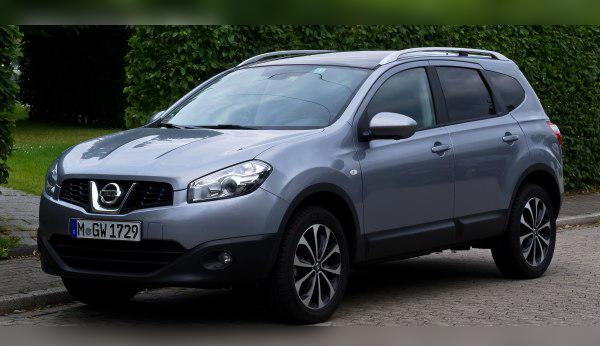
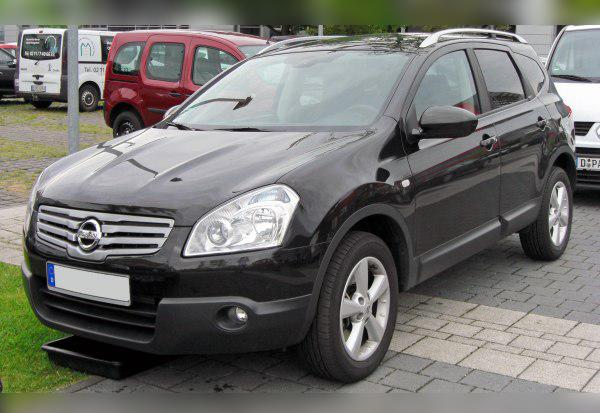
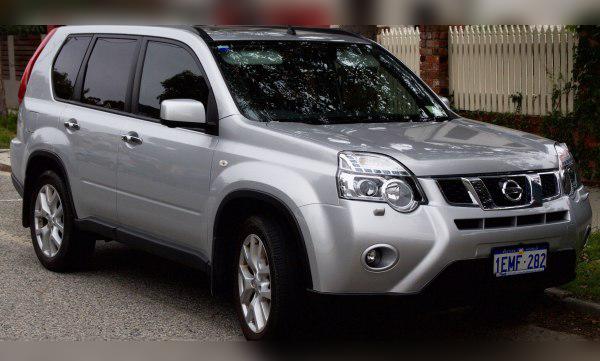
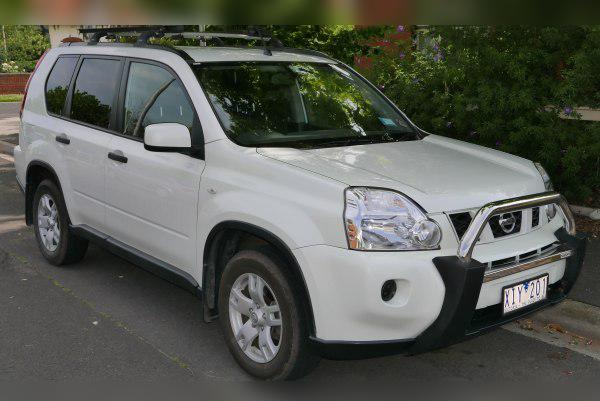
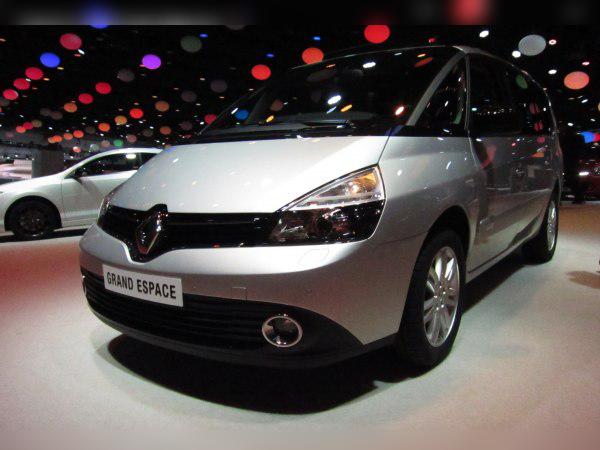
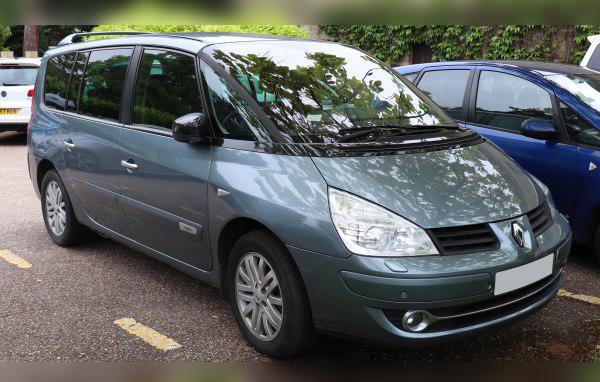
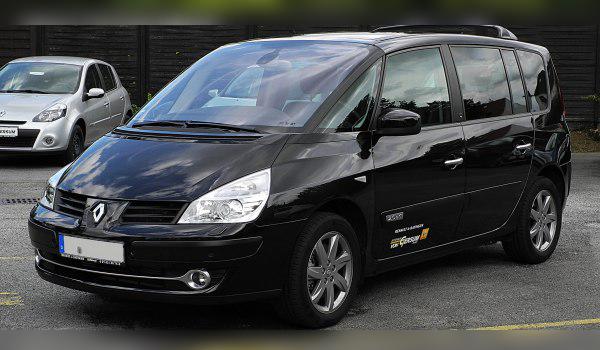
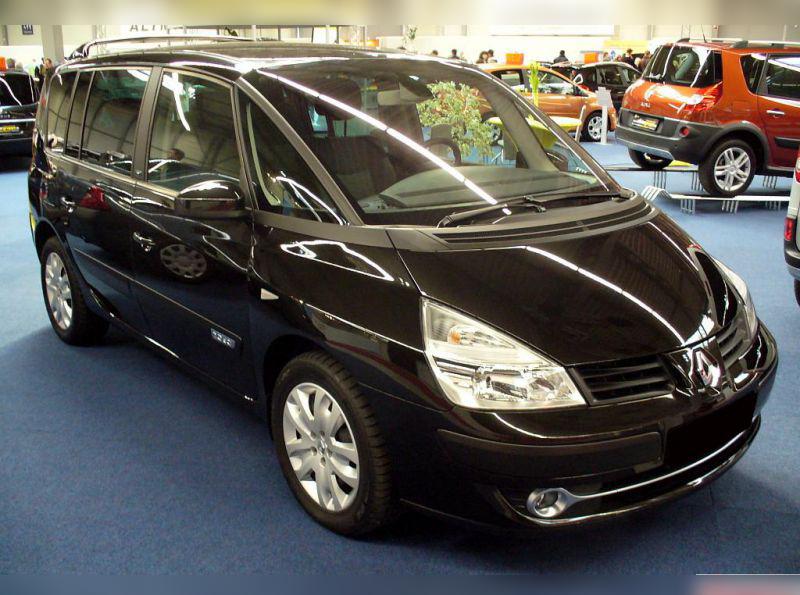
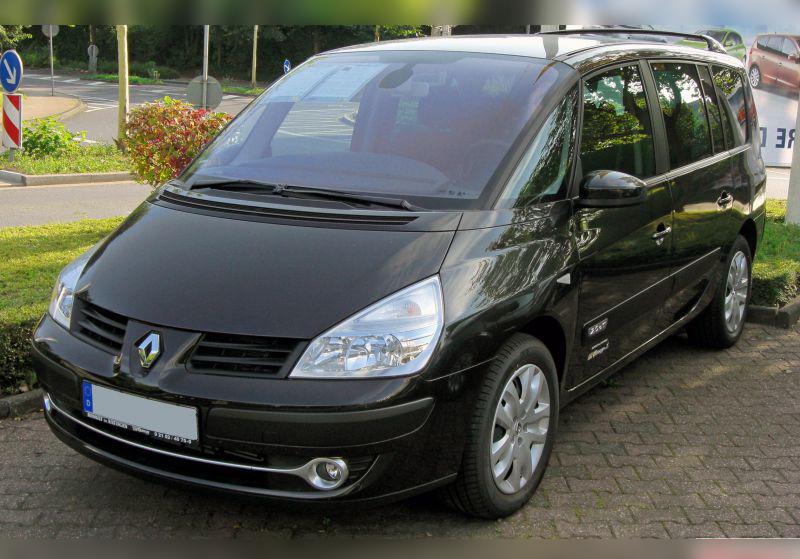
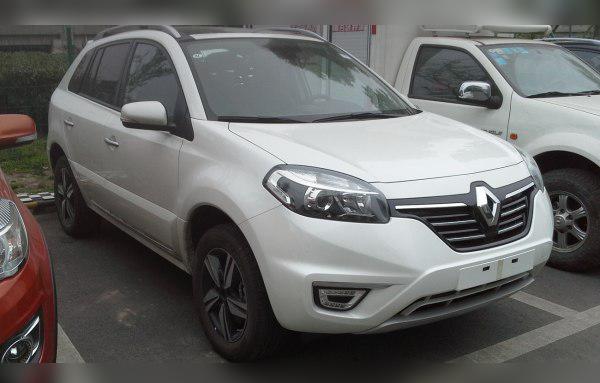
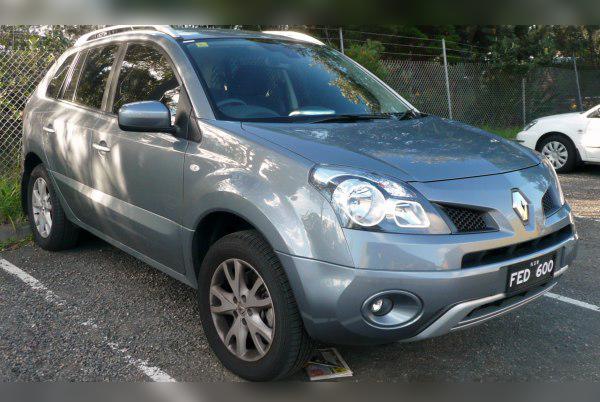
If you’ve ever talked to mechanics about Renault diesels from the early 2000s (such as the infamous 1.9 dCi or 2.2 dCi), you’ve probably heard horror stories about spun crankshaft bearings. Fortunately, the M9R 2.0 dCi engine, developed in cooperation with Nissan, is the complete opposite. This powerplant was designed from scratch to be durable, refined, and capable of pulling heavy bodies such as the Renault Espace, Nissan X-Trail and Koleos. It appeared at the end of the first decade of the 21st century and became one of the most respected two-liter diesels on the European market.
Technical specifications
| Parameter | Value |
|---|---|
| Displacement | 1998 cc |
| Power | 110 kW (150 HP) |
| Torque | 340 Nm |
| Engine code | M9R |
| Injection type | Common Rail (Bosch Piezo) |
| Aspiration | Turbocharger (VNT), Intercooler |
Reliability and Maintenance
Timing belt or chain?
Good news for all drivers: the M9R uses a timing chain. This significantly reduces regular maintenance costs compared to belt-driven engines. However, it’s a misconception that a chain lasts forever. A major service in the classic sense (where you replace all timing components at a fixed mileage) is not done, but the chain, guides and tensioners must be checked. In practice, the chain can start to make noise (rattling at cold start) at around 250,000 to 300,000 km. Replacing the full chain kit is quite expensive (depends on the market), so it’s important to react to the first symptoms of chain stretch to avoid catastrophic engine failure.
Oil: Capacity and consumption
This engine holds an impressive 7.4 liters of oil. Although this means that minor services are more expensive, this amount of oil is exactly why the engine can cover huge mileages – it cools better and washes away contaminants more effectively. The recommended grade is 5W-30. If your model has a DPF filter (and the vast majority of 150 HP versions do), it is mandatory to use oil with the ACEA C4 (Renault RN0720) specification. Low-ash oils protect the DPF from premature clogging.
As for oil consumption between services, the M9R is generally a “dry” engine. Normal consumption is negligible (up to half a liter from service to service). If the engine consumes more than 1 liter per 10,000 km, this is a clear sign that you should check the piston rings or the turbocharger, because this is not a factory characteristic of this unit.
Injectors and fuel injection
The engine uses a sophisticated Bosch Common Rail system with piezo injectors. These injectors are extremely precise and enable smooth engine operation, but their lifespan largely depends on fuel quality and regular fuel filter replacement. In practice, they easily last over 250,000 km. When they start to fail, the driver will notice rough idling, increased fuel consumption, black smoke from the exhaust under hard acceleration, or difficult starting. Unfortunately, refurbishing piezo injectors is very expensive and sometimes impossible, so new or tested used ones must be purchased (depending on the market).
Specific Parts (Costs)
Turbo and Dual-mass flywheel
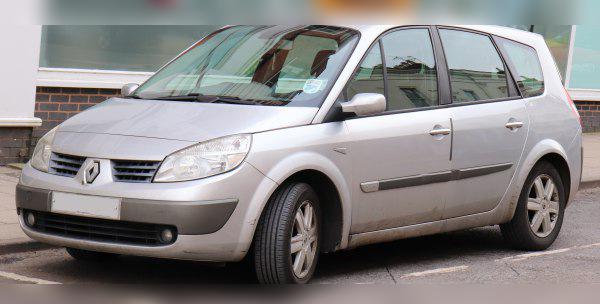
All versions with a manual gearbox are equipped with a dual-mass flywheel. With 340 Nm of torque and a heavy body (e.g. Renault Grand Espace or Nissan X-Trail), the flywheel is exposed to huge forces, especially when starting uphill. Its lifespan is usually between 180,000 and 220,000 km. Symptoms of wear are vibrations in the clutch pedal, judder when moving off, and metallic knocks when switching off the engine. The price of a clutch kit with a dual-mass flywheel is high to very high (depends on the market).
The turbocharger has variable geometry (VNT) and, depending on the version, is water-cooled. Thanks to its robust design and the large amount of oil, it rarely fails before 300,000 km, unless the driver switches off a hot engine immediately after hard motorway driving. Whistling noises and lack of power are the first symptoms of trouble.
Emissions: DPF, EGR and AdBlue
The DPF filter and EGR valve are standard equipment. The EGR valve often clogs with soot if the vehicle is constantly driven in stop-and-go city traffic. Symptoms of a clogged EGR are the engine “choking” at low revs and the “Check Engine” light coming on. The DPF filter on M9R engines is fairly well designed (on some generations there is a so-called fifth injector in the exhaust that helps regeneration), but city driving inevitably kills it. Solving DPF issues (cleaning) is not expensive (depends on the market).
As for the AdBlue system (SCR catalyst), the good news is that this specific 150 HP version (which meets Euro 4 and Euro 5 standards) in 99% of cases does not have an AdBlue system. That means one major concern (and the cost of pump and injector failures in the urea tank) less.
Fuel Consumption and Performance
Is it sluggish and how much fuel does it use?
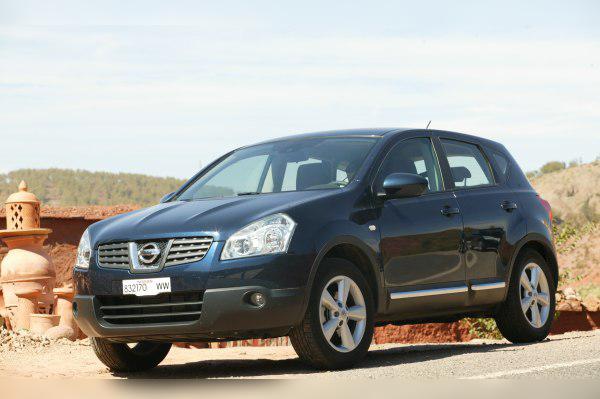
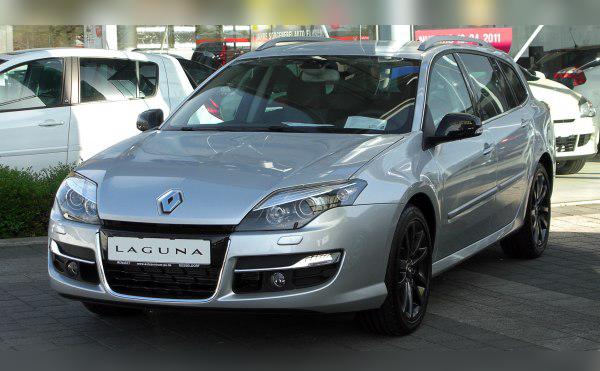
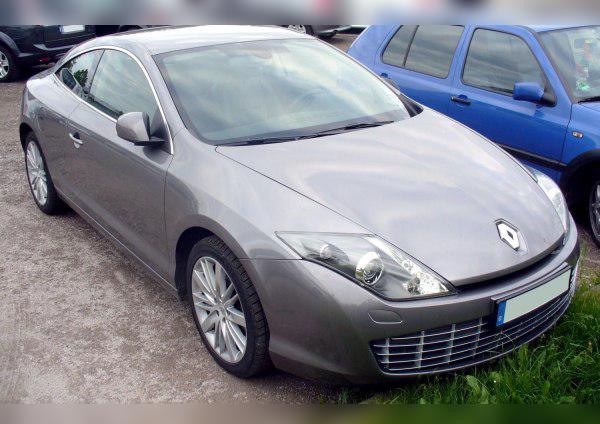
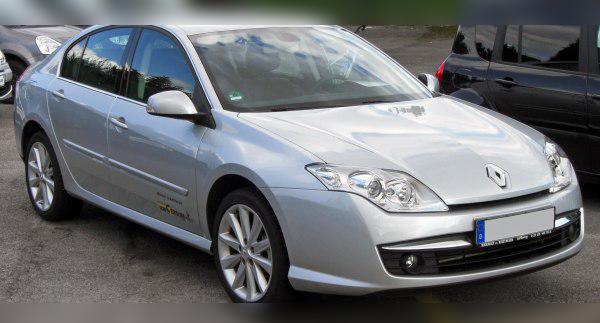
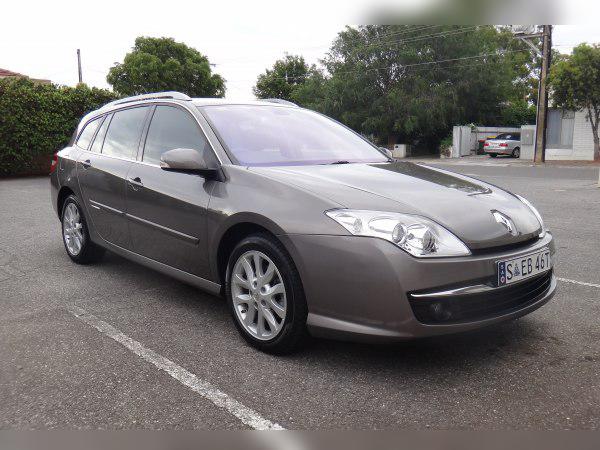
With 150 HP and 340 Nm of torque, this engine copes very well with vehicle weight. However, it’s important which car it’s in. In models like the Renault Laguna or Nissan Qashqai, this engine is very lively and offers excellent in-gear acceleration. In heavyweights such as the Grand Espace (which weighs almost two tons), the engine can feel slightly “sluggish” when starting from a standstill, but as soon as the turbo builds boost (above 1800 rpm), the vehicle pulls strongly and consistently.
Real-world city fuel consumption is something you need to be prepared for. In heavy SUV models with 4x4 drive and an automatic gearbox, city consumption can reach 9–10 l/100 km. In lighter models with front-wheel drive and a manual gearbox, it is around 7.5–8.5 l/100 km.
The true character of this engine shows on the motorway. It was designed for long-distance travel. At 130 km/h in sixth gear, the engine spins at a very relaxed ~2400 to 2600 rpm (depending on the gearbox). Under these conditions, the engine is extremely quiet and fuel consumption drops to 6.5 to 7 l/100 km.
Additional Options and Modifications
Remapping (Stage 1)
The M9R engine is mechanically superbly overengineered and extremely suitable for remapping (chipping). Without any hardware modifications, a Stage 1 software tune safely raises power from 150 HP to 175–180 HP, while torque increases to an impressive 400–420 Nm. This modification drastically improves the responsiveness of heavier models such as the X-Trail and Espace. However, keep in mind that higher torque wears out the dual-mass flywheel and clutch disc faster.
Gearbox: Manual and Automatic
Two types of gearboxes are usually paired with this engine:
- 6-speed manual gearbox (PK4 in Renault terminology): A very robust gearbox. Failures of the gearbox itself are extremely rare. The oil in it should be changed every 100,000 km, even though the manufacturer often declares it as “lifetime oil”. The biggest expense here is the aforementioned replacement of the clutch kit with the dual-mass flywheel.
- 6-speed automatic gearbox (AJ0, manufactured by Aisin): This is a conventional automatic with a torque converter, not a dual-clutch robotized gearbox. It does not have a dual-mass flywheel, which is a financial relief. It is extremely reliable and smooth, but slightly increases fuel consumption. The most important thing: The automatic gearbox absolutely needs an oil change every 60,000 km, or 80,000 km at the very most. If you’re buying a used car with this automatic and the oil has never been changed up to 200,000 km, expect jerks when shifting from second to third gear, which is a sign of valve body wear (very expensive to repair, depends on the market).
Buying Used and Conclusion
What to check at the lot or with the seller?
- Cold start: Ask the seller not to start the car before you arrive. When you crank it, carefully listen to the right side of the engine (where the belts are). If you hear metallic scraping or chain rattling in the first 2–3 seconds before oil pressure builds up, the chain is due for replacement.
- DPF diagnostics: Use an OBD scanner to read the filter saturation value and how many kilometers ago the last regeneration took place. If the car has only been driven in the city, the DPF is probably on its last legs.
- Exhaust smoke color: Black smoke when revving indicates a problem with the EGR, injectors or a leaking intercooler hose. Bluish smoke points to oil consumption (most often through a worn turbo).
- Clutch/Gearbox test: In third gear at 1500 rpm, press the accelerator to the floor. If the revs jump up quickly but the car doesn’t accelerate (as if you pressed the clutch), the clutch disc is slipping. With automatics, check whether the gearbox “kicks” when shifting from P (Park) to D (Drive) and R (Reverse).
Final conclusion
Who is this engine for? The M9R 2.0 dCi 150 HP engine is a workhorse. It is intended for drivers who often travel outside the city, families who need power for a fully loaded car, and people who want a reliable diesel without the teething problems of modern emission systems (such as AdBlue failures). It is not intended for short hops to the bakery or constant short city trips, because you will pay the price through higher fuel consumption and potential DPF clogging. Find a well-maintained example with documented oil changes, and it will serve you faithfully for hundreds of thousands of kilometers.