Renault 2.0 dCi M9R (160 hp): Experiences, problems, fuel consumption and used-car buying tips
Key points (TL;DR)
- Excellent foundation: The M9R is the result of cooperation between Renault and Nissan and is considered one of the most reliable diesel engines in its class.
- Chain-driven timing: The engine uses a timing chain, which eliminates classic major timing-belt service intervals, but requires regular oil changes.
- Power and torque: With 160 hp and 360 Nm, it has no trouble pulling heavy bodies such as the Grand Scenic and Talisman models.
- Two different eras: Older versions (Scenic III) have a DPF, while newer Talisman models carry the "Blue dCi" badge and feature an SCR (AdBlue) system, which can be prone to failures.
- Sensitivity to city driving: The DPF filter and EGR valve get dirty quickly if the car is not regularly driven on open roads.
- Transmissions: Manual gearboxes are virtually indestructible (but dual-mass flywheel replacement is expensive), while EDC automatic transmissions require strict adherence to oil change intervals.
Contents
- Introduction: About the engine and models
- Technical specifications
- Reliability and maintenance
- Specific parts and systems
- Fuel consumption and performance
- Additional options and modifications
- Transmission and drivetrain
- Buying used and conclusion
Introduction: About the engine and models
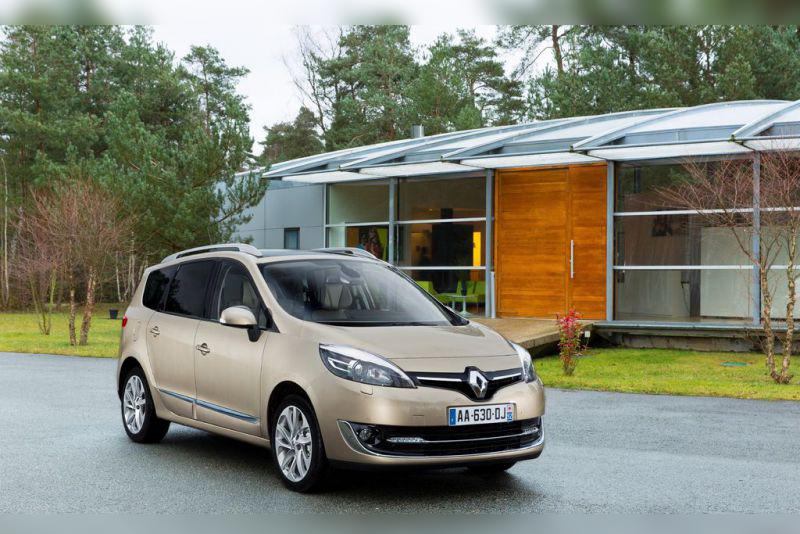
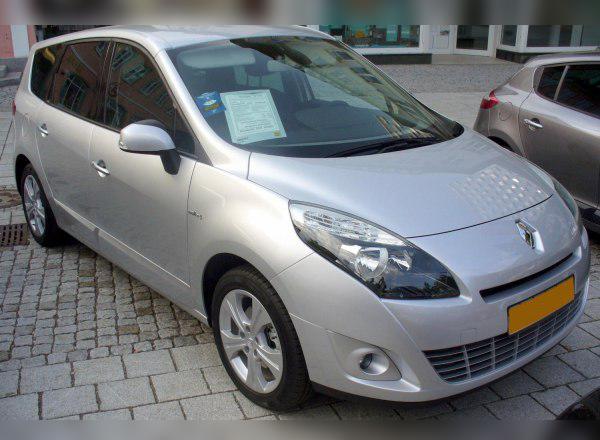
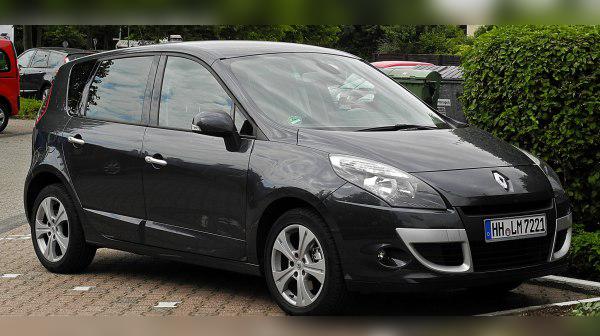
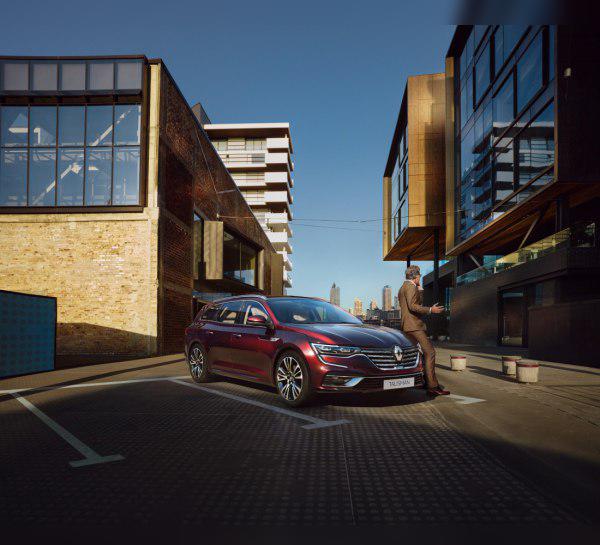
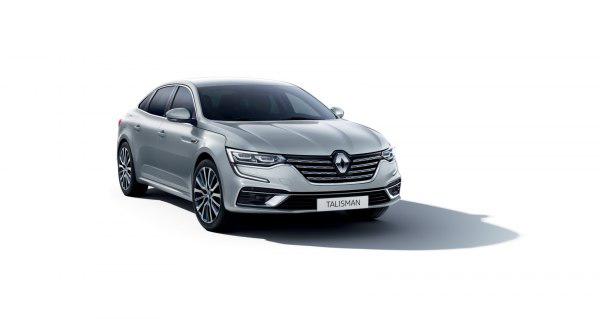
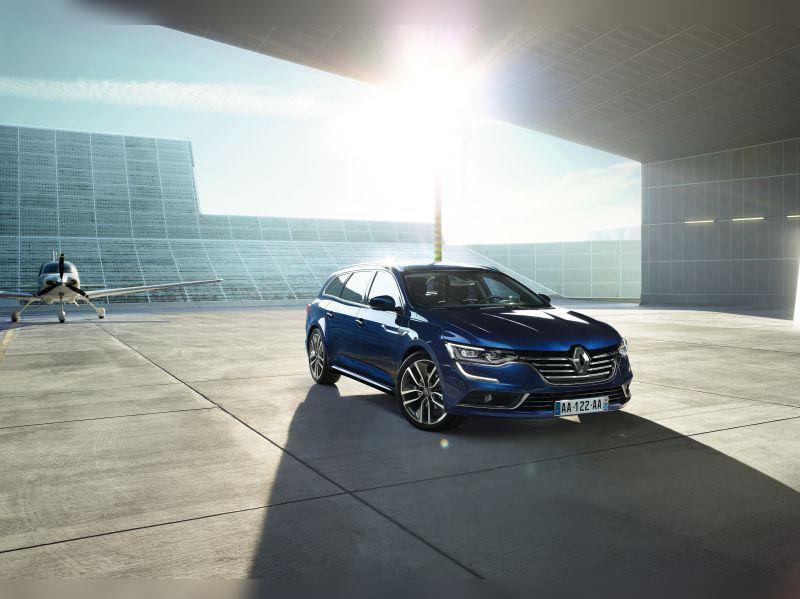
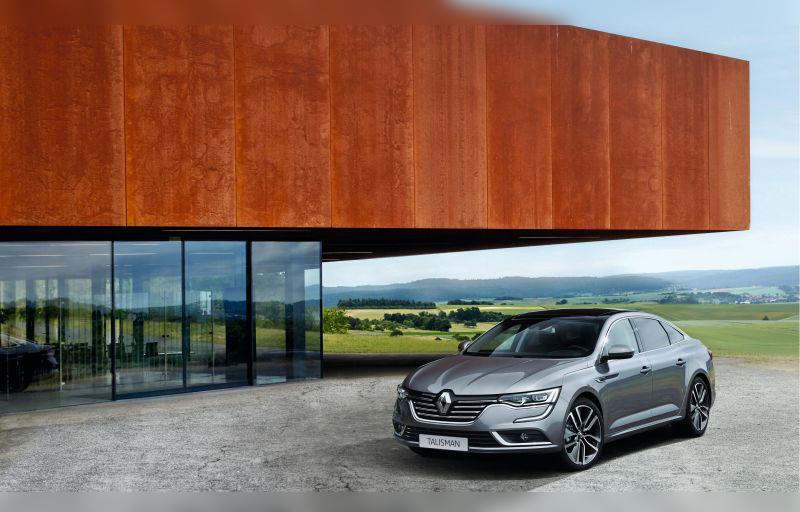
When engineers from the Renault-Nissan alliance sat down to create a successor to the already outdated and problematic 1.9 dCi, the result was the engine with the code name M9R. The 2.0-liter version with 160 hp and 360 Nm became the workhorse for the heavier vehicles in the range. Initially, it was installed in family cruisers such as the Renault Scenic III and Grand Scenic III (phases I and III), where it offered an excellent balance of power for seven passengers and fuel economy. Later, the engine was modernized to meet strict emissions standards and was installed in luxury models such as the Renault Talisman and Talisman Estate (including the 2020 facelift versions) under the commercial name Blue dCi, often paired with the 4CONTROL four-wheel steering system.
Technical specifications
| Parameter | Value |
|---|---|
| Engine displacement | 1997 cc |
| Power | 118 kW (160 hp) |
| Torque | 360 Nm |
| Engine codes | M9R (Exact suffix depends on the model) |
| Injection type | Common Rail (Piezo injectors) |
| Charging method | Variable-geometry turbocharger, intercooler |
| Fuel type | Diesel |
Reliability and maintenance
Chain instead of belt
Unlike older Renault diesels, the M9R uses a timing chain. Because of this, there is no classic “major timing service” every 90,000 to 120,000 km. The chain is quite robust and reliable, but not indestructible. Its lifespan is usually between 250,000 and 300,000 km. The driver will know that the chain needs replacement when a metallic rattling or scraping sound is heard from the engine bay on a cold start in the morning. Replacing the chain is a major job and falls into the more expensive interventions (depends on the market).
Oil and regular servicing
The longevity of this engine directly depends on lubrication quality. The engine takes a generous 7.4 liters of oil, which helps with cooling and reduces wear on the crankshaft and bearings. A synthetic oil of 5W-30 grade is recommended. Older models with a DPF filter (Scenic III) require oil with the RN0720 specification, while newer Blue dCi engines (Talisman) require the more modern RN17 spec. Perform an oil service at a maximum of every 15,000 km or once a year. A healthy engine practically does not consume oil; consumption of up to 0.5 liters per 10,000 km is considered normal due to evaporation and turbo operation, but anything above that requires checking the piston rings and turbocharger.
Injectors
The engine uses a Common Rail system with piezo injectors (most often Bosch). They are extremely precise but sensitive to poor fuel quality and contamination. In practice, injectors last around 200,000 to 250,000 km before they start to show wear symptoms (rough idle, increased black smoke from the exhaust under acceleration, harder starting). These injectors can be overhauled, but the cost per unit is high (depends on the market).
Specific parts and systems
Dual-mass flywheel
All versions of this engine are equipped with a dual-mass flywheel, regardless of whether it is paired with a manual or automatic gearbox (with the EDC it works in a specific way with the dual clutch). Its task is to absorb the strong shocks from the 360 Nm of torque. Its lifespan is around 180,000 to 220,000 km. Symptoms of wear are vibrations in the clutch pedal, knocking when starting and stopping the engine, as well as “shuddering” when moving off in first gear.
Turbocharger
The M9R uses a single turbocharger with variable-geometry vanes (VGT). The turbo is very durable and easily exceeds 250,000 km, provided you change the oil regularly and have the habit, after more spirited motorway driving, of letting the engine idle for a minute or two so the turbo can cool down. Failures usually occur when soot builds up in the variable-geometry mechanism due to predominantly city driving, which leads to so-called “overboost” and the car going into limp mode (safety mode).
Emissions: EGR, DPF and AdBlue
This is the area that causes the most headaches. The engine has an EGR valve and a DPF filter. The EGR valve tends to clog with soot and can stick, causing loss of power and jerking. The DPF filter clogs relatively often if the vehicle is used only in the city.
Special attention should be paid to newer models (Talisman 2.0 Blue dCi) that feature an AdBlue (SCR) system for reducing NOx emissions. These systems cause serious problems due to crystallization of the fluid in the tank and lines, which destroys the AdBlue pump that is replaced together with the tank. This is a very expensive failure (depends on the market). Maintenance involves filling with fresh AdBlue and possibly using anti-crystallization additives, but that is not always 100% protection.
Fuel consumption and performance
City and motorway
This engine was installed exclusively in larger and heavier vehicles, which is reflected in fuel consumption. In pure city driving, real-world consumption for a Grand Scenic III or Talisman Estate is between 7.5 and 9.0 l/100 km, depending on driving style and gearbox. On the motorway the situation is much better; the engine is designed for long distances. At a constant speed of 130 km/h, consumption is around 5.5 to 6.5 l/100 km. At that speed, in sixth gear, the engine cruises at a very relaxed 2,200 to 2,400 rpm, which guarantees cabin quietness and low load.
Performance and driving feel
Is the engine “lazy”? Absolutely not. With 360 Nm of torque available already at around 2,000 rpm, the engine offers excellent in-gear acceleration. Even when the Grand Scenic is loaded with seven passengers, the M9R tackles climbs and overtaking without effort. The turbo spools up quickly and delivers power linearly, and the Talisman with this engine and the EDC gearbox offers a true limousine-like experience.
Additional options and modifications
Chiptuning (Stage 1)
The M9R is a mechanically very robust engine with a strong block and high-quality internal components. For that reason, it is very suitable for a so-called Stage 1 remap (software power increase). It can safely be taken to 190–200 hp with torque increased to around 420–440 Nm. However, caution is needed. If the car has an EDC automatic gearbox, you must check the input torque limit of the gearbox itself to avoid clutch slip.
Transmission and drivetrain
Types of gearboxes
In older models (Scenic III), the M9R most often comes with a proven 6-speed manual gearbox, while in newer models (Talisman) the dominant option is the EDC (Efficient Dual Clutch) automatic dual-clutch gearbox.
Gearbox failures and maintenance
Manual gearboxes are mechanically almost indestructible. The only real concern here is replacement of the clutch kit and dual-mass flywheel. When they wear out, everything must be replaced as a set (clutch disc, pressure plate, release bearing and flywheel), and the cost is high (depends on the market). As a preventive measure, the oil in the manual gearbox should be changed at around 100,000 km.
The EDC automatic gearbox offers great comfort and fast, seamless gear changes, but requires strict maintenance. The oil in the EDC gearbox MUST be changed every 60,000 km. If this is neglected, the mechatronics unit and the dual-clutch assembly will fail. EDC failures usually manifest as oil leaks, shuddering when moving off, delayed gear changes or harsh shifts, especially from first to second gear. Overhauling an EDC gearbox is very expensive (depends on the market).
Buying used and conclusion
What to check before buying?
When buying a used car with the M9R 2.0 dCi engine, these are the key points:
- Cold start: Ask the seller not to start the car before you arrive. Listen carefully during the first 5–10 seconds after starting. Any chain rattling means you are facing a serious replacement cost.
- Exhaust and DPF: Wipe the inside of the exhaust tip with your finger (when it is cold). It should be relatively clean. If it is completely black and oily, the DPF has been removed, drilled through, or the engine has serious issues.
- AdBlue system (for Talisman): Be sure to connect the car to diagnostics and check the pump pressure in the AdBlue tank and see if there are any stored errors related to the anti-pollution system.
- Gearbox: Start gently on an uphill. If the car shudders (whether it’s a manual with a dual-mass flywheel or an EDC), be prepared for expenses.
Who is this engine for?
The Renault 2.0 dCi (160 hp) M9R is a fantastic choice for drivers who cover serious mileage on open roads and need power to carry more passengers or cargo. If you are buying a Grand Scenic for family trips to the seaside and mountains, or a Talisman for business motorway journeys, you will be very satisfied with the reliability and flexibility of this engine. On the other hand, if the car will serve exclusively for taking kids to school and going to the supermarket in the city, skip this engine. You will clog the EGR, ruin the DPF, and with modern Blue dCi versions you will have serious headaches with the AdBlue system.