2.0 dCi M9R Engine (173 HP): Experiences, Problems, Fuel Consumption and Used Car Buying Tips
Key points in short (TL;DR)
- Timing chain drive: The M9R uses a timing chain that is extremely durable, but after 200,000 km it should be inspected for possible stretching.
- Robust mechanics: Developed in cooperation between Renault and Nissan, this is one of the most reliable diesel engines in its class, with no fatal factory defects.
- DPF and EGR sensitivity: As with most modern diesels, driving exclusively in the city quickly clogs the EGR valve and DPF filter.
- Expensive specific parts: Piezo injectors and the dual-mass flywheel are considered consumable parts, and their replacement is expensive (depends on the market).
- Adequate power: With 380 Nm of torque, it easily handles heavy bodies such as the Espace, Koleos or X-Trail.
- Not for short trips: The engine warms up slowly in winter, so its real purpose is cruising on open roads and motorways.
Contents
- Introduction: About the M9R Engine
- Technical Specifications
- Reliability and Maintenance
- Specific Parts and Costs
- Fuel Consumption and Performance
- Additional Options and Modifications
- Gearbox and Drivetrain
- Buying Used and Conclusion
Introduction: About the M9R Engine
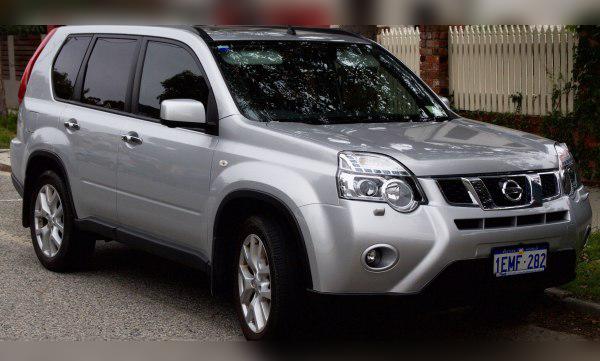
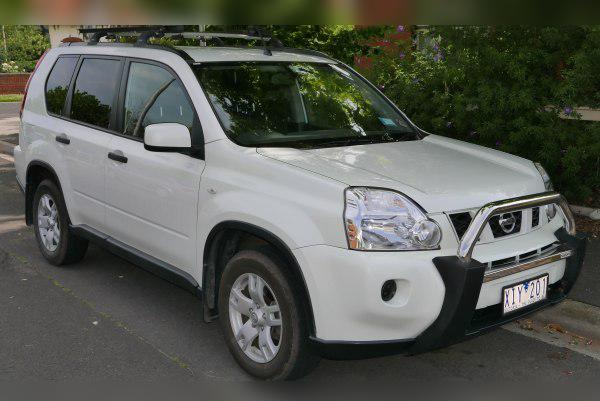
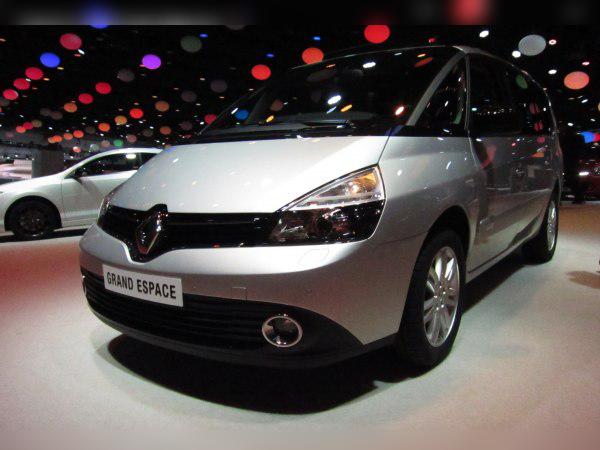
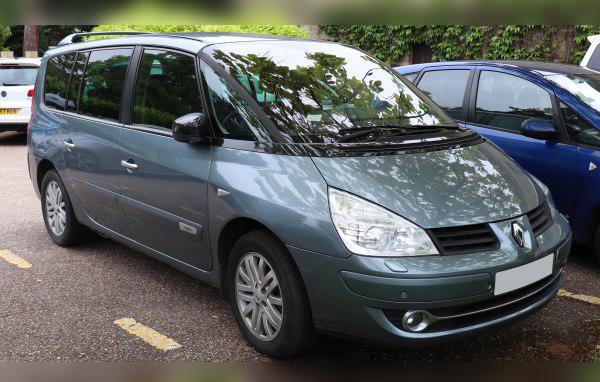
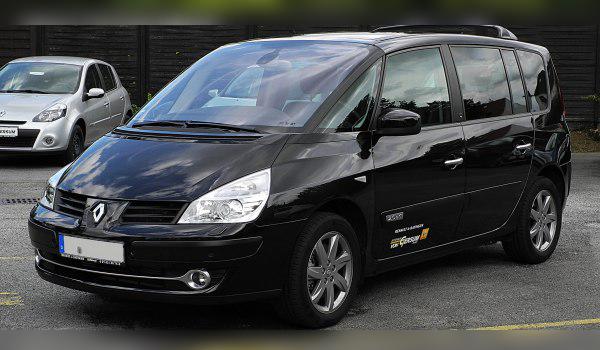
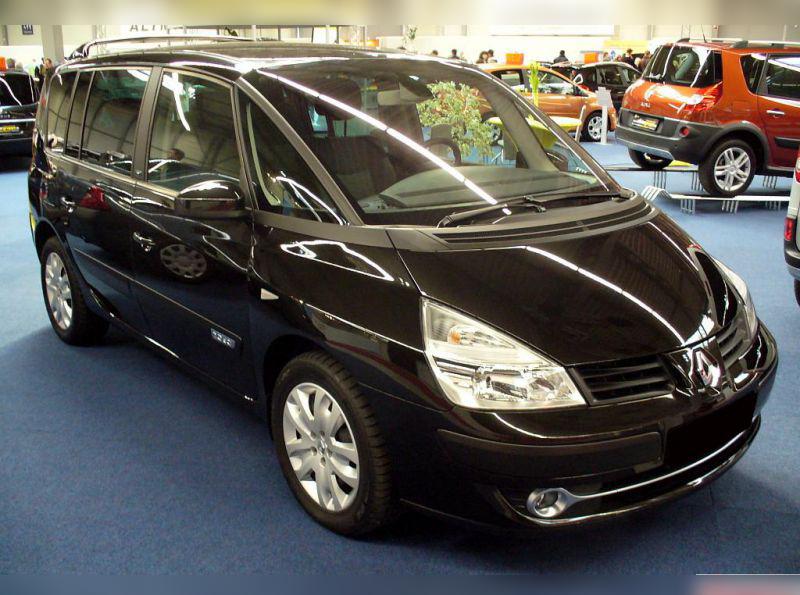
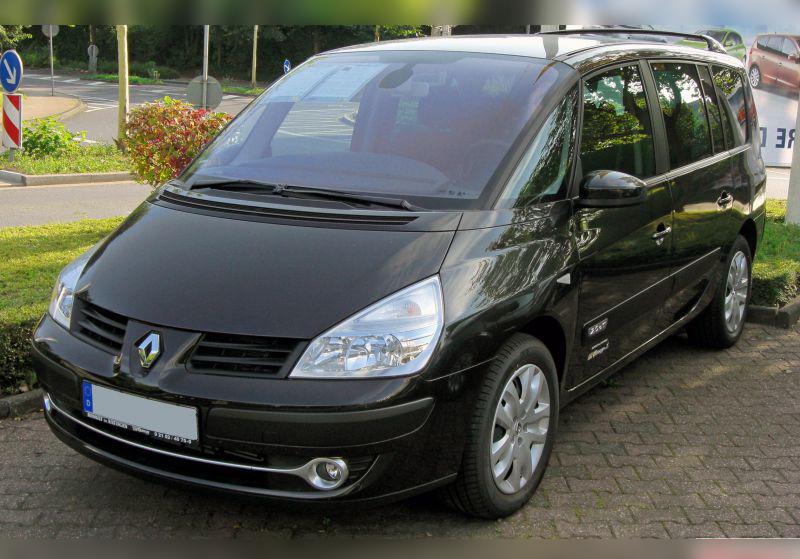
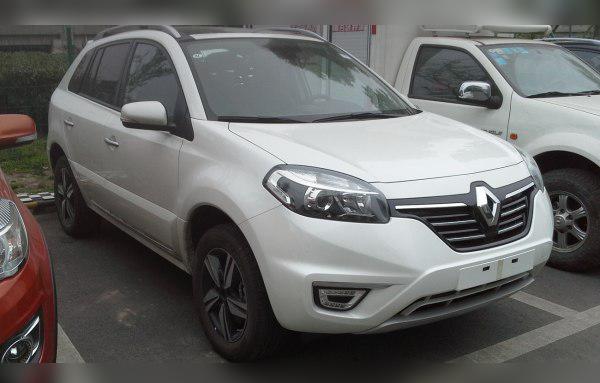
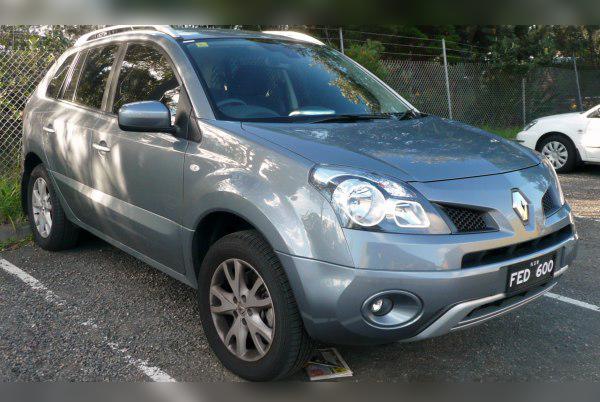
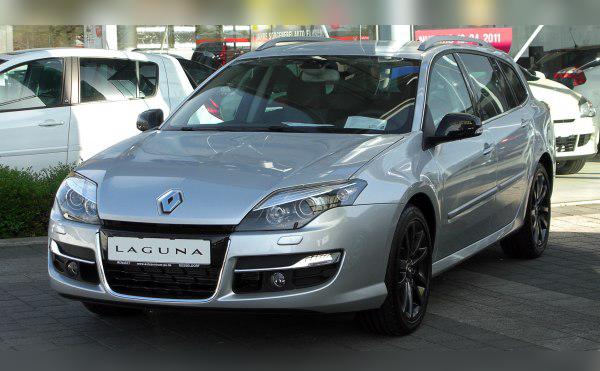
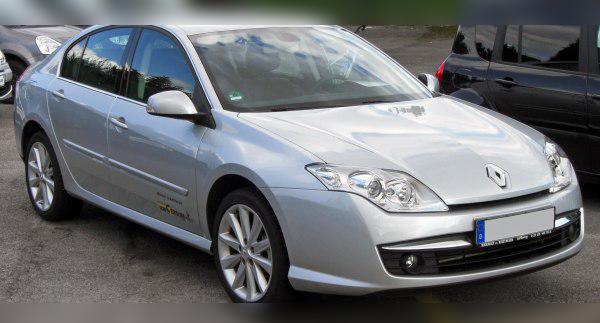
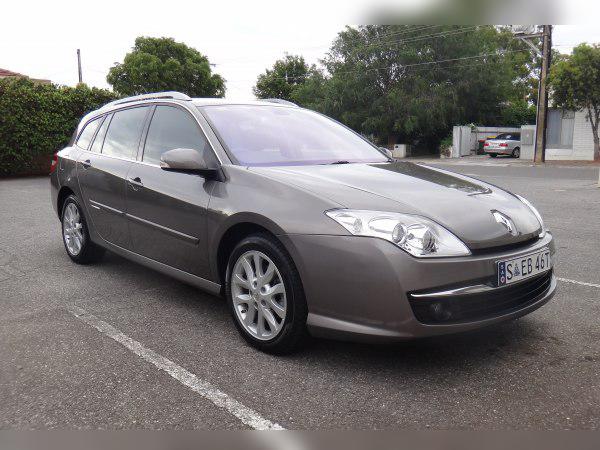
The engine designated as M9R (2.0 dCi) is the result of a strategic cooperation between Renault and Nissan. It was developed to replace the notorious 1.9 dCi and 2.2 dCi units, which had numerous reliability issues. The 127 kW (173 HP) version is among the most powerful iterations of this engine and is mostly reserved for heavier and more luxurious vehicles. Thanks to its generous torque, it was often installed in SUVs such as the Nissan X-Trail (T31) and Renault Koleos, as well as in cruisers like the third-generation Renault Espace and Laguna. Due to its design, this engine has become synonymous with longevity, provided it is properly maintained.
Technical Specifications
| Engine displacement | 1995 cc |
| Engine power | 127 kW (173 HP) |
| Torque | 380 Nm |
| Engine code | M9R |
| Injection type | Common Rail (Piezo injectors) |
| Charging system | Variable-geometry turbocharger, intercooler |
| Fuel type | Diesel |
Reliability and Maintenance
Timing belt or chain?
This engine uses a timing chain instead of a timing belt. In general, the chain is very robust and durable. The classic “major service” in the sense of regular belt replacement at 100,000 km does not exist here. However, in practice the chain is not completely indestructible. At mileages between 200,000 km and 250,000 km it may start to stretch. Symptoms include a clearly audible rattle and metallic clatter during the first cold start of the day, as well as slight fluctuations in engine operation. When these symptoms appear, a complete replacement of the chain set, guides and tensioner is necessary.
Most common failures
The 173 HP M9R is structurally very robust and does not suffer from big-end bearing failures on the crankshaft like its predecessors. Still, owners most often encounter problems with peripheral components: clogging of the EGR valve due to city driving, intercooler hose ruptures, and damage to the crankshaft pulley (which has a rubber vibration damper that weakens over time). The exhaust gas pressure sensor for the DPF filter can also cause problems.
Oil: Quantity, grade and consumption
The M9R engine takes a fairly large amount of oil – usually around 7.4 liters (including the filter). Because of the DPF filter, it is absolutely mandatory to use oil with a Low SAPS specification, and the recommended grade is 5W-30. For Renault/Nissan group vehicles, always look for oil that meets the RN0720 standard. As for oil consumption, engines in good condition consume almost nothing. A loss of up to 0.5 liters per 10,000 km is considered completely normal. If the engine consumes significantly more, the problem is usually not in the piston rings, but rather oil leaking from seals, passing through the oil vapor separator (PCV), or being let through by the turbocharger shaft.
Injector condition
The engine uses sophisticated Piezo injectors (most often Bosch). These injectors operate under extremely high pressure and ensure smooth running and low fuel consumption. However, they are sensitive to poor fuel quality (presence of water or dirt). Their service life is usually over 250,000 km. Failure symptoms include difficult starting, rough idle (shuddering), increased black smoke from the exhaust and loss of power. Due to Piezo technology, refurbishing them is difficult and very few specialists do it with a warranty, so they are most often replaced with new or factory-remanufactured units, which is a major expense (depends on the market).
Specific Parts and Costs
Dual-mass flywheel
Yes, all versions equipped with a manual gearbox have a dual-mass flywheel. Since the engine delivers 380 Nm of torque, the flywheel is subjected to high loads, especially in heavier vehicles such as the Espace or Koleos. Symptoms of wear include knocking when switching off the engine, strong vibrations at idle and juddering when moving off in first gear. A clutch kit with a dual-mass flywheel is expensive (depends on the market).
Turbocharger
The charging system relies on a single variable-geometry turbocharger (VGT). On many versions the turbo is water-cooled, which extends its service life. With regular oil changes every 10,000–15,000 km (and not at 30,000 km as some factory recommendations once stated), the turbo can last as long as the engine itself. Failures are mostly related to the variable-geometry vanes sticking due to soot build-up from city driving.
DPF filter, EGR and AdBlue
All cars with this engine (173 HP) produced after 2007 are equipped with a DPF filter (FAP) and an electronically controlled EGR valve. If the car is driven exclusively in the city (short trips where the engine does not reach its operating temperature of 90°C), DPF regeneration will not be able to complete. This leads to a warning light on the instrument cluster (Check Injection / Anti-pollution fault) and the car entering “safe mode”. As for the AdBlue (SCR) system, this particular engine generation (mostly Euro 4 and Euro 5) does not have it. AdBlue was introduced later with the “Blue dCi” generation, which is good news for buyers as it means one less component that can fail.
Fuel Consumption and Performance
City consumption
Fuel consumption directly depends on the body style. In the lighter Laguna III, city consumption is around 8.5 to 9 liters per 100 km. However, in the massive Renault Espace, Nissan X-Trail (with 4x4 drive) or Koleos, real-world city consumption easily exceeds 10 to 11.5 l/100 km. This is not a light engine and it needs fuel to move 1.6+ ton vehicles through stop-and-go traffic.
On-road performance
The engine is definitely not sluggish. The 380 Nm of torque is available relatively low down (from about 2,000 rpm). Throttle response is excellent for a diesel, and overtaking on country roads is done with ease, even when the car is fully loaded with passengers and luggage.
On the motorway
This is its natural habitat. The engine is excellent for cruising. At 130 km/h in sixth gear, it usually runs at a comfortable 2,200 to 2,400 rpm (depending on the gear ratios of the specific model). Cabin noise is minimal, and motorway fuel consumption drops to a very acceptable 6.5 to 7.5 l/100 km.
Additional Options and Modifications (Tuning)
Given the strong engine block and large turbo, the M9R handles “chipping” extremely well. A safe Stage 1 remap can increase power from 173 HP to around 200 to 205 HP, while torque rises from 380 Nm to an impressive 440 to 450 Nm. The driver will notice a significantly sharper throttle response. However, caution is needed: this extra torque drastically shortens the lifespan of the clutch and dual-mass flywheel, and on models with an automatic gearbox it can lead to overheating of the transmission oil. That’s why, after a remap, it is recommended to apply the throttle gently at low revs.
Gearbox and Drivetrain
Types of gearboxes
The engine was paired with two options: a six-speed manual gearbox (most often the PK4 series) and a conventional six-speed automatic (made by Jatco, code AJ0 – with a torque converter).
Gearbox failures and maintenance
The manual gearbox is generally trouble-free. Failures are usually related only to the aforementioned dual-mass flywheel and the hydraulic release bearing. It is recommended to change the oil in it every 80,000 km, which is not expensive and extends the life of the bearings.
The automatic gearbox (Jatco) is very comfortable and shifts smoothly, but it is not a champion in shift speed. Its Achilles’ heel is the lack of regular servicing. If the oil is not changed regularly, dirt builds up and clogs the valve body (control valves). Symptoms of automatic transmission failure include: jerking when shifting from P to D or R, harsh shifts from second to third gear, or the gearbox slipping on an incline. The automatic gearbox should be serviced and its oil changed every 60,000 km. Repairing the valve body or overhauling the entire automatic transmission is a very expensive intervention (depends on the market).
Buying Used and Conclusion
What to check before buying?
When viewing a used car with this engine, always insist on a completely cold start (the engine must not have been started earlier that day). Listen carefully for chain rattle in the first 2 to 3 seconds of operation. The second step is a diagnostic check: be sure to read the DPF filter saturation level (ash and soot) and the injector correction values. Visually inspect the engine – it is common to see slight oil dampness around the intercooler hoses and around the valve cover. If the car has an automatic gearbox, make sure to test-drive it until the oil is fully warmed up (at least 15 minutes of driving), because the automatic often hides its faults while cold and starts to jerk once it heats up.
Who is this engine for?
The 2.0 dCi M9R (173 HP) engine is intended for drivers who need a car for open-road driving, family trips, and even towing a trailer. Its power reserve, reliability free from serious factory defects and high refinement make it an excellent choice for heavy vehicles. On the other hand, if you live in the city center and drive about 5 kilometers a day from home to work, you should avoid it – the DPF and EGR will give you constant headaches, and the high fuel consumption will seriously impact your household budget.