Renault 2.0 Blue dCi M9R Engine (200 HP): Experiences, Problems, Fuel Consumption and Used Car Buying Tips
Key points in short (TL;DR)
- Timing: Uses a reliable timing chain, not a timing belt.
- Performance: Very powerful unit (200 HP, 400 Nm), easily handles the heavy bodies of the Espace and Talisman models.
- Emissions: Equipped with a DPF filter, EGR valve and AdBlue (SCR) system – requires regular driving on open roads.
- Gearbox: Almost exclusively paired with an EDC dual-clutch automatic gearbox, which requires strict oil change intervals.
- Fuel consumption: Around 7.5 to 9 l/100 km in the city, while it is extremely economical on the motorway.
- Maintenance: More expensive maintenance due to complex exhaust after-treatment systems and sensitive injectors.
Contents
- Introduction: About the engine and models
- Technical specifications
- Reliability and maintenance
- Specific parts and costs
- Fuel consumption and performance
- Additional options and modifications
- Gearbox and drivetrain
- Buying used and conclusion
Introduction: About the engine and models
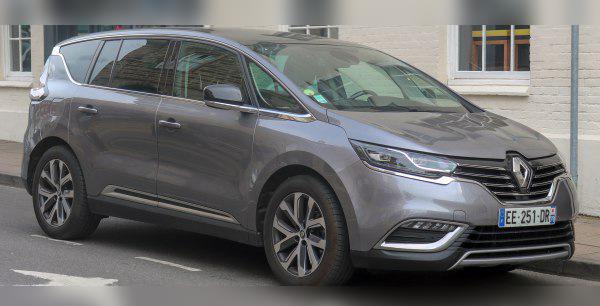
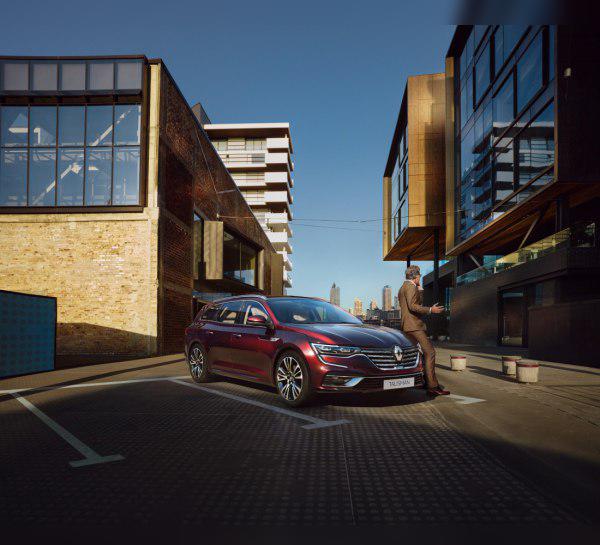
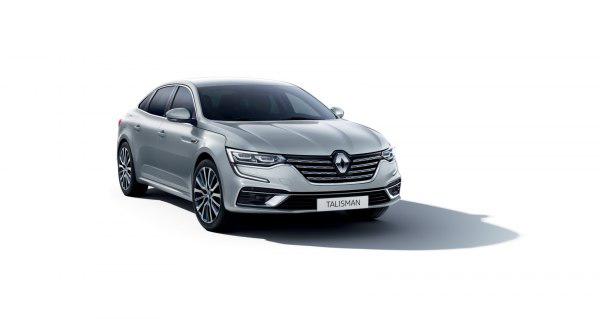
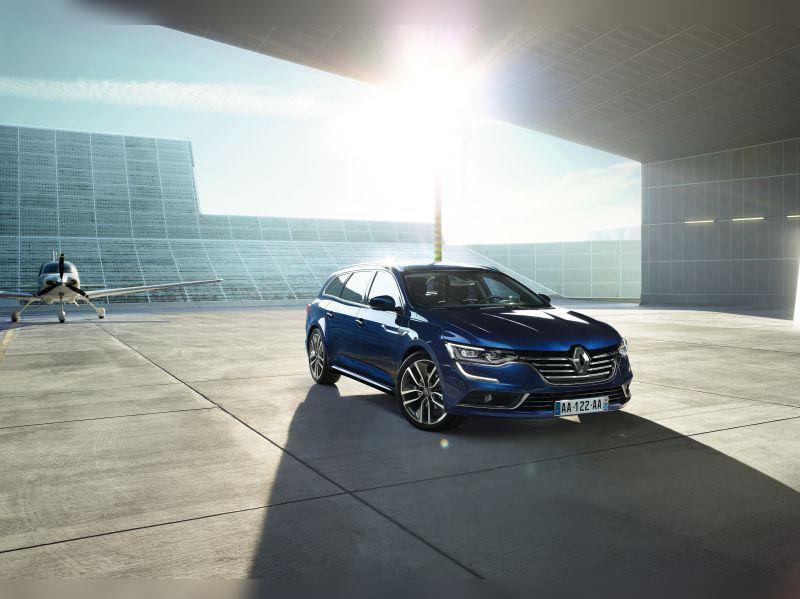
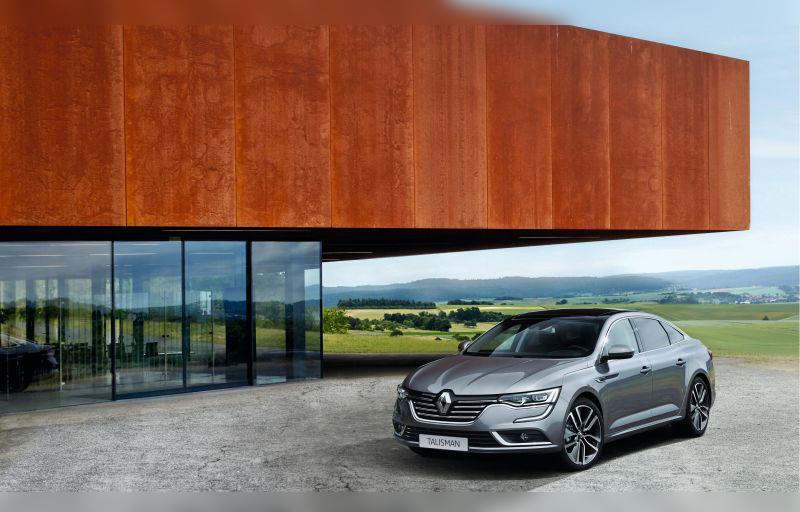
The engine with the code M9R in its latest Blue dCi incarnation represents the very top of Renault’s diesel range. Developed in cooperation with Nissan, this two‑liter unit has gone through numerous revisions to meet strict Euro emission standards. With its 200 HP, it is designed as a serious workhorse for the largest and heaviest models in the lineup, such as the Renault Espace V and Renault Talisman (including the estate and facelifted versions after 2020). Thanks to its huge torque and sophisticated injection system, it offers a driving feel reminiscent of much larger engines, while keeping fuel consumption relatively reasonable.
Technical specifications
| Characteristic | Data |
|---|---|
| Engine displacement | 1997 cc |
| Power | 147 kW (200 HP) |
| Torque | 400 Nm |
| Engine code | M9R (Blue dCi) |
| Injection type | Common Rail (Direct) |
| Charging type | Turbocharger (VGT), Intercooler |
Reliability and maintenance
The base of the M9R engine is known for its exceptional mechanical durability. Unlike some smaller French engines, this block uses a timing chain. The chain is massive and designed to last a very long time, but after around 250,000 km it can stretch slightly, which results in a specific rattling noise on a cold start.
Service intervals and oil
Although the engine has a chain, a so‑called major service is still required in terms of replacing the auxiliary (micro) belt set, tensioners, rollers and water pump. Experienced mechanics recommend replacing this assembly at around 150,000 km or every 5 to 6 years. The lubrication system is quite large – the engine holds about 7.4 liters of oil. Due to the DPF filter, it is absolutely mandatory to use low‑ash (Low‑SAPS) oil, most commonly in 5W‑30 grade that meets the Renault RN17 specification.
As for oil consumption, a completely healthy engine should not require topping up between services. A loss of about 0.3 to 0.5 liters per 10,000 km is considered normal, which mostly evaporates through the turbocharger and crankcase ventilation due to high pressures and DPF regenerations. Oil change intervals should be shortened to 15,000 km or once a year, regardless of what the factory “LongLife” interval states.
Diesel injection system
Fuel injection is handled by an advanced Common Rail system. The injectors are very precise and spray fuel into the cylinders under high pressure. Their service life is generally excellent and they usually cover 200,000 to 250,000 km without issues. However, they are extremely sensitive to fuel quality and contamination. If the injectors start to fail, symptoms include rough engine operation (jerking), black or greyish smoke under hard acceleration and increased fuel consumption.
Specific parts and costs
The biggest challenges with this engine do not lie in the block or crankshaft itself, but in the peripheral emission‑control systems that choke the engine if it is driven exclusively on short trips.
Turbocharger and dual‑mass flywheel
The engine is equipped with a large turbocharger with variable vane geometry. It is very durable, and the vanes rarely get stuck if the car is regularly “blown out” on the motorway. Due to the enormous torque of 400 Nm, the engine naturally uses a dual‑mass flywheel. Its role is to absorb vibrations that the crankshaft transmits to the gearbox. In models such as the Talisman or Espace, replacing the dual‑mass flywheel is very expensive (depends on the market).
DPF, EGR and AdBlue (Blue dCi specifics)
This engine has both a DPF filter and an EGR valve. The EGR valve often gets clogged with soot and can stick open, which results in loss of power and the engine going into “Safe mode”. The DPF filter requires regular regenerations; interrupting the regeneration process quickly clogs it up.
Since this is “Blue dCi” technology, the engine uses AdBlue fluid for the SCR catalyst to reduce NOx emissions. The AdBlue system is also the most problematic part of modern diesels. Problems arise due to crystallization of the fluid in the injector or failure of the pump inside the tank. When this happens, a message appears on the instrument cluster stating that the engine will be blocked after a certain number of kilometers. Replacing the complete tank with the pump is a very expensive solution (depends on the market).
Fuel consumption and performance
Although on paper this is a state‑of‑the‑art diesel, the weight of the Espace V and the long Talisman Estate takes its toll. Real‑world fuel consumption in stop‑and‑go city driving is around 7.5 to 9.0 l/100 km. On the other hand, this engine excels on open roads.
Is the engine “lazy”? Absolutely not. With 400 Nm available already at low revs (from around 1750 rpm), the car pulls strongly, without giving the impression of a heavy body. The natural habitat of this engine is the motorway. At a cruising speed of 130 km/h, the engine spins at a very relaxed ~2100 rpm. Cabin noise is very low at that point, and fuel consumption drops to an excellent 6.0 to 6.5 l/100 km.
Additional options and modifications
For chip tuning enthusiasts, the M9R is a fantastic platform. With a safe Stage 1 remap, power can easily be raised from 200 HP to 230 to 240 HP, while torque jumps to a serious 480 to 500 Nm. However, the key issue when tuning is not the engine (it can handle it without problems), but the automatic gearbox. If the torque limiter is removed unprofessionally, the clutches in the gearbox will burn out quickly.
Gearbox and drivetrain
In the 200 HP version, Renault almost exclusively pairs this engine with the EDC (Efficient Dual Clutch) automatic gearbox, usually in 6‑ or 7‑speed form with wet clutches. A traditional manual gearbox is very rare or completely omitted from the offer for this power level in Talisman and Espace models.
EDC gearbox failures and maintenance
Although the EDC offers fast gear changes, in city driving it can be slightly jerky at low speeds. The most common failures relate to gear selector position sensors and wear of the clutch module itself. If the gearbox jerks when shifting from first to second gear, it is a sign that the clutches are worn out. The cost of replacing the clutch pack in an EDC gearbox is very expensive (depends on the market).
To avoid catastrophic failures, gearbox servicing is mandatory. Oil and filter in the wet‑clutch EDC gearbox must be replaced every 60,000 km. Skipping this service accelerates wear of the mechatronics and friction materials.
Buying used and conclusion
Before you sign a contract for such a car, a thorough inspection is essential. Focus on the following points:
- Cold start: Listen for chain rattle during the first 2–3 seconds of operation. If you hear a metallic noise from the engine area, the chain is due for replacement.
- Diagnostics (AdBlue and DPF): Ask a mechanic to check the level of DPF clogging (differential pressure sensor reading) and scan for faults related to the AdBlue tank pump.
- Gearbox test drive: Accelerate hard and then brake sharply; the EDC gearbox must not bang or hesitate when downshifting.
- Suspension system (4CONTROL): If you are buying a version with the 4CONTROL four‑wheel steering system, check the condition of the links and actuators on the rear axle.
Conclusion: The Renault 2.0 Blue dCi (200 HP) is a top‑class diesel engine designed for “mile‑eaters”. If you plan to drive the car daily in heavy city traffic, skip it – the DPF and AdBlue system will give you headaches and drain your wallet. On the other hand, if you need a car for long business trips or family holidays on the motorway, this engine offers an excellent balance of flexibility, power and comfort, making it one of the best choices in its class.