Renault 2.3 dCi (M9T) 110 HP: Experiences, issues, fuel consumption and used-buying tips
- Reliability: The engine uses a timing chain instead of a belt. It is generally robust, but requires regular maintenance.
- Purpose: With 110 HP and 285 Nm, it is ideal for city deliveries and lighter loads (L1H1/L2H2). It is too weak for heavy loads and constant motorway driving.
- Eco systems: The DPF, EGR and AdBlue systems cause the most headaches if the vehicle is not regularly driven on open roads.
- Gearbox: The six-speed manual gearbox (PF6) is sensitive to bearing wear – a thorough check is mandatory before purchase.
- Maintenance: It holds a large amount of oil (around 8 liters), which makes minor services more expensive, but protects the engine from overheating.
- Remapping: It handles a Stage 1 remap very well, which drastically improves performance and reduces the feeling of “laziness”.
Contents
- Introduction: About the M9T engine
- Technical specifications
- Reliability and maintenance
- Specific parts and costs
- Fuel consumption and performance
- Additional options and modifications
- Gearbox and drivetrain
- Buying used and conclusion
Introduction: About the M9T engine
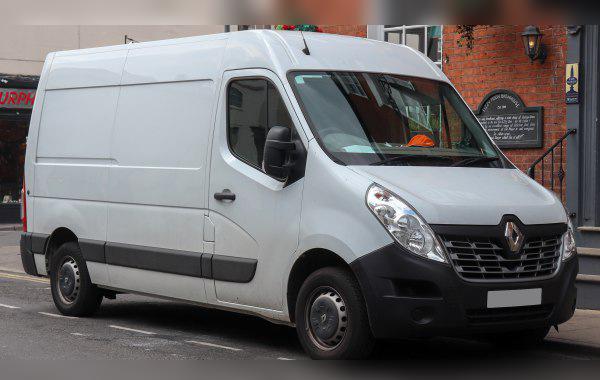
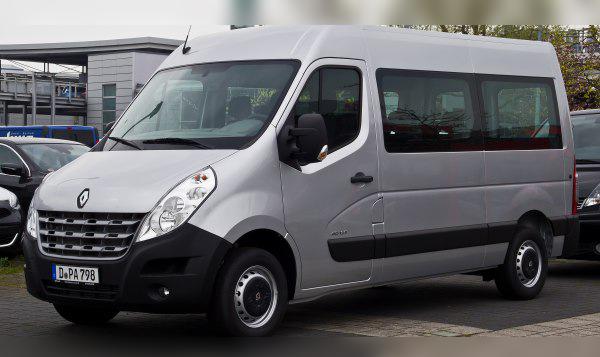
When talking about commercial vehicles on the European market, the third-generation Renault Master (especially Phase II models from 2014 onwards) is the backbone of many fleets. The heart of this workhorse is the 2.3 dCi engine designated M9T, developed in cooperation with Nissan. This block replaced the older and more problematic 2.5 dCi, bringing better fuel economy and smoother operation. The 81 kW (110 HP) version is the entry-level option. Due to its lower power output, it is most often found in passenger Combi versions, Crew Van models or smaller panel vans (L1H1 to L2H2), where the load is not at the maximum. Although it is no racer, this engine has proven to be extremely durable, provided you understand its specific weak points and address them in time.
Technical specifications
| Parameter | Data |
|---|---|
| Engine displacement | 2298 cc |
| Power | 81 kW (110 HP) |
| Torque | 285 Nm |
| Engine code | M9T (with various suffixes depending on Euro standard) |
| Injection type | Common Rail (Direct injection) |
| Charging system | Turbocharger (single turbo), intercooler |
Reliability and maintenance
Timing system: Chain instead of belt
This engine uses a timing chain. In theory, the chain should last as long as the engine itself, but in practice this is not the case with heavy commercial vehicles. Chain replacement (which is effectively the major service) is done preventively at around 250,000 to 300,000 km. The cause of chain stretch is usually infrequent oil changes or hard driving with a cold engine. Symptoms the driver may notice include a sharp, metallic rattling noise on cold start that quiets down as the engine reaches operating temperature (when oil pressure tensions the chain guides and tensioners). If the chain stretches too far, you risk timing jumping and catastrophic contact between valves and pistons.
Most common failures
Besides chain stretch at high mileage, M9T engines mostly suffer from issues related to emissions equipment. The main culprits are clogged EGR valves and DPF filters caused by stop-and-go city driving. Cracked intercooler hoses are also common, which leads to loss of power and black smoke from the exhaust (a whistling noise under the bonnet is a clear symptom). Exhaust gas pressure sensors also tend to fail, putting the engine into limp mode (a protective mode with reduced power).
Oil: Capacity and consumption
One of the specific features of the 2.3 dCi engine is its large oil sump. It takes exactly 8 liters of oil. Only fully synthetic oil of grade 5W-30 that meets the RN0720 standard is recommended (mandatory because of the DPF filter). An oil service should be done every 15,000 to 20,000 km at most, regardless of what the factory manual says (which sometimes unrealistically recommends 40,000 km). As for oil consumption, working engines under load normally use about 0.3 to 0.5 liters per 10,000 km. Anything over 1 liter per 10,000 km indicates a problem – most often worn piston rings or oil leaking past the turbocharger bearings, which you will notice as bluish smoke from the exhaust when you press the accelerator.
Injectors
The Common Rail system uses piezoelectric injectors. Their typical lifespan is around 200,000 to 250,000 km. They are very sensitive to poor diesel quality and the presence of water in the system. The most common causes of failure are wear of internal components and clogging of the micro-orifices. Symptoms the driver will notice include rough idle, increased vibrations, “knocking” (clicking) under acceleration, loss of performance and increased fuel consumption, along with white or grey smoke on cold start.
Specific parts and costs
Injection system and turbocharger
Replacing or overhauling the injectors and high-pressure pump falls into the category: expensive (depends on the market). Unlike the more powerful versions (135+ HP) that use bi-turbo systems, this 110 HP model has a single turbocharger with variable geometry. The turbo is reliable and, with regular oil and air filter changes, can easily exceed 300,000 km. If the oil is not changed regularly, the oil passages clog, the bearings lose lubrication and the turbo either fails mechanically or starts pushing oil into the intake.
EGR, DPF and AdBlue systems
All three systems are present (AdBlue depends on the exact year and Euro standard, but Phase II models from late 2014 onwards mostly have it). The EGR valve inevitably gets clogged with soot if the van is driven exclusively in the city. Symptoms are jerking at low revs and a warning light on the instrument cluster. The DPF filter requires regeneration; if this process is constantly interrupted by switching off the engine in city traffic, the filter will become permanently clogged. The AdBlue system is a story of its own. The pump module located inside the AdBlue tank is prone to failure, most often due to crystallization of the fluid caused by temperature changes or poor design. The symptom is the infamous emissions fault and a countdown of remaining kilometers until the ECU prevents the engine from starting. Repairing this system is very expensive (depends on the market) and usually involves replacing the entire tank with the pump module.
Fuel consumption and performance
City and open-road driving
Real-world fuel consumption in city driving for an empty or partially loaded van is between 9.0 and 11.0 l/100 km. Is this engine “lazy”? To be completely honest – yes, it is, if you put it in the largest L3H3 body and load it to maximum capacity. With only 110 HP and 285 Nm of torque, you will often have to reach for the gear lever when starting uphill or overtaking. However, for light loads (e.g. bakery deliveries, parcel delivery) in L1H1 or L2H2 variants, the engine behaves perfectly acceptably.
Behaviour on the motorway
On the motorway, this engine is not in its natural environment. Due to the relatively short gearbox ratios, at 130 km/h the engine spins at a fairly high 2700 - 3000 rpm (depending on the exact gearbox version). Because of this, cabin noise becomes tiring and fuel consumption climbs well above 11 l/100 km. The optimal cruising speed for this model is around 100 to 110 km/h.
Additional options and modifications
Remapping (Stage 1)
This is one of the best investments for the 110 HP M9T engine. Since this block is mechanically almost identical to the 125 and 130 HP versions (they share the same crankshaft, pistons and block), the engine has a huge mechanical reserve. A safe Stage 1 remap on a reputable dyno can raise power to around 140 to 150 HP, and torque from 285 Nm to a serious 340 to 360 Nm. The driver will feel this as a complete transformation of the vehicle – the van becomes much livelier at low revs, pulls loads more easily and overtakes more safely, without compromising the durability of the engine or turbocharger.
Gearbox and drivetrain
Types of gearboxes and common failures
This engine is most commonly paired with a six-speed manual gearbox (code PF6). In passenger (Combi) versions you can sometimes find an automated manual gearbox (Quickshift), but it is best avoided due to slow gear changes and frequent failures of the hydraulic robot (actuator).
The PF6 manual gearbox has one major flaw: gearshaft bearings. If the van is driven in 5th or 6th gear at very low revs (below 1500 rpm) under heavy load, extreme vibrations occur that destroy the gearbox bearings. The symptom of failure is a distinct humming or whining noise (similar to a trolleybus) in certain gears. Preventive maintenance means changing the gearbox oil every 60,000 to 80,000 km (it takes about 2.7 liters of the appropriate Tranself oil), even though the manufacturer does not always list this as mandatory.
Clutch and dual-mass flywheel
To reduce vibrations from the strong diesel engine and protect the already mentioned sensitive gearbox, this model uses a dual-mass flywheel. The typical lifespan of the clutch and flywheel set is between 150,000 and 200,000 km, depending on the share of city driving. Symptoms of wear include a heavy clutch pedal, judder when moving off, and a dull knock (“clunk”) when switching off the engine. Replacing the complete set with the flywheel is very expensive (depends on the market), but necessary to protect the crankshaft and gearbox.
Buying used and conclusion
What to look out for when buying?
Buying a used Master with this engine requires a cool head and a good mechanic. Be sure to check the following:
- Cold start: Listen for any rattling from the timing chain immediately after starting.
- Test drive (gearbox): Put it in 5th and 6th gear at 70–80 km/h and accelerate. If you hear a humming or whining noise, the gearbox bearings need replacing.
- Exhaust and diagnostics: Wipe the inside of the exhaust with your finger. If it is full of greasy black soot, the DPF has been removed, disabled or is permanently damaged. Always connect a diagnostic tool and check the DPF saturation level as well as pressure in the AdBlue system.
- Visual leak inspection: Check the area around the timing cover and oil pan, as the sealant tends to deteriorate over time, making the engine oily underneath. Also check for oil around the intercooler hoses.
Conclusion
The Renault 2.3 dCi (M9T) with 110 HP is an extremely tough and reliable unit, provided you understand what it is designed for. This is not a machine for hammering down the motorway with a ton and a half of cargo, but a calm workhorse ideal for intercity and city deliveries, passenger transport or lighter tradesmen’s equipment. The biggest enemies of this engine are poor gearbox maintenance, ignoring timing chain symptoms and stop-and-go driving that kills the EGR and DPF. If you find an example with a proper service history (where the oil was changed more frequently than the factory interval) and do a mild Stage 1 remap, you will get a reliable partner that will easily earn its keep and cover serious mileage.