Renault Master 2.3 dCi M9T (145 HP): Experiences, problems, fuel consumption and used-buying tips
Key points (TL;DR)
- Reliable and durable: The M9T engine is designed for heavy commercial vehicles, uses a timing chain and is significantly more robust than the older 2.2 and 2.5 dCi units.
- Twin-Turbo system: Provides excellent low‑rev elasticity and eliminates turbo lag, but it also doubles potential turbocharger service costs.
- Expensive peripheral maintenance: The engine has a dual mass flywheel, a sensitive DPF filter and a complex AdBlue system on newer Euro 6 versions.
- Oil‑service interval misconception: The factory oil‑change interval is unrealistically long; it should definitely be halved to 15,000 km to protect the chain and turbos.
- Gearbox needs attention: The 6‑speed manual is more reliable than the robotised automatic, but it requires regular oil changes to preserve the bearings.
- Excellent for towing: With 340 Nm of torque, this engine is not “lazy” even in the largest and heaviest body styles (L4H3).
Contents
- Introduction: A long‑distance workhorse
- Technical specifications
- Reliability and maintenance
- Specific parts and potential costs
- Fuel consumption and performance
- Additional options and modifications (chiptuning)
- Gearboxes and drivetrain
- Buying used and conclusion
Introduction: A long‑distance workhorse
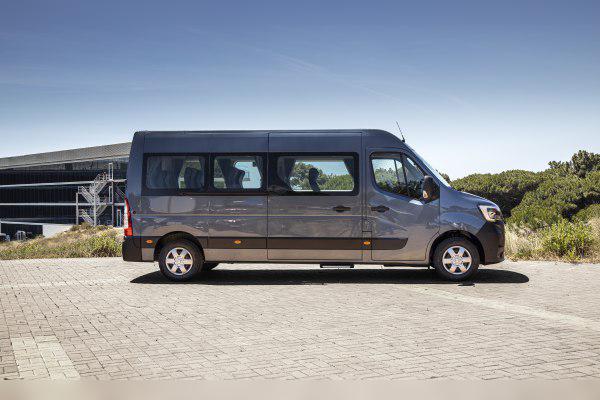
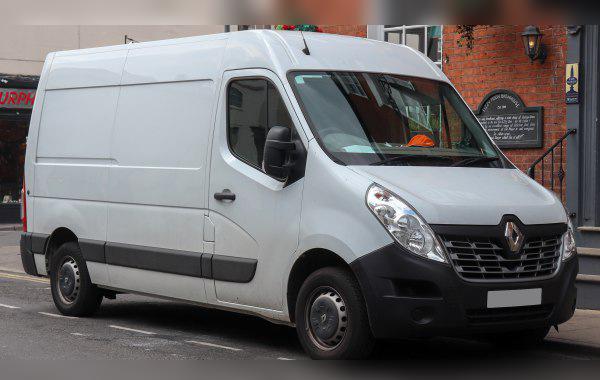
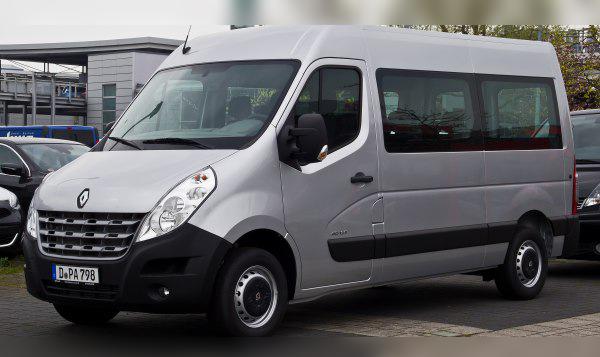
The 2.3 dCi engine with the internal code M9T is the true backbone of light commercial vehicles from the Renault‑Nissan alliance. The specific 106.6 kW (145 HP) version stands out because it uses an advanced Twin‑Turbo charging system, which differentiates it from the basic single‑turbo variants. It was widely installed in the Renault Master III (Phase II and Phase III) in virtually all body configurations – from short and low (L1H1) panel vans, through passenger minibuses, all the way to huge L4H3 vans with over one tonne payload. Due to its design, this engine has to withstand huge loads, frequent changes in driving conditions and very high mileage, which makes it crucial to understand its strengths and hidden weaknesses.
Technical specifications
| Specification | Data |
|---|---|
| Engine displacement | 2298 cc (2.3 L) |
| Power | 106.6 kW (145 HP) |
| Torque | 340 Nm |
| Engine code | M9T (several sub‑versions depending on model year and Euro standard) |
| Injection type | Common Rail (direct injection) |
| Charging type | Twin‑Turbo with intercooler |
| Camshaft drive | Timing chain |
Reliability and maintenance
Timing system: Chain instead of belt
Unlike older Renault engines, the M9T uses a timing chain. This is good news because there is no timing belt, which in theory reduces maintenance costs. However, in practice, the chain is not eternal. The so‑called major service is not done at a fixed interval (as with belts, e.g. at 100,000 km), but when symptoms appear. At high mileage (usually between 250,000 and 350,000 km) the chain stretches and the plastic guides wear out. The symptom the driver may notice is rattling and a metallic noise from the engine area during a cold start (until the oil pump builds up pressure). If this is ignored, the chain can jump a tooth, leading to a catastrophic collision between pistons and valves.
Lubrication system: The heart of longevity
This engine holds around 8 litres of oil (a 9‑litre package is often bought for the service and topping up). Only fully synthetic 5W‑30 oil that meets the RN0720 standard is recommended. This standard is crucial because of the DPF (Low SAPS oil). One of the biggest issues with this engine is the unrealistically long factory oil‑change interval, which in some countries went up to 40,000 km. To protect the chain and turbos, you must change the oil every 15,000 to 20,000 km at most. A healthy M9T engine almost does not consume oil between services. Consumption of about 0.3 to 0.5 litres per 10,000 km is considered completely normal, but if the engine is “drinking” oil, the problem usually lies in worn piston rings or (more often) oil leaking past the turbocharger seals.
Injector lifespan and the most common failures
The injection system is reliable, and the injectors are designed for commercial use and often easily exceed 250,000 km. However, they are very sensitive to poor‑quality diesel. Symptoms of worn injectors include rough idle (the engine “stumbles”), black smoke under hard acceleration and loss of power. The most common failures on this engine are actually not mechanical issues with the block or head, but problems with peripherals: vacuum hoses that control the Twin‑Turbo system tend to crack (the engine then goes into limp mode or safe mode), and the EGR valve often sticks due to soot build‑up, especially if the van is driven mostly in the city on short trips.
Specific parts and potential costs
Clutch and power transfer
Given the high torque of 340 Nm and the heavy vehicle weight under load, this engine uses a dual mass flywheel (DMF). Its lifespan directly depends on driving style (lugging the engine at very low revs and sudden hard acceleration will destroy it). Symptoms of failure include strong vibrations in the clutch pedal, knocking when switching the engine off and juddering when pulling away from a standstill. Replacing the complete clutch kit with the dual mass flywheel and hydraulic release bearing falls into the category of very expensive (depends on the market).
Twin‑Turbo system
The engine has two turbochargers. The smaller turbo works at low revs to avoid turbo lag, providing an immediate throttle response. At higher revs, the larger turbo kicks in to maintain power and speed. This solution gives the engine wonderful elasticity reminiscent of passenger cars. However, their lifespan heavily depends on regular oil changes and proper cool‑down after hard driving. If one turbo fails (due to poor lubrication or worn bearings), in most cases both need to be rebuilt or replaced, along with cleaning the entire intake system and intercooler, which is expensive (depends on the market).
Emissions: DPF, EGR and AdBlue
This model is equipped with both a DPF filter and an EGR valve. Both components are very prone to clogging if the vehicle is not regularly driven on open roads where the high temperatures required for regeneration are reached. A clogged DPF raises the oil level in the sump (fuel mixing with oil), which accelerates engine wear.
Depending on the exact model year and Euro standard (especially Euro 6 Phase III and newer), this engine is also fitted with an AdBlue (SCR) system. The AdBlue system causes serious headaches for owners. The most common problems are crystallisation of the fluid in the pump and dosing injector, as well as failure of NOx sensors and heaters in the AdBlue tank itself. The symptom is a warning light on the instrument cluster and a countdown of remaining kilometres until the electronics prevent the engine from starting. Repairs often involve replacing the complete tank with pump, which is very expensive (depends on the market). Proper maintenance requires using only fresh AdBlue fluid and, as many mechanics recommend, additives that prevent crystallisation.
Fuel consumption and performance
Consumption and driving dynamics
Although the Master is a large vehicle, 145 HP and 340 Nm are more than enough to keep the engine from feeling “sluggish”, even in long and tall versions (L3H3 or L4H3). The Twin‑Turbo plays a key role because maximum torque is delivered at around 1,500 rpm. An unladen van pulls quite aggressively, and under load it remains confident on inclines.
Real‑world fuel consumption depends on body aerodynamics and load:
- City driving (stop‑and‑go): Typically between 9.5 and 12 l/100 km. Vehicle weight and frequent starts from standstill take their toll.
- Motorway driving: Vans have the aerodynamics of a brick. That’s why speed is crucial. At about 100–110 km/h, consumption is around 8–9 l/100 km. However, at cruising speeds of 130 km/h, consumption rises sharply to 11–13 l/100 km (especially with H2 and H3 roofs).
On the motorway, at 130 km/h in 6th gear, the engine spins at a comfortable 2,500–2,700 rpm (the exact figure may vary depending on the final drive ratio, which on commercial vehicles is chosen by the customer when ordering).
Additional options and modifications (chiptuning)
Since this is a diesel engine, LPG conversion is neither technically justified nor common practice in the light‑vehicle segment (although dual‑fuel systems exist for heavy trucks, they are not an option for the Master).
When it comes to chiptuning (Stage 1), the 145 HP M9T is an excellent base. The manufacturer designed this block to withstand heavy loads, and there are factory versions of this same Twin‑Turbo engine with 165 HP and 170 HP. Because of that, this engine can safely be tuned to around 170–180 HP and torque increased to about 390–410 Nm without compromising the durability of the crankshaft, pistons or turbos. Naturally, this assumes the engine is mechanically sound, and you should keep in mind that higher torque shortens the lifespan of the dual mass flywheel.
Gearboxes and drivetrain
This engine and model come with two gearbox options:
- 6‑speed manual gearbox (most often PF6 series): This is by far the better and more popular option. It is very well matched to the engine, but has one well‑known weakness – the gearbox bearings fail if the oil is never changed. Symptoms include whining or humming while driving (especially in 5th and 6th gear). The gearbox oil should be changed every 60,000 to 80,000 km (around 2.7 litres of the correct transmission oil).
- Robotised automatic gearbox (Quickshift): Basically, it is the same manual gearbox with an electro‑hydraulic robot (actuator) bolted on, which shifts gears instead of the driver. Gear changes are rather slow and jerky. The most common failures involve sensor faults, hydraulic leaks or pump failure in the robot. Repairs are complex and expensive (depends on the market), so buying a used van with this gearbox is best avoided whenever possible.
Buying used and conclusion
What you must check before buying
When buying a Renault Master with the 2.3 dCi (145 HP) engine, focus on the following points:
- Cold start: Listen to the engine during the first start in the morning. If you hear a sharp metallic rattle for the first few seconds, the timing chain is stretched and due for replacement.
- On‑road test: Accelerate hard in 3rd or 4th gear from low revs. The engine should pull linearly and strongly. Any kind of hesitation, “stumbling” or delay (turbo lag) points to problems with vacuum lines, turbo control valves or a dirty EGR valve.
- Blue or black smoke: Blue smoke indicates oil consumption (turbos near the end of their life), while black smoke suggests bad injectors or a clogged DPF filter.
- Diagnostic check: Always take it to a mechanic for a professional diagnostic scan. Check DPF saturation (in percent), injector correction values and the fault history of the AdBlue system.
Conclusion
The M9T 2.3 dCi 145 HP Twin‑Turbo is a fantastic workhorse and probably one of the best engines in its light commercial vehicle class at the moment. It is intended for drivers and companies that cover high mileage on open roads, where this engine truly shines with its elasticity and power. However, it does not tolerate neglect. If you plan to run it on poor‑quality fuel, skip oil changes or use it primarily as a city delivery van in constant stop‑and‑go traffic, you will very quickly be faced with expensive failures of the DPF, turbochargers and AdBlue system.