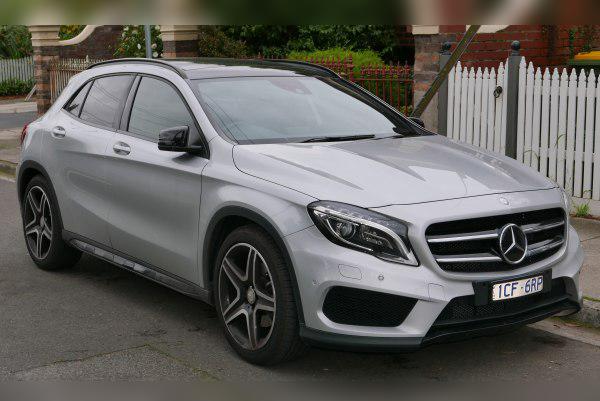
Mercedes OM 607.951 (1.5 dCi) 109 HP: Experiences, problems, fuel consumption and used car buying guide
Key points (TL;DR)
- Engine origin: This is essentially the well-proven Renault 1.5 dCi (K9K) engine, but heavily modified by Mercedes for greater refinement.
- Fuel consumption: Extremely low; in city driving it’s around 5.5 to 6.5 l/100 km, while on the open road it can drop below 4.5 liters.
- Timing drive: Uses a timing belt, which means a mandatory and regular major service.
- Gearbox (7G-DCT): The dual-clutch automatic gearbox is fantastic, but requires strict oil changes every 60,000 km, otherwise expensive failures follow.
- City driving: The Achilles’ heel of this engine are the DPF filter and EGR valve, which clog quickly if the car never sees the motorway.
- Performance: Agile in city driving, but can feel “lazy” in heavier bodies (GLA or a fully loaded CLA) on the motorway at higher speeds.
- Recommendation: An excellent choice for drivers who want a premium feel with minimal fuel costs, provided the maintenance history is clean.
Contents
- Introduction: More than a regular dCi engine
- Technical specifications
- Reliability and maintenance
- Specific parts and costs
- Fuel consumption and performance
- Additional options and modifications
- Gearbox: Manual and 7G-DCT
- Buying used and conclusion
Introduction: More than a regular dCi engine
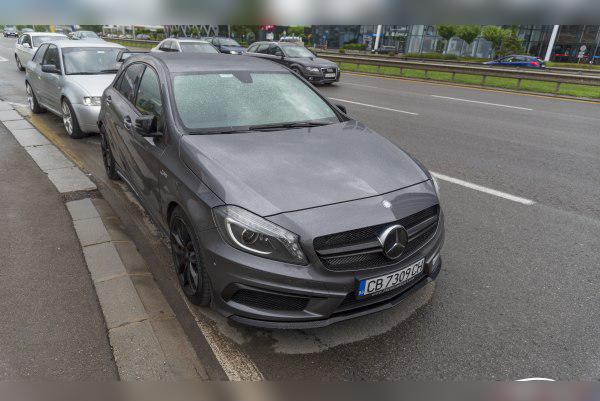
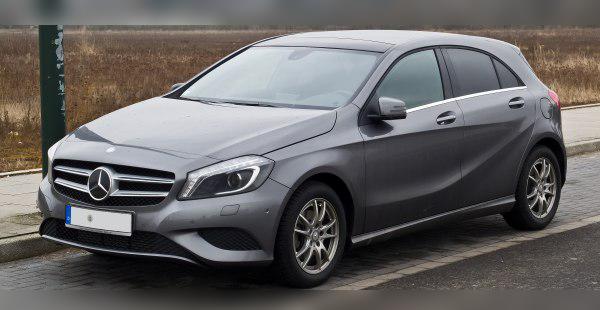
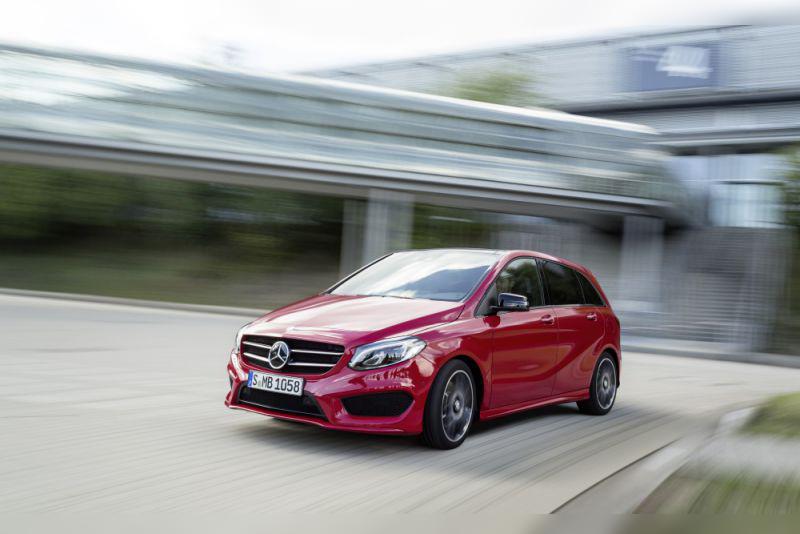
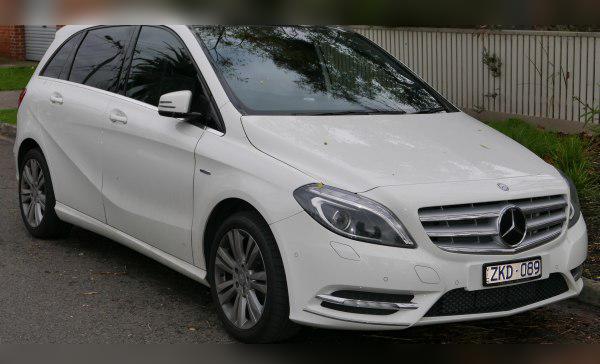
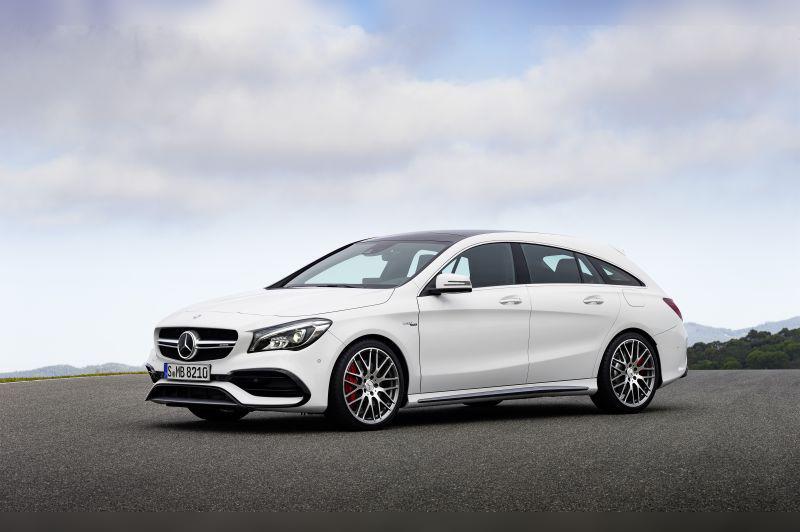
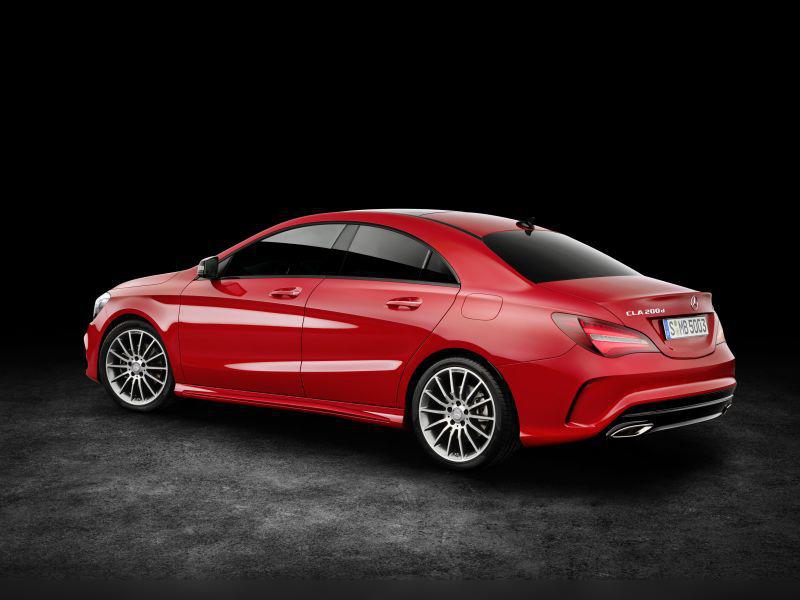
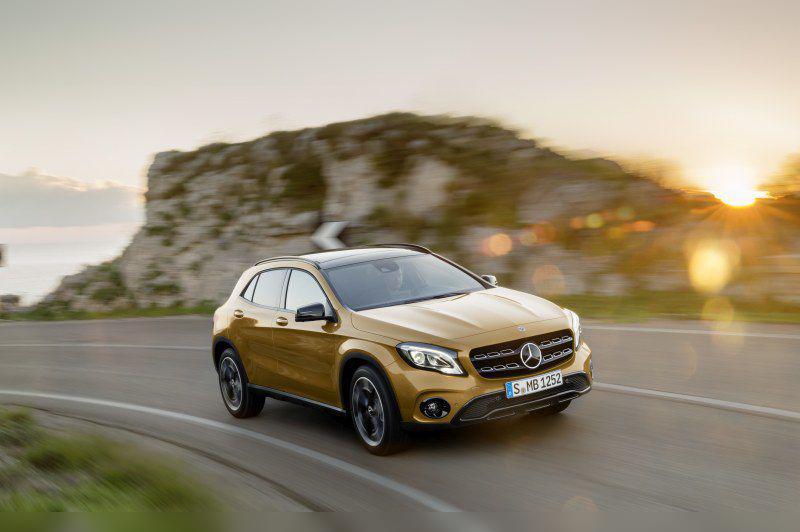
When Mercedes started installing the OM 607.951 engine in its compact range (A-Class W176, B-Class W246, CLA C117/X117 and GLA X156), the automotive world was divided. The reason? The base of this engine is the well-known Renault 1.5 dCi unit (K9K). However, as a technical editor, I have to break the prejudice: this is not an engine that the Germans just threw under the hood and slapped a star on. Mercedes changed the engine mounts, alternator, starter motor, A/C compressor and, most importantly, implemented its own engine management software (ECU). The result is an extremely smooth operation, with far fewer vibrations in the cabin compared to its French relatives, while retaining the legendary fuel economy.
Technical specifications
| Engine code | OM 607.951 |
| Displacement | 1461 cc |
| Power | 80 kW (109 HP) |
| Torque | 260 Nm |
| Injection type | Common Rail (direct injection) |
| Aspiration | Turbocharger with variable geometry (VGT), intercooler |
Reliability and maintenance
Timing belt or chain? Unlike larger Mercedes diesels, the OM 607 uses a timing belt. This is not a drawback, but a design feature. The belt ensures quieter operation, but requires regular replacement.
Major service: It is recommended to perform a major service (replacement of timing belt, tensioner, idler pulleys and water pump) at intervals of 100,000 to 120,000 km or every 5 years. Ignoring this interval can lead to belt failure, which causes a catastrophic collision of pistons and valves, after which the engine is often uneconomical to repair.
Most common failures: The engine’s mechanical components themselves (block, crankshaft, pistons) are extremely robust. Problems that occur are mostly related to peripheral components. Due to strict emissions regulations, the EGR valve often gets clogged with soot, especially if the car is driven on short city trips. Symptoms include jerking under acceleration and loss of power. Coolant leaks from the thermostat housing also occur, which the driver may notice by a sweet smell of antifreeze under the hood and a dropping coolant level in the expansion tank.
Engine oil: This engine takes about 4.5 liters of oil. It is necessary to use synthetic oil of 5W-30 grade that meets Mercedes specification MB 229.51 (Low-SAPS oil intended for engines with a DPF filter). As for oil consumption, the OM 607 is excellent. Between two services (at 10,000 - 15,000 km), consumption of 0.2 to 0.5 liters is considered completely normal and is no cause for concern.
Injectors: The injection system is Common Rail. In these later iterations, the injectors have proven to be extremely reliable (unlike the early series of dCi engines from the early 2000s). They can easily last over 200,000 to 250,000 km. When they start to fail, the driver will notice rough and loud (“knocking”) engine operation on cold start, increased black or grey smoke from the exhaust, and of course, difficult starting.
Specific parts and costs
Dual-mass flywheel: Yes, this engine has a dual-mass flywheel, regardless of whether it is paired with a manual or automatic (DCT) gearbox. Its role is to dampen diesel engine vibrations in order to protect the gearbox and crankshaft. The cost of replacing the clutch kit and dual-mass flywheel is high (depends on the market), as the premium badge also brings somewhat higher parts prices compared to models from the mass segment.
Turbocharger: The engine is equipped with a single turbocharger with variable geometry (VGT). Its service life is very solid. If you change the oil regularly (every max 15,000 km) and do not switch off a hot engine immediately after motorway driving, the turbo will last more than 200,000 km. If the turbo fails, symptoms include whistling under load, blue smoke from the exhaust (oil burning) and a dramatic loss of power.
DPF filter and EGR valve: The model has both. The DPF filter (diesel particulate filter) can be problematic for drivers who use the car exclusively for stop-and-go city traffic from one traffic light to another. If the engine does not reach its operating temperature of 90°C and does not get onto an open road to perform regeneration, the DPF will clog. Then the car enters “limp mode” (safety mode), limits revs and turns on the yellow engine warning light. EGR cleaning should be treated as part of regular maintenance.
AdBlue system: Does the OM 607.951 have AdBlue? It depends / It cannot be said 100% without the engine code and model year. Earlier models (Euro 5 and some Euro 6b versions) do not have a selective catalytic reduction (SCR) system, which is great news for owners because it’s one less thing to worry about. However, later iterations towards the end of these models’ production do have AdBlue. If your car has it, the system can cause problems with the pump in the tank itself or the fluid heater, which triggers a fault light and counts down the kilometers until the car can no longer be started. Replacement of the module can be very expensive (depends on the market).
Fuel consumption and performance
Fuel consumption: The strongest asset of this engine. Real-world consumption in heavy city traffic rarely exceeds 6.0 to 6.5 l/100 km. On country roads at 80 km/h, this car sips fuel like a lighter – around 4.0 liters.
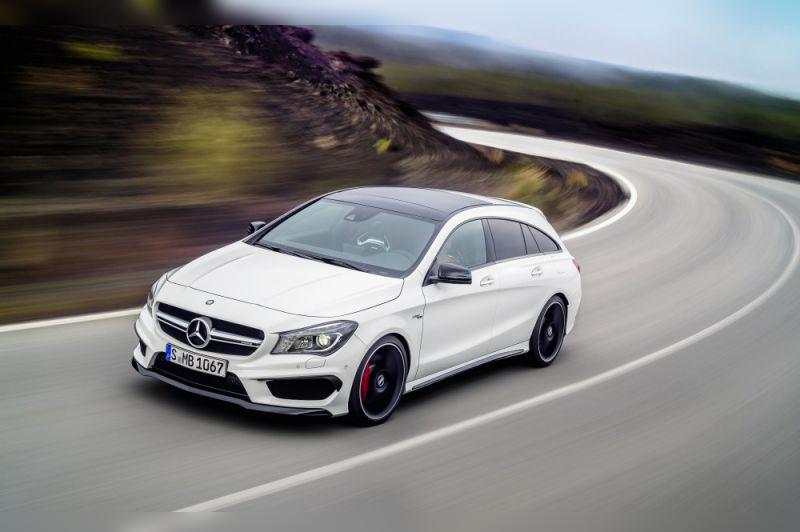
Weight and driving feel: With 109 HP and 260 Nm of torque, the engine is perfectly adequate for the A-Class (W176) and B-Class (W246). In city driving it is very lively because maximum torque is available already at low revs. But is it “lazy”? If you drive this engine in a heavier model such as the GLA (X156) or a CLA Shooting Brake loaded with luggage and four passengers, you will feel a lack of power when overtaking on country roads. That’s where the laws of physics take their toll.
On the motorway: At 130 km/h, the engine cruises very calmly, usually in the range of 2,200 to 2,500 rpm in seventh gear (with the DCT) or sixth with the manual. Sound insulation in the Mercedes is excellent, so the engine is barely audible. However, acceleration from 130 km/h upwards requires quite a bit of time and patience.
Additional options and modifications
Chip tuning (Stage 1): Since the mechanics of the K9K block are known to be durable, this engine responds very well to “chipping”. Proper mapping (Stage 1) by a reputable tuner safely raises power from 109 HP to about 130 to 135 HP, while torque increases to around 300 to 320 Nm. This modification drastically solves the “laziness” issue when overtaking and carrying loads in CLA and GLA models, without compromising component longevity – provided the car is not driven constantly at redline.
Gearbox: Manual and 7G-DCT
The OM 607.951 is paired with excellent six-speed manual gearboxes and the famous 7G-DCT (dual-clutch automatic gearbox with 7 speeds).
Manual gearbox: A very reliable mechanism. Failures are extremely rare and mostly come down to wear of consumable parts (clutch kit, dual-mass flywheel). The cost of replacing the clutch and flywheel is high (depends on the market).
Automatic gearbox (7G-DCT): This gearbox offers phenomenal comfort, fast gear changes and lower fuel consumption. However, it has its price in terms of maintenance. The most common failures relate to the mechatronics (control unit) and wear of the dual-clutch set itself. Symptoms of failure include juddering when setting off, hesitation when shifting from first to second gear, or jolts when decelerating (downshifting). Repairing the automatic gearbox is very expensive (depends on the market).
Gearbox service: For manual gearboxes, it is recommended to change the oil at around 100,000 km. For the automatic 7G-DCT gearbox, oil and filter changes are absolutely mandatory every 60,000 km. If the previous owner did not do this on time, it is better to skip that particular car, because accumulated metal shavings quickly destroy the valves in the mechatronics.
Buying used and conclusion
What to check before buying?
- Cold start: The engine must start “on half a turn” without vibrations and without blue/black smoke. If you hear squealing or scraping from the belt area, that is an alarm for an urgent service of the tensioner and pulleys.
- Gearbox condition (7G-DCT): Test the car in stop-and-go conditions. The gearbox must shift smoothly up and down. Any jerking under light throttle is a sign of a worn clutch.
- Diagnostics (DPF): Be sure to connect diagnostics and check the DPF saturation (differential pressure value and regeneration history).
- Suspension and steering: Since these models are front-wheel drive, check the condition of the control arm bushes and stabilizer links, which can suffer on poorer roads.
Who is this engine for?
A Mercedes with the OM 607.951 engine is not meant for traffic light drag races, nor is it designed for drivers with a heavy right foot. This car is primarily intended for rational buyers who want Mercedes’ premium design, safety and top-notch interior, but with minimal expenses at the fuel station and during registration. If you find an example with a proper gearbox service history and proof of a completed major service, you will get a reliable and economical companion for the long haul.