Renault and Nissan R9N 1.7 dCi / Blue dCi (150 hp): Experiences, problems, fuel consumption and used-car buying tips
Key points (TL;DR)
- Strong and flexible: With 110 kW (150 hp) and 340 Nm, this is an excellent compromise between the old 1.6 dCi and the larger 2.0 dCi engine.
- Chain-driven timing: The timing system uses a chain, which reduces regular maintenance costs, but requires attention at higher mileages.
- AdBlue system is the Achilles’ heel: As with most modern diesels, the AdBlue tank module and pump often cause expensive problems.
- Not for pure city driving: The DPF filter and EGR valve clog quickly if the car never sees open road.
- Dual-mass flywheel: It is present, and replacement is an expensive item around 150,000 to 200,000 km.
- Sensitive automatic gearboxes: Renault’s EDC and Nissan’s Xtronic require regular oil changes every 60,000 km, otherwise huge repair bills follow.
Contents
- Introduction: About the R9N engine
- Technical specifications
- Reliability and maintenance
- Specific components (costs)
- Fuel consumption and performance
- Additional options and modifications
- Gearbox and drivetrain
- Buying used and conclusion
Introduction: About the R9N engine
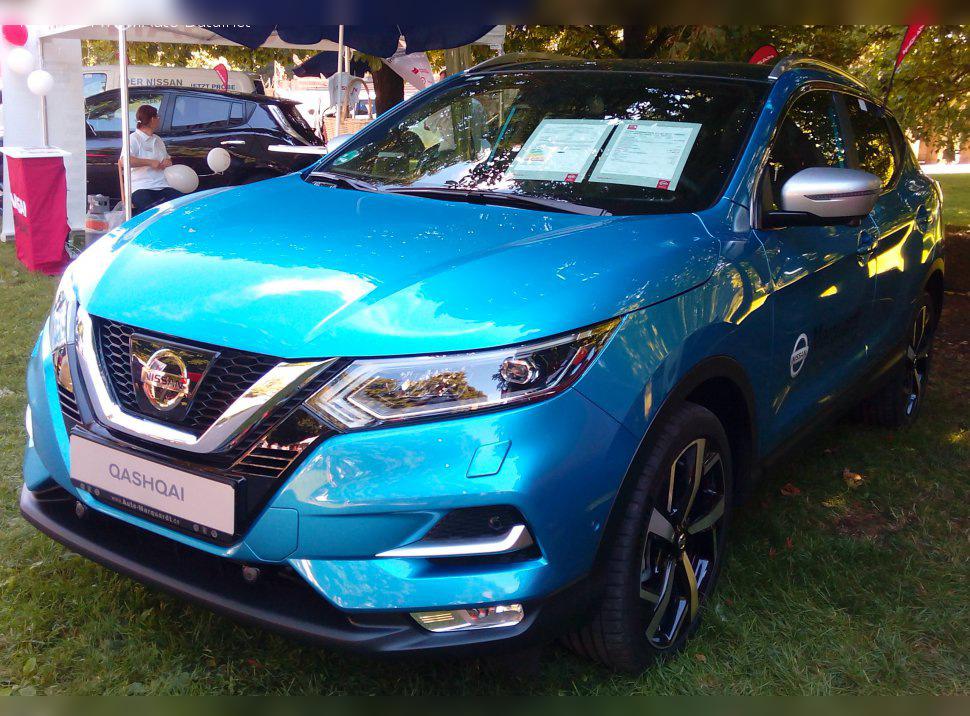
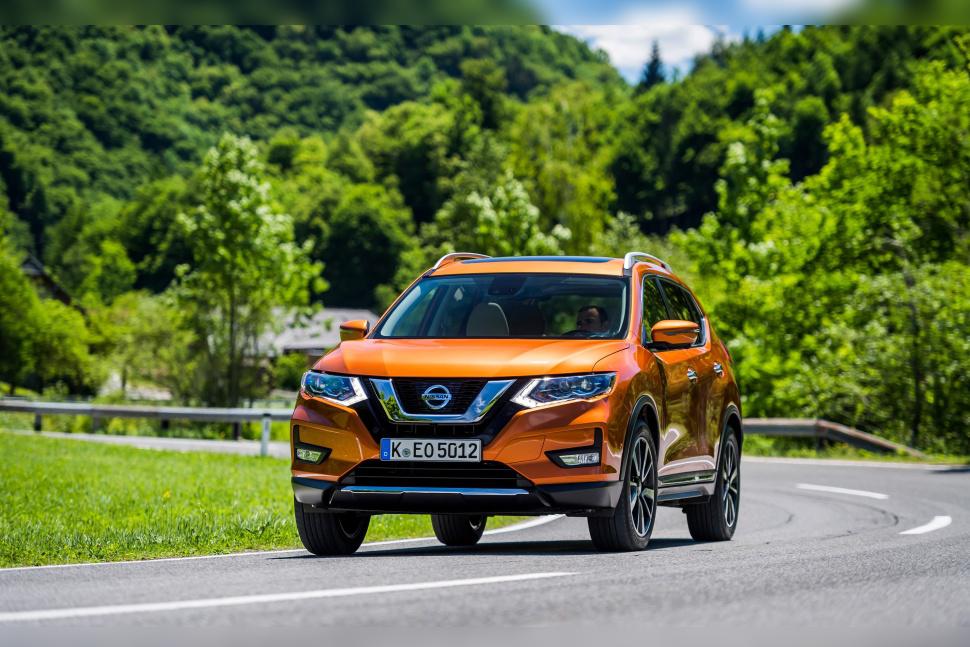
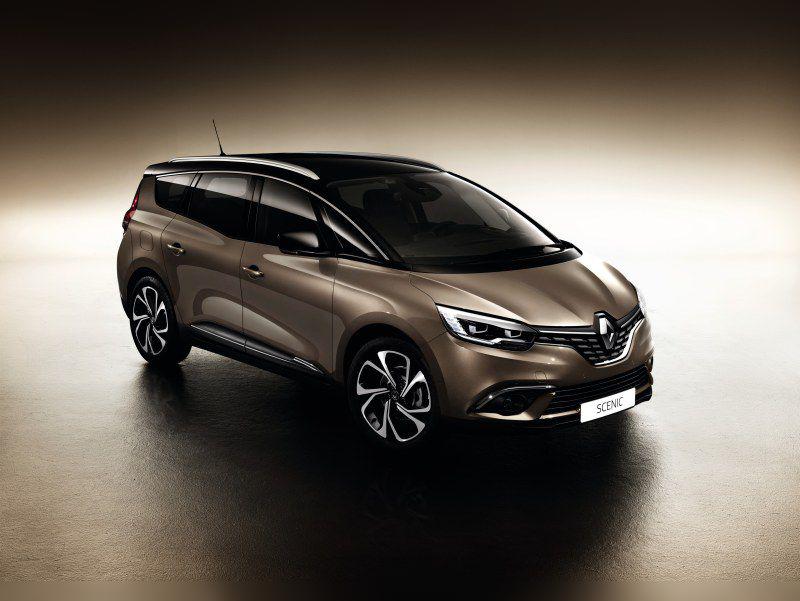
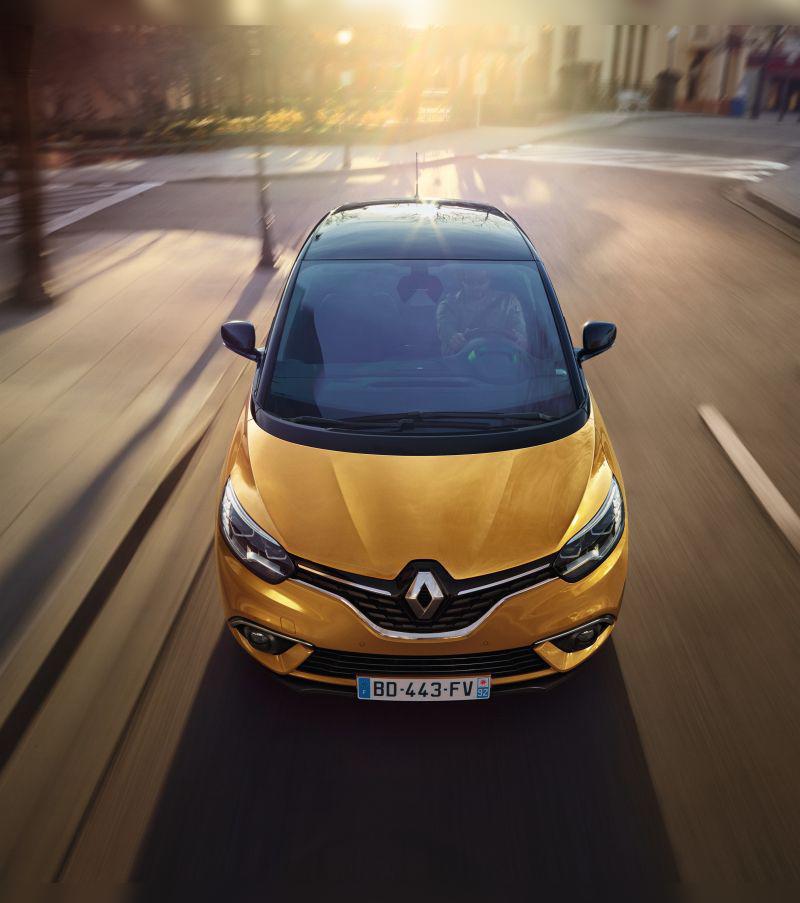
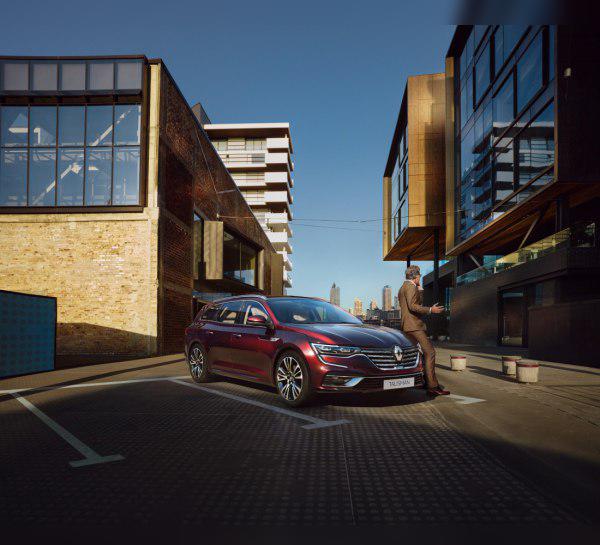
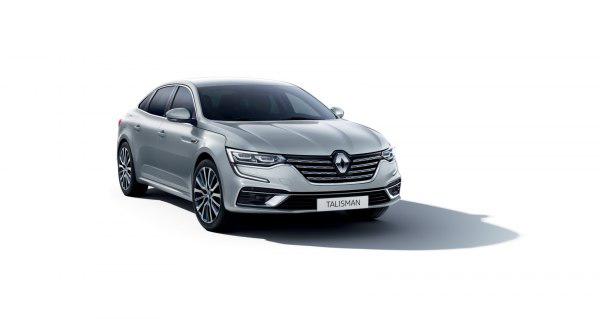
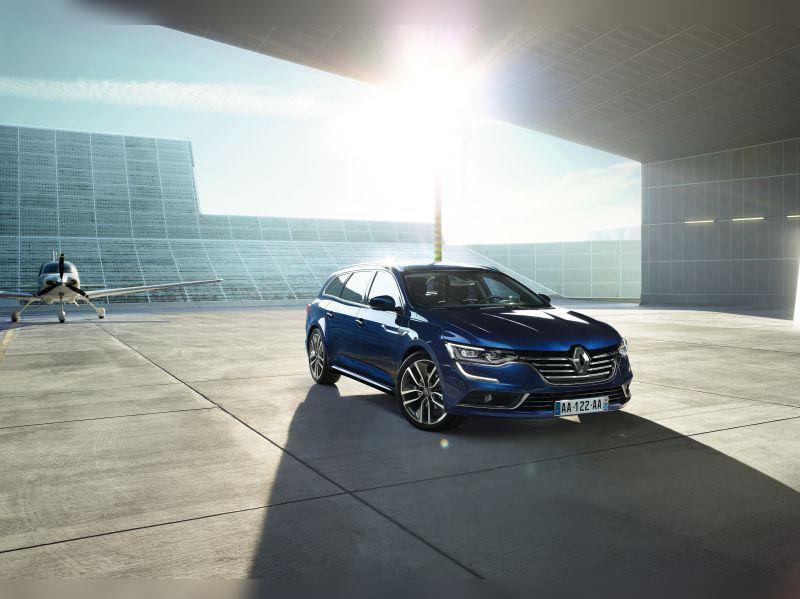
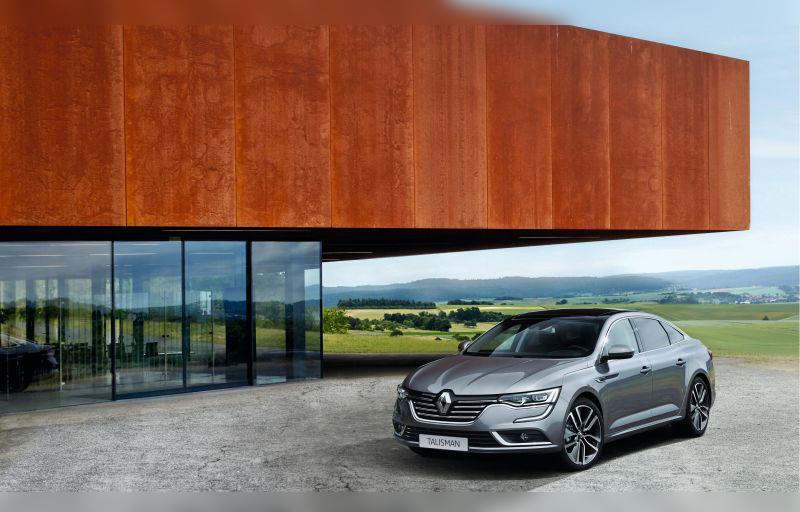
When emissions regulations became stricter, the Renault-Nissan alliance had to update its lineup. The well-known 1.6 dCi (R9M) was retired, and its direct successor arrived in the form of the R9N 1.7 dCi, commercially also known as Blue dCi. This engine was installed in a wide range of vehicles, from family SUVs like the Nissan Qashqai and X-Trail, to elegant cruisers such as the Renault Talisman and spacious MPVs like the Scenic and Grand Scenic.
The task of this powerplant was to deliver torque similar to two‑liter engines, but with lower fuel consumption and emissions. Due to stringent Euro 6d-Temp standards, it is equipped with advanced exhaust aftertreatment systems, which makes it excellent on the open road, but quite complex to maintain once it is out of factory warranty.
Technical specifications
| Parameter | Data |
|---|---|
| Displacement | 1749 cc |
| Power | 110 kW (150 hp) |
| Torque | 340 Nm (available from 1750 rpm) |
| Engine code | R9N |
| Injection type | Common Rail (direct) |
| Charging | Turbocharger (VGT), intercooler |
| Emissions standard | Euro 6d-Temp / Euro 6d |
Reliability and maintenance
When you open the hood, the first question any experienced buyer asks is about the timing system. This engine has a chain, not a timing belt. Unlike some older generations, the chain on the R9N has proven reliable, but that doesn’t mean it lasts forever. Chain stretch can appear after 200,000 km, with rattling noise at cold start as the main symptom.
As for the so‑called major service, since it uses a chain, there is no classic major service in the sense of replacing a belt every 100,000 km. However, it is recommended to replace the auxiliary (serpentine) belt, idlers, tensioner and water pump at around 120,000 to 150,000 km to avoid breakage and potential engine damage.
The engine takes about 5.5 to 5.7 liters of oil. You must use oil that meets the RN17 specification (most often 5W-30 or 0W-20, depending on the specific model and year). This spec is crucial because of the DPF filter. Oil consumption between services is usually minimal. A loss of 0.2 to 0.5 liters per 10,000 km is considered normal. If the engine consumes more than one liter per 10,000 km, this points to an issue with the piston rings or, more often, worn bearings in the turbocharger.
As a modern diesel, it uses an advanced Common Rail system. The injectors are piezoelectric and generally last over 200,000 km if you use quality fuel. They are sensitive to water and dirt in the diesel. Symptoms of bad injectors include rough idle (“shaking”), increased black smoke (if the DPF doesn’t manage to burn it off) and a characteristic “knocking” sound under acceleration.
Specific components (costs)
This engine, in manual versions (and in some automatics there are specific assemblies), is equipped with a dual-mass flywheel. Its service life averages between 150,000 and 200,000 km, depending on driving style (a heavy right foot at low revs kills it). When it starts to fail, you will feel vibrations in the clutch pedal, judder when setting off, and hear a dull metallic thud when switching the engine off. The cost of replacing the clutch kit and dual-mass flywheel is high (depends on the market).
The turbocharger is a single unit with variable geometry (VGT). It has proven reliable and often exceeds 250,000 km without overhaul. Its biggest enemies are dirty oil and a clogged DPF, which creates backpressure and overheats the turbo shaft.
Now we come to the biggest pain points: the DPF filter and EGR valve. These systems are present and very active. If you drive this engine exclusively in the city (stop‑and‑go, short trips), the EGR will get stuck from soot buildup, and the DPF will not be able to complete regeneration. The engine will enter limp mode and lose power.
AdBlue (SCR system): Yes, the R9N engine has an AdBlue system (“Blue dCi”). Unfortunately, this is the most common failure on this vehicle. The problem is not the fluid itself, but the integrated tank module that contains the pump, heater and sensors. When the pump fails (due to crystallization of the fluid), a warning light appears on the dashboard and a countdown of remaining kilometers begins, after which you will no longer be able to start the car. The repair usually involves replacing the entire tank, which is very expensive (depends on the market).
Fuel consumption and performance
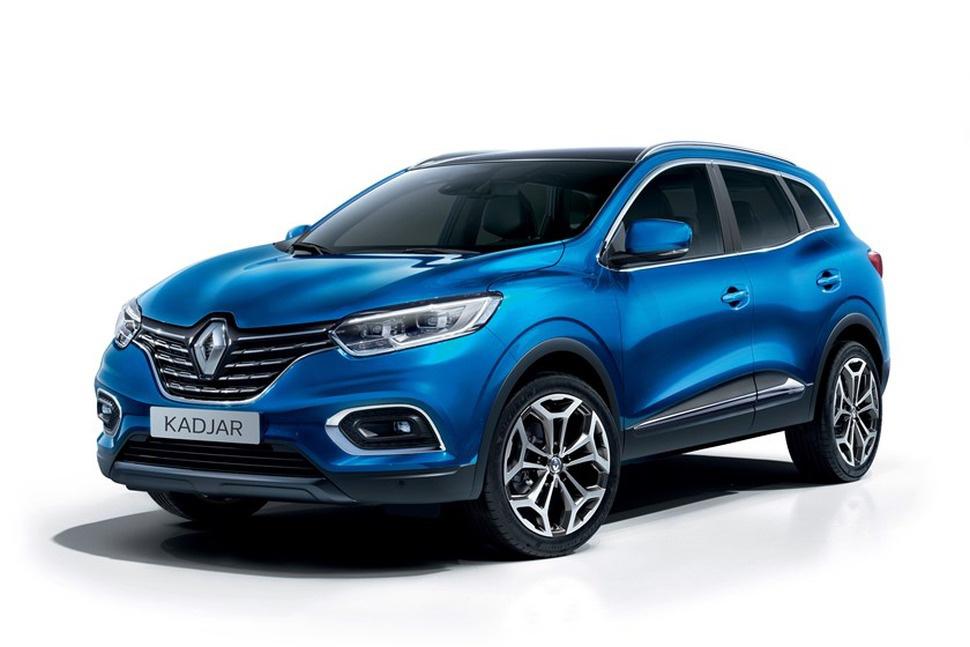
Thanks to the high torque of 340 Nm, the engine is far from “sluggish”. It pulls lighter bodies like the Renault Kadjar or Nissan Qashqai very well. Even in heavier vehicles such as the seven‑seat Nissan X-Trail or Renault Grand Scenic, performance is perfectly adequate for family driving and overtaking on country roads, although under full load on climbs it will require one gear down.
Real-world city fuel consumption:
It ranges from 7 to 8.5 l/100 km, depending on the size of the car and whether you have 4x4 drive.
On secondary roads, consumption drops significantly to around 5 to 5.5 l/100 km.
Behavior on the motorway:
The engine is very refined. At 130 km/h in sixth gear (or in the highest ratio of the automatic), the crankshaft spins at a comfortable 2200 to 2400 rpm (depending on model and gearbox). Sound insulation is good, so engine noise in the cabin is barely noticeable.
Additional options and modifications
When it comes to remapping (Stage 1), this block and its supporting components have a good power reserve. A safe Stage 1 remap can raise power from the stock 150 hp to about 180 to 185 hp, while torque increases to an impressive 400 Nm.
Acceleration becomes noticeably smoother and stronger. However, be careful – an extra 60 Nm puts serious strain on the dual-mass flywheel in manuals and on the clutch pack in EDC automatics. If the car has more than 150,000 km, check the condition of the drivetrain and the DPF before remapping.
Gearbox
Three types of gearboxes are paired with the R9N engine, depending on brand and configuration:
- 6-speed manual gearbox: Very reliable, precise, with no inherent design flaws. Maintenance involves checking/replacing the oil at 100,000 km. The main expense here is the clutch kit with dual-mass flywheel, which is expensive (depends on the market).
- EDC automatic gearbox (Renault): 7-speed dual-clutch gearbox. It offers quick shifts and is excellent to drive. The most common failures include wear of the clutch pack or issues with the mechatronic unit (gearbox computer) due to overheating in city traffic. Replacing the clutch pack on an EDC is very expensive (depends on the market). Maintenance: Gearbox oil change is MANDATORY every 60,000 km.
- Xtronic CVT automatic gearbox (Nissan): Continuously variable transmission, extremely smooth and comfortable. There are no conventional gears, so the car accelerates “like an electric”. Failures occur due to damage to the metal belt/chain or pulleys inside the gearbox caused by irregular oil changes. Repair is very expensive (depends on the market). Maintenance: Service and oil change also strictly every 60,000 km.
Buying used and conclusion
When you go to inspect a used car with the 1.7 dCi / Blue dCi engine, these are the key things you must check:
- Cold start: Ask the seller not to start the car before you arrive. Listen carefully during the first 5–10 seconds of operation. Metallic chain rattle is a sign that the timing system is due for replacement.
- Exhaust: Put your finger inside the exhaust tip (when the car is off and cold). It should be relatively clean and without a thick layer of black soot. If your fingers come out black like coal, the DPF has been removed, disabled or is seriously damaged.
- Instrument cluster and diagnostics: Check whether there is an AdBlue warning light. Even if there is no warning, use diagnostics to check when the DPF last performed a regeneration and what the AdBlue pump pressure is.
- Test drive – automatics: The EDC must not jerk when moving off from a standstill on a slight incline. The Xtronic CVT must not “slip” and suddenly raise revs without a corresponding increase in vehicle speed.
Conclusion: Who is this engine for?
The Renault/Nissan 1.7 dCi (R9N) is a fantastic engine for drivers who regularly travel outside the city, use the car for holidays, ski trips and long‑distance driving. In those conditions, you will be rewarded with excellent range, quiet operation and enough power for safe overtaking. On the other hand, if you are buying a car primarily for school runs, quick trips to the shop and rush‑hour traffic, you should avoid this engine. In city use, all the issues with the EGR valve, DPF filter and AdBlue system will come to the surface and drain your wallet.