Rover 18K4F (1.8 16V, 120 hp) – Experiences, problems, fuel consumption and used car buying tips
- Most important in short (TL;DR)
- Introduction: British engineering with a serious flaw
- Technical specifications
- Reliability and maintenance
- Specific parts and costs
- Fuel consumption and performance
- Additional options and modifications
- Gearbox and drivetrain
- Buying used and conclusion
Most important in short (TL;DR)
- Performance and weight: Excellent in light convertibles (MG F/TF), but seriously “sluggish” and underpowered for heavy models like the Land Rover Freelander and Rover 75.
- Head gasket (HGF): The infamous weakness of this engine. Overheating and head gasket failure are almost guaranteed if the cooling modification hasn’t been done and a multi-layer gasket hasn’t been fitted.
- Timing: Driven by a timing belt, whose regular replacement is absolutely vital.
- Fluid levels: Strict daily checks of coolant and oil are mandatory – even the slightest loss of fluid leads to disaster.
- Fuel consumption: Can be quite high in city driving, especially in heavier vehicles (over 11 l/100 km).
- LPG (autogas): Handles LPG well, but only with top‑quality installation and a fully healthy cooling system.
Introduction: British engineering with a serious flaw
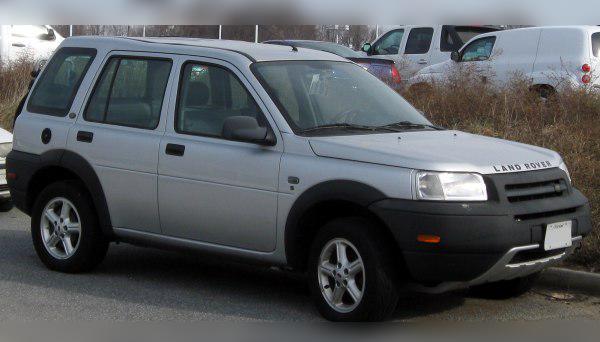
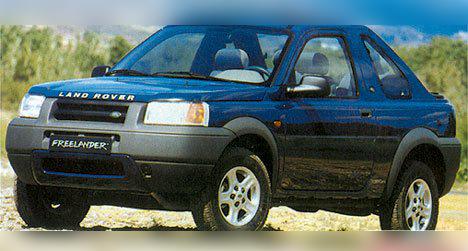
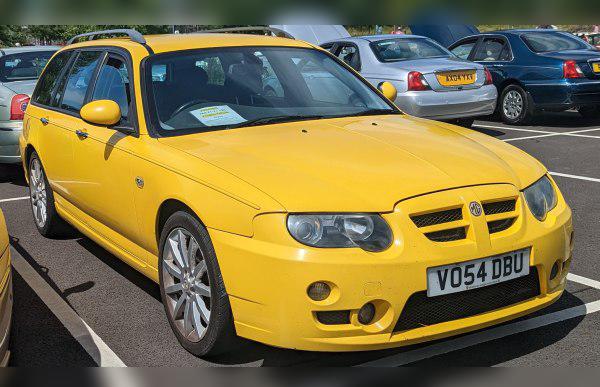
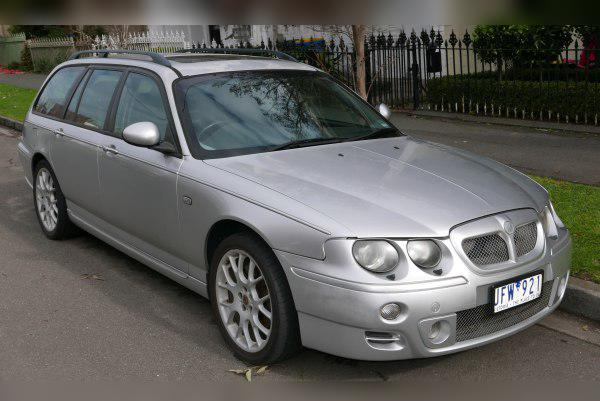
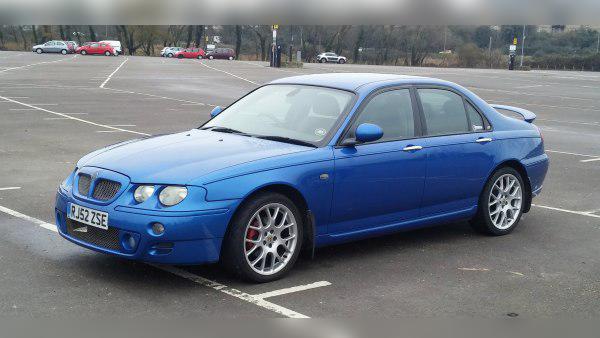
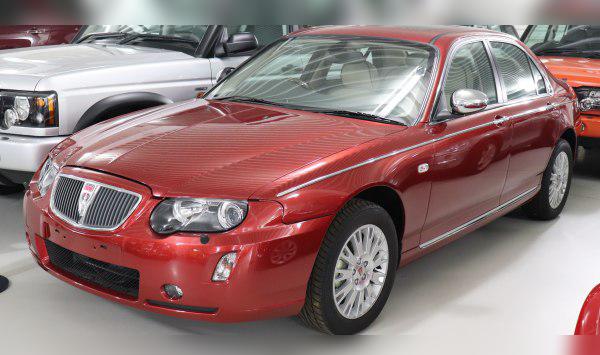
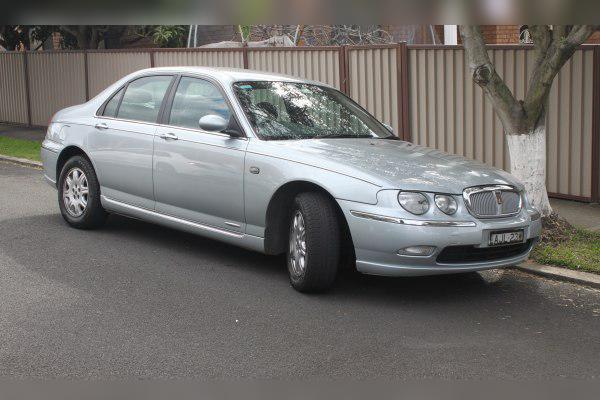
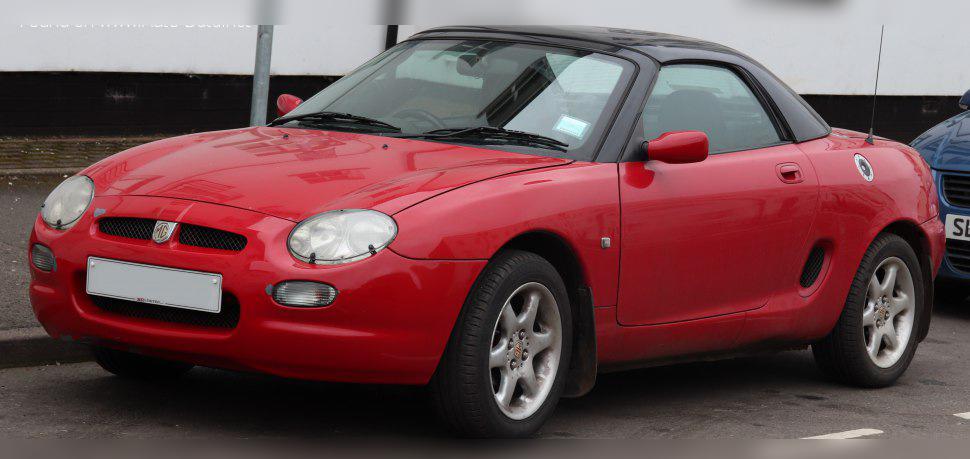
The engine designated 18K4F belongs to Rover’s famous (or infamous) K‑Series engines. It is a lightweight aluminium unit which, at the time of its launch, was a true engineering marvel thanks to its power‑to‑weight ratio. However, the innovative design where long “through‑bolts” hold the entire block together in a so‑called “sandwich” system created one of the best‑known problems in the automotive world – chronic head gasket failure. It was fitted to a wide range of vehicles, from luxury saloons (Rover 75, MG ZT) and SUVs (Land Rover Freelander I) to small, mid‑engined sports roadsters (MG F and MG TF).
Technical specifications
| Specification | Data |
|---|---|
| Engine displacement | 1796 cm³ |
| Power | 88 kW (120 hp) |
| Torque | 160 Nm |
| Engine code | 18K4F |
| Engine type | Petrol (naturally aspirated) |
| Injection type | Multi‑Point Injection (MPI) |
Reliability and maintenance
The engine timing is driven by a timing belt. It is strongly recommended to do a full timing service every 80,000 to 90,000 km or at least every 5 years. If the belt snaps, it causes total engine failure and bent valves, which means removing the cylinder head and huge repair costs.
By far the most common and most expensive failure on this engine is the so‑called HGF (Head Gasket Failure). The cause lies in the poor thermostat position, which creates thermal shock (sudden temperature changes in the cylinder head), plastic head‑locating dowels (which weaken over time), and a thin factory gasket. Symptoms the driver must recognise immediately are rising operating temperature, coolant disappearing from the expansion tank without visible external leaks, and the most famous sign – white “mayonnaise” under the oil filler cap, which means the engine has mixed oil and coolant. The solution is to fit the so‑called PRT (Pressure Relief Thermostat) system with a remote thermostat and to install an uprated multi‑layer steel head gasket (MLS – Multi‑Layer Steel) with steel locating dowels.
As for lubrication, the engine takes about 4.5 litres of oil, and the recommended grade is usually a good quality 10W‑40 semi‑synthetic (or 5W‑40 depending on climate and engine condition). This unit does consume oil. Consumption of 200 to 500 ml per 1000 km is considered acceptable, especially on older examples, and is usually due to worn valve stem seals or piston rings. Regularly checking the dipstick is a matter of survival for this engine.
Since this is a conventional petrol engine, spark plugs are typically replaced every 40,000 to 60,000 km. If you feel hesitation under acceleration or an unstable idle, the first suspects are the spark plugs, leads or ignition coils.
Specific parts and costs
When it comes to parts and costs, the situation with the dual‑mass flywheel depends on the model. The Land Rover Freelander and the light MG F/TF usually use a conventional (solid) flywheel. However, if you are buying this engine in the luxury saloon Rover 75 or MG ZT, there you will find a dual‑mass flywheel (DMF). Its function is to reduce vibrations, but replacement is an expensive job (depends on the market).
The fuel system is a conventional Multi‑Point Injection (MPI) without high‑pressure direct injection. Because of this, injectors rarely cause problems and are not expensive to clean in an ultrasonic bath if they do get clogged. As this is an older‑generation naturally aspirated petrol engine, it does not have a turbocharger, so you are spared those worries. For the same reason, there is no DPF filter or AdBlue system here – those are reserved for modern diesels.
Fuel consumption and performance
Real‑world fuel consumption and performance depend heavily on which “shell” this engine is installed in. In the Land Rover Freelander, this engine has to pull a heavy body, four‑wheel drive (propshaft and viscous coupling) and poor aerodynamics. There the engine is extremely sluggish – acceleration is slow, overtaking requires a run‑up, and city fuel consumption easily climbs to 11 to 13 l/100 km. The same goes for the heavy Rover 75, where city driving takes more than 11 litres of petrol.
On the other hand, in light models such as the MG F and MG TF (weighing barely around 1,100 kg), this 120 hp unit wakes up and feels very lively, delivering a genuinely sporty driving experience with city consumption of 8.5 to 10 litres.
On the motorway at 130 km/h, the gearbox keeps it at quite high revs (usually around 3,500 to 3,800 rpm, depending on the gearbox). This means more noise in the cabin (except in the well‑insulated Rover 75) and higher fuel consumption (around 8.5 to 9 l/100 km on the open road).
Additional options and modifications
If you are thinking about fitting LPG (autogas), the answer is yes – the engine copes with LPG quite well thanks to MPI injection. But there is a huge “BUT”. Given how sensitive the engine is to cylinder head temperature, the cooling system must be 100% healthy, and the LPG vaporiser must be installed perfectly so as not to disrupt coolant flow. A lean LPG mixture drastically raises combustion temperatures in the cylinders, which can be fatal for the notorious head gasket.
As for remapping (Stage 1), since this is a naturally aspirated engine (no turbo), changing the ECU map will bring minimal, barely noticeable gains (at most 5 to 8 hp). On this unit, such a modification is basically a waste of money.
Gearbox and drivetrain
Various gearboxes were fitted with the 18K4F. In most front‑wheel‑drive or 4x4 models you will find the PG1 5‑speed manual gearbox. This gearbox is robust, but over time the bearings inside the gearbox wear out, which shows up as whining in certain gears or on overrun. The oil in the manual gearbox should definitely be changed every 60,000 to 80,000 km to prevent these issues.
Among the automatic gearboxes, the Jatco 5‑speed automatic was often fitted in the Rover 75, and it is generally reliable if the oil has been changed regularly (every 60,000 km). Symptoms of automatic gearbox failure are harsh jolts when engaging gear (“thumps”) – usually a sign of faulty solenoids in the gearbox. A much riskier story is the Stepspeed CVT gearbox in MG F/TF models. Maintaining continuously variable (CVT) transmissions is specific, they require special oils, repairs are very expensive, and very few mechanics are willing to work on them (depends on the market).
Buying used and conclusion
Before buying a car with the 18K4F engine, you need to look under the bonnet with your eyes wide open. Let the car idle until it reaches operating temperature (and the fan comes on). Carefully loosen the coolant expansion tank cap. The coolant must not smell of exhaust gases, there must be no oily film floating on the surface, and the coolant hoses must not be rock‑hard (excessive compression pressure). Then check the oil filler cap; any white mayonnaise means you should walk away from that car or demand a drastic price reduction to cover engine repairs.
Conclusion: Who is this engine for?
Buying a Freelander with this engine is for masochists – it’s slow, thirsty, and the 4x4 system puts a heavy load on the engine, so head gasket failures are very common. Buying a luxury Rover 75 with this engine is recommended only for “retired‑style” drivers who enjoy gentle cruising (everything else is far better handled by the BMW M47 diesel in that model). This 1.8 16V engine shows its full, original potential only in the light MG roadsters, where it shines as a very lively and fun unit for enthusiasts who have the patience and budget to maintain the cooling system properly.