Saab B205E (2.0t 150 hp): Experiences, issues, fuel consumption and used-buying tips
Key points in short (TL;DR):
- This is a Low-Pressure Turbo (LPT) engine, known for excellent comfort and very linear power delivery.
- Biggest weakness: Oil sludge caused by poor crankcase ventilation (PCV system). Dropping the oil pan to clean the oil pump strainer is a must when buying!
- It uses a timing chain, which is sensitive to oil quality and may need replacement around 150,000–200,000 km.
- It is equipped with the famous DI cassette (Direct Ignition) instead of conventional coils, and it is a consumable part.
- It works very well on LPG and has excellent potential for a Stage 1 remap.
- City fuel consumption is high due to the heavy body (11–13 l/100 km).
- Manual gearbox versions have a dual-mass flywheel whose replacement is very expensive (depends on the market).
Contents:
- Introduction to the B205E engine
- Technical specifications
- Reliability and maintenance
- Specific parts and costs
- Fuel consumption and performance
- Additional options and modifications
- Gearboxes and drivetrain
- Buying used and conclusion
Introduction to the B205E engine
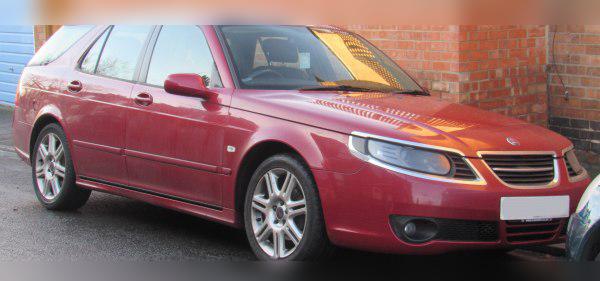
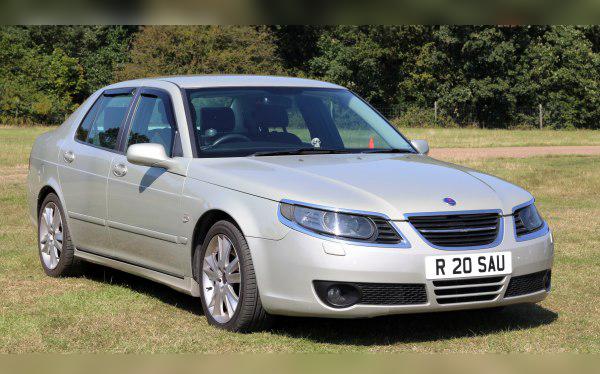
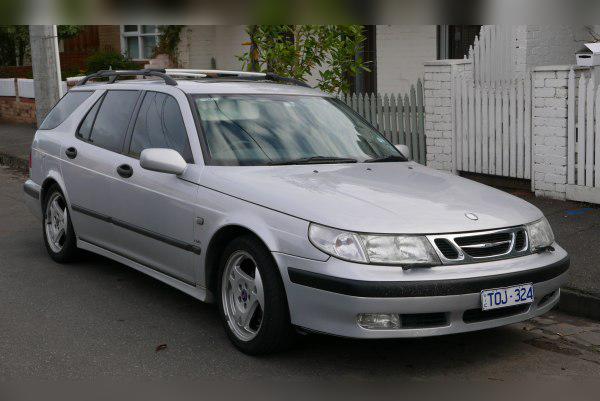
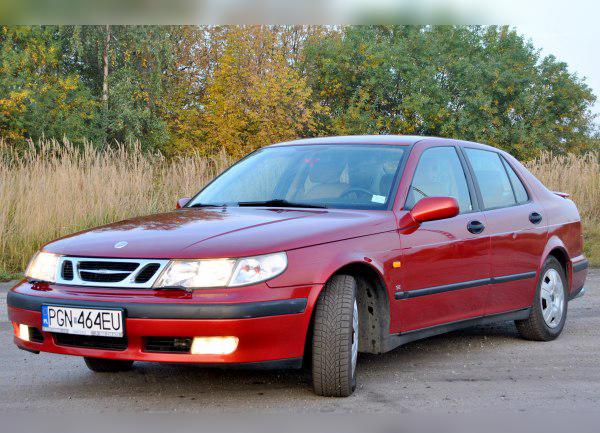
When talking about the Swedish car industry and Saab, turbo engines are at the core of their DNA. The B205E is a 2.0‑liter turbocharged petrol engine that produces 110 kW (150 hp). The letter “E” in the code denotes the LPT (Low-Pressure Turbo) version, i.e. a low-boost turbocharger. This engine was widely used in the Saab 9-5 (sedan and Sport Combi/estate), including facelift models from 2005 onwards. Its main strength is not outright power, but high torque available at low revs, which makes everyday driving extremely pleasant and similar to a diesel, yet with the smoothness of a petrol engine.
Technical specifications
| Parameter | Value |
|---|---|
| Displacement | 1985 cc |
| Power | 110 kW (150 hp) |
| Torque | 240 Nm |
| Engine code | B205E |
| Injection type | Multi-point EFI (Trionic 7 system) |
| Aspiration | Turbocharger (LPT) |
| Fuel type | Petrol (Gasoline) |
Reliability and maintenance
The timing system on this engine uses a timing chain. In theory, the chain should last the life of the engine, but in practice with the B205E it’s different. Due to lubrication issues (explained below), the chain often stretches and the plastic guides wear out. Metallic rattling on cold start is a sure sign the chain needs replacing. A “major service” in the classic sense (timing belt replacement) is not done here, but preventive replacement of the chain, guides and tensioner is recommended at around 150,000–200,000 km. The auxiliary (serpentine/PK) belt, rollers and tensioner are usually changed at about every 60,000 km.
Most common failures: By far the biggest problem with this engine is the formation of oil sludge. The original crankcase ventilation (PCV) system on early versions was poorly designed. Oil vapors condensed, forming thick sludge that eventually clogs the oil pump strainer in the sump. Symptoms are the oil pressure warning light coming on (usually when it’s already too late), oil starvation, crankshaft bearing damage and turbocharger failure. The solution is to install the updated PCV system (the famous revision #6) and periodically drop the oil pan to clean the strainer.
This engine takes about 4.0 liters of oil. Because of its sensitivity to sludge, only high-quality synthetic oil of grade 5W-30 or 5W-40 should be used, with strict change intervals of a maximum of 10,000 km. Does it consume oil? Yes. Engines from the B2x5 family were factory-fitted with softer piston rings to reduce friction. Consumption of 1–1.5 liters per 10,000 km is considered completely normal and acceptable. If the engine uses more than 0.5 liters per 1,000 km, the problem usually lies in stuck oil control rings or a worn turbocharger.
As for ignition, Saab uses a specific Trionic 7 engine management system that has no conventional HT leads and coils, but a Direct Ignition (DI) cassette (black on T7 systems). This cassette tends to fail, often without warning, and then the engine will not start. It is very important to know that the T7 system uses the spark plugs as knock sensors. That is why you must only and strictly use the specified NGK spark plugs (most commonly NGK BCPR6ES-11 or platinum PFR6H-10, depending on factory/tuner spec). Spark plugs are replaced relatively often, every 30,000–40,000 km, in order to protect the DI cassette.
Specific parts and costs
B205E versions paired with a manual gearbox have a dual-mass flywheel. Its role is to dampen the vibrations of the strong torque from the turbo engine. Replacing the complete clutch kit together with the dual-mass flywheel is very expensive (depends on the market) and is one of the biggest one-off maintenance expenses.
The fuel system is electronic multi-point injection. The petrol injectors on this engine are extremely reliable, rarely fail and almost never need replacement, except in cases of severe contamination after many years of running exclusively on LPG, when they should be cleaned in an ultrasonic bath.
The engine is equipped with a single turbocharger, usually a smaller unit, the Garrett GT1752. The service life of this turbo depends directly on regular oil changes and the absence of sludge. Under optimal conditions it lasts around 150,000–200,000 km. Symptoms of a failing turbo are loss of power, whistling noises and thick blue smoke from the exhaust, especially on cold start or after idling. Rebuilding or replacing the turbo is expensive (depends on the market).
Since this is a petrol engine, it has no DPF filter and no AdBlue system, which makes running costs significantly lower compared to modern diesels. The EGR valve is not a typical problem as it is on diesels, because Saab relies on a high-quality catalytic converter and the precise Trionic 7 combustion control system to meet emissions standards.
Fuel consumption and performance
One of the main drawbacks of this engine in the eyes of today’s drivers is fuel consumption. The Saab 9-5 is a very heavy and safe car. Real-world consumption in heavy city traffic hardly drops below 11–13 liters per 100 km, especially with an automatic gearbox.
Is the engine “lazy”? With 150 hp and 240 Nm, the B205E offers adequate but not sporty performance for the 9-5 chassis. The LPT (Low-Pressure Turbo) makes sure the car pulls well from very low revs, so it feels stronger than the numbers suggest in city driving. However, during overtakes on open roads at higher speeds, you can feel the lack of horsepower for this weight.
The engine shows its true character on the motorway. There it is extremely refined. At 130 km/h it cruises at a very relaxed 2,500–2,800 rpm (depending on gearbox type). Fuel consumption on the open road is much more acceptable, at around 7.5–8.5 liters per 100 km. Sound insulation is fantastic, so driving is comfortable and not tiring.
Additional options and modifications
Good news for those who want cheaper running costs: the B205E is an excellent candidate for a sequential LPG system. The valves and valve seats are quite durable. However, the Trionic 7 system is extremely sensitive to incorrect mixture. It is essential to install a high-quality LPG system (expensive – depends on the market), and it is advisable to have it tuned by a specialist familiar with Saabs to avoid triggering the Check Engine light and to protect the DI cassette.
In terms of tuning, this is probably one of the best engines on the market for a simple remap. Hardware-wise, the B205E is very similar to the more powerful versions. By changing the software (Stage 1 chiptuning) in the Trionic 7 ECU, the power can be safely raised from 150 hp to 210–220 hp, with torque increasing to over 310 Nm. After such a remap, the car completely changes character and any “sluggishness” disappears, while fuel consumption on the open road remains the same or can even be slightly lower.
Gearboxes and drivetrain
This engine was paired with a 5-speed manual gearbox and automatic gearboxes. On automatics, earlier models used a 4-speed unit (Aisin AW50-42LE), while later models (especially facelift versions, the so‑called “Dame Edna” and earlier Sentronic versions) received the much more modern 5-speed Aisin AW55-50SN automatic.
Manual gearboxes are generally long-lasting. The most common issues are difficulty engaging reverse or worn third-gear synchro if the car has been driven aggressively. As already mentioned, they have a dual-mass flywheel whose replacement is very expensive.
Automatic gearboxes (Sentronic) are classic torque-converter automatics. They are reliable, have no dual-mass flywheel, but require adherence to service intervals. The ATF should be refreshed/changed every 60,000 km. The most common failure on neglected automatics is valve body failure, which manifests as strong jolts when changing gears, especially from P to R or D, as well as harsh shifts from second to third. Repairing this is very expensive (depends on the market).
Buying used and conclusion
When buying a Saab 9-5 with the B205E engine, the inspection procedure must be thorough. First and foremost: insist on a cold start and listen carefully to the right-hand side of the engine. If you hear chain rattle, you are looking at an imminent expense. Second, check the exhaust while the car idles for a few minutes, then give it a strong rev; blue smoke indicates a worn Garrett turbo or bad piston rings.
It is extremely important to check the service history. Ask the seller directly: “Has the oil pan ever been removed to clean the oil pump strainer, and has the PCV system been updated?”. If this has not been done, you risk buying an engine with damaged crankshaft bearings.
Conclusion: Who is this car and engine for?
The B205E engine in the Saab 9-5 is not for everyone. It is not intended for short city trips because of the high fuel consumption, nor for drivers who neglect regular servicing. This is an engine for enthusiasts and a specific type of customer who values top comfort and safety on long journeys. If you find a well-maintained example (or invest in an initial major service including dropping the sump, checking the chain and fitting LPG), the B205E will reward you with hundreds of thousands of kilometers of quiet, comfortable and reliable motoring.