D22DTR Engine (2.2 e-XDi) 181 HP: Owner Experiences, Issues, Fuel Consumption and Used-Buying Tips
Key points in short (TL;DR)
- D22DTR is a very robust diesel engine developed by SsangYong, designed for heavy-duty and work-oriented vehicles such as the Musso and Rexton.
- The camshafts are driven by a timing chain, which is durable and rarely needs replacement before 250,000 km.
- It delivers a massive 400 Nm of torque, making it excellent for towing heavy trailers and serious off-road work.
- City fuel consumption is high (often 10 to 12 l/100 km) due to the vehicle’s weight and poor aerodynamics.
- It is equipped with modern systems (DPF, EGR, AdBlue) that require regular open-road driving to prevent clogging.
- It is paired with extremely reliable automatic transmissions (Mercedes 7G-Tronic or Aisin), but they require strict oil changes every 60,000 km.
Contents
- Introduction: Old-school Korean workhorse
- Engine technical specifications
- Reliability, maintenance and failures
- Specific components: Turbo, Injectors, DPF and AdBlue
- Real-world fuel consumption and performance
- Gearbox and drivetrain
- Additional options and modifications (Chip tuning)
- Buying used and conclusion
Introduction: Old-school Korean workhorse
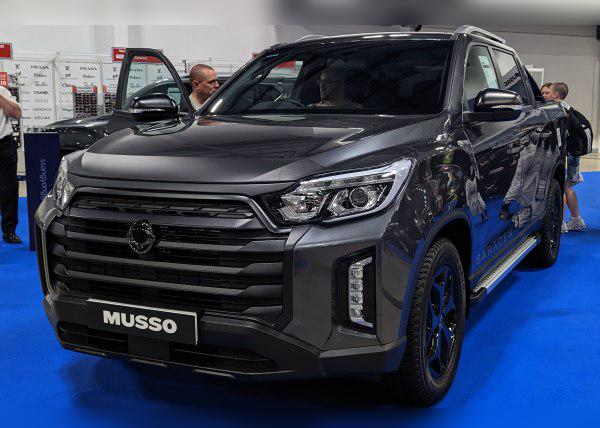
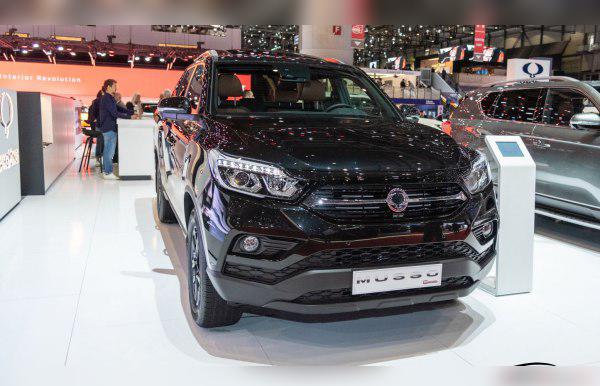
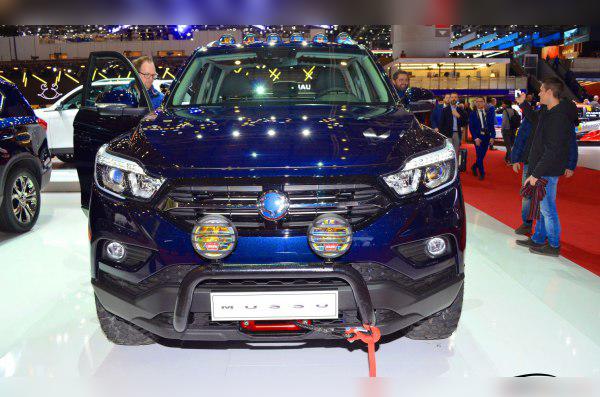
The engine designated as D22DTR (commercially known as 2.2 e-XDi) represents the pinnacle of diesel engineering from South Korean manufacturer SsangYong. With its 181 HP and 400 Nm, this powerplant is designed to carry heavy body-on-frame vehicles, such as the massive Rexton II SUV and Musso II pickup (including the Grand version). This engine is not built for setting lap records, but for towing, off-road driving and longevity. Because it is installed in work-oriented vehicles equipped with 4WD, its maintenance requires a specific approach from a truly competent mechanic.
Engine technical specifications
| Specification | Data |
|---|---|
| Engine displacement | 2157 cc |
| Engine power | 133 kW (181 HP) |
| Torque | 400 Nm (available at low revs) |
| Engine code | D22DTR |
| Injection type | Common Rail (Direct injection) |
| Charging system | Turbocharger (VGT) and intercooler |
| Fuel type | Diesel |
Reliability, maintenance and failures
Timing belt or chain?
This engine uses a massive timing chain to drive the valvetrain. This is great news for owners, as it reduces routine maintenance costs. The chain is generously sized and does not belong to the group that stretches at 100,000 km. The characteristic “rattling” noise on cold start usually begins to appear only after around 250,000 km, which is also when the so-called major service is planned (replacement of the chain, guides and tensioner).
Most common issues
The engine block itself and the crankshaft are practically indestructible under normal use. However, owners most often report problems with peripheral components. These include oil leaks from the valve cover gasket, failure of the DPF differential pressure sensor, as well as occasional issues with intercooler rubber hoses which, due to high turbo pressure (and rubber aging), can burst, resulting in power loss and black smoke from the exhaust.
Regular servicing and oil
The oil sump of this engine holds approximately 6.0 to 6.5 liters of oil. Due to the presence of a DPF filter, it is mandatory to use oil with a Low SAPS (C3 specification) rating, and the most commonly recommended grade is 5W-30. The service interval prescribed by the manufacturer is usually 15,000 to 20,000 km, but any experienced mechanic will recommend shortening this interval to a maximum of 15,000 km, especially if the vehicle tows loads or is mainly driven in the city.
As for oil consumption between services, this engine is considered very “tight”. It is normal for it to consume up to 0.5 liters per 10,000 km. If you notice that the engine uses more than 1 liter over the same distance, the problem usually lies in weakened seals in the turbocharger, which pushes oil into the intake, rather than in worn piston rings.
Specific components: Turbo, Injectors, DPF and AdBlue
Injection system
The injection system is Common Rail (most often a Delphi system in these generations). The injectors have shown excellent durability and usually run well beyond 200,000 km without issues. However, they are extremely sensitive to poor fuel quality and the presence of water in diesel. Symptoms of damaged injectors include rough and unstable idle, increased vibrations in the cabin and the engine “bogging down” when you suddenly step on the throttle. Injector refurbishment is possible, but the process is usually expensive (depends on the market).
Turbocharger
The engine is equipped with a single variable-geometry turbocharger (VGT). Its lifespan generally matches that of the engine, provided that oil is changed regularly. Warning signs include a “whining” sound (similar to a police siren) when accelerating, or the presence of a larger amount of oil in the intercooler.
DPF, EGR and AdBlue system
This is the sore spot of every modern diesel, and the 2.2 e-XDi is no exception. The EGR valve is prone to soot buildup, especially if the heavy Rexton or Musso is driven exclusively in stop-and-go city traffic. Due to soot, the valve can get stuck in the open position, the car loses power and the “Check Engine” light comes on. The DPF filter generally handles regenerations well, but city driving prevents exhaust gas temperatures from getting high enough, which leads to frequent interrupted regenerations and filter clogging.
Newer versions of this engine (Euro 6 compliant) are also equipped with an AdBlue (SCR) system. It reduces harmful NOx emissions, but introduces new headaches. The most common issues include failure of the AdBlue tank heater or crystallization in the urea injection nozzle if the car is left unused for a long time. Proper maintenance means using only fresh, good-quality AdBlue fluid.
Real-world fuel consumption and performance
City consumption
Let’s be realistic: you’ve put a 2.2-liter diesel engine into a body that, with driver and fluids, often exceeds 2.2 tons. Because of that, real-world city consumption is between 10 and even 12.5 l/100 km. It is physically impossible to expect small-city-car fuel economy from such a large SUV.
Is the engine “lazy”?
For its 181 HP and the vehicle’s weight, the engine is not lazy. The secret lies in the 400 Nm of torque available very low down (from about 1,400 to 2,800 rpm). This means the vehicle pulls strongly from a standstill and tackles climbs, mud or pulling a boat out of the water without effort. However, at higher speeds and accelerations above 100 km/h, weight and aerodynamic drag take their toll, and that’s where it starts to run out of breath.
Behavior on the highway
Cabin sound insulation is good. At a cruising speed of 130 km/h, depending on the type of gearbox (6 or 7 speeds), the tachometer sits at a calm and safe 2,000 to 2,200 rpm. The brick-like front-end aerodynamics mean that at these speeds fuel consumption rises and usually sits around 9 to 10 l/100 km on the highway.
Transmissions and drivetrain
This engine is paired with some quite interesting drivetrain setups, depending on model year and specific vehicle.
Manual gearbox and dual-mass flywheel
Manual versions have 6 gears. Gearbox failures themselves are rare, but the drivetrain uses a dual-mass flywheel. Given the vehicle’s high weight and work-oriented purpose (frequent towing), the clutch and flywheel are subjected to huge loads. Signs that the dual-mass flywheel is worn out include strong vibrations in the clutch pedal, knocking when switching the engine off and jerking when moving off in first gear. Replacing the complete clutch kit with the dual-mass flywheel is very expensive (depends on the market), as the components have to be “heavy duty”.
Automatic transmissions and maintenance
Automatic transmissions are far more popular with this engine. Early Rexton II models were equipped with the proven Mercedes 7G-Tronic (7-speed), while the Musso more often came with a durable Aisin 6-speed automatic (Japanese-made). Both gearboxes are top quality. The most common issues with automatics, such as jerking when shifting from second to third or holding a gear for too long, are caused solely by owner neglect. Transmission servicing and ATF oil and filter changes must be done every 60,000 km. If this is respected, these gearboxes will easily outlast the vehicle itself.
Additional options and modifications (Chip tuning)
Thanks to the huge capacity and durability of the engine block and turbo, the D22DTR has proven to be very reliable when it comes to software power increases, i.e. “chipping”. A Stage 1 remap safely raises this engine from 181 HP to around 210 to 215 HP, while torque climbs to a brutal 460 to 480 Nm. This modification is most noticeable during overtaking on open roads and makes driving under load significantly easier. However, it is important to note that the additional torque requires a perfectly healthy automatic transmission (or a relatively fresh clutch on manuals) to avoid slipping.
Buying used and conclusion
What to check before buying?
- Cold start: Listen to the engine in the morning. If you hear rattling that lasts longer than a few seconds, the chain is due for replacement.
- Exhaust check: Put your finger inside the tailpipe (when it’s cold). If the inside is oily and full of black soot, the DPF filter is probably punctured or removed.
- 4WD system: Test the transfer case (4 High and 4 Low modes). On used vehicles that never leave the tarmac, the actuators can seize.
- Transmission service history: If you’re buying an automatic with 150,000+ km and there is no proof that the transmission oil has been changed, expect potentially expensive repairs to the valve body (mechatronics).
Who is the D22DTR for?
The D22DTR engine (181 HP) in Musso and Rexton models is not a flashy SUV for posing around town. It is a serious work tool. It is the right choice for people who live in hilly areas, who tow horse trailers or heavy boats, and for those who need an unstoppable off-roader with a traditional ladder frame. If you’re looking for a car for city traffic jams and fuel savings, skip this engine; but if you want robust mechanics that won’t leave you stuck in the mud and that offer plenty of power without the hefty “tax” of a premium badge on the hood, this SsangYong engine is an excellent and underrated choice.