Subaru 2.0 Boxer (FB20) engine: Experiences, problems, fuel consumption and used-car buying tips
Key points in short (TL;DR)
- No timing belt: The engine uses a timing chain which rarely needs replacement before 250,000 km, but the tensioner must be checked regularly.
- Oil consumption: Older generations (up to 2014/15) suffer from clogged oil control rings, which can cause high oil consumption. Later versions are significantly more reliable.
- Expensive spark plug replacement: Due to the specific boxer construction (horizontally opposed cylinders), replacing spark plugs is labor‑intensive and much more expensive than on inline engines.
- Performance: With 150 hp and only 196 Nm of torque, the engine is quite sluggish in heavier vehicles like the Forester, especially when paired with the CVT gearbox.
- Gearbox sensitivity: The Lineartronic (CVT) automatic gearbox requires strict oil changes every 60,000 km; otherwise, very expensive valve body failures follow.
- LPG (Autogas): LPG installation is possible on older MPI versions, but valve clearance adjustment is extremely expensive (often requires engine removal).
Contents
- Introduction: Boxer tradition for a more modern era
- Technical specifications
- Reliability and maintenance
- Specific parts and costs
- Fuel consumption and performance
- Extras, LPG and chip tuning
- Transmissions: Lineartronic and manual
- Buying used and conclusion
Introduction: Boxer tradition for a more modern era
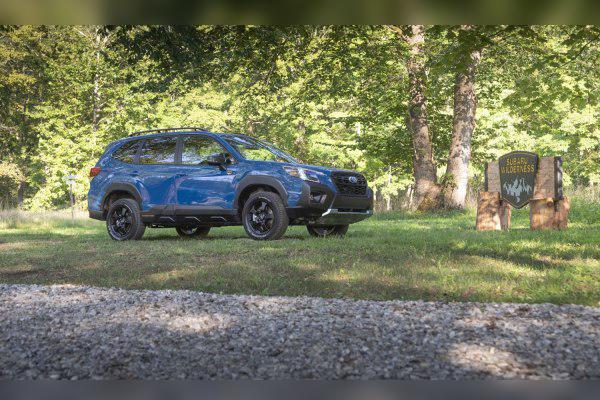
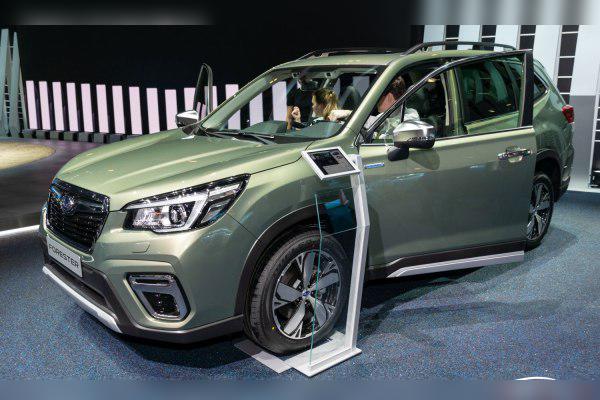
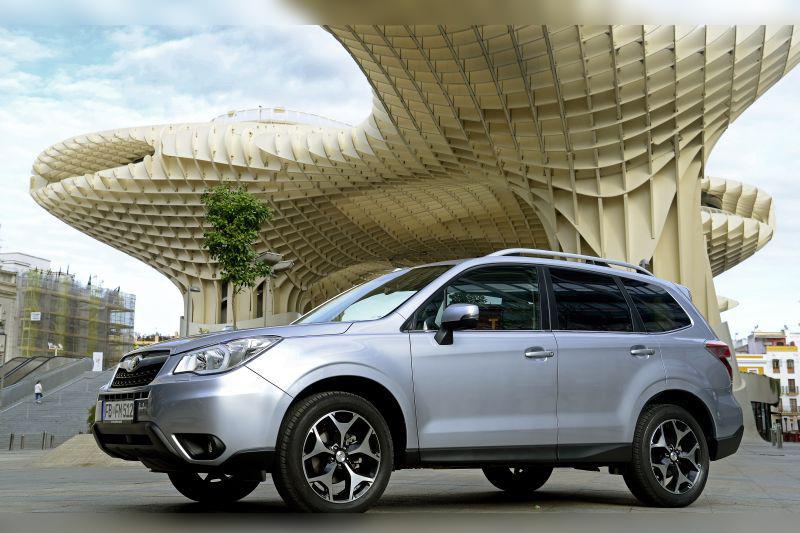
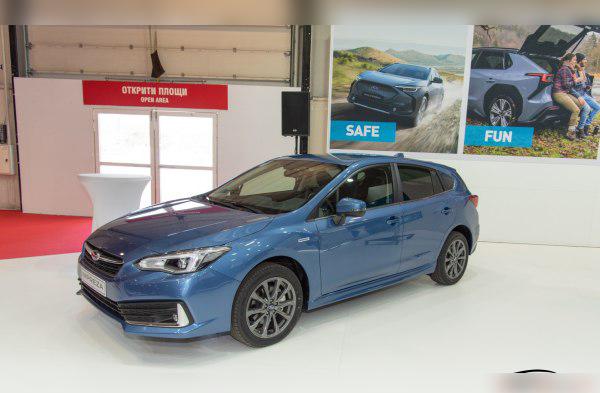
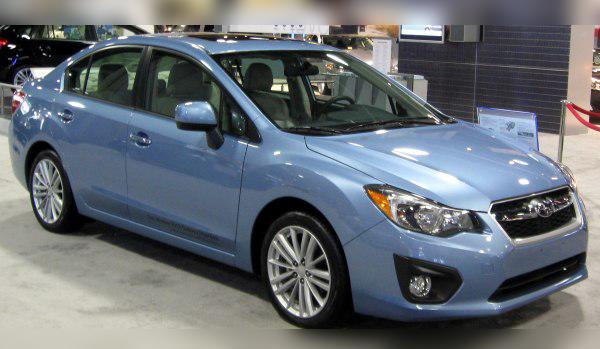
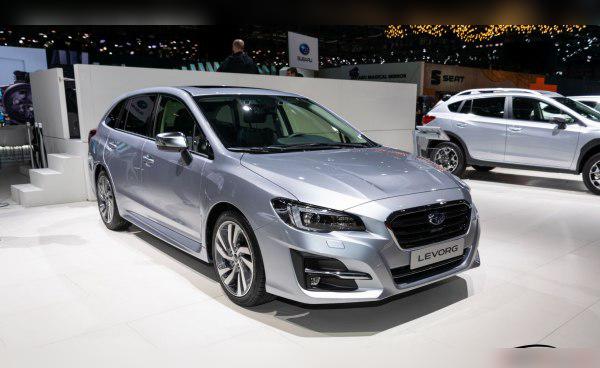
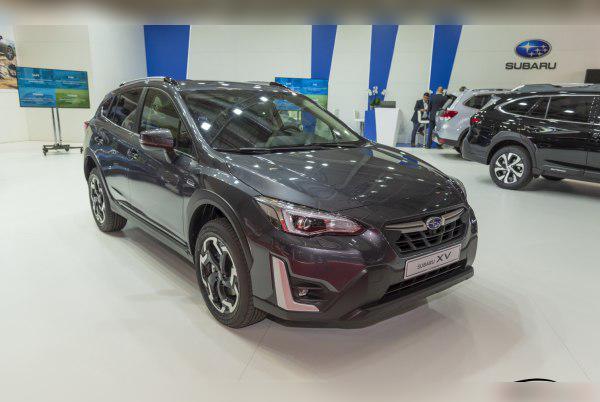
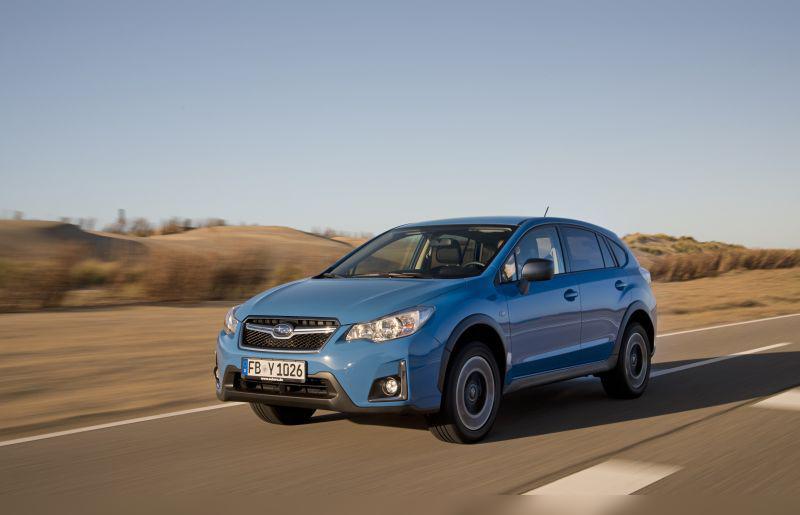
For many years Subaru was synonymous with the EJ engine series, but due to strict emission regulations and the need for higher efficiency, a completely new architecture was developed – the FB series. The FB20 engine, with a displacement of 2.0 liters, was introduced to provide better fuel economy while retaining the famous low center of gravity that boxer engines offer. It was installed in a wide range of models, including the Forester, Impreza, XV and Levorg.
This power unit is naturally aspirated (no turbo), and in the latest generations it comes as an e‑Boxer (mild hybrid) with the FB20D designation, which integrates a small electric motor into the gearbox housing itself to assist during take‑off and reduce fuel consumption in city driving.
Technical specifications
| Specification | Value |
|---|---|
| Displacement | 1995 cc |
| Power | 110 kW (150 hp) at 6200 rpm |
| Torque | 196 Nm at 4000 rpm |
| Engine type | Boxer, 4 cylinders, DOHC |
| Engine code | FB20 (FB20B, FB20D) |
| Aspiration | Naturally aspirated |
| Injection type | Port injection (MPI) on older / Direct injection (DI) on newer versions |
Reliability and maintenance
Timing belt or chain and major service
Unlike the old EJ engines, the FB20 uses a timing chain to drive the camshafts. This is good news for owners, because a classic “major service” in the sense of timing belt replacement does not exist. The chain is designed to last as long as the engine itself, but in practice it is advisable to check the condition of the chain, guides and tensioner at around 200,000 to 250,000 km. If the chain starts to make noise (metallic rattling) on cold start, it is time to replace it. What does get replaced at around 100,000 km is the serpentine (auxiliary) belt with its idler pulleys, as well as the coolant.
Oil consumption and most common failures
This is probably the most sensitive point of the FB20 engine. The engine takes about 4.8 to 5.0 liters of oil (depending on the filter and oil pan revision), and the factory‑recommended grade is 0W‑20.
Early generations (up to 2014) had a serious problem with excessive oil consumption. The cause was poor design of the oil control rings on the pistons (factory defect). The rings would quickly get dirty, stick and let oil pass into the combustion chamber. Consumption of 1 liter per 2,000 km was not uncommon. Over time Subaru changed the ring design, so models from 2015 onwards are significantly more reliable, although it is normal for a boxer engine to consume about 0.5 to 0.8 liters of oil between services (over 10,000 km). In addition to the rings, a common issue is oil “seepage” from the valve covers, which is a classic boxer flaw due to the horizontal position of the cylinder heads.
Spark plugs and service specifics
Since this is a petrol engine, the replacement interval for iridium spark plugs is generally around 100,000 km. However, due to the boxer construction (where the cylinder heads face the sides of the engine bay), access to the spark plugs is extremely difficult. Mechanics often have to remove the air filter housing, the battery, and sometimes even partially lift the engine off its mounts to reach the plugs. Because of this, labor for this operation is significantly more expensive than on standard engines (varies by market).
Specific parts and costs
Fuel injection system and emissions
Older generations of the engine (FB20B) have classic port (MPI) injection into the intake manifold. These petrol injectors are very reliable and rarely cause problems. Newer models (especially the e‑Boxer and models on the new Global Platform with the FB20D designation) have direct injection (DI) into the cylinder. Because of this, newer engines suffer from carbon buildup on the intake valves, as the fuel does not wash deposits off them. Decarbonization is recommended every 80,000 km.
As for emissions equipment, the engine has an EGR valve, which can get clogged (especially on versions with direct injection), and the latest generations (Euro 6d standards) are also equipped with a GPF (Gasoline Particulate Filter) which requires occasional longer highway drives to regenerate. Since this is a petrol engine, there is no AdBlue system on this engine.
Fuel consumption and performance
Is this engine “sluggish”?
In short: Yes, quite. Subaru models (Forester, XV) are heavy cars with permanent all‑wheel drive (Symmetrical AWD), which creates high drivetrain losses. The engine delivers 150 hp and only 196 Nm of torque, and that without the help of a turbocharger. This means that for any serious overtaking the engine has to be revved high (over 4,000 rpm), accompanied by a characteristic sound that is not always pleasant under prolonged load.
City driving and highway
Real‑world fuel consumption in city conditions is high for a 2‑liter engine. Depending on how heavy your right foot is, in town you can expect between 9.5 and 12 l/100 km. On newer e‑Boxer hybrids, this city consumption can be reduced by about 1 to 1.5 liters thanks to the electric motor assisting during take‑off.
On the highway the situation is better. Thanks to the very long gear ratios of the CVT, at 130 km/h the engine “cruises” at a relaxed 2,500 to 2,700 rpm. Fuel consumption on open roads varies between 7.5 and 8.5 l/100 km, depending on the vehicle’s aerodynamics (the Forester uses more than the Impreza).
Extras, LPG and chip tuning
LPG (autogas) conversion
Whether you should install LPG on a Subaru FB20 depends entirely on the engine generation. Older versions with MPI injection handle LPG well. However, there is one huge catch. This engine does not have hydraulic lifters, but solid tappets (“buckets”). On LPG, due to higher combustion temperatures, valve seats wear faster, so valve clearance adjustment is necessary roughly every 60,000 km. Due to the tight space in the engine bay (boxer layout), adjusting the valves most often requires removing the entire engine from the car! This makes the job extremely expensive, raising the question of whether LPG is worthwhile in the long run. For newer versions with direct injection (DI), LPG installation is drastically more expensive and even less advisable.
Chip tuning (Stage 1)
Since this is a naturally aspirated engine without a turbo, “chipping” it is practically a waste of money. By modifying ignition and fuel maps you can gain only about 5 to 8 hp, which in practice is absolutely imperceptible. If you want a faster Subaru, the only real option is to buy a model with a turbo engine (e.g. 2.0 XT).
Transmissions: Lineartronic and manual
Manual gearbox and clutch
Older generations (XV and early Forester) came with a 6‑speed manual gearbox. This gearbox is robustly built, but models equipped with it have a dual‑mass flywheel. Its purpose is to absorb the boxer engine’s vibrations at low revs. When the time comes to replace the clutch kit and dual‑mass flywheel, the cost is high (varies by market). Symptoms of a worn flywheel are strong vibrations when setting off and a characteristic knocking at idle.
Lineartronic (CVT) automatic
Most modern models are equipped with the Lineartronic CVT gearbox (continuously variable transmission). This is the weakest link in maintenance if neglected. The gearbox works on a chain‑and‑pulley principle, offering extremely smooth, jerk‑free driving, but it requires mandatory oil changes every 60,000 km. If this is not done, metal shavings damage the valve body inside the gearbox.
Symptoms of valve body failure are: hesitation when setting off, jerks when shifting into “D” or “R”, or the “AT Oil Temp” warning light coming on. Rebuilding a CVT gearbox or replacing the valve body is very expensive (varies by market).
Buying used and conclusion
What you must check
- Oil level and color: Before buying, pull out the dipstick. If the oil is at the minimum, that is a red flag (especially for 2011–2014 models) indicating the well‑known ring problem. Ask the seller whether the engine has been “opened” to address oil consumption.
- Cold start: Ask the seller not to start the car before you arrive. At the first start, listen for a short, sharp metallic rattle – this indicates a loose timing chain.
- Test drive the gearbox: If you are buying an automatic, the car must move off smoothly, without any jerks. If it jerks when you apply light throttle, the gearbox valve body is probably on its last legs.
- Inspection on a lift: Boxer engines often show oil leaks at block joints or valve covers. Also check whether the differential seals are leaking.
Who is the Subaru with the FB20 engine for?
This engine is not built for traffic‑light drag races, nor for people who demand strong in‑gear acceleration. It is intended for calmer drivers for whom safety, reliability and a phenomenal all‑wheel‑drive system are absolute priorities. A Forester or XV with this engine will pull you out of mud or deep snow without any problem, as long as you have appropriate tires.
Our recommendation is to specifically look for models produced after 2015 to avoid the factory oil‑consumption defects, and to insist on service history proving that the oil in the CVT gearbox has been changed regularly. With regular and proper maintenance, this boxer engine is a reliable companion that is unlikely to leave you stranded.