Suzuki K12C 1.2 DualJet (90 HP): Experiences, issues, fuel consumption and used-car buying tips
- This naturally aspirated petrol engine is considered one of the most reliable in its class, with a minimal number of reported failures.
- It uses a timing chain, which significantly reduces regular maintenance costs.
- It does not have a dual-mass flywheel or a turbocharger, eliminating the most expensive repairs typically found on used cars.
- Fuel consumption is extremely low, on par with modern diesels, thanks to DualJet technology and the low weight of the vehicle.
- It is sensitive to irregular oil changes; it requires very thin, high-quality oil (most commonly 0W-16 or 0W-20).
- Versions with the AGS (robotised) gearbox can be jerky and more expensive to repair, while the manual gearbox is by far the best choice.
- An ideal engine for city driving, but it lacks torque for effortless overtaking on the motorway.
Contents
- Introduction and basic information
- Technical specifications
- Reliability and maintenance
- Specific parts and costs
- Fuel consumption and performance
- Additional options and modifications
- Transmissions and drivetrain
- Buying used and conclusion
Introduction and basic information
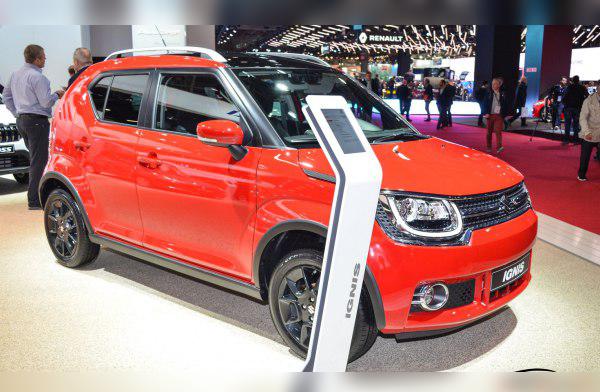
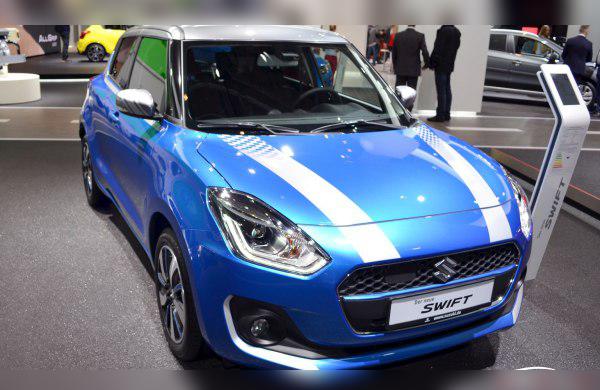
The Japanese manufacturer has long been known for building indestructible small petrol engines, and the engine with the code K12C, commercially known as 1.2 DualJet, is the crown of that engineering. This 66 kW (90 HP) engine started to be widely installed in models such as the Suzuki Baleno, Swift and Ignis. What sets it apart on the market is that it boldly resists the trend of downsizing and turbocharging. It was designed as a reliable naturally aspirated engine, but with an advanced injection system. It often comes paired with Suzuki’s SHVS (Smart Hybrid Vehicle by Suzuki) system, which is actually a 12‑volt mild hybrid that additionally relieves the crankshaft and lowers fuel consumption.
Technical specifications
| Engine displacement | 1242 cc |
|---|---|
| Engine power | 66 kW (90 HP) |
| Torque | 120 Nm |
| Engine code | K12C |
| Injection type | Indirect, multi-point (DualJet – two injectors per cylinder) |
| Induction | Naturally aspirated (No turbo) |
Reliability and maintenance
When it comes to the engine’s architecture, you will be pleased to know that the K12C uses a timing chain instead of a timing belt. The chain on this engine is extremely durable and, provided the oil is changed on time, easily lasts over 250,000 km without needing replacement. Because of this, the classic “major service” that drivers are used to is not done at strict intervals. As a preventive measure, at around 100,000 to 120,000 km the auxiliary belt, tensioners and water pump are replaced, which is financially very affordable (Depends on the market).
Regular minor servicing is done every 15,000 km or once a year. This engine takes a relatively small amount of oil, specifically around 3.1 to 3.3 litres. The manufacturer strictly recommends very thin oils in order to reduce friction and optimise fuel consumption. The recommended grades are 0W-16 or 0W-20. Since this is a modern and precise engine, avoid using thicker oils such as 10W-40. Between two services, the K12C generally does not consume oil. Consumption of a few hundred millilitres per 10,000 km is normal, but if you notice that the engine uses more than half a litre over a few thousand kilometres, it is a sign that the valve stem seals or piston rings have failed due to neglect and irregular maintenance.
As this is a petrol engine, the spark plugs play a crucial role in combustion. Suzuki installs high-quality iridium spark plugs in this model. They are somewhat more expensive to purchase (Depends on the market), but their service life is long and they are replaced every 60,000 to even 100,000 km, depending on operating conditions and fuel quality. Actual failures on this engine are very rare and mostly come down to occasional glitches with the electronics and the mild hybrid system (if equipped with SHVS), where the small lithium-ion battery can lose capacity over time.
Specific parts and costs
One of the main reasons why mechanics recommend this car is the absence of problematic and expensive components. The engine does not have a dual-mass flywheel, but uses a conventional solid flywheel, which from the outset eliminates a potentially huge cost when replacing the clutch. The clutch is standard, light and inexpensive to replace (Depends on the market).
The injection system is specific and is called “DualJet”. This means that the engine does not have direct injection (GDI), but indirect injection with two injectors per cylinder. The advantage of this system is that the valves are washed by petrol, so there is no carbon build-up on the intake valves, which is a nightmare on engines with direct injection. The petrol injectors on the K12C engine are extremely durable and rarely cause problems.
This is a classic naturally aspirated engine, which means it does not have a turbocharger. Consequently, there are no issues with turbo cooling, hoses that burst or variable geometry that seizes. Since this is a petrol engine, it logically does not have a DPF filter and does not use AdBlue fluid. However, the engine is equipped with an EGR valve responsible for exhaust gas recirculation in order to meet strict Euro 6 standards. With predominantly urban stop‑and‑go driving, the EGR valve can become clogged with soot after around 80,000 km. Symptoms include rough idling, slight hesitation under acceleration and the “Check Engine” light coming on. Fortunately, cleaning the EGR on this engine is quick and inexpensive, and replacing it with a new part is not too costly either (Depends on the market).
Fuel consumption and performance
Where the 1.2 DualJet really shines is at the fuel pump. Thanks to its small displacement, smart injection and the fact that it is installed in very light vehicles (Suzuki Swift and Ignis often weigh under 950 kg), real-world fuel consumption in heavy city traffic is between 5.5 and 6.5 l/100 km. On open roads, consumption easily drops below 4.5 l/100 km.
Is the engine “sluggish”? The answer depends on your expectations. In city conditions, thanks to the ultra-light chassis, 90 HP and 120 Nm are more than enough. The car “jumps” at the touch of the throttle and is very agile from traffic light to traffic light. However, the lack of a turbocharger and the low torque figure become obvious on the motorway and on serious climbs. At 130 km/h in fifth gear, the engine spins at a relatively high 3,500 to 3,700 rpm. The cabin then becomes noisy, and any overtaking on the motorway requires dropping into third or fourth gear and revving the engine up to 5,000 rpm. It is not a car for long, fast journeys and frequent overtaking of heavily loaded trucks.
Additional options and modifications
The question of installing an LPG system on this model comes up often. Although it is possible to install an LPG kit (sequential injection system, given the indirect injectors), many experienced mechanics do not recommend it. Japanese engines, including the K12C, have somewhat softer valve seats. If you still decide to go ahead with the installation, it is essential to add a quality valve lubrication system (“flashlube”). However, when you factor in the cost of installing a certified LPG system (Depends on the market) and the extremely low factory petrol consumption, the maths shows that you will need to cover a very high mileage for LPG to pay off.
As for chipping (Stage 1 remap), the short answer is: don’t waste your money. The K12C is a naturally aspirated engine. By modifying the ECU maps you will gain at most 5 to 8 horsepower, which is completely imperceptible in everyday driving. For a noticeable increase in performance, you need a turbo engine.
Transmissions and drivetrain
The K12C engine comes paired with different types of gearboxes, and this is where you need to be most cautious:
- 5-speed manual gearbox: By far the most reliable and safest option. It is very precise. Regular maintenance only requires changing the gearbox oil every 60,000 km. The cost of replacing the clutch kit is affordable and is considered a regular consumable (Depends on the market). On examples that have been driven too aggressively, the second-gear or reverse synchroniser can fail (grinding when engaging).
- CVT (Continuously Variable Transmission): Installed mainly in the Baleno. It offers extremely smooth city driving without any jerks. The key to CVT longevity is mandatory replacement of the special oil at a maximum of every 60,000 km. If the oil is not changed, the metal belt inside the transmission starts to slip, leading to a failure whose repair falls into the very expensive category (Depends on the market).
- AGS (Auto Gear Shift – Robotised manual): Common in the Ignis model. This is a conventional manual gearbox with an electro‑hydraulic actuator (“robot”) attached to it, which presses the clutch and changes gears instead of you. In real driving it is quite jerky and slow. The most common failures relate precisely to that actuator, whose repair or replacement is complicated and relatively expensive. Try to avoid it.
It should be noted that the Swift and Ignis models also come in ALLGRIP versions, which is Suzuki’s advanced all‑wheel‑drive system with a viscous coupling. The system is mechanically reliable, but requires oil changes in the rear differential and transfer case every 45,000–60,000 km.
Buying used and conclusion
When looking at a used Suzuki with the 1.2 DualJet engine, the absolutely most important thing is the service history. This is an engine that is sensitive only to poor maintenance. What exactly you should pay attention to during inspection:
- Cold start: Start the car completely cold and open the bonnet. Listen for any rattling or scraping noises from the front of the engine. If the chain can be heard for the first 2–3 seconds until oil pressure builds up, that is somewhat acceptable. But if it continues to rattle while the engine is running, the chain and tensioners are due for replacement due to excessive mileage or poor-quality oil.
- Diagnostics (For SHVS models): The mild hybrid uses a small ISG (Integrated Starter Generator) and an additional battery under the driver’s seat. Be sure to connect professional diagnostics and check the health of the lithium‑ion battery. A new battery is very expensive (Depends on the market), so you do not want to buy a car with a faulty hybrid system.
- Idling: The engine must idle completely smoothly. Any fluctuation of the rev counter needle indicates a dirty EGR valve or worn spark plugs.
- Test drive of a manual: Try shifting quickly from first to second gear at slightly higher revs. If you feel resistance or hear grinding, the second‑gear synchroniser is damaged.
Final conclusion: Who is the Suzuki with the K12C engine intended for? It is an absolutely perfect car for people who spend most of their time in city or suburban driving, looking for a reliable vehicle with minimal registration, fuel and maintenance costs. It does not break down, it is not burdened with modern ecological “chokers” such as a DPF, and it does not have a dual‑mass flywheel. However, if you cover thousands of kilometres a year on the motorway on journeys of several hundred kilometres, the lack of power at higher speeds and increased cabin noise may become tiring.