Suzuki M16A 1.6 VVT Engine (120 HP) – Experiences, Issues, Fuel Consumption and Used-Car Buying Tips
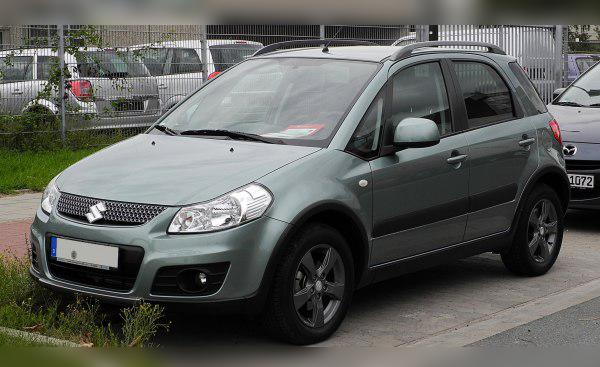
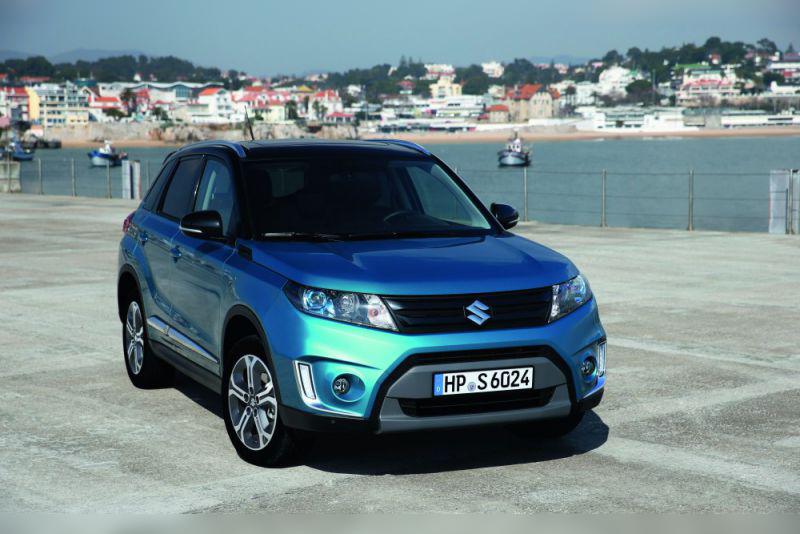
When a naturally aspirated 1.6‑liter petrol engine is mentioned among mechanics, the first association is often indestructibility – and that is exactly the reputation of Suzuki’s M16A engine. In this 120‑horsepower incarnation with a VVT (Variable Valve Timing) system, this unit represents the peak of the evolution of an old, proven Japanese school. It was installed in very popular crossovers and SUVs such as the fourth‑generation Suzuki Vitara, the SX4 (and its S‑Cross variant), as well as its twin from Fiat’s lineup – the Sedici. For drivers who want an engine without turbo lag, dual‑mass flywheels and eye‑watering repair bills, the M16A is a common and logical choice. But is it really all that perfect?
In short (TL;DR)
- Timing system: The engine uses an extremely reliable timing chain that rarely causes problems.
- Reliability: Old‑school naturally aspirated petrol – no turbocharger, no dual‑mass flywheel, no DPF and no AdBlue system.
- Performance: Can feel rather “lazy” in heavier vehicles (like the Vitara and S‑Cross), needs high revs for smoother overtakes.
- Fuel consumption: On the motorway at 130 km/h the engine runs at higher revs due to short gear ratios, which increases fuel consumption and noise.
- LPG (Autogas): Handles LPG well, but requires manual valve clearance adjustment, as it does not have hydraulic lifters.
- Maintenance costs: Very low; regular servicing is affordable and there are no unexpected major failures. (Market‑dependent).
Contents
- Technical Specifications
- Reliability and Maintenance
- Specific Components and Costs
- Fuel Consumption and Performance
- Additional Options and Modifications
- Gearbox and Drivetrain
- Buying Used and Conclusion
Technical Specifications
| Specification | Data |
|---|---|
| Engine displacement | 1586 cc |
| Engine power | 88 kW (120 HP) |
| Torque | 156 Nm |
| Engine code | M16A |
| Injection type | Indirect injection (MPI) |
| Charging system | Naturally aspirated (No turbo) |
Reliability and Maintenance
One of the biggest advantages of the M16A engine is that its timing system uses a timing chain. In practice, this chain has proven to be incredibly durable. Unlike some European competitors where the chain is replaced at 100,000 km, on Suzukis, with regular oil changes, the chain can easily go beyond 250,000 km without signs of stretching. Because of this, the classic major service (replacement of timing belt, tensioner and rollers) is not performed at a strictly defined interval. However, it is recommended to inspect and replace the auxiliary (serpentine) belt and water pump every 90,000 to 100,000 km.
As for the most common failures, mechanics usually don’t have much work with this engine. Occasionally, an ignition coil may fail, which manifests as rough engine operation, jerking during acceleration and the “Check Engine” light coming on. At higher mileage, slight oil leaks from the valve cover gasket can appear, which falls under regular and inexpensive maintenance. The VVT solenoid can also cause issues and stick, but this happens only on vehicles whose owners have neglected oil and filter changes.
The engine takes approximately 3.9 to 4.2 liters of engine oil. For models up to 2013, the factory and service centers most often recommend 5W‑30, while newer generations of the Vitara and S‑Cross are often specified with 0W‑20 to reduce emissions. The engine is not an “oil burner”. Consumption of 100 to 300 grams between services (over 10,000 km) is considered completely normal. If the engine consumes a liter or more from one service to the next, this usually points to hardened valve stem seals due to high operating temperatures or, less commonly, stuck piston rings caused by irregular maintenance.
Since this is a petrol engine, regular maintenance also includes spark plug replacement. If standard plugs are used, the replacement interval is around 40,000 km, while this engine was often factory‑equipped with higher‑quality iridium spark plugs with a lifespan of around 90,000 to 100,000 km.
Specific Components and Costs
If you are coming from the world of modern turbo diesels, reading about the M16A engine will be a real relief. Thanks to its naturally aspirated nature and linear torque delivery, models with a manual gearbox do not have a dual‑mass flywheel. There is a classic solid flywheel and a simple clutch kit whose replacement is not expensive (market‑dependent).
The fuel injection system is indirect (MPI – Multi‑Point Injection). The petrol injectors on this engine are extremely robust, very rarely fail, and even when they get dirty due to lower‑quality fuel, they can be easily and cheaply cleaned in an ultrasonic bath. There is no sensitivity to poor fuel like on engines with direct injection.
This unit does not have a turbocharger (or two). That means no worries about turbo cooling, no compressor overhaul costs and no intercooler hose failures. Consequently, the engine has no DPF (Diesel Particulate Filter), and since it is a petrol engine, of course there is no complicated AdBlue system that often frustrates owners of modern diesels with its sensors and pumps. Some models are equipped with an EGR valve for exhaust gas recirculation, but unlike diesels where it gets clogged with soot to the point of being unrecognizable, on this petrol engine it very rarely causes problems and may only require routine cleaning at high mileage.
Fuel Consumption and Performance
Japanese engineering is excellent, but the laws of physics cannot be cheated. With its 120 HP and only 156 Nm of torque (available as high as 4400 rpm), the Suzuki can feel a bit “lazy”. If you drive it in a smaller model like the older SX4 or Fiat Sedici, performance is perfectly acceptable. However, in larger models such as the fourth‑generation Vitara and SX4 S‑Cross (especially in 4x4 ALLGRIP versions), the engine lacks low‑end punch. To make the car pull decisively, you have to spin the crankshaft into higher revs, which means you will often be playing with the gear lever and dropping a gear for overtakes.
Real‑world fuel consumption is one of the most common points of debate. In stop‑and‑go city driving, expect consumption of around 8.5 to 9.5 l/100 km. If you have a 4x4 version or a car with an automatic gearbox (older torque‑converter units), consumption easily goes into double digits during colder winter months and on short trips.
The biggest weakness of this powertrain shows up on the motorway. Most versions are paired with a five‑speed manual gearbox. Due to short gear ratios, at a cruising speed of 130 km/h the engine runs at around 3500 to 3800 rpm. This has two effects: first, an increased noise level in the cabin, and second, fuel consumption on the motorway rises to about 7.5 to 8.5 liters of petrol per 100 km. It is definitely not an ideal long‑distance cruiser for all‑day high‑speed motorway driving.
Additional Options and Modifications
Because of its indirect injection, the M16A is extremely popular for LPG (autogas) conversion. Installing a sequential LPG system is relatively straightforward, and the installation cost is not high (market‑dependent). However, there is one very important catch! This engine does not have hydraulic valve lifters. If you install LPG, combustion chamber temperatures increase and the valves wear out faster. To avoid burnt valves, it is strongly recommended to install a valve lubrication system (so‑called “drippers” or Flashlube), and most importantly – valve clearance must be manually checked and adjusted every 40,000 to 50,000 km.
When it comes to popular engine remapping, the answer is very clear: forget about it. Since the unit is naturally aspirated, a so‑called Stage 1 remap brings absolutely nothing worth the investment. Squeezing out an extra 5 to 8 horsepower, with an almost imperceptible difference in real‑world driving, is simply a waste of money. If you want a faster Suzuki, you need to buy a version with the Boosterjet turbo engine (which appeared later).
Gearbox and Drivetrain
Several types of gearboxes were offered with the 1.6 VVT engine, depending on the generation and model. The most common are five‑speed manual gearboxes. They have proven reliable, although owners often note that the gear lever can feel slightly “notchy” when engaging first gear or reverse when cold, which is a known characteristic of the whole generation and not necessarily a fault.
As for automatics, Suzuki offered several variants. Older models (SX4, Sedici, early Vitaras) used classic torque‑converter automatic gearboxes (with 4 or 6 speeds), which are practically indestructible if maintained properly. The S‑Cross, on the other hand, was offered with a CVT gearbox (continuously variable transmission). The CVT smooths out gear changes very well in city driving, but can be noisy under hard acceleration. CVT failures most commonly involve damage to the metal belt due to neglected servicing or abusive off‑road driving.
The all‑wheel‑drive system (once known as i‑AWD, later as the ALLGRIP system) is excellent and one of the main reasons to buy the car. The system is engaged electronically and operates via a multi‑plate clutch on the rear axle.
In terms of maintenance, manual gearboxes do not have a dual‑mass flywheel, and clutch replacement is not expensive (market‑dependent). Regardless of which gearbox you have, the oil in it, as well as the oil in the differential (if you have a 4x4 version), must be changed. The service interval for automatic and CVT gearboxes, as well as for oil changes in the manual gearbox and ALLGRIP system, should not exceed 60,000 to a maximum of 80,000 km.
Buying Used and Conclusion
Before you hand over your money for a used Suzuki with the 1.6 M16A engine, it is important to carry out some basic checks:
- Cold start: Start the engine completely cold and listen for rattling. If you hear a metallic rattle for the first two seconds that then disappears, the chain and tensioner have started to wear.
- Idling and test drive: Listen for a “ticking” noise from the top of the engine. Excessive valve clearance (especially if the car previously ran on LPG and was not properly maintained) sounds similar to a sewing machine.
- Suspension and drivetrain: If you are looking at an ALLGRIP model, the suspension should have no play, and engagement of the 4x4 system should be completely silent and unnoticeable, without dull knocks from underneath when moving off with the steering at full lock.
- Exhaust: Check for blue smoke from the exhaust when you blip the throttle on a warm engine, which would indicate the need to replace valve stem seals.
Who is this engine for? If you look at a car pragmatically and above all value reliability and low running costs, a Suzuki with the 1.6 M16A engine is one of the last Mohicans of the old Japanese school. It will forgive minor driving mistakes and reward you by not leaving you stranded. It is not intended for drivers who enjoy aggressive acceleration, nor for people who cover hundreds of motorway kilometers every day at high speeds. It is ideal for relaxed family use, regional roads and winter adventures where the ALLGRIP system and dependable petrol power really come into their own.