Toyota 1.4 D-4D (1ND-TV) – Experiences, problems, fuel consumption and used-car buying tips
Key points (TL;DR)
- Timing: Uses a timing chain instead of a timing belt, which drastically reduces maintenance costs.
- Flywheel: Factory-fitted with a solid flywheel (no dual-mass), making it one of the cheapest diesels to maintain when it comes to the clutch.
- AdBlue: This engine does not have an AdBlue system, so you don’t have to worry about urea pumps, heaters and tanks.
- Fuel consumption: Extremely economical unit; in smaller cars, city consumption rarely exceeds 5.5 to 6 l/100 km.
- Gearbox: Manual gearbox is strongly recommended. The robotised automatic (MMT) is prone to expensive failures and is best avoided.
- Best for: Ideal engine for drivers who cover decent mileage, value reliability and don’t want the astronomical maintenance costs of modern diesels.
Contents
- Introduction
- Technical specifications
- Reliability and maintenance
- Specific parts (costs)
- Fuel consumption and performance
- Additional options and modifications
- Gearbox and clutch
- Buying used and conclusion
Introduction
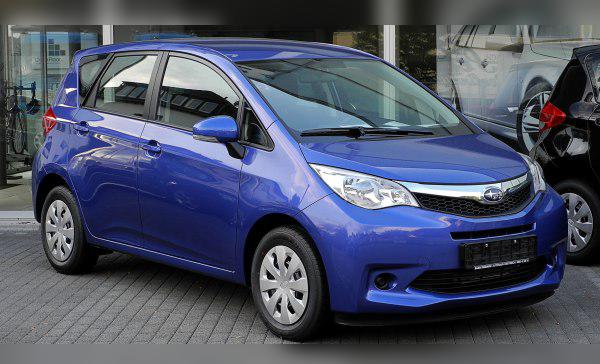
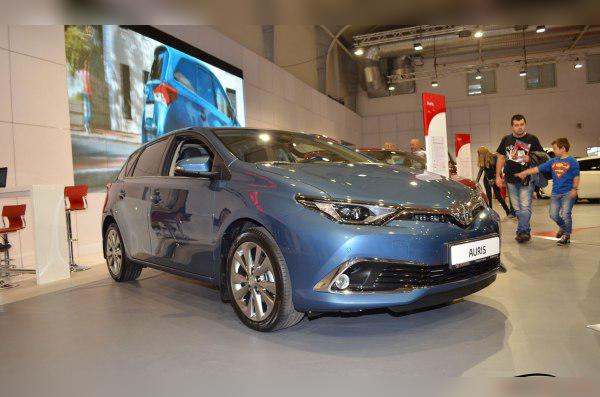
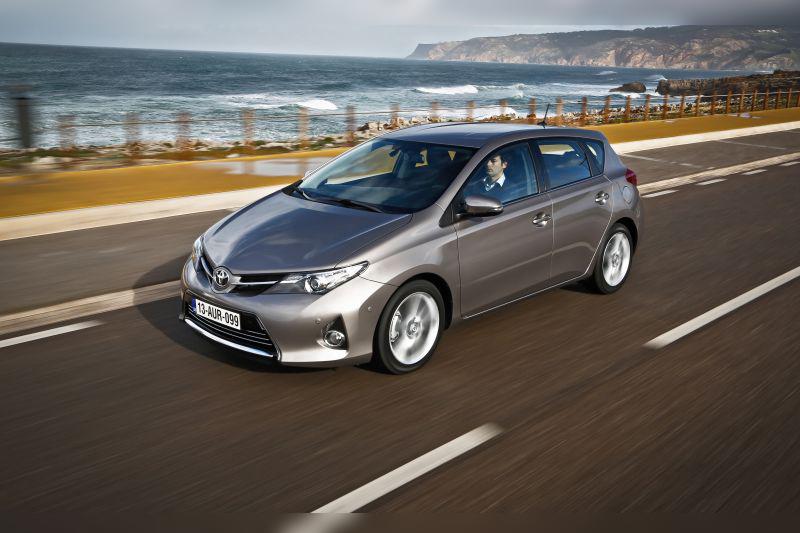
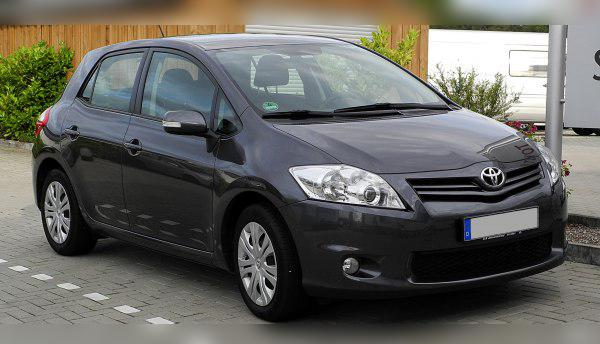
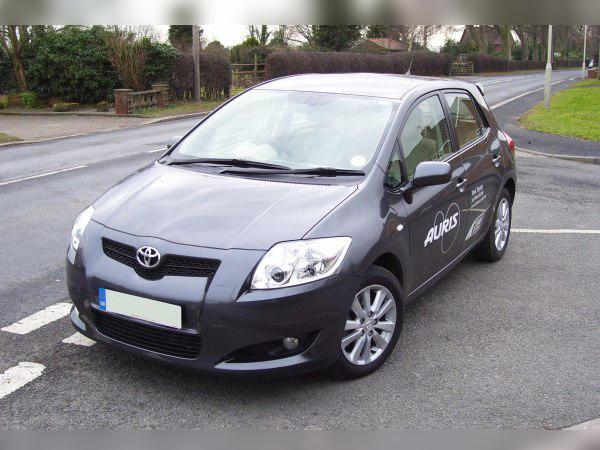
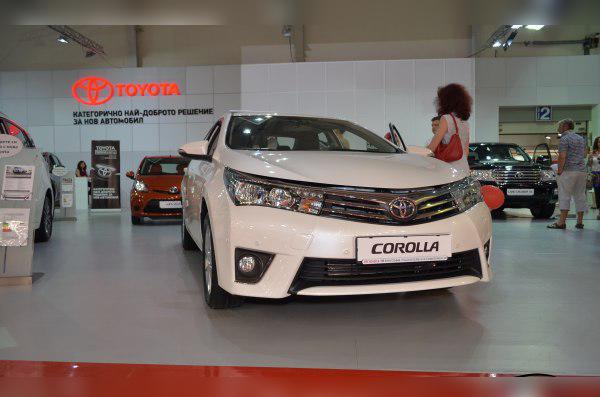
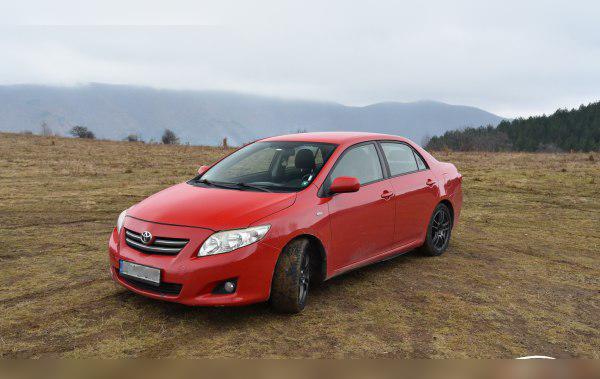
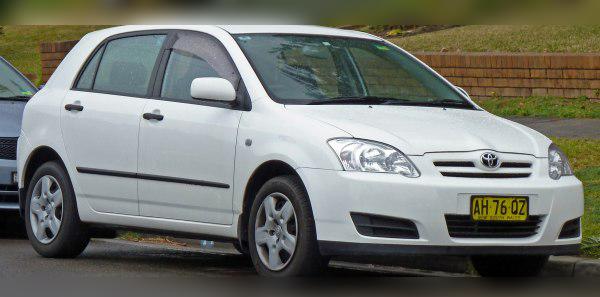
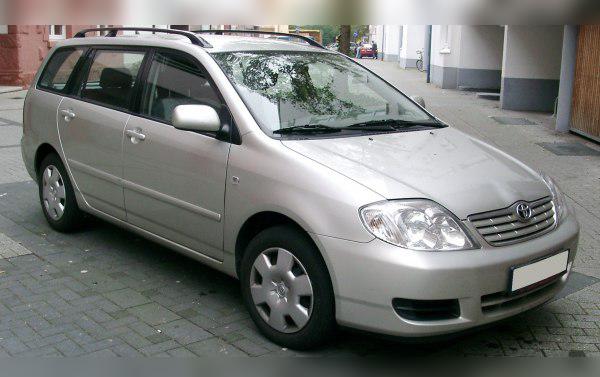
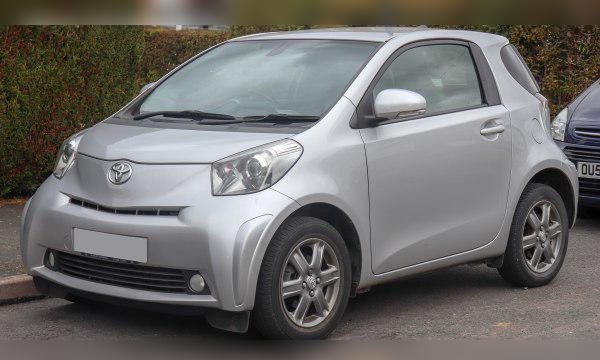
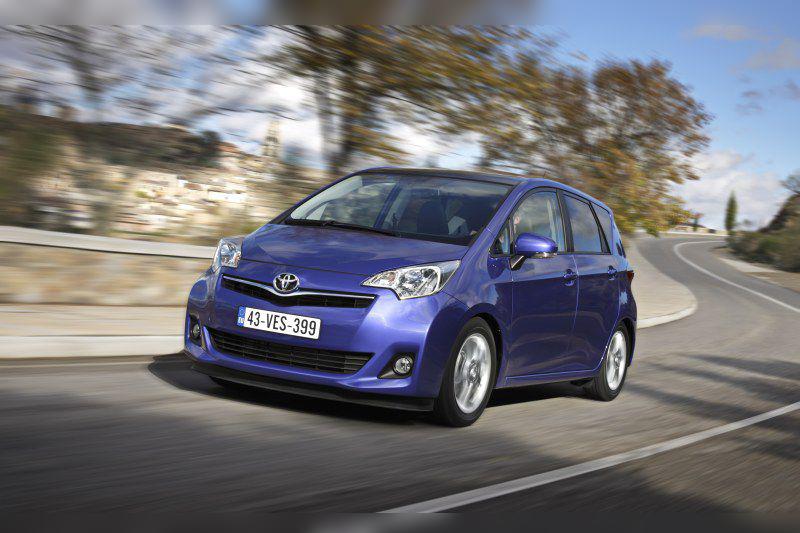
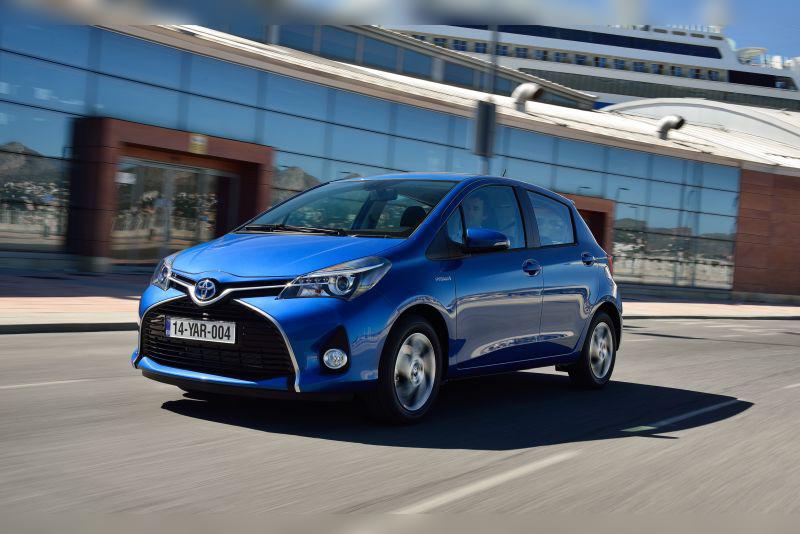
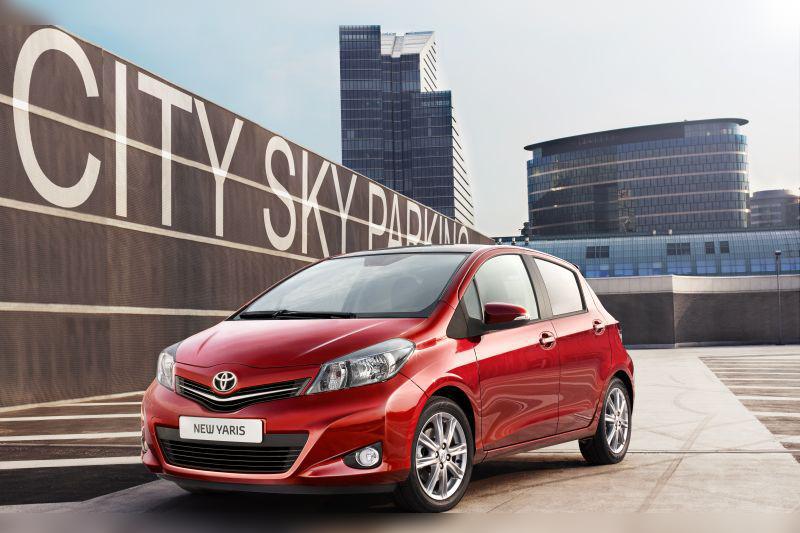
The engine designated 1ND-TV, commercially better known as Toyota’s 1.4 D-4D, is one of the most successful small-displacement diesel engines on the market. Introduced in the early 2000s, it went through several Euro emission standards and upgrades. The engine block is made of aluminium, it has only 8 valves (SOHC) and a single camshaft, which is somewhat unusual for modern diesels, but has proven to be a recipe for indestructibility. It was installed in a wide range of vehicles, from city runabouts such as the Yaris and iQ, through the compact Auris and Corolla, all the way to mini MPVs (Verso-S, Urban Cruiser) and badge-engineered siblings from other brands such as the Subaru Trezia. The reason for its popularity is simple: it offers diesel-level economy, but is largely free from the usual “teething problems” that plague modern common-rail diesels.
Technical specifications
| Parameter | Data |
|---|---|
| Engine code | 1ND-TV |
| Engine displacement | 1364 cc |
| Power | 66 kW (90 hp) |
| Torque | 190 Nm (at 1800–3000 rpm) |
| Injection type | Common rail (direct injection) |
| Aspiration | Turbocharger with intercooler |
Reliability and maintenance
Chain instead of timing belt
The main advantage of the 1ND-TV engine is that it uses a timing chain to drive the camshaft instead of a timing belt. The chain is designed to be extremely robust. A classic major service (in the sense of replacing the belt, tensioners and rollers every 80–100,000 km) simply doesn’t exist on this engine. In practice, the condition of the chain, guides and tensioner is checked at around 200,000 to 250,000 km. If the oil is changed regularly, the chain often outlives the car itself. Still, at around 100,000 km it is recommended to replace the auxiliary (serpentine) belt, water pump and coolant, which would be the equivalent of a “half-major” service.
Most common issues
This engine is quite resistant to expensive failures, but it’s not perfect. Its biggest enemy is city driving. In such conditions, the EGR valve often clogs up due to soot build-up, which manifests itself as loss of power, jerking at low revs and the “Check Engine” light coming on. On models with Euro 5 and Euro 6 standards (mostly after 2009/2010), a clogged DPF filter is a common problem if the car is not regularly driven on open roads to complete regeneration. Early production batches had occasional issues with oil consumption, but Toyota later solved this by modifying the piston rings.
Oil and service intervals
The sump holds about 3.9 to 4.2 litres of oil (depending on sump shape and filter). The recommended grade is 5W-30. If the car is equipped with a DPF filter, it is mandatory to use oil with the ACEA C2 (Low SAPS) specification so that ash does not permanently clog the particulate filter. Minor services are done every 10,000 to 15,000 km. Oil consumption between services is usually minimal. Loss of up to 0.5 litres per 10,000 km is considered completely normal, but if the engine frequently needs topping up, this is a sign of worn rings or poor sealing in the turbo.
Injection system: Injector longevity
On this diesel, the injectors are usually piezo-electric units from Bosch or Denso (depending on production year). They have proven to be very durable. They often last over 200,000 to 250,000 km before showing the first signs of wear. Symptoms of worn injectors include difficult cold starting, uneven idle, “knocking” from the engine while cold, and black smoke from the exhaust when you suddenly floor the accelerator.
Specific parts (costs)
Flywheel and clutch
Here’s the best news for used-car buyers: the 1.4 D-4D paired with a manual gearbox does not have a dual-mass flywheel! It uses a simple, solid flywheel. This means that a clutch kit (pressure plate, disc, release bearing) is quite affordable (exact price depends on the market). You won’t be facing those terrifying bills of several hundred euros that are standard with 1.9 or 2.0 diesels from that era.
Turbocharger and emissions
Depending on the model year, the 1ND-TV uses either fixed-geometry or variable-geometry (VGT) turbochargers. VGT turbos are more efficient and reduce turbo lag. Turbo lifespan is excellent; it usually goes beyond 250,000 km without overhaul, provided you don’t switch off a hot engine immediately after hard motorway driving and you change the oil regularly. As for emissions, we’ve already mentioned the EGR and the DPF filter (present on newer variants). Fortunately, this engine does not use AdBlue fluid. The system is solved purely through engineering – combustion and particulate filters – which greatly simplifies and cheapens ownership: no AdBlue pump failures, level sensors and similar nightmares.
Fuel consumption and performance
Real-world consumption and agility
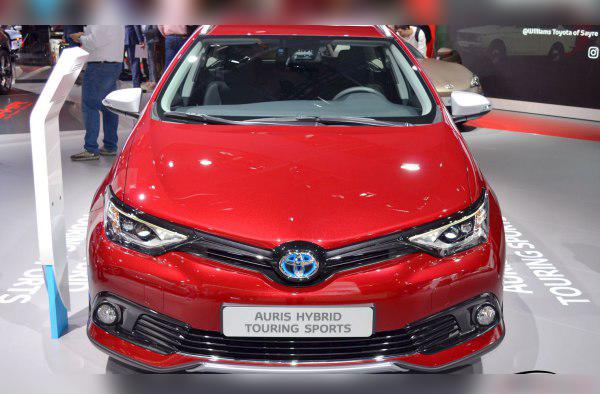
The engine was designed with an emphasis on economy. In stop‑and‑go city driving, fuel consumption is around 5.5 to 6.5 l/100 km. On country roads it can drop to an impressive 4.0 litres. Is it sluggish? That depends on the car it’s in. In the Yaris and iQ, with its 90 hp and 190 Nm, this engine really makes the car feel lively and very nippy. In heavier bodies such as the Corolla XI (E170) or the Auris Touring Sports estate, the lack of breath is noticeable. It’s not sluggish for everyday normal driving, but when overtaking uphill with a full load (four people and luggage), you’ll need to shift down and have a bit more patience.
Behaviour on the motorway
On the motorway it feels stable. When paired with the more modern 6‑speed manual gearbox, at 130 km/h the crankshaft spins at an ideal ~2400 to 2600 rpm. The engine is not too noisy at that point, and fuel consumption is around 5.5 to 6 l/100 km. Older 5‑speed versions rev a bit higher, so cabin noise is slightly more noticeable and consumption is marginally higher.
Additional options and modifications
Remapping (Stage 1)
Although it is a small workhorse engine, the 1ND-TV has solid potential for a safe power increase. An optimal Stage 1 remap usually raises power from 90 hp to about 110 to 115 hp, while torque increases to approximately 230–240 Nm. This turns heavier models (Auris, Corolla) into much more pleasant cars to drive on open roads. Since there is no dual-mass flywheel, the drivetrain is under less stress, but before remapping you should definitely check the condition of the clutch disc, as the higher torque can cause it to slip if it’s near the end of its service life.
Gearbox: Manual vs automatic (MMT)
Gearbox choice and common failures
Buyers may come across three types of gearboxes: a conventional 5‑speed manual, a 6‑speed manual and an automatic labelled MMT (Multi‑Mode Transmission). Manual gearboxes are extremely reliable, precise and rarely fail. The oil in the manual gearbox should in principle be changed every 60,000 km to preserve the synchros and bearings (it uses specific API GL‑4 oil, 75W‑90 grade).
The MMT automatic is a story of its own – and not a good one. It is not a true automatic (with a torque converter), but a regular manual gearbox fitted with electro‑mechanical actuators (robots) that press the clutch and change gears instead of you. These actuators are very sensitive. Clutch actuator failures, gearbox ECU failures and clutch wear are extremely common in city driving. Replacing the actuator is very expensive (exact cost depends on the market). Symptoms of MMT problems include: juddering when moving off, the gearbox shifting itself into “N” (neutral) while driving, and harsh gear changes.
Buying used and conclusion
What to check before buying?
- Cold start: The engine should fire up instantly, without harsh metallic noises (chain rattle) and without a cloud of blue or black smoke. White smoke is normal while the system is cold (condensation), but it must not smell of unburnt diesel.
- Turbo and sealing: Check the hoses around the intercooler. It’s normal for them to be slightly oily, but oil must not be dripping out. If you hear a sound like an ambulance siren when accelerating, the turbo is due for a rebuild.
- Gearbox (if MMT): Test it on an uphill. If it starts to shudder, hesitate or change gears with a thump in your back, walk away from that car or factor in a large repair bill.
- EGR/DPF diagnostics: Hook the car up to an OBD diagnostic tool and check when the last DPF regeneration took place and what the current pressure values are.
Final verdict
The 1ND-TV engine (1.4 D-4D with 90 hp) is a real gem on the used-car market. Thanks to its design (chain, no dual-mass flywheel, no AdBlue system) it offers peace of mind that is rarely seen in today’s modern diesels. It is aimed at rational drivers for whom longevity, low maintenance costs and low fuel consumption are absolute priorities. In smaller models such as the Yaris it is a perfect city runabout, while in the Auris and Corolla it is a dependable cruiser. If you find a well‑maintained example with a manual gearbox, it is a highly recommended purchase.