Toyota 1ZZ-FE 1.8 VVT-i (129 hp): Experiences, problems, fuel consumption and used-car buying tips
Key points (TL;DR)
- Extremely reliable naturally aspirated petrol engine, but known for increased oil consumption on models produced before 2006.
- The engine uses a timing chain which is durable and rarely needs replacement before 250,000 km.
- No expensive components such as a dual-mass flywheel, turbocharger or DPF filter, which significantly reduces maintenance costs.
- Handles LPG conversion very well, but installation of a valve lubrication system (valve saver) is strongly recommended.
- When buying used, avoid MMT (robotised) gearboxes as they are prone to expensive failures and jerky operation.
- Regular maintenance is not expensive (depends on market), but checking the oil level must become a routine.
Contents
- Introduction: Get to know the 1ZZ-FE
- Technical specifications
- Reliability and maintenance
- Specific components (costs)
- Fuel consumption and performance
- Additional options and modifications
- Gearbox and drivetrain
- Buying used and conclusion
Introduction: Get to know the 1ZZ-FE
The 1ZZ-FE is one of the most widespread and best-known Toyota petrol engines from the late nineties and early 2000s. It is an aluminium 1.8‑litre engine equipped with the VVT-i system (variable valve timing). It was developed to replace heavier cast-iron block engines, bringing lower weight, better efficiency and smoother operation.
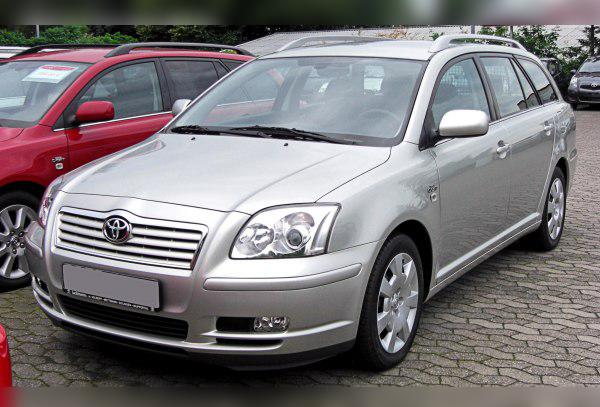
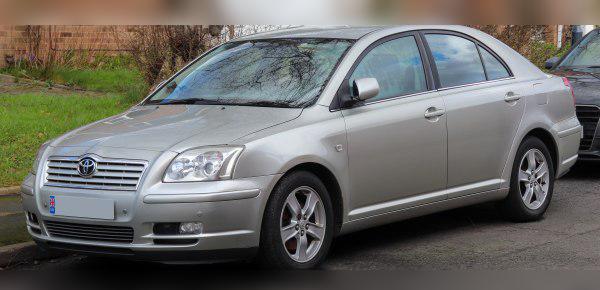
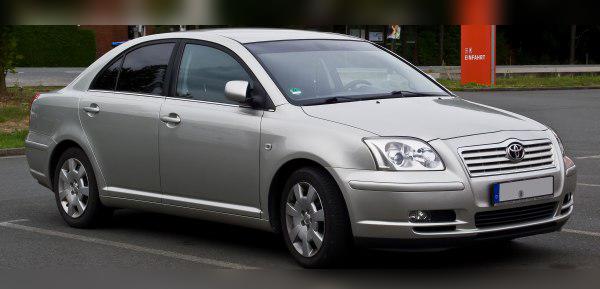
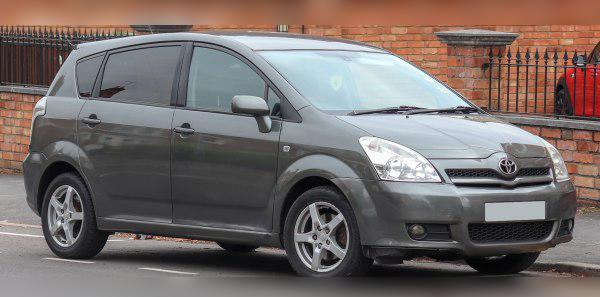
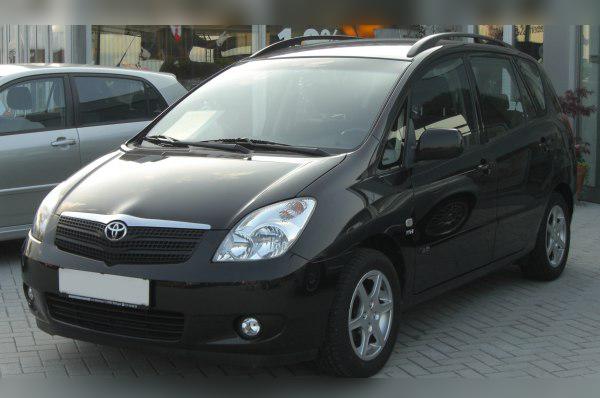
It was installed in very popular family cruisers such as the Toyota Avensis II (sedan, wagon and hatchback), as well as in practical MPV models Corolla Verso I and II. Thanks to its design, this engine became a favourite choice for drivers who cover high mileages and want reliability without the stress that modern diesel engines bring, although it does have one specific flaw every potential buyer must be aware of.
Technical specifications
| Specification | Data |
|---|---|
| Engine code | 1ZZ-FE |
| Displacement | 1794 cc |
| Power | 95 kW (129 hp) at 6000 rpm |
| Torque | 170 Nm at 4200 rpm |
| Induction type | Naturally aspirated |
| Injection type | Port fuel injection (MPI) |
| Fuel | Petrol |
Reliability and maintenance
Timing system: Chain or belt?
This engine uses a timing chain instead of a timing belt. In practice, this means that there is no major timing service in the classic sense and it is not done at a fixed mileage. The chain on 1ZZ-FE engines is of very high quality and very rarely needs to be replaced before 250,000 to 300,000 km. The driver will know the chain is due for replacement when, on cold start, the engine begins to make a characteristic rattling noise, or when diagnostics report a synchronization error between the crankshaft and camshaft.
Most common failures and oil consumption (Main weakness)
The biggest and practically the only serious weakness of this engine, especially on model years from 1998 to mid‑2005, is drastic oil consumption. The root cause lies in poorly designed pistons – the oil return holes below the oil control rings are too narrow. Due to insufficient flow, oil bakes there and forms coke deposits, which leads to complete clogging and sticking of the oil control rings. At that point, oil seeps into the combustion chamber.
The symptoms are obvious: bluish smoke from the exhaust when you press the accelerator and the need for constant topping up. After 2005 Toyota redesigned the pistons, enlarged the drain holes and solved the problem. If you are buying an earlier model year, there is a high chance the engine has already been opened to replace the rings. If not, you can expect consumption easily exceeding 1 litre per 1000 km. Normal consumption of a healthy engine should not exceed 0.2 to 0.3 litres between services.
Oil and spark plugs
The sump of this engine holds about 4.2 litres of oil with the filter. A fully synthetic 5W-30 grade is recommended, as it allows proper operation of the VVT-i hydraulic valve. An oil change service should be done every 10,000 to 15,000 km. As for ignition, this is a petrol engine and the use of higher-quality iridium or platinum spark plugs is recommended. Standard plugs are replaced every 30,000 km, while iridium plugs last up to 90,000 km, so although they are more expensive, they are a better long-term investment.
Specific components (costs)
When it comes to more expensive assemblies, this engine is a dream for anyone on a tighter budget. The engine does not have a dual-mass flywheel (it uses a conventional solid flywheel). The injection system is the usual and reliable MPI (port injection). The petrol injectors on this engine are almost indestructible, are not sensitive to poorer fuel quality and rarely get dirty, and repairs are very cheap.
The engine is naturally aspirated, which means it does not have a turbocharger (neither one nor two), so potential turbo overhaul costs are zero. Also, since this is an older-generation petrol engine, it does not have a DPF filter or an AdBlue system, both of which give diesel owners serious headaches. Some models are equipped with an EGR valve for emissions, but unlike diesels, petrol EGRs rarely clog with soot and it is usually enough to clean them every 100,000 km.
Fuel consumption and performance
With 129 horsepower and 170 Nm of torque, the 1ZZ-FE is not a racing engine. In heavier bodies such as the Avensis II wagon and Corolla Verso, the engine can feel “lazy” at low revs. If you want sharper acceleration for overtaking, the VVT-i technology requires you to rev the engine above 4000 rpm – that is where it “comes alive” and shows its power, but it also becomes noticeably louder.
Real-world fuel consumption in city driving is around 9.5 to 11.0 l/100 km, depending on traffic and how heavy your right foot is. On the motorway the situation is better, around 7.5 l/100 km. However, due to the five-speed manual gearbox in most versions, at 130 km/h the engine spins at about 3500–3700 rpm, which brings a bit more noise into the cabin on longer journeys.
Additional options and modifications
LPG conversion
Thanks to its port fuel injection, this engine is very suitable for LPG conversion. However, there is one big catch: Toyota valves and valve seats do not tolerate well the increased combustion temperatures of LPG. That is why installing a valve saver system (an additional valve lubrication and cooling system – Flashlube) is mandatory. If the system is installed correctly and a valve saver is fitted, the engine will run on LPG for hundreds of thousands of kilometres without issues.
ECU remap (Stage 1)
Since this is a naturally aspirated petrol engine, a software “tune” (Stage 1 remap) is completely pointless and a waste of money. Changing the fuel and ignition maps can bring at most 5 to 8 hp, which the driver will not really feel in practice. Any ECU modification is not recommended.
Gearbox and drivetrain
Three types of gearboxes were fitted with this engine:
- 5-speed manual gearbox: Very precise and mechanically robust. The most common issue is worn synchros on 2nd and 3rd gear on cars that have been driven aggressively (harder engagement into gear). Since the engine does not have a dual-mass flywheel, a complete clutch kit (disc, pressure plate, release bearing) is not expensive (depends on market) and is replaced as needed, most often between 150,000 and 200,000 km.
- Automatic gearbox with torque converter (conventional automatic): An old, robust 4-speed Aisin automatic. It is not the fastest and slightly increases fuel consumption, but it is practically indestructible if the oil is changed every 60,000 km.
- MMT (MultiMode) gearbox: Robotised manual gearbox (mainly in the Corolla Verso). This should be avoided at all costs! Driving is jerky, the system wears out the clutch kit quickly, and the actuators (small motors that change gears) often fail. Repairing the actuators and calibrating the MMT gearbox is expensive and very expensive when it requires replacement of the entire mechanism (depends on market).
It is advisable to change the oil in the manual gearbox every 60,000 to 80,000 km, which extends the service life of the bearings and synchros.
Buying used and conclusion
What to check when buying?
When looking at a used car with the 1ZZ-FE engine, your main focus must be on oil consumption. Let the car idle until it warms up, then ask someone to rev the engine hard while you watch the exhaust. If a cloud of blue smoke appears, you are looking at a “semi‑rebuild” (replacement of piston rings and valve stem seals). Be sure to listen to the timing chain on a cold start – metallic rattling in the first two seconds means it is time for a new timing set. If the car has an MMT gearbox, test it in stop‑and‑go city traffic; if it jerks or struggles to pull away from a standstill, walk away from the deal.
Who is it for?
A Toyota with the 1ZZ-FE 1.8 engine is a fantastic choice for families who want a car that will take them safely and reliably from point A to point B, with minimal maintenance costs. If you avoid the “oil drinkers” from the early production years (or buy a car on which this issue has already been fixed) and stay away from the MMT gearbox, you get an engine which, with regular oil changes, will outlive the car’s body itself.