Toyota 2AZ-FE 2.4 (160 HP): Experiences, issues, fuel consumption and used-car buying tips
Key points in short (TL;DR):
- Excellent foundation: A robust naturally aspirated engine without complicated systems like a turbo, sensitive injectors or a DPF filter.
- Main drawback – Oil consumption: Due to the specific piston ring design, many units consume larger amounts of oil, which requires regular checking.
- Serious failure: On certain production batches, the threads of the cylinder head bolts can pull out of the aluminum block.
- Timing chain drive: The engine has no timing belt; timing is handled by a long-lasting chain that is rarely replaced.
- LPG: It handles LPG very well, which is a lifesaver for your wallet given the higher city fuel consumption.
- Low drivetrain maintenance costs: It mostly uses a solid flywheel, and the automatic transmissions are old-school but virtually indestructible.
Contents
- Introduction and engine history
- Technical specifications
- Reliability and maintenance
- Specific parts and costs
- Fuel consumption and performance
- Additional options and modifications
- Transmissions and drivetrain
- Buying used and conclusion
Introduction and engine history
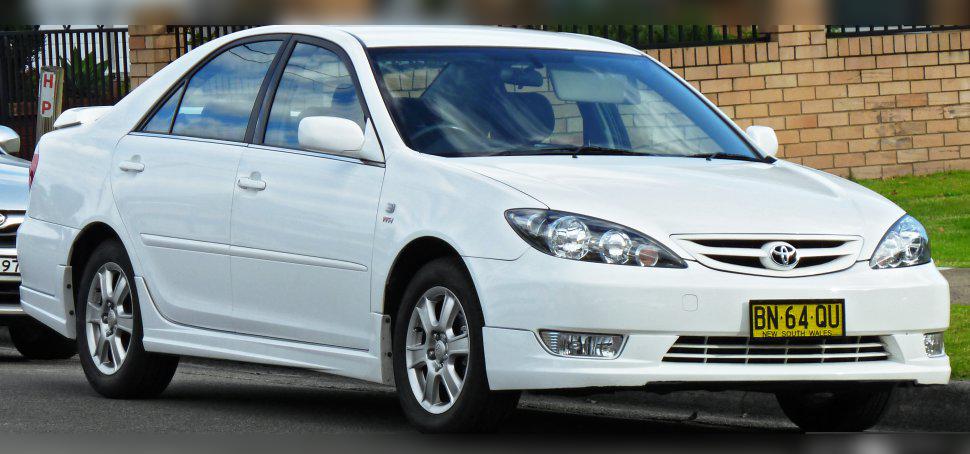
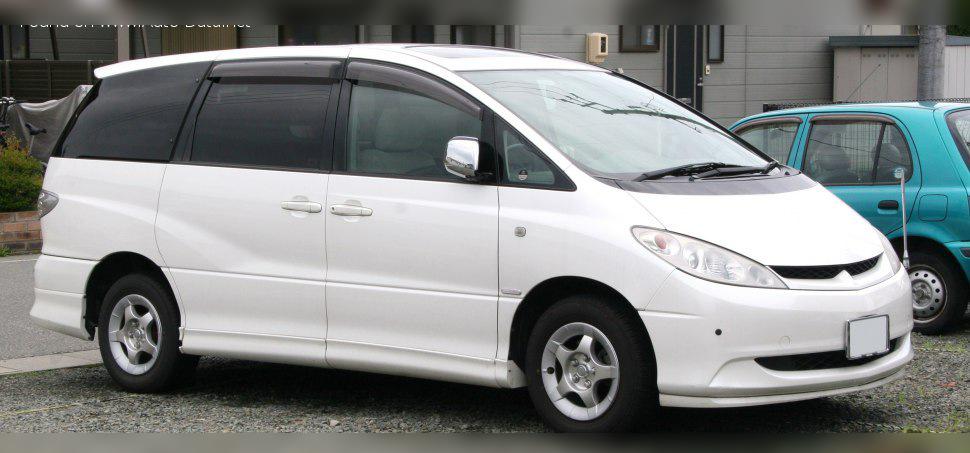
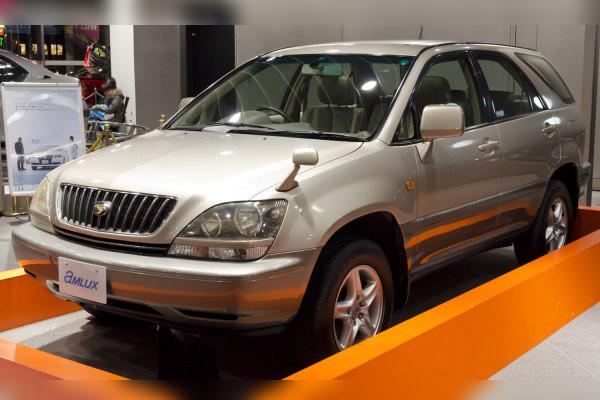
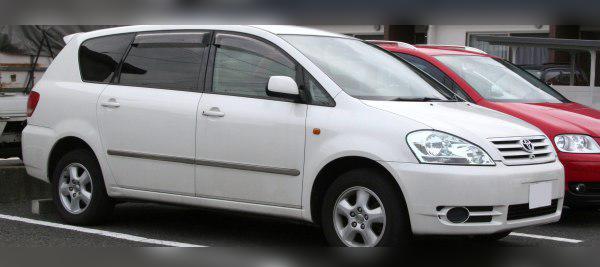
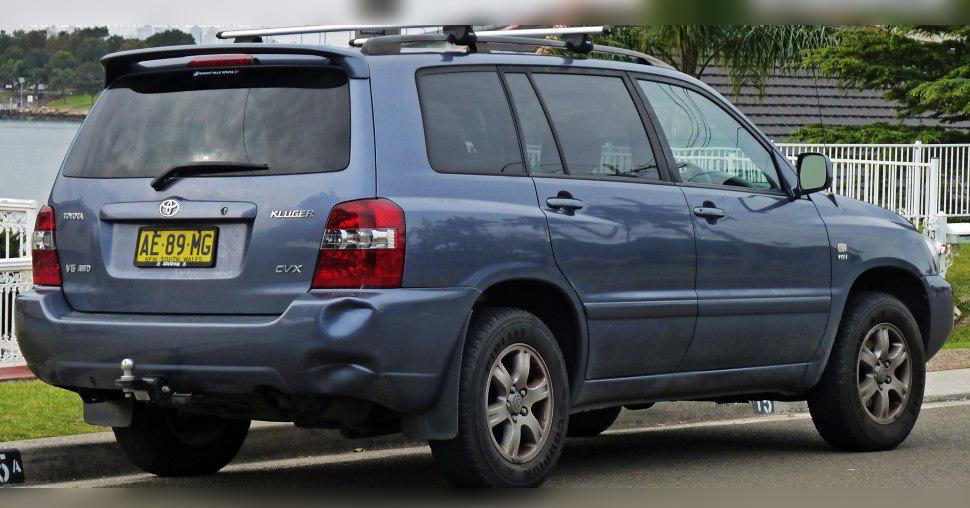
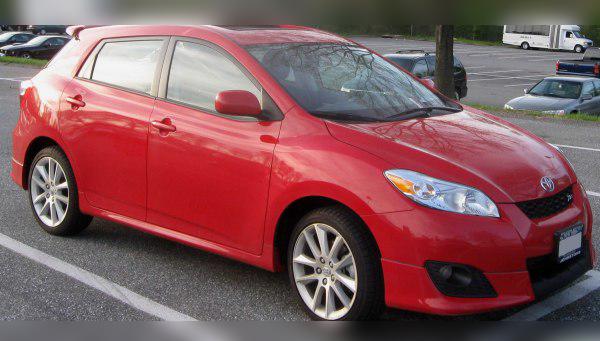
When people talk about Toyota’s reliability in the early and mid-2000s, the 2AZ-FE 2.4-liter engine is often in the spotlight. This petrol inline-four was conceived as a universal “workhorse.” It was installed in an impressively wide range of vehicles worldwide – from elegant sedans like the Toyota Camry, through practical models like the Matrix, to heavy SUVs and minivans such as the Harrier (Lexus RX), Kluger (Highlander), Estima, Ipsum and the luxury Alphard. Its cast aluminum construction (both block and head) reduced weight, but also brought some specific weaknesses that every potential buyer needs to know about before signing a purchase contract.
Technical specifications
| Parameter | Value |
|---|---|
| Displacement | 2362 cc |
| Power | 118 kW (160 HP) |
| Torque | 225 Nm |
| Engine code | 2AZ-FE |
| Injection type | MPI (Multi-Point Injection – port injection) |
| Turbo / NA | Naturally aspirated (No turbo) |
Reliability and maintenance
One of the first questions every buyer asks is about the timing system. This engine uses a chain instead of a timing belt. The chain is quite massive and designed to last as long as the engine itself. A typical “major service” (where the timing belt kit is changed every 60,000 to 90,000 km) simply doesn’t exist here. However, at mileages above 250,000 km the chain can stretch and the guides can wear, which you will notice as a metallic rattling noise during a cold start. Replacing the timing chain kit is a moderately expensive job (depends on the market).
Most common issues and oil consumption
This engine has two well-known weak points. The first is increased oil consumption. Due to the design of the pistons and the oil return holes under the oil control rings (which are too small and prone to clogging with carbon deposits), the engine starts burning oil. Consumption of up to 0.5 liters per 1000 km is considered normal, but neglected units can use significantly more. If you’re buying a car with this engine, make sure to check the dipstick between services!
The second, much more serious issue (especially on models up to around 2006/2007) is the cylinder head bolts pulling their threads out of the engine block. The block is aluminum, and due to thermal stress, the threads can fail. Symptoms include coolant leaks on the rear side of the engine, mixing of oil and coolant, overheating, and coolant being pushed out of the expansion tank. The repair requires removing the head and cutting new threads with steel inserts (helicoils), which is quite expensive (depends on the market).
Regular maintenance
The engine takes about 4.3 liters of oil, and the recommended grade is 5W-30 (or 0W-20 for colder climates and later production series). An oil service is done every 10,000 to 15,000 km. Since this is a petrol engine, ignition is handled by spark plugs. Only high-quality iridium spark plugs are recommended, with a service life of about 90,000 to 100,000 kilometers. Replacing them is not a major expense.
Specific parts and costs
From a mechanical standpoint, the 2AZ-FE is a true example of old-school design, which means it is free of many expensive modern components. The engine does not have a dual-mass flywheel on most models with a manual gearbox (it uses a solid flywheel), which means that replacing the clutch kit is a relatively inexpensive operation (depends on the market).
The fuel system is conventional sequential port injection (MPI). The injectors on this engine are extremely robust and rarely cause problems. They are not as prone to clogging and failure as on direct-injection engines, and even if they do fail, both used and new ones are very affordable. Also, since this is a naturally aspirated petrol engine, there is no turbocharger, no DPF filter, and no AdBlue system that often fail on modern diesels. There is an EGR valve used to reduce NOx emissions, but it rarely causes serious issues and is easy to clean roughly every 100,000 km.
Fuel consumption and performance
The 2.4-liter displacement and lack of a turbo mean you need to be realistic with your expectations regarding fuel consumption. Real-world city consumption for lighter models like the Camry is around 11 to 12 l/100 km. However, in heavier vehicles (SUVs like the Harrier, Kluger with 4x4, or vans like the Alphard), city consumption in winter easily climbs to 13 to 15 l/100 km.
Driving characteristics and highway behavior
Is the engine “lazy”? In a Matrix or Camry it offers perfectly adequate performance – it accelerates smoothly and linearly. However, with 160 HP and only 225 Nm of torque, in heavy SUVs (which often weigh around 1.8 tons) it can feel sluggish, especially when overtaking uphill, because you have to rev it high to get the power out. On the highway it is comfortable, but due to the older-generation transmissions, at 130 km/h the engine usually cruises at a somewhat high 3000 to 3200 rpm, which you will notice as slightly increased cabin noise and fuel consumption of about 8.5 to 10 l/100 km.
Additional options and modifications
Good news for drivers worried about high fuel consumption is that the 2AZ-FE is extremely suitable for LPG conversion. MPI injection allows for an easy and not too expensive installation of a sequential LPG system. The engine tolerates LPG combustion very well, but it is necessary to check and, if needed, adjust the valve clearances every 60,000 to 80,000 km (they are adjusted with shims/buckets), because LPG raises combustion temperatures. Installing a valve lubrication system is recommended, although mechanics’ opinions on this vary.
As for remapping (Stage 1), in short: forget about it. This is a naturally aspirated engine. With software optimization you will gain at most 8 to 12 HP and a few Nm of torque, which is practically imperceptible in real driving. Tuning naturally aspirated engines is usually just throwing money away.
Transmissions and drivetrain
This engine was paired with a range of very reliable transmissions. Among manuals, the most common is the five-speed (mainly in Camry and Matrix models). Manual gearbox failures are extremely rare; at worst, the synchros for the lower gears may wear out with aggressive driving, while the clutch kit is conventional and its replacement is not a major hit to the household budget (depends on the market).
Automatic transmissions are what this engine was most often combined with (especially on import models like the Alphard and Harrier). These are Aisin 4-speed and later 5-speed automatic transmissions with a torque converter (hydrodynamic). These gearboxes are mechanically indestructible, under one condition: regular maintenance.
The most common “failures” of these automatics actually come from neglect – jerks when engaging “D” or “R”, as well as hesitation when changing gears. The transmission fluid must be changed every 60,000 kilometers (together with the filter located in the transmission pan). If you buy a car where the fluid has never been changed and it has done 250,000 km, there is a risk that the gearbox will soon need an overhaul.
Buying used and conclusion
Buying a vehicle with the 2AZ-FE engine requires a bit of attention, despite the famed Japanese reliability. Here’s what you must check when inspecting a used car:
- Oil level on the dipstick: If it’s at the minimum or barely visible, the previous owner did not top it up regularly, which points to a problem with the piston rings.
- Exhaust smoke: Have someone else start the completely cold engine while you watch the exhaust. Bluish smoke means it’s burning oil.
- Overheating and coolant: Let the car reach its normal operating temperature of about 90°C. Check for hidden traces of pink/red coolant around the rear side of the engine block. Turn the engine off, wait, and carefully check the coolant in the radiator – there must be no traces of engine oil (mayonnaise-like sludge).
- Timing chain noise: Listen to the engine during a cold start. If you hear metallic rattling for the first few seconds, be prepared to replace the chain in the near future.
Who is this engine for?
The Toyota 2AZ-FE 2.4 is for drivers who value mechanical simplicity and want a car without the potentially “fatal” repair bills of modern diesels and turbocharged petrol engines (injectors, high-pressure pumps, DPF). Although you will spend more at the fuel station due to higher fuel consumption (which can be easily mitigated by installing LPG), you will visit the workshop lift mostly for regular servicing only. Find an example where the oil consumption and head bolt thread issues have been properly addressed, and that car will serve you for hundreds of thousands of kilometers without stress.