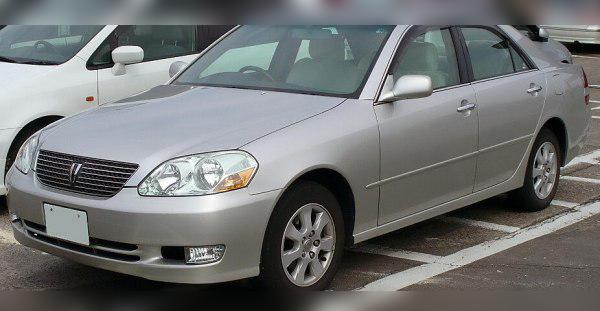
Toyota / Lexus 2JZ-GE 3.0 (220 hp): Ownership impressions, problems, fuel consumption and used-buying tips
Key points (TL;DR)
- Exceptional mechanical reliability: Among the most durable inline-six engines ever made.
- Fuel consumption is high: Expect 14 to 16 l/100 km in city driving.
- Ideal for LPG (autogas): The indirect injection system handles gas very well.
- Naturally aspirated engine (no turbo): Power delivery is linear, and maintenance is cheaper because there are no sensitive components like a turbocharger, DPF or direct injectors.
- Requires intake manifold removal to change spark plugs: Due to the specific design, labor for a minor service can be more expensive.
- Most common issues: Oil leaks at the VVT-i pulley, hardened valve stem seals and worn ignition coils.
Contents
- Introduction: A legend in civilian clothes
- Technical specifications
- Reliability, maintenance and failures
- Specific parts and costs
- Fuel consumption and performance
- Extras, LPG and modifications
- Gearbox and drivetrain
- Buying used and conclusion
Introduction: A legend in civilian clothes
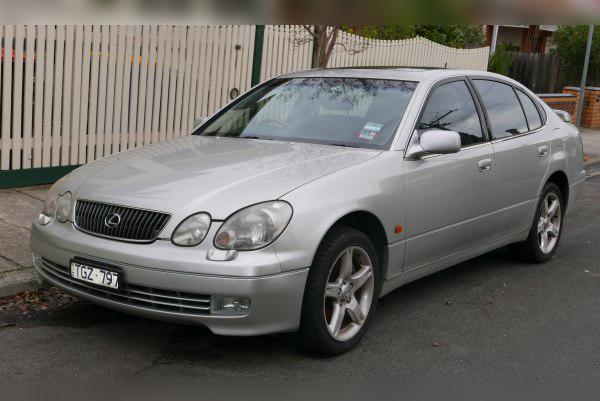
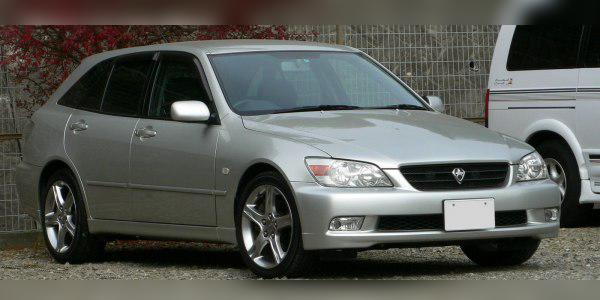
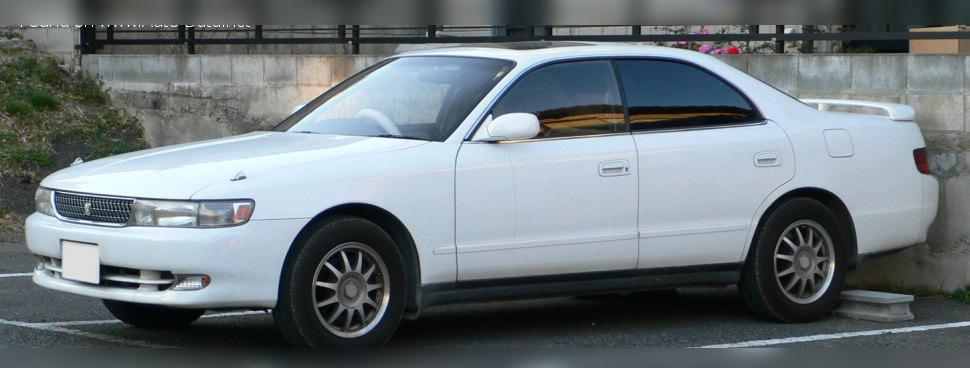
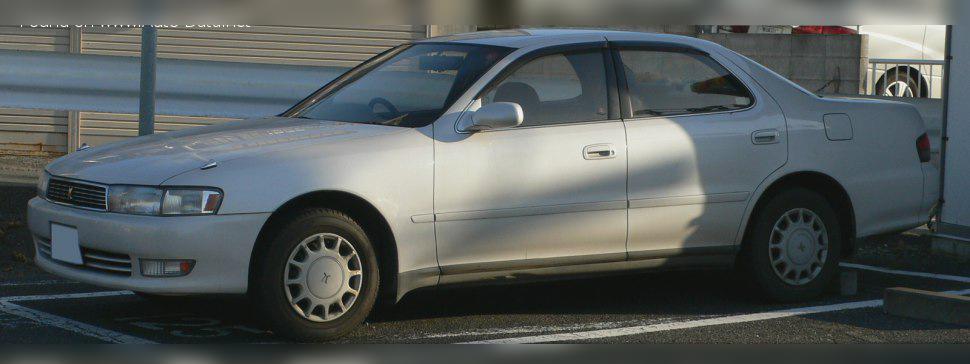
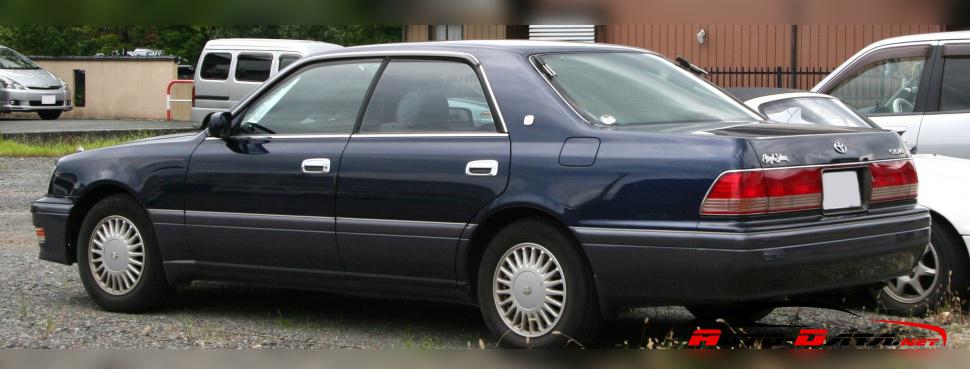
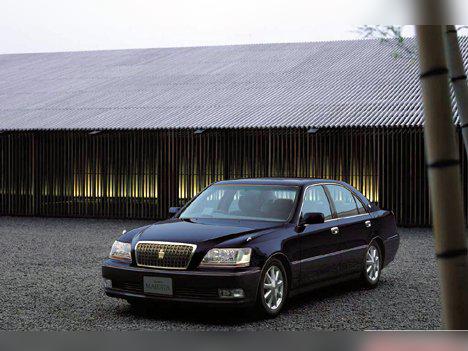
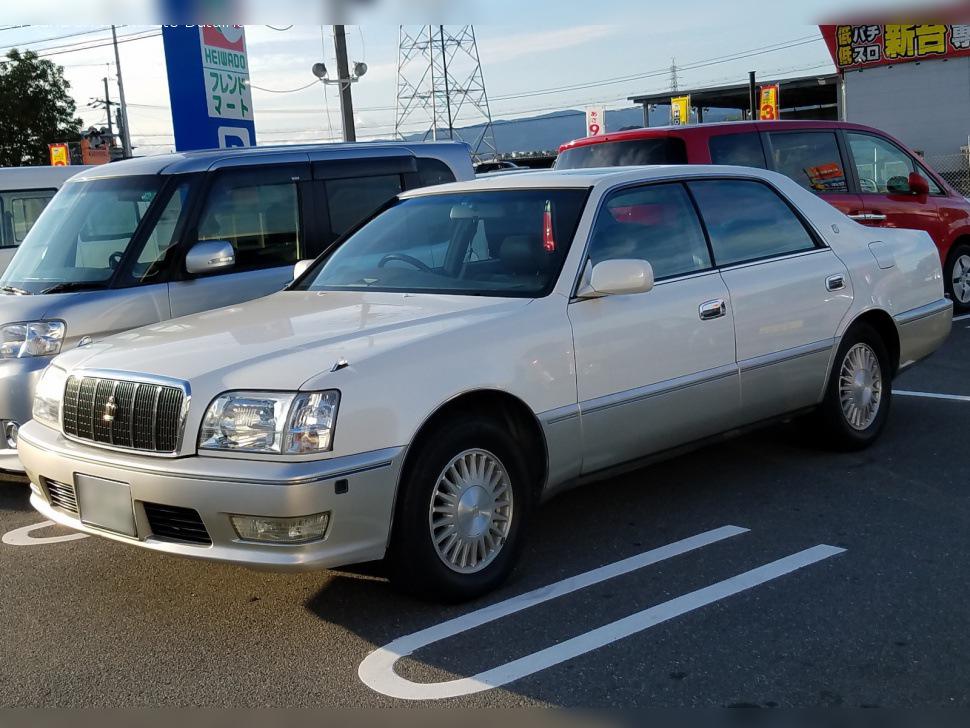
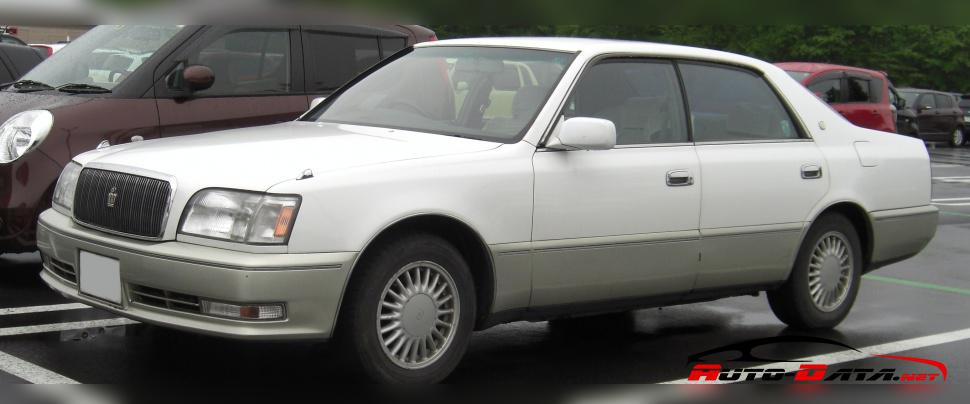
When someone says "2JZ", most car enthusiasts immediately think of the Toyota Supra and huge horsepower figures. However, the 2JZ-GE is the naturally aspirated version of this famous engine (without a turbocharger). It was mostly installed in luxury sedans with rear-wheel drive or all-wheel drive, such as the Lexus GS II, Toyota Crown, Mark II, Chaser and Altezza Gita.
This 3.0-liter inline-six was designed with a single goal: to provide extremely smooth operation (thanks to the perfect balance of an inline-six), longevity and quiet cruising. On the used market, these cars are often bought precisely because of this engine, which offers “gentlemanly” performance with minimal stress for the owner, provided it has been regularly maintained.
Technical specifications
| Parameter | Value |
|---|---|
| Engine displacement | 2997 cc (3.0L) |
| Configuration | Inline 6-cylinder (R6 / I6) |
| Power | Approx. 162 kW (220 hp) |
| Torque | 296 Nm (at approx. 4000 rpm) |
| Injection type | Multi-point indirect injection (MPFI) |
| Intake system | Naturally aspirated (no turbo) |
| Valve timing system | Timing belt (DOHC, 24 valves, often with VVT-i) |
Reliability, maintenance and failures
Does this engine have a timing belt or chain?
The 2JZ-GE engine uses a timing belt. It is very important to emphasize the following: early versions (before 1997) without the VVT-i system were “non-interference” (if the belt snaps, the pistons and valves do not collide). However, the newer 220 hp versions we are talking about here are equipped with the VVT-i system and they ARE interference engines. A broken belt will cause severe catastrophic damage to valves and pistons.
At what mileage should the major service be done?
The major service (replacement of timing belt, tensioner, idler pulleys and water pump) must be done every 90,000 to 100,000 km or every 5 to 6 years, whichever comes first. The cost of parts is not excessively high, but the labor is somewhat more demanding (depends on the market).
Oil: capacity, grade and consumption
The engine takes about 5.2 to 5.5 liters of oil. The recommended grade for most climates is 5W-30 (fully synthetic), while for engines with over 300,000 km or in hotter regions people often switch to 10W-40.
Does it burn oil? The engine block and piston rings are incredibly durable, so the 2JZ-GE generally does not consume oil. However, due to the age of these engines, the valve stem seals lose elasticity over time. Because of this, the engine may start to burn oil (up to 1 liter per 3000–4000 km) and emit bluish smoke at the first cold start of the day. Replacing the valve stem seals permanently solves the problem, and the repair cost is moderately high (depends on the market).
At what mileage should the spark plugs be replaced?
Standard spark plugs are replaced at around 30,000 to 40,000 km, while iridium or platinum plugs last up to 90,000–100,000 km. Important note: On 2JZ-GE engines, the intake manifold runs over the engine and blocks access to the spark plugs and coils. To replace the spark plugs, the intake manifold must be removed. For this reason, it is always recommended to install top-quality iridium spark plugs so you pay for labor less frequently.
Most common failures
Apart from the mentioned valve stem seals, the engine is a “tank”. Still, due to age, pay attention to:
- Oil leaks at the VVT-i pulley (cam phaser): The O-ring inside the pulley fails, so oil leaks over the front of the engine.
- Coils and wiring: Due to high temperatures under the intake manifold, the plastic on the coils and connectors becomes brittle and cracks over time, causing engine misfires.
- Leak at the valve cover gasket: A very common and cheap fault, but if ignored, oil fills the spark plug wells and destroys the coils.
Specific parts and costs
Does this engine have a dual-mass flywheel?
In over 95% of cases, this engine is paired with an automatic transmission, which means it does not have a dual-mass flywheel, but uses a hydrodynamic torque converter. In the rare models with a manual gearbox, a solid (single-mass) flywheel was usually fitted, so clutch replacement costs are very low (depends on the market).
Injection system, turbo and emissions
The injection system is classic MPI (indirect injection). The petrol injectors are extremely robust, almost never fail and are not sensitive to poorer fuel quality. Cleaning them in an ultrasonic bath once every 100,000 km is more than enough.
Turbocharger: This model (GE) is naturally aspirated, so it DOES NOT have a turbocharger. That means you are spared from expensive failures of turbos, intercoolers and associated hoses.
Emissions: Forget modern headaches. The 2JZ-GE has no DPF filter (it’s a petrol engine), no AdBlue system, and in most versions not even a complex EGR valve that causes issues, relying instead on the efficiency of the catalytic converter and oxygen sensors. Over time, O2 sensors become “lazy” and can increase fuel consumption; replacement is not expensive (depends on the market).
Fuel consumption and performance
What is the real-world city fuel consumption?
This is the biggest downside of the 2JZ-GE engine. An old-school inline-six combined with a heavy body (Lexus GS, Toyota Crown often weigh over 1,650 kg) and old automatic transmissions means high fuel consumption. In city driving, expect between 14 and 16 liters per 100 km. With the A/C on and a heavy right foot, the figure goes even higher.
Is this engine “lazy”?
With 220 hp and 296 Nm of torque, it cannot be called lazy, but it offers a specific driving feel. It delivers power and torque extremely smoothly and linearly. There is none of that sudden “kick in the back” that modern turbo engines give. Acceleration is continuous and “gentlemanly”. For sporty ambitions in heavy cars, this engine may feel slightly underwhelming, but for everyday use and overtaking it has more than enough power.
What is it like on the highway?
The highway is the natural environment for the 2JZ-GE. At 130 km/h the engine cruises at about 2,500 to 3,000 rpm (depending on whether the car has a 4-speed or 5-speed automatic). Vibration isolation is perfect, and engine noise is barely audible in the cabin. Fuel consumption on the open road drops to a reasonable 8 to 10 l/100 km.
Extras, LPG and modifications
Is this engine suitable for LPG (autogas) conversion?
Absolutely yes. Thanks to its simple indirect injection, the 2JZ-GE works perfectly with sequential LPG systems. Given the high petrol consumption, installing an LPG system pays off many times over. The key is to install higher-quality gas injectors that can keep up with 220 hp and to regularly check valve clearances at very high mileages.
How far can this engine be safely tuned (Stage 1)?
As with most older naturally aspirated engines, a Stage 1 remap is a waste of money. At best, by optimizing ignition maps you will gain a maximum of 10 to 15 hp, which is practically imperceptible in real driving. If enthusiasts want more power, they usually go for an “NA-T” conversion (adding a turbocharger to the NA engine), but that requires serious mechanical work and large investments (very expensive – depends on the market).
Gearbox and drivetrain
Which gearboxes are used and what are the common failures?
The vast majority of these engines are paired with Toyota (Aisin) automatic transmissions. Early versions use a 4-speed automatic (A340E), while newer ones (such as the Lexus GS after the 2000 facelift) use a much more modern 5-speed automatic (A650E). Rare models (like the Toyota Chaser or Mark II) can have 5-speed manual gearboxes (W55 or W58).
- Automatic transmissions: They are built for mileages in the hundreds of thousands. Failures are extremely rare. The only thing that may fail at very high mileage are the shift solenoids inside the gearbox, which results in harsh “thumps” when shifting into higher gears.
- Manual transmissions: They are robust for the stock 220 hp. Failures are almost non-existent, apart from regular replacement of the clutch disc and release bearing. Clutch replacement costs are affordable (depends on the market) because there are no sensitive technologies involved.
Transmission service and oil
For the automatic transmission to last virtually forever, it is necessary to perform regular servicing (replacement of ATF fluid and transmission filter) every 60,000 km. Neglecting this interval leads to sludge build-up and premature wear of the friction discs in the gearbox.
Buying used and conclusion
What exactly should be checked before buying?
Considering that cars with this engine are now over 20 years old, when buying you should focus on:
- Cold start: Let the car sit overnight. Start it and watch the exhaust. If it emits a cloud of bluish smoke that disappears after a few seconds, the valve stem seals are worn.
- Visual inspection under the plastic covers: Shine a flashlight at the front of the cylinder head. If it’s oily around the timing belt and pulley, the VVT-i pulley or camshaft seal is leaking.
- Idling (sound): The engine should run so smoothly that you don’t feel vibrations in the steering wheel. If it shakes at idle, it is either drawing false air or the coils are on their way out.
- Diagnostics: Read the fault codes. Check the condition (voltage) of the oxygen sensors, as old sensors drastically increase fuel consumption.
Conclusion: Who is this engine for?
The Toyota 2JZ-GE 3.0 inline-six (24V) engine is intended for drivers who value reliability and refinement over fuel economy and razor-sharp sporty performance. This is a car that will never leave you stranded, provided you have not neglected it. The ideal formula when buying such a used car is to find a well-preserved example and install a quality LPG system. That way you get a prestigious, quiet and virtually indestructible sedan whose running costs are kept at a reasonable level.