Toyota 3RZ-FE 2.7 (182 hp): Owner experiences, issues, fuel consumption and used-buying tips
- Key points (TL;DR):
- Proper old-school mechanics: an extremely durable engine that covers huge mileages without needing to be “opened”.
- Uses a timing chain that rarely causes headaches.
- No expensive modern systems (no dual-mass flywheel, no turbo, no DPF).
- Fuel consumption is high, especially in city driving and on 4WD models.
- Very well suited for LPG (autogas), which significantly lowers running costs.
- Requires periodic valve clearance checks, which many owners neglect.
Contents
- Introduction: About the 3RZ-FE engine
- Technical specifications
- Reliability and maintenance
- Specific parts and costs
- Fuel consumption and performance
- Additional options and modifications
- Transmissions and drivetrain
- Buying used and conclusion
Introduction: About the 3RZ-FE engine
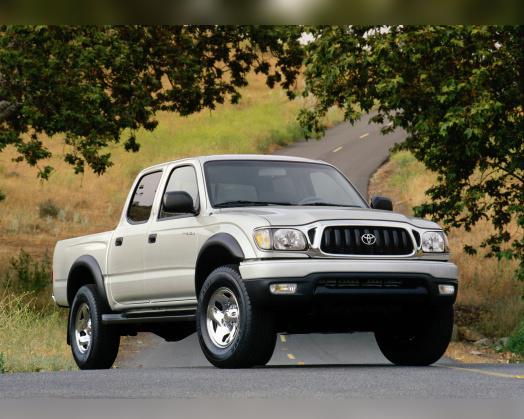
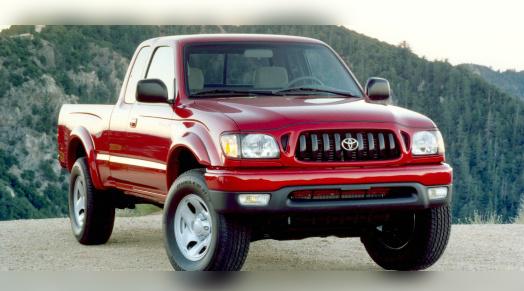
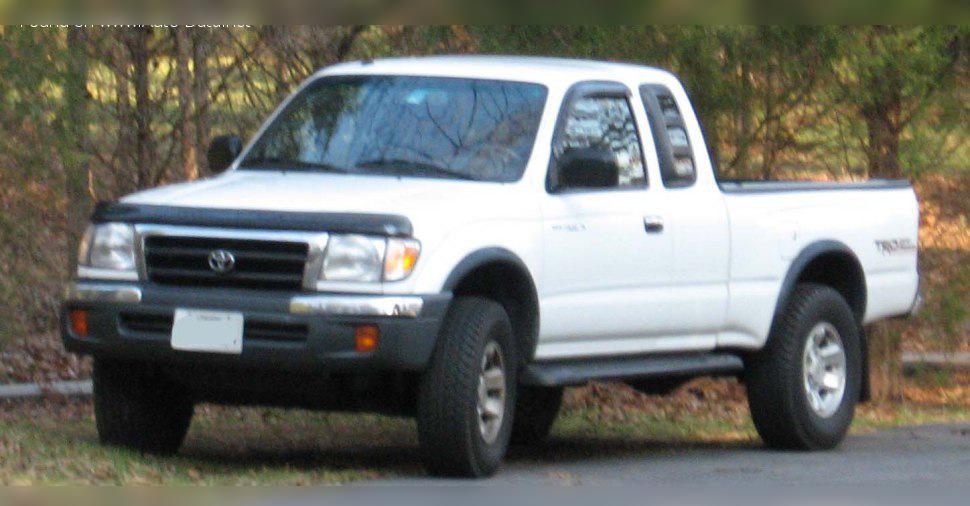
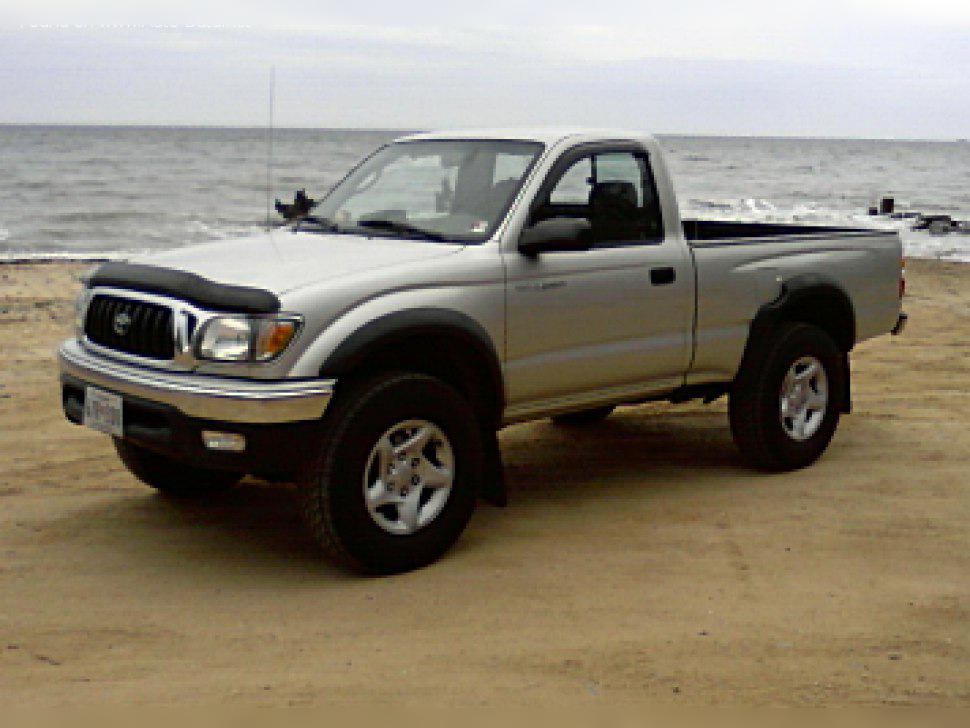
Designed to be the ultimate workhorse, Toyota’s 3RZ-FE 2.7-liter engine represents the pinnacle of 1990s and early-2000s engineering. It was created as a replacement for the legendary but outdated 22R-E, bringing dual overhead camshafts (DOHC) and four valves per cylinder. It became most famous in models such as the first-generation Toyota Tacoma (in all cab variants – Single, Xtracab, Double Cab), where it offered an ideal balance between the torque needed for towing and long-term durability.
This is not a racing engine, but a “mule” built to withstand harsh operating conditions across different continents. Thanks to its simplicity, it is highly appreciated among off-road enthusiasts and those who need a reliable work vehicle.
Technical specifications
| Engine code | 3RZ-FE |
| Engine displacement | 2694 cc (2.7 L) |
| Power output | 134 kW (182 hp) |
| Torque | 240 Nm |
| Fuel type | Petrol (Gasoline) |
| Aspiration | Naturally aspirated (no turbo) |
| Injection type | Multi-point indirect injection (MPI) |
Reliability and maintenance
Toyota’s 3RZ-FE is known as one of the most reliable four-cylinder engines ever made. The timing system uses a timing chain, not a belt. In addition to the main chain, there is a smaller chain that drives the balance shafts, whose role is to reduce vibrations from this large four-cylinder unit.
The most common failures on this engine are rare and mostly limited to peripheral components. The best-known weakness is cracking of the exhaust manifold due to thermal stress. The driver may notice this as a “ticking” or tapping noise when the engine is cold, and exhaust fumes may be smelled in the cabin. The engine also uses bucket tappets for valve adjustment (no hydraulic lifters). If valve clearances are not checked and adjusted every 100,000 km, the exhaust valves can start to burn, which results in loss of compression and rough idle.
Since it uses a chain, a classic major timing service (belt and tensioner replacement) is not part of the regular schedule. The chain is designed to last the life of the engine, but in practice it is recommended to inspect and, if necessary, replace the chain set and tensioners at around 250,000 to 300,000 km, as chain stretch can occur, usually heard as rattling on cold start.
As for lubrication, the engine takes about 5.0 to 5.5 liters of engine oil, and the recommended viscosity is usually 5W-30 or 10W-30, depending on climate. From the factory, the engine should not consume oil, but on examples with over 300,000 km, occasional top-ups are normal. Consumption of up to 0.5 liters per 1000 km is considered acceptable for older engines and is usually caused by hardened valve stem seals or slightly worn piston rings.
As a classic petrol engine, it requires regular spark plug replacement. Standard copper plugs are changed at around 30,000 km, while platinum or iridium plugs (strongly recommended due to difficult access on some models) are replaced at 90,000 to 100,000 km.
Specific parts and costs
This engine is engineered in a very straightforward way, which is great news for your wallet. The engine does not use a dual-mass flywheel; it has a conventional solid flywheel, which significantly reduces transmission maintenance costs. The fuel system is simple multi-point indirect injection (MPI into the intake manifold). The injectors are extremely robust and rarely fail, except in cases where extremely dirty fuel is used and the fuel filter is not replaced regularly.
The engine is naturally aspirated, which means there is no turbocharger. Therefore, you don’t have to worry about turbo overhauls, oil leaks from intercooler hoses, or overboost issues.
Since this is a petrol engine, there is no DPF filter and no AdBlue system, which automatically removes two of the most expensive maintenance items on modern vehicles. As for the EGR valve, it is present on certain versions (depending on market and production year) due to emissions regulations. It can get clogged with soot and carbon deposits, causing hesitation under acceleration and rough idle, but cleaning is very easy and the cost of this service is low (varies by market).
Fuel consumption and performance
If this engine has one major drawback, it is fuel consumption. It is installed in heavy and aerodynamically inefficient bodies such as the Toyota Tacoma. In city driving, real-world consumption rarely drops below 13 to 15 l/100 km. If you drive a four-wheel-drive (4WD) model paired with an automatic transmission, city consumption in heavy traffic will easily reach 16 to 18 l/100 km.
In terms of performance, with its 182 hp and 240 Nm of torque, the engine is not exactly “sluggish”, but it’s no sprinter either. Its output is tuned for torque at lower revs so it can easily pull a loaded bed or a trailer. Acceleration is linear, without sudden surges.
On the highway it performs decently, but due to the vehicle’s aerodynamics and gearbox ratios, at 130 km/h the engine spins at a relatively high 2800 to 3200 rpm (depending on whether it’s a manual or an automatic). At that point, cabin noise becomes noticeable and fuel consumption climbs above 12 l/100 km.
Additional options and modifications
Because of the high fuel consumption, many drivers consider alternative fuels. The good news is that the 3RZ-FE is extremely suitable for LPG (autogas) conversion. A quality sequential LPG system works perfectly on this engine. However, one important note: since the engine does not have hydraulic lifters, running on LPG leads to higher exhaust gas temperatures, which accelerates valve seat recession in the cylinder head. Regular valve clearance checks every 50,000 km on LPG are mandatory, and installing a valve lubrication system (so-called “valve saver” or drip system) is recommended.
When it comes to increasing power, a Stage 1 remap on a naturally aspirated petrol engine of this type is basically a waste of money. By modifying ignition and fuel maps you won’t gain more than 5 to 10 hp, which you won’t feel in a vehicle weighing nearly two tons. The engine cannot be tuned safely or cost-effectively via a simple “chip tune”.
Transmissions and drivetrain
The 3RZ-FE was usually paired with a five-speed manual gearbox (the most famous being the W59) and a four-speed automatic transmission (A340 series).
Manual gearbox
It is very robust. The most common issues appear at very high mileages in the form of worn synchros on first and second gear, making the gearbox “stiff” when shifting in low temperatures. As mentioned, there is no dual-mass flywheel. Clutch replacement (pressure plate, disc, release bearing) falls into the category of moderate to not-too-expensive costs (varies by market), as parts are standard and readily available.
Automatic transmission
The four-speed A340 automatic is practically indestructible, provided it is maintained regularly. Its biggest enemy is overheating caused by towing heavy trailers without changing the oil. Servicing the automatic transmission (ATF and filter replacement) is mandatory every 60,000 km. Signs of poor maintenance include harsh engagement when shifting from “P” into “D” or “R”, as well as slipping during gear changes.
Both manual and automatic transmissions require oil checks in the differentials and transfer case (on 4WD models) every 40,000 to 60,000 km.
Buying used and conclusion
When buying a Toyota with the 3RZ-FE engine, make sure to check the following:
- Cold start: Listen for rattling from the front of the engine (a sign of a stretched timing chain).
- Exhaust sound: Ticking near the cylinder head indicates a cracked exhaust manifold, which is a common issue and requires welding or replacement.
- Condition of oil and fluids: Check the coolant. These engines can cover enormous mileages, but neglecting antifreeze can lead to damage to the aluminum cylinder head.
- Valve clearance: Ask the previous owner when the valves were last adjusted. If they don’t know, be prepared for that expense immediately after purchase.
Although the focus here is on the engine, we must not forget the most important thing when buying a first-generation Tacoma – frame rust. No matter how perfect the engine is, if the frame is rotten, the vehicle is unsafe to drive.
Conclusion: The Toyota 3RZ-FE 2.7 is a masterpiece of reliability aimed at drivers who put durability and working capability above all else. Don’t expect sports-car agility, budget for higher fuel costs (or install LPG), and this engine will serve you faithfully for decades, no matter what workload you throw at it.