Toyota 3UR-FE 5.7 V8 (381 hp) – Experiences, problems, fuel consumption and used-buying tips
- Most important in short (TL;DR):
- One of the most reliable V8 petrol engines ever made, capable of covering over 500,000 km without a major overhaul.
- No dual-mass flywheel, no turbochargers, and no sensitive high-pressure direct fuel injection.
- Fuel consumption is extremely high, which is logical for a 5.7-liter displacement and heavy vehicles.
- The best-known issues are water pump leaks, problems with the Air Injection Pump (AIP) system, and cam tower sealing.
- It was paired exclusively with indestructible Aisin automatic transmissions.
Contents
- Introduction
- Technical specifications
- Reliability and maintenance
- Specific parts (costs)
- Fuel consumption and performance
- Additional options and modifications
- Transmission
- Buying used and conclusion
Introduction
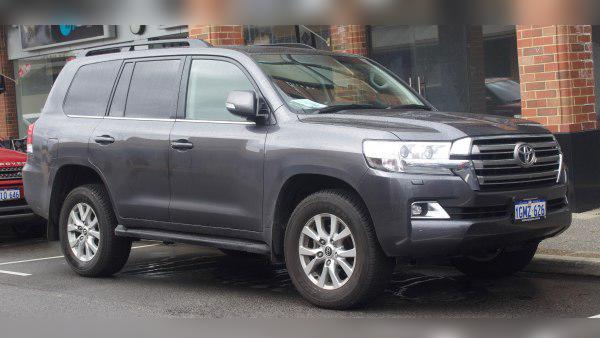
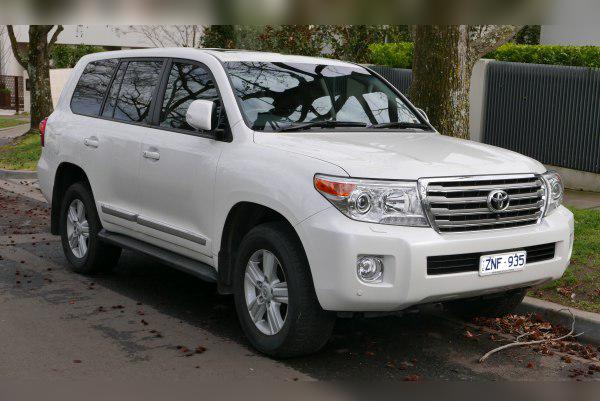
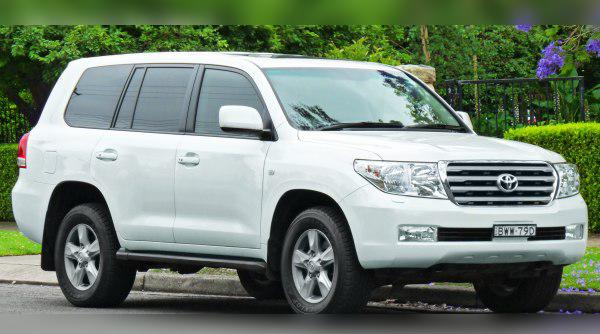
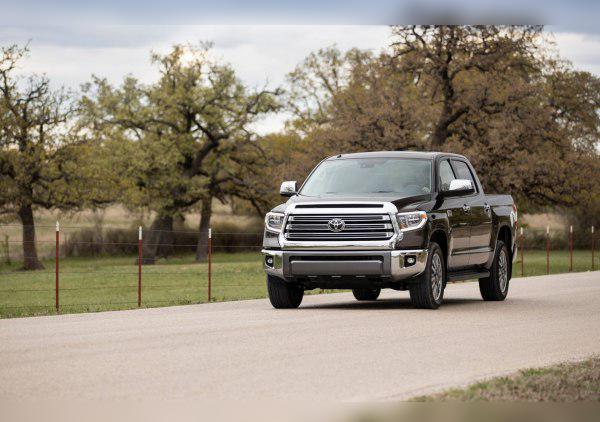
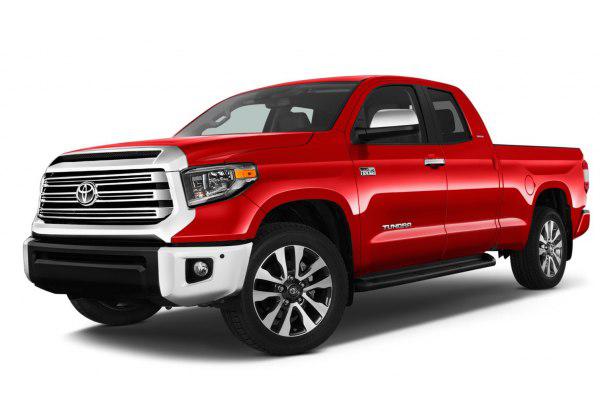
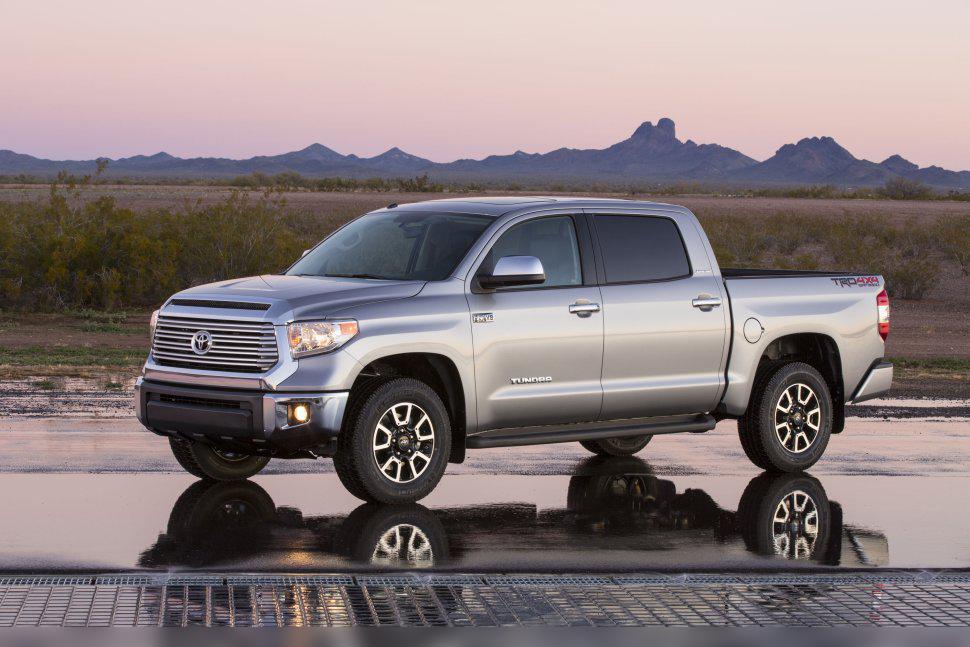
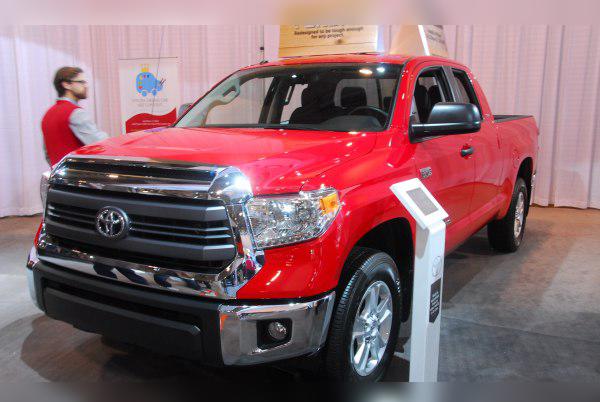
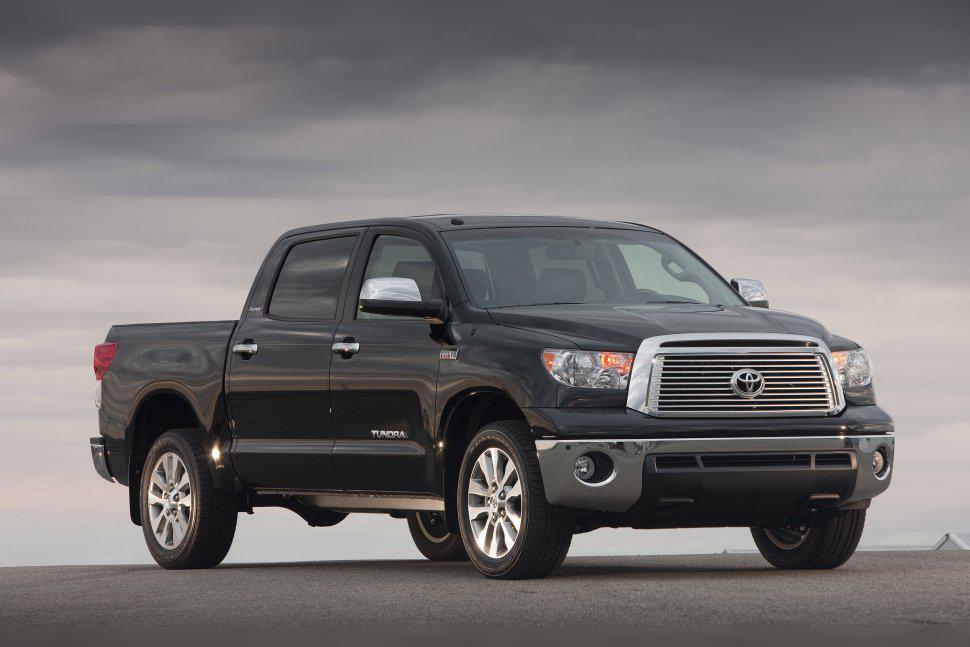
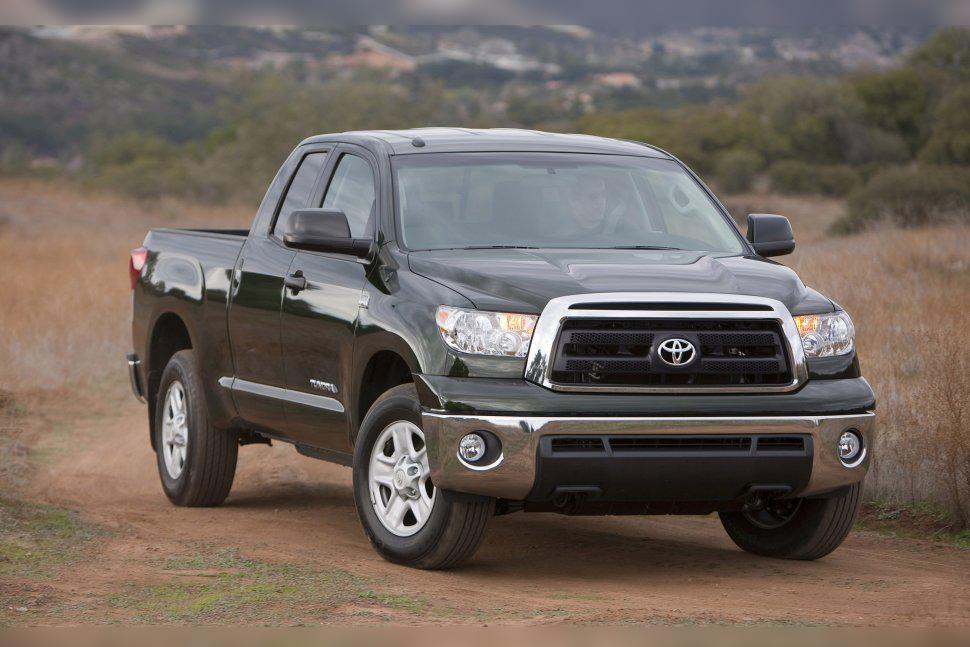
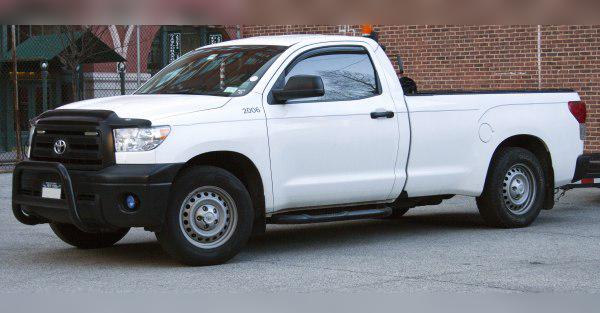
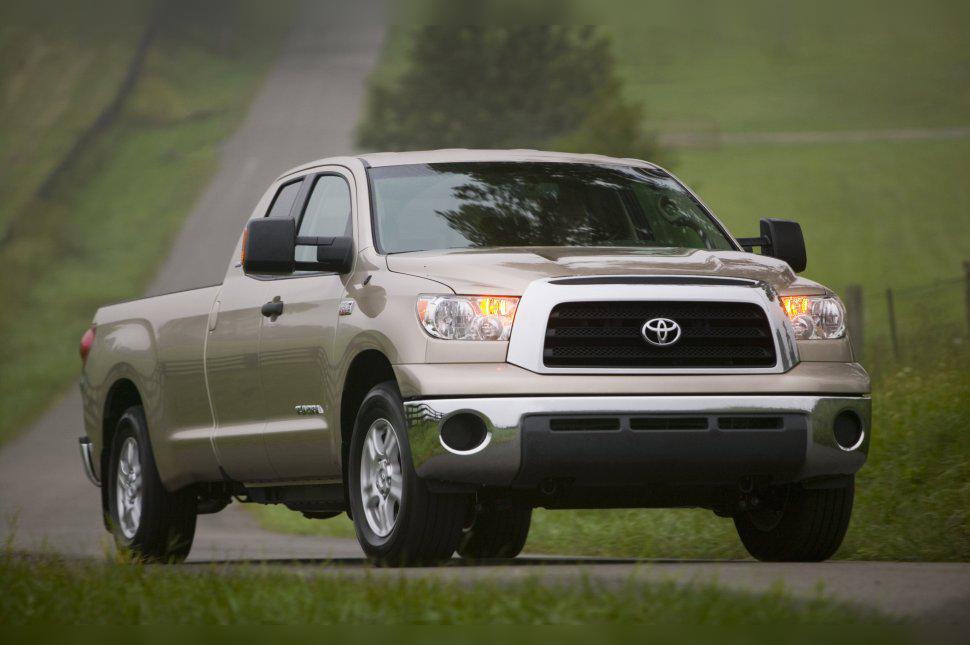
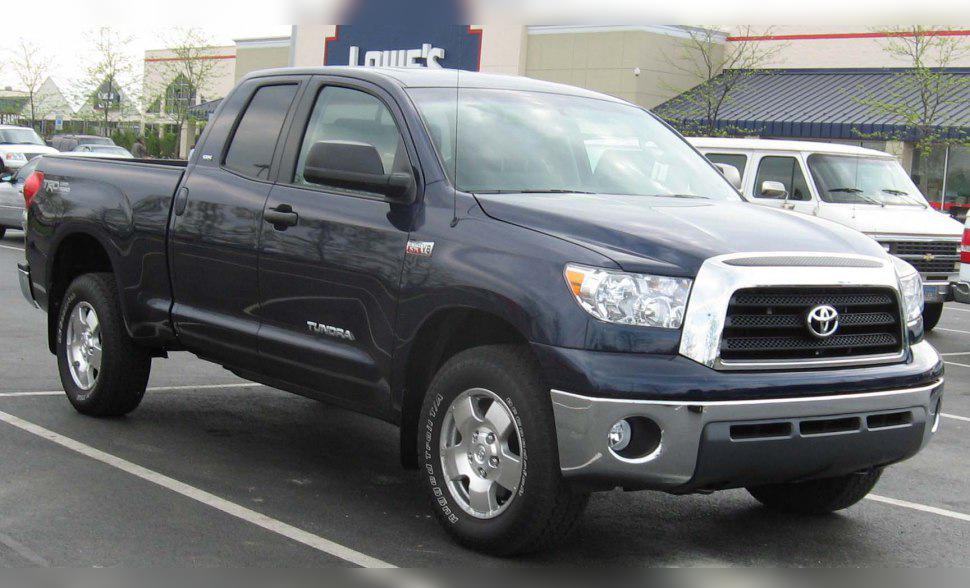
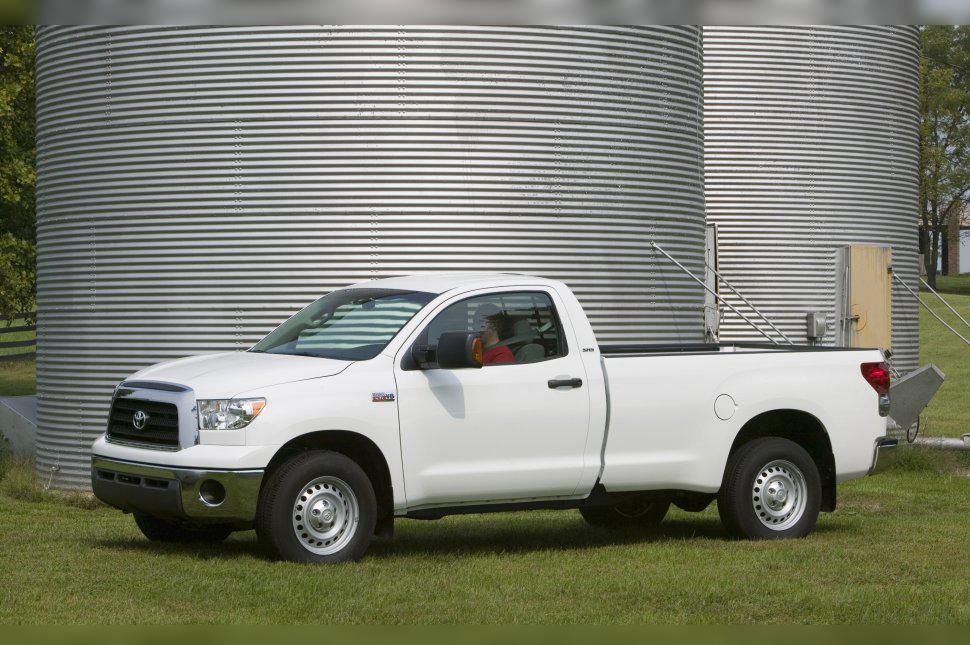
When people talk about indestructible V8 engines, Toyota’s 3UR-FE 5.7-liter sits right at the top of the pyramid. Designed primarily for heavy off-road and pickup vehicles, this naturally aspirated giant debuted in 2007 and became the heart of models such as the Toyota Land Cruiser (J200), Sequoia and Tundra. The engineers’ goal was simple: build an engine with massive torque for towing heavy loads, able to withstand extreme weather conditions and owner neglect, without any compromise in reliability. Although it’s far from an eco champion, its mechanical robustness is what makes it a legend among true off-road enthusiasts worldwide.
Technical specifications
| Specification | Data |
|---|---|
| Displacement | 5663 cc |
| Power | 284 kW (381 hp) at 5600 rpm |
| Torque | 544 Nm at 3600 rpm |
| Engine code | 3UR-FE |
| Injection type | Multipoint (EFI – electronic port fuel injection) |
| Induction type | Naturally aspirated engine |
| Fuel | Petrol (Gasoline) |
Reliability and maintenance
Unlike many modern engines that use sensitive timing belts, the 3UR-FE uses a massive and extremely reliable timing chain. In practice, this chain lasts as long as the engine itself and very rarely needs replacement before 400,000 km, unless the engine has been run low on oil. Since it has a chain, the classic “major service” in the traditional sense doesn’t really exist. You only replace the serpentine belt, tensioners, idler pulleys and the water pump.
Speaking of the water pump, that brings us to the first well-known issue. The water pump often starts leaking somewhere between 100,000 and 150,000 km. The driver can notice this by pink coolant traces around the pump itself or underneath the engine. Fortunately, replacement is not excessively expensive, but it’s important to react in time so the engine doesn’t overheat. Another known but quite expensive fault to fix is the so‑called “cam tower leak”, i.e. oil leaking at the cam tower joints. Toyota did not use classic gaskets here, but RTV sealant, which degrades over time. The sealant itself is cheap, but labor is very expensive (depends on the market) because the repair requires serious disassembly of the top end of the engine.
This huge V8 block takes about 7.5 to 7.9 liters of oil (with filter change). The factory strictly recommends 0W-20 (or 5W-20 in warmer climates). Using thin oil is critical because of the Dual VVT-i system (variable valve timing), which requires fast oil flow, especially on cold start. A healthy 3UR-FE does not consume oil between services. If you notice consumption higher than 1 liter per 10,000 km, it usually points to hardened valve stem seals due to very high mileage or poor maintenance.
As a typical petrol engine, it requires regular spark plug replacement. It is recommended to use only iridium spark plugs, which should be replaced every 100,000 to 120,000 km. Thanks to easy access to most cylinders, this job is not a nightmare for mechanics.
Specific parts (costs)
One of the best pieces of news for future owners is the fact that this engine does not have a dual-mass flywheel. Since this V8 is always paired exclusively with an automatic transmission, instead of a classic clutch and flywheel it uses a hydraulic torque converter, which is extremely durable.
The fuel injection system is electronic (EFI) directly into the intake ports, which means there is no complicated high-pressure D4-S direct injection that would cause carbon buildup on the valves. The injectors are extremely reliable, rarely fail and are not particularly sensitive to poorer fuel quality.
This is a naturally aspirated engine, which means it has no turbocharger – one less potential source of expensive failures. Since it’s a petrol engine, it also has no DPF filter and no AdBlue system, sparing it from the usual modern headaches. However, it does have an EGR system and one component that often fails: the AIP (Air Injection Pump) system. This system injects fresh air into the exhaust when the engine is cold so the catalytic converters heat up faster. The valves in this system often seize due to moisture, which triggers the Check Engine light and puts the vehicle into limp mode (a safety mode with reduced power). Replacing the components is very expensive (market-dependent), so many owners opt to install a bypass module that disables this system in software.
Fuel consumption and performance
Make no mistake, the 5.7 V8 needs a lot of fuel. In city driving, real-world consumption rarely drops below 20 l/100 km, and in heavy traffic it can reach 25 l/100 km. If you’re towing a trailer, these numbers go even higher.
On the other hand, the engine is far from “lazy”. With a massive 544 Nm of torque available already at low revs, the 3UR-FE pushes vehicles weighing up to three tons (such as the Land Cruiser J200 and Tundra) with incredible ease. Acceleration is brutal, and throttle response is linear and immediate, which is typical of large naturally aspirated engines.
On the highway, this engine is a cruising king. Thanks to the long gear ratios of the 6-speed transmission, at 130 km/h it hums along at a relaxed 2000 to 2200 rpm (depending on the final drive ratio of the specific model). Fuel consumption on the open road drops to a more acceptable 13 to 16 l/100 km.
Additional options and modifications
Because of the huge fuel consumption, many owners consider installing an LPG (autogas) system. This engine generally handles LPG well, but due to its high power and air flow, the installation must be top-notch (usually with two vaporizers). Also, Japanese valves can be sensitive to the higher combustion temperatures of LPG, so mechanics strongly recommend installing an electronic valve lubrication system (“valve saver”) to prevent valve seat recession over time.
As for chipping (Stage 1 remap), on naturally aspirated engines it’s mostly a waste of money. Remapping this engine will give you at most 15 to 20 hp, which you absolutely won’t feel in a 3‑ton vehicle. However, for performance enthusiasts, TRD (Toyota Racing Development) and Magnuson offer supercharger kits that raise power to over 500 hp and turn this engine into a real monster, and the engine block and crankshaft can handle it without any issues.
Transmission
Toyota’s 5.7 V8 was never offered with a manual gearbox. It was always paired with a 6-speed automatic transmission (most commonly the Aisin AB60E or AB60F for 4x4 models). In terms of durability, this transmission is an engineering masterpiece.
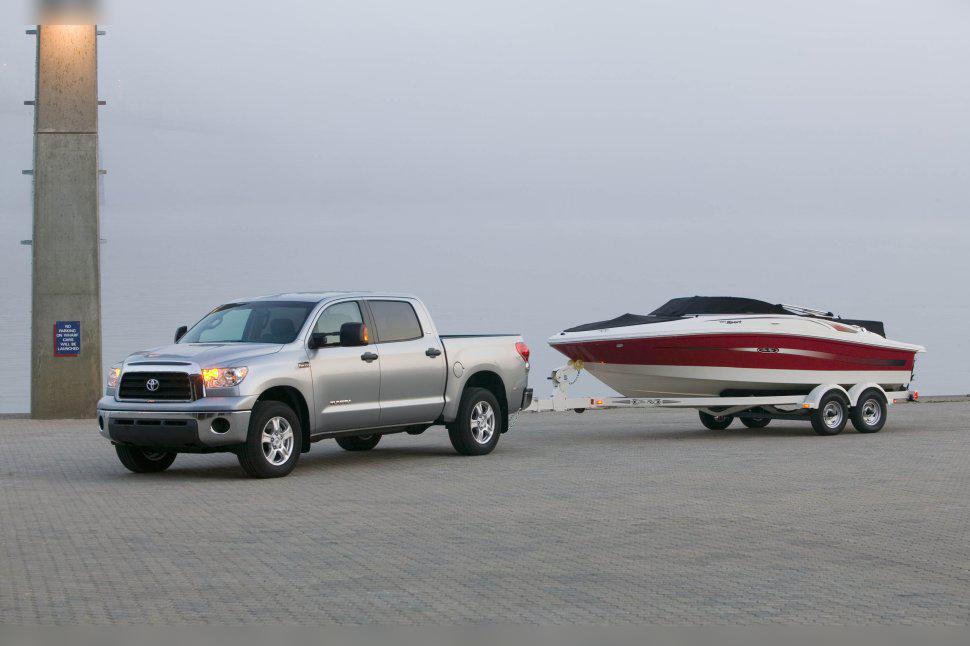
As mentioned earlier, it has no dual-mass flywheel and no conventional clutch, so those expensive items simply don’t exist. Failures of the automatic transmission itself are extremely rare and almost exclusively occur if the vehicle has been used for heavy towing (e.g. boats or large campers) and the owner never changed the transmission fluid.
To make the transmission last virtually forever, you need to service it (replace ATF fluid and filter) every 60,000 to 80,000 km. Although Toyota states in some manuals that the fluid is “lifetime”, experienced mechanics and automatic transmission specialists know that this oil degrades and absolutely must be replaced, especially if the vehicle is used off-road or for heavy-duty work.
Buying used and conclusion
When buying a used vehicle with the 3UR-FE engine, make sure to check the following:
- Cold start: Listen for any rattling from the timing chain in the first few seconds. Although rare, it can indicate a problem with the tensioners due to infrequent oil changes.
- Check for leaks around the water pump: Shine a flashlight at the front of the engine and look for dried pink coolant traces.
- Oil leaks on top of the engine (cam tower leak): Inspect the joints below the valve covers on the sides of the engine. If they’re oily, you’re in for a hefty labor bill.
- Diagnostics: Always hook the vehicle up to an OBD2 scanner. Check the fault history, especially for the secondary air injection (AIP) system.
Who is this engine for?
The Toyota 3UR-FE 5.7 V8 is not for someone who worries about every drop of fuel or needs a car for tight city traffic and parallel parking. This is an engine built for people who need unquestionable reliability, a workhorse for towing heavy trailers, or top-tier comfort on long journeys in heavy off-road vehicles. If you provide it with regular, high-quality oil changes, this engine will easily outlive most of the body components of the vehicle it’s installed in.