Toyota 5VZ-FE 3.4 V6: Experiences, issues, fuel consumption and used-buying tips
Key points (TL;DR)
- Exceptional reliability: Considered one of the most durable Toyota engines ever made, designed for heavy-duty use.
- Timing belt: The engine uses a timing belt, but it is a non-interference design – if the belt snaps, valves and pistons do not collide, so you avoid catastrophic engine failure.
- Fuel consumption: Very high. In city driving and with 4x4, expect fuel consumption easily above 15 l/100 km.
- Serious flaw (Pink Milkshake): The engine and transmission radiator can crack internally, mixing coolant and transmission fluid, which destroys the automatic gearbox.
- Dual-mass flywheel: This engine does not use a dual-mass flywheel; it has a reliable solid flywheel, which makes maintenance cheaper.
- LPG (Autogas): It handles LPG well, but requires regular manual valve clearance adjustment.
Contents
- Introduction
- Technical specifications
- Reliability and maintenance
- Specific parts (costs)
- Fuel consumption and performance
- Additional options and modifications
- Gearbox
- Buying used and conclusion
Introduction
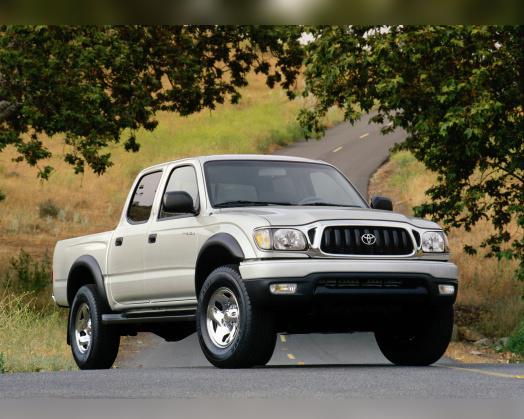
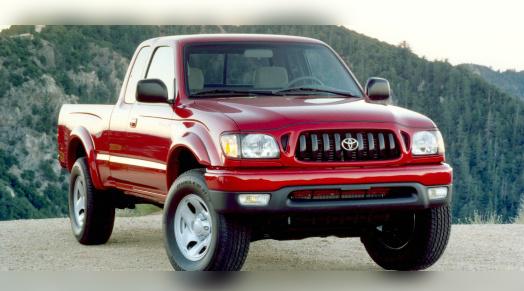
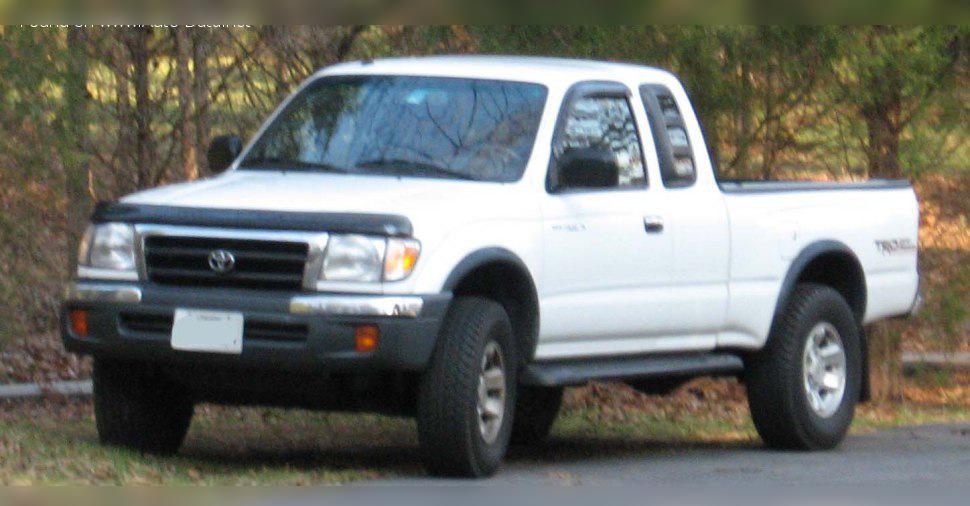
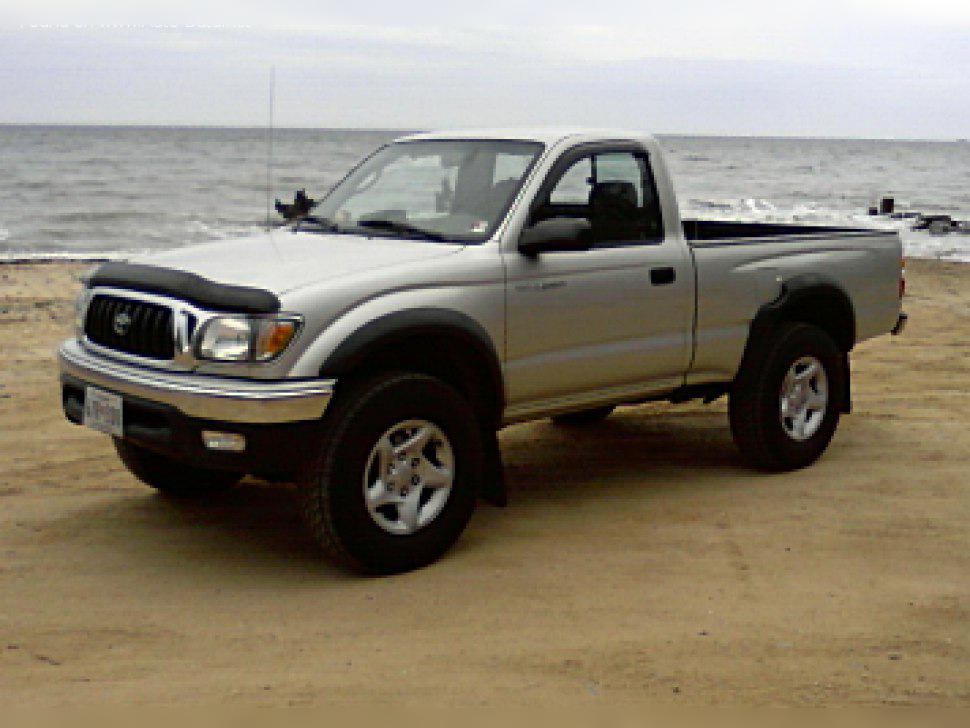
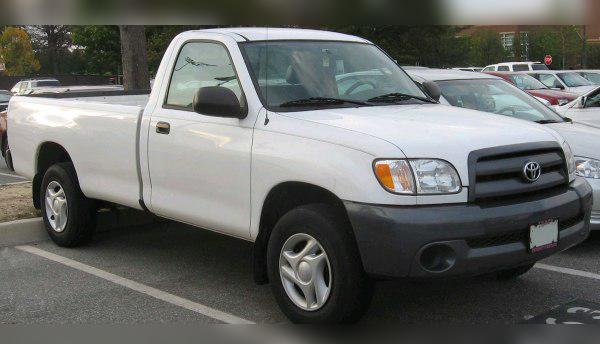
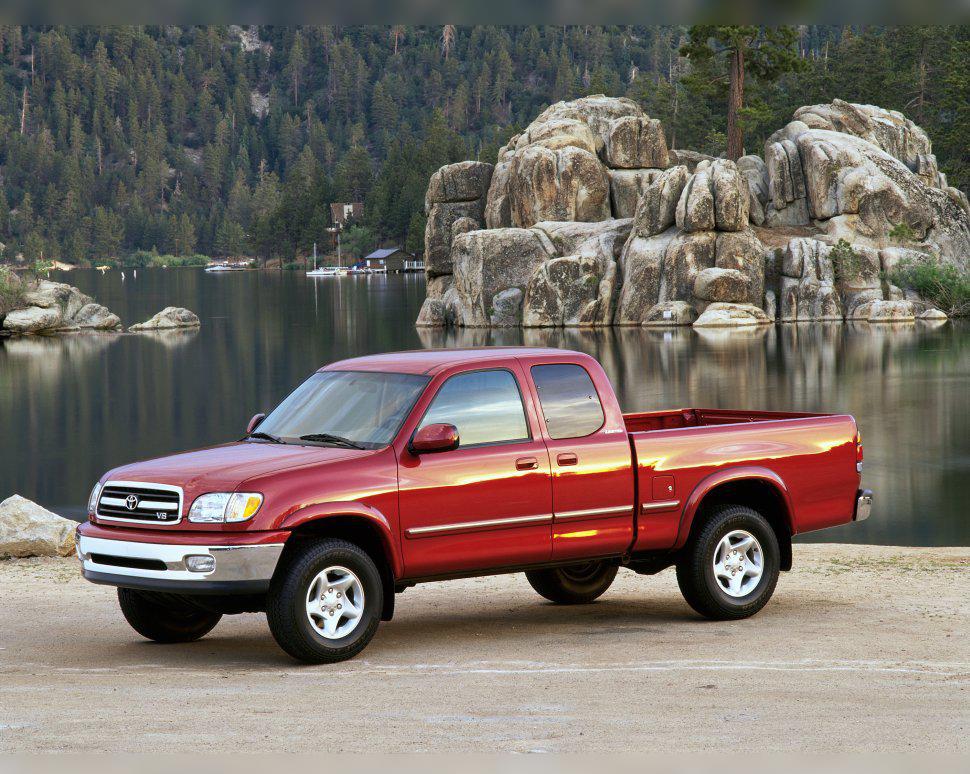
When people talk about indestructible SUVs and pickup trucks, Toyota is always part of the conversation, and the 5VZ-FE (3.4-liter V6) engine is the heart of some of its most iconic models from the late nineties and early 2000s. Installed primarily in work and off-road vehicles such as the Toyota Tacoma and first-generation Tundra, this engine was designed to withstand heavy loads, trailer towing and harsh operating conditions. It was not built to win races, but to get you to your destination regardless of mileage. Below we will break down its weaknesses, strengths and maintenance costs in detail.
Technical specifications
| Engine code | 5VZ-FE |
| Displacement | 3378 cc |
| Power | 140 kW (190 hp) |
| Torque | 298 Nm |
| Injection type | Multi-Point Injection (MPI – port fuel injection) |
| Aspiration | Naturally aspirated |
Reliability and maintenance
Valve timing: Timing belt
This V6 uses a timing belt to drive the camshafts, not a chain. However, it is engineered as a non-interference engine. In practice this means that if the timing belt snaps due to neglect or age, you will not have to buy a new engine. Valves and pistons physically cannot collide. The engine will simply shut off. Still, a full timing service is recommended every 150,000 km (or every 10 years), and the water pump must be replaced at the same time, as it tends to start leaking under load.
Most common issues
The 5VZ-FE is built around a cast-iron block with aluminum heads, which makes it incredibly robust. The most common problems are small age-related issues. The valve cover gaskets are known to start leaking oil after around 150,000 km. The oil usually drips onto the exhaust manifold, so the driver may notice a burning smell in the cabin. Also, spark plug wires and ignition coils gradually lose insulation, which leads to jerking while driving and loss of power (engine misfire).
Oil and service intervals
The sump of this engine holds about 5.2 liters of oil (including the filter). The manufacturer’s recommended viscosity is usually 5W-30, although in warmer climates many owners successfully use 10W-30 or 10W-40. Oil consumption is usually minimal to non-existent. If the engine uses more than 0.5 liters per 10,000 km, it is a sign that the valve stem seals have hardened with age, or more rarely, that the oil control rings are stuck.
Spark plugs and ignition system
The ignition system is interesting – it uses a so-called wasted-spark setup with 3 coils and 3 high-tension leads for 6 cylinders. Spark plugs should be replaced every 40,000 to 50,000 km if you use standard copper plugs, or every 90,000 to 100,000 km if you switch to higher-quality platinum or iridium plugs. Replacement on the right bank of cylinders is straightforward, while the left side is a bit less accessible due to the intake system.
Specific parts (costs)
Clutch and flywheel
Good news for your wallet: manual-transmission models do not have a dual-mass flywheel. They use a conventional solid flywheel that is not replaced unless it is physically damaged by a worn clutch disc. The system is so overbuilt that it lasts extremely long, and replacing the entire clutch kit generally falls into the category of moderately priced to expensive (depending on the market).
Fuel injection system
The injection system is standard electronic port fuel injection (EFI). Fuel is injected into the intake manifold, not directly into the cylinder, which means the engine does not suffer from carbon buildup on intake valves. The injectors themselves are very durable; the only thing they are sensitive to is dirty fuel. In case of clogging, ultrasonic cleaning usually solves the problem and restores full functionality.
Emission systems (DPF, EGR, AdBlue)
Since this is a classic gasoline engine designed more than two decades ago, you can forget about the headaches of modern cars. There is no turbocharger (it is fully naturally aspirated), no DPF filter, and no AdBlue system. Depending on the original market (for example, California emissions), the engine may have an EGR valve. On gasoline engines, EGR is used to reduce combustion temperature and rarely causes issues, but after more than 200,000 km it may need to be removed and cleaned of dry carbon deposits, as a stuck EGR causes rough idle.
Fuel consumption and performance
Real-world city fuel consumption
This is where the 5VZ-FE exacts its price for longevity. Due to its large displacement, cast-iron block and the fact that it powers heavy, brick-shaped off-road vehicles (Tacoma, Tundra 4x4), fuel consumption is huge. In city driving you can expect 15 to 18 l/100 km. If you often drive short distances under full load with 4WD engaged, it can go even higher.
Driving feel and sense of weight
Although 190 hp does not sound like much by today’s standards, when 2.0 turbo engines make over 250 hp, the essence of this engine is its 298 Nm of torque available very low in the rev range. In the Toyota Tacoma the engine is anything but “lazy”. The vehicle pulls strongly from low rpm. In the larger and heavier Tundra, the engine is “on the edge” – adequate for everyday driving, but when towing a heavy trailer uphill you will notice the lack of high-rpm power compared to stronger V8 options.
Behavior on the highway
On the highway, 130 km/h is not its natural environment, primarily due to the gearbox ratios (especially with the 4-speed automatic). At that speed the engine will usually cruise at around 2600 to 2800 rpm. Even on the open road, fuel consumption hardly drops below 10.5–12 l/100 km. The engine itself is not noisy, but wind noise around the pickup body at those speeds certainly is.
Additional options and modifications
LPG conversion (Autogas)
Because of the high fuel consumption, many owners consider LPG conversion. The 5VZ-FE works fine with a sequential LPG system, but there is one key mechanical catch: this engine does not have hydraulic lifters. Valve clearance is adjusted manually using shims. Running on LPG raises combustion temperatures, which wears valve seats faster. That is why it is essential to check and adjust valve clearances every 50,000 to 60,000 km; otherwise you risk burnt valves and loss of compression. Installing a proper valve lubrication system (so-called valve saver) is recommended.
ECU remap (Stage 1)
A typical “Stage 1” remap on this naturally aspirated engine is basically a waste of money. Remapping will not give you more than 8 to 12 hp, which is completely unnoticeable in a two-ton vehicle. Interesting fact: Toyota (through its TRD division) once offered a factory supercharger kit that mounted on the intake and raised power to about 260 hp, but finding such a used kit today is rare and requires a serious budget.
Gearbox
Types of gearboxes
The engines were paired with an indestructible 5-speed manual gearbox (often from the R150F series) or a 4-speed automatic (A340E for RWD, A340F for 4x4). Both transmissions are heavy-duty units designed for serious loads.
Failures and the infamous “Pink Milkshake”
Manual gearboxes are mechanically so robust that only at mileages above about 350,000 km do synchro rings tend to fail (difficult gear engagement with grinding).
With the automatic gearbox lies the only serious potential design flaw, known among mechanics and owners as the “Pink Milkshake”. The automatic transmission cooler is integrated into the lower part of the engine radiator (coolant radiator). Over time, the partition between them can corrode. When that happens, pressurized coolant enters the transmission circuit and creates a pink foamy emulsion (“milkshake”). If the transmission sucks in this water, the clutch packs inside will disintegrate within a few dozen kilometers, requiring a complete and very expensive rebuild. Many owners proactively install a separate small external transmission cooler to eliminate this risk permanently.
Gearbox servicing
For the automatic to last virtually forever, it requires ATF fluid and filter changes every 60,000 km. On the manual gearbox, the gear oil is usually drained and replaced every 60,000 to 80,000 km. The same rule applies to the oil in the differentials and transfer case on 4x4 versions.
Buying used and conclusion
What to check before buying?
- Fluid inspection: Always pull out the dipstick for the automatic transmission. If the fluid is not reddish/transparent but foamy and looks like thick pink yogurt, walk away from that vehicle – the transmission is on its last legs.
- Leaks under the vehicle: Inspect the valve cover gaskets with a flashlight. If oil is running down toward the exhaust manifold, it is a good opportunity to negotiate the price down, even though the repair is not overly complicated.
- Cold start: Start the engine when it is completely cold. Listen for any unusual rattling from the front – this may indicate worn pulley bearings or that the valves need adjustment.
- Diagnostics: Scan for fault codes. Misfire codes (P0300, P0301...) point to worn ignition coils or spark plugs.
- Frame rust: This is the most important tip even though it is not about the engine – on Tacomas and Tundras of these years the frame can rust catastrophically (to the point of cracking in half). Thoroughly inspect the frame on a lift.
Conclusion
Who is a Toyota with the 5VZ-FE engine for? It is for people for whom ultimate reliability and off-road/work capability are above any other priority. It is not for those who commute daily through city traffic, because fuel consumption will bankrupt them. However, if you need a robust pickup for going into the wild, towing a boat, heavy work on a property and driving over difficult terrain, the 3.4 V6 is an engineering masterpiece which, with basic maintenance and prevention of coolant–ATF mixing, can easily surpass 500,000 km without opening the engine block.