8NR-FTS 1.2 Turbo Engine: Experiences, Issues, Fuel Consumption and Used Car Buying Tips
Most important in short (TL;DR)
- Timing: Uses a timing chain, which eliminates the need for a classic major timing belt service in the early stages.
- Fuel consumption: Efficient on the open road, but in heavier models (such as the C-HR) real urban consumption easily exceeds 8 l/100 km.
- Injection: The direct injection system (D-4T) makes LPG installation more complex and expensive, so LPG is not recommended.
- Gearbox: Models with a manual gearbox have a dual-mass flywheel whose replacement is very expensive.
- Reliability: Significantly more reliable than European competing downsized engines, but CVT gearboxes require strict maintenance every 60,000 km.
Contents
- Introduction: The Japanese answer to downsizing
- Technical specifications
- Reliability and Maintenance
- Specific Parts and Costs
- Fuel Consumption and Performance
- Additional Options and Modifications
- Transmissions: Multidrive S and iMT
- Buying Used and Conclusion
Introduction: The Japanese answer to downsizing
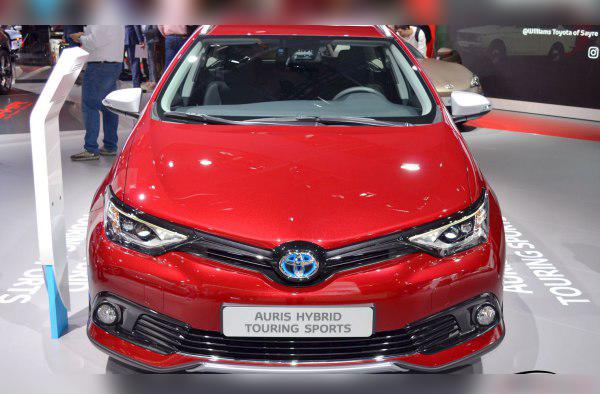
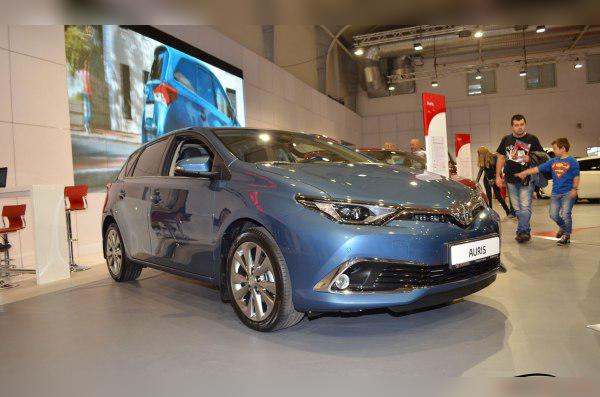
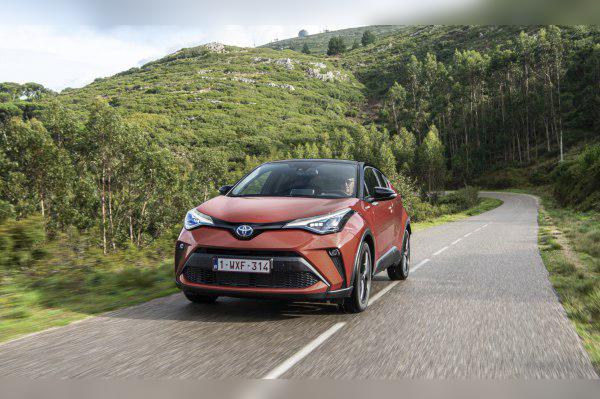
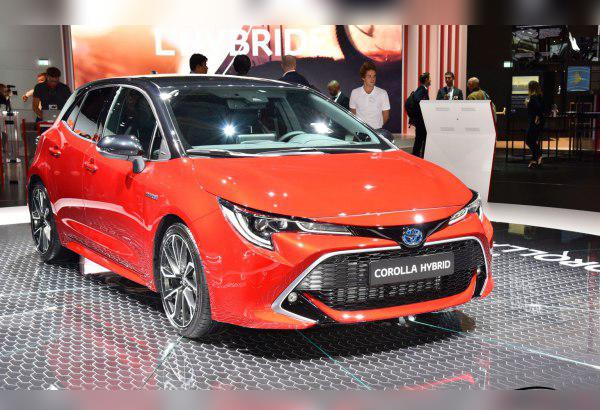
When Toyota introduced the 8NR-FTS engine, the market was flooded with small turbo petrol units. This 1.2-liter turbocharged engine debuted in the Auris (2015 facelift), and later took on a key role in the extremely popular C-HR model, as well as in the 12th generation Corolla (E210). What sets this engine apart is Toyota’s specific technology – the VVT-iW system, which allows the engine to seamlessly switch from the standard Otto cycle to the Atkinson cycle, thus optimizing both power and fuel consumption. Although it was designed to reduce emissions and replace naturally aspirated 1.6 engines, its maintenance comes with certain specifics that a potential buyer must be prepared for.
Technical specifications
| Feature | Data |
|---|---|
| Engine code | 8NR-FTS |
| Displacement | 1196 cc |
| Power | 85 kW (116 hp) at 5200 - 5600 rpm |
| Torque | 185 Nm at 1500 - 4000 rpm |
| Injection type | Direct injection (D-4T) |
| Charging | Turbocharger with water-cooled intercooler |
Reliability and Maintenance
One of the first things every driver wants to know is the timing system. The 8NR-FTS engine uses a timing chain. This means there is no classic “major service” with timing belt replacement. However, the chain is not eternal. It is advisable to inspect the condition of the chain, tensioner and guides at around 150,000 to 200,000 km, depending on driving style. Symptoms of a stretched chain are metallic rattling noises on cold start.
As for regular services, this engine takes about 4 liters of oil (including the filter), and Toyota strictly recommends 0W-20 grade. Using thicker oil can damage the variable valve timing system (VVT-iW) and the turbocharger itself. Regarding oil consumption, due to the design of the piston rings and the operating conditions of the turbo, it is normal for the engine to consume about 0.2 to 0.5 liters between services, but any consumption over 1 liter per 10,000 km signals a problem with the rings or turbo seals.
Since this is a petrol engine with direct injection, the spark plugs play a key role. Only iridium spark plugs are used, with a service life of about 60,000 to 90,000 km. Ignoring them leads to failure of the ignition coils, which manifests as jerking under acceleration and loss of power.
The most common issues with this engine are related to carbon buildup on the intake valves. Because the direct injection system sprays fuel directly into the cylinder, the valves are not washed by petrol. Over time, carbon deposits build up, leading to rough idling and a slight loss of power at higher revs (often noticeable around 100,000 km).
Specific Parts and Costs
Mechanics’ fear of modern engines is partially justified here. Yes, versions with a manual gearbox have a dual-mass flywheel. It serves to dampen strong vibrations typical of three-cylinder and small four-cylinder turbo designs. Its service life is usually over 150,000 km, and symptoms of wear include juddering when setting off and knocking when switching the engine off. The price of a clutch kit with a dual-mass flywheel ranges from 500 to 900 EUR (depending on the market), which makes it a very expensive repair.
The injection system operates at extremely high pressure. The injectors are generally very durable, but sensitive to low-quality petrol. Cleaning them is difficult, so it is recommended to use quality, additivated fuels.
The engine has a single but very advanced low-inertia turbocharger that is integrated with the exhaust manifold and has its own water-cooled intercooler. This extends its service life, so the turbo easily goes beyond 200,000 km if the oil is changed on time. Since this is a petrol engine, there is no AdBlue system. However, due to strict Euro 6 standards, the 8NR-FTS does have an EGR valve (which can become clogged with soot) and, in newer series after 2018, a GPF (Gasoline Particulate Filter) that traps soot particles. GPF rarely causes problems like a diesel DPF, because petrol engines operate at higher temperatures and perform passive regeneration much more easily.
Fuel Consumption and Performance
The performance of this engine largely depends on the body it is powering. In the Auris and Corolla (E210) hatchback, the engine is surprisingly lively in the city. The 185 Nm of torque is available from just 1500 rpm, which makes it pleasant to drive with little shifting. However, in the Toyota C-HR, the engine can feel “sluggish”. Due to the higher vehicle weight, aerodynamic drag and large wheels, the C-HR with the 1.2 turbo requires a heavier right foot on inclines and when overtaking.
Real-world urban fuel consumption is around 7.5 to 8.5 l/100 km for lighter models, while the C-HR easily reaches 9.5 l/100 km if you are aggressive with the throttle. On the motorway, at 130 km/h, the engine turns about 2800 to 3000 rpm in sixth gear with the manual gearbox. Noise is minimal, but consumption at that speed increases, especially in C-HR and AWD (all-wheel drive) versions, ranging around 7 to 8 l/100 km.
Additional Options and Modifications
One of the most common questions is: Can LPG be installed? The answer is – it can, but it is financially completely unprofitable. Due to the direct injection system, special LPG systems are required that simultaneously inject a certain amount of petrol to cool the petrol injectors (which are located inside the cylinder where temperatures are extremely high). The installation cost is very high (depending on the market), so the investment pays off only after extremely high mileage.
As for chipping (Stage 1 remap), the engine leaves the factory already quite optimized. A safe power increase is about 15 to 20 hp (up to around 135 hp) and about 30 Nm of torque. More aggressive turbo “cranking up” is not recommended because its small capacity is designed for low-end response, not for running high boost pressures. Also, if the car has a CVT gearbox, excessive torque will cause the belt in the transmission to slip and lead to permanent failure.
Transmissions: Multidrive S and iMT
The 8NR-FTS engine comes with two types of gearboxes: a 6-speed manual and a continuously variable CVT, which Toyota calls Multidrive S. Newer versions of the Corolla and C-HR are equipped with the advanced iMT (Intelligent Manual Transmission) manual gearbox, which automatically blips the throttle when downshifting, making driving perfectly smooth and reducing clutch wear.
The most common failures of the manual gearbox are limited almost exclusively to the aforementioned expensive replacement of the dual-mass flywheel and clutch kit. The gearbox unit itself is practically indestructible if the oil is changed at 100,000 km.
The Multidrive S (CVT) automatic gearbox is a story of its own. Unlike classic automatics, it uses pulleys and a steel belt. Its advantage is infinitely smooth driving without jerks, but it requires strict regular maintenance. The oil in the CVT gearbox must be changed at least every 60,000 km. Neglecting this service leads to metal shavings damaging the valves in the gearbox, after which slipping, whining and, ultimately, failure occur – with repair costs measured in thousands of euros (very expensive – depends on the market).
Buying Used and Conclusion
What must be checked before buying?
When looking at a used Toyota with the 1.2 Turbo engine, always insist that the engine is completely cold before starting. Open the bonnet, have someone else start the engine, and listen carefully. If you hear a rattling “like a diesel” in the first 2 to 3 seconds until the oil pump builds pressure, it is a sign that the chain and tensioner are nearing the end of their service life. The second important thing is a test drive of the CVT gearbox: acceleration must be smooth and linear, similar to riding a scooter. Any surging, jerking of the tachometer needle or whining from the gearbox area is a clear signal to walk away from the purchase.
On the test drive, wait for the car to warm up and then press the accelerator pedal to the floor. Look in the rear-view mirror (or ask someone to drive behind you) – a cloud of bluish or grey smoke at high revs indicates oil consumption and potential turbo problems.
Who is this engine for?
The Toyota 8NR-FTS 1.2 Turbo is an engine designed for calm drivers who need exceptional Japanese reliability, along with quiet operation and easy maneuvering in urban environments. It is not for racing, it is not the most economical on the motorway at high speeds, and it is definitely not a friend of LPG systems. If you find an example with a proper service history, where the oil was changed every 10,000 km (or once a year), you will get an excellent and long-lasting car. However, if you often carry more passengers and luggage in a C-HR, consider hybrid versions with a larger displacement.