Volkswagen 1.8 AAM engine (75 hp): Experiences, issues, fuel consumption and used-car buying tips
Key points in short (TL;DR)
- Old-school mechanics: One of the most durable and simplest engines from the famous EA827 family. It rarely fails in the core engine components (block, pistons, crankshaft).
- Low maintenance costs: The absence of a dual-mass flywheel, turbo, DPF and EGR valve makes it extremely cheap to repair.
- LPG-friendly: Thanks to the simple “Monopoint” injection system, this engine is an ideal candidate for LPG conversion.
- Modest performance: With only 75 hp from 1.8 liters of displacement, the engine is quite “lazy” and not intended for dynamic driving.
- Higher fuel consumption: Outdated injection technology causes higher fuel consumption, especially in city driving (over 10 liters).
- Recommended for: Drivers on a tight budget who need a spacious car (especially estate versions) for everyday A-to-B use.
Contents
- Introduction: A nineties icon
- Technical specifications
- Reliability and maintenance
- Specific parts (costs)
- Fuel consumption and performance
- Additional options and modifications
- Gearbox: Manual and automatic
- Buying used and conclusion
Introduction: A nineties icon
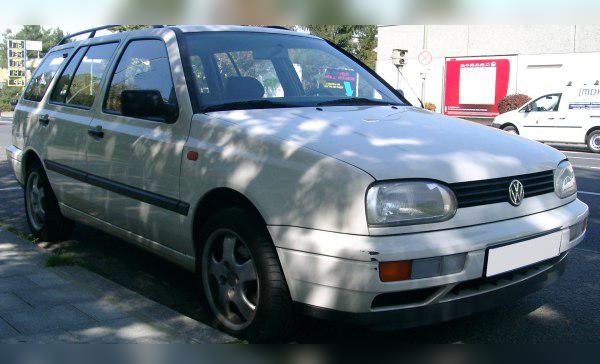
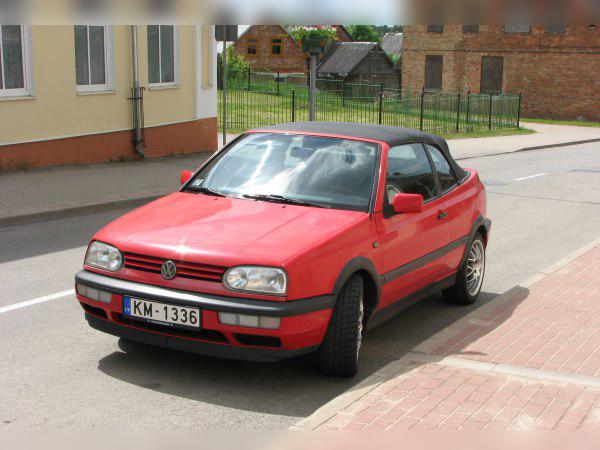
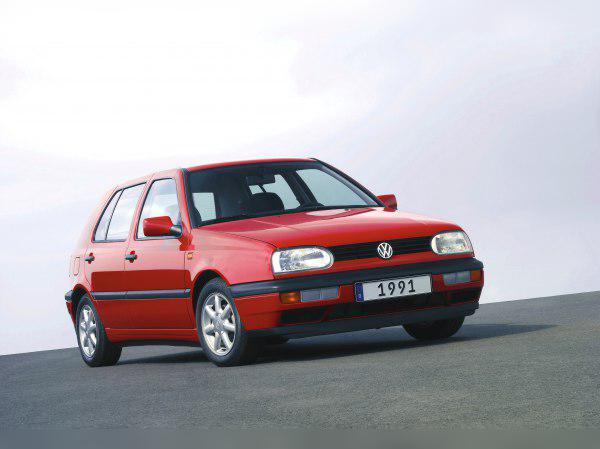
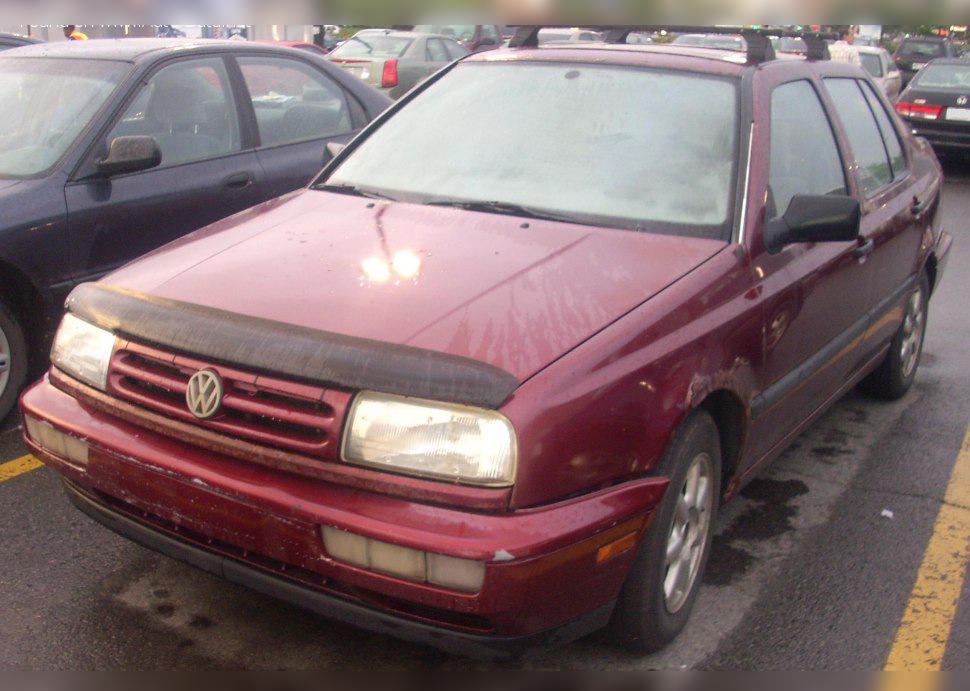
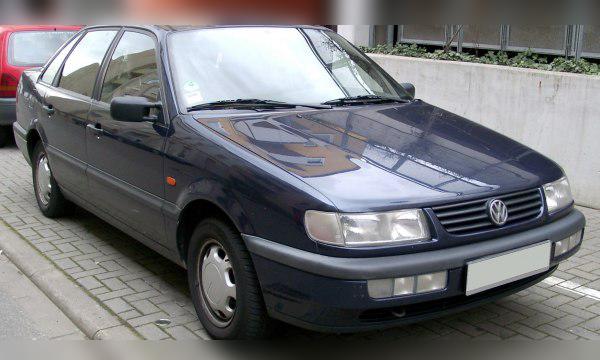
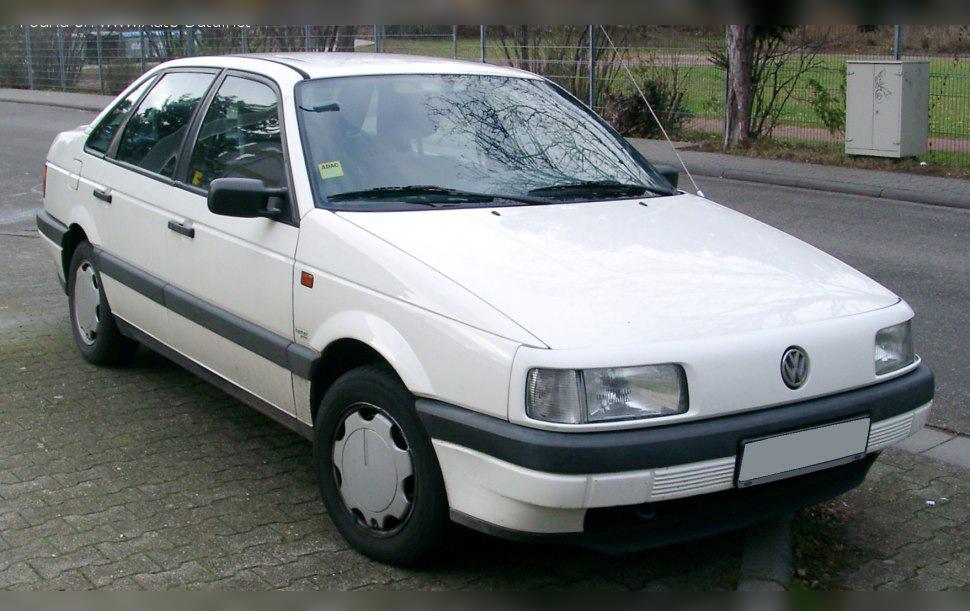
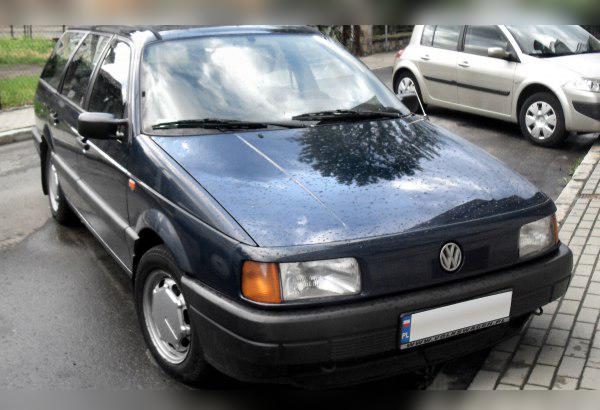
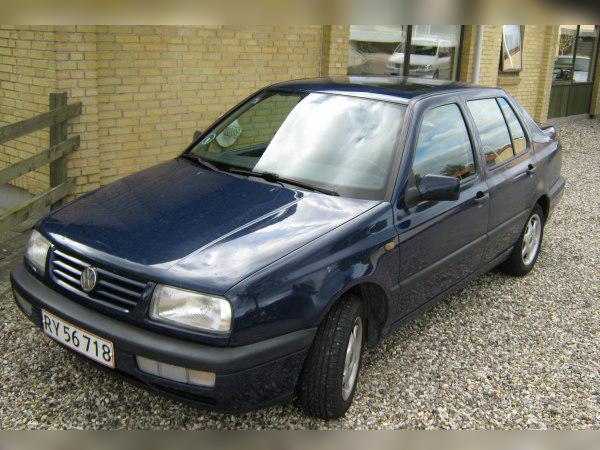
Volkswagen’s AAM engine is a true relic from the era when cars were built to last. It was mostly installed during the 1990s in models such as the Golf III, Jetta III (Vento), and the robust Passat B3 and B4. It is a 1.8-liter unit that develops “only” 75 hp (55 kW). The reason it produces so little power from that displacement lies in the fact that the compression ratio was deliberately reduced to 9.0:1. This very “unstressed” nature is what made it legendary – the AAM can withstand huge mileages, often without the need to open the engine block. It served as a reliable “workhorse” for families and businesses all over Europe.
Technical specifications
| Parameter | Value |
|---|---|
| Engine displacement | 1781 cc (1.8 L) |
| Power | 55 kW (75 hp) |
| Torque | 140 Nm at 2500 rpm |
| Engine code | AAM |
| Injection type | Mono-Motronic (Monopoint – single injector) |
| Aspiration | Naturally aspirated (no turbocharger) |
| Number of cylinders and valves | 4 cylinders, 8 valves |
Reliability and maintenance
Timing belt or chain?
The AAM engine uses a timing belt to drive the camshaft. An interesting fact from workshop practice is that due to the specific piston shape and low compression, if the timing belt snaps, in most cases there is no contact between valves and pistons (a so‑called “non-interference” engine). However, this does not mean maintenance should be neglected. A major service includes replacement of the timing belt, tensioner and water pump, and is typically done every 60,000 to 80,000 km or every 5 years.
Most common issues with this engine
The mechanical side is extremely robust, but it’s the peripheral components that most often cause headaches (mainly due to age):
- Rubber monopoint flange: Located under the injection unit. Over time it cracks and the engine starts drawing unmetered air. Symptoms include rough idle, excessive fuel consumption and stalling when you press the clutch.
- Blue coolant temperature sensor: A well-known weak spot. If this sensor sends incorrect data, the ECU doesn’t know whether the engine is cold or warm, so it overfuels. The car is hard to start when hot or consumes an abnormal amount of petrol.
- Idle stepper motor: Causes idle speed to fluctuate between 500 and 1500 rpm.
- Ignition coil and distributor: An outdated system with a rotor arm and cap that oxidize over time. Moisture-related issues can make cold morning starts difficult.
Lubrication system and oil consumption
The engine takes about 3.8 to 4.0 liters of oil. Given the modest technological demands, semi-synthetic 10W-40 is recommended, while for older, more worn examples many mechanics even use mineral 15W-40 (especially in summer). Does it burn oil? Yes. Over years of use, the valve stem seals harden, allowing oil to seep into the cylinders. Acceptable consumption ranges from 0.5 up to even 1 liter per 2,000–3,000 km on engines with over 300,000 km, which for this unit at that age is considered normal and not a reason for a full rebuild.
Ignition maintenance (spark plugs)
As a classic petrol engine without direct injection, the AAM requires regular spark plug replacement (usually standard copper or nickel plugs). They are replaced every 30,000 to at most 40,000 km, while ignition leads should be replaced at the first sign of insulation damage.
Specific parts (costs)
Flywheel and clutch
This engine does not have a dual-mass flywheel; instead, it uses a simple solid flywheel that is practically indestructible. The cost of replacing the clutch kit itself (pressure plate, disc and release bearing) is not high (depends on the market) and is among the least painful expenses in the automotive world.
Injection system
The injection system is Mono-Motronic – the entire system relies on a single central injector that sprays fuel into the intake manifold (it looks similar to a carburetor). The injector itself is very reliable. The problematic parts can be the connectors and wiring, which become brittle after 30 years. A complete used monopoint housing from a breaker’s yard is cheap (market-dependent).
Turbo, DPF, EGR, AdBlue
This is the best part for budget-conscious buyers: the AAM has none of these systems! It is a bare-bones, old-generation naturally aspirated engine, which means you will never pay for expensive turbocharger overhauls, DPF cleaning or AdBlue system repairs, because they simply aren’t there.
Fuel consumption and performance
Is it lazy?
In short: yes, very. With only 140 Nm of torque (and that at a fairly reasonable 2500 rpm), this engine can just about keep up with city traffic in a light Golf 3. However, once you put it into the heavier body of a Passat B3 or B4 estate (Variant) loaded with passengers, overtaking on country roads requires serious planning, plenty of gear shifting, the accelerator pedal to the floor and a lot of patience.
Real-world fuel consumption
The single-injector (Monopoint) system is far from ideal when it comes to fuel atomization efficiency.
- City driving: Realistically, consumption ranges from 9.5 to 11 liters per 100 km, and even more in heavy traffic with a heavier body (Passat).
- Open road (rural highways): It can drop to around 6.5 to 7.5 liters, provided you drive gently.
On the motorway
The AAM was not designed for today’s modern motorways. Due to short gear ratios, at a speed of 130 km/h the engine spins at around 3,600 to 3,800 rpm in fifth gear. This results in considerable cabin noise, increased fuel consumption and the constant feeling that the engine is “asking for a sixth gear” that doesn’t exist.
Additional options and modifications
LPG conversion
This is one of its biggest advantages. The AAM is absolutely perfect for LPG conversion. Thanks to the metal intake manifold and simple injection system, even a basic and very cheap venturi-type LPG system can be successfully installed. The engine tolerates the higher combustion temperature of LPG very well, performance losses are marginal, and given its relatively high petrol consumption, the LPG conversion pays for itself very quickly.
Is remapping worth it?
As a naturally aspirated, low-compression engine (without a turbo), this unit is not suitable for “chip tuning” (Stage 1 remap). A software tweak would give you at most 3 to 5 horsepower, which you won’t even feel at the pedal. It would be wasted money. Any attempt at “tuning” this engine goes against its very purpose and makes little sense.
Gearbox: Manual and automatic
Manual gearboxes (Type 020)
These are classic five-speed manual gearboxes paired with the AAM engine. They are very durable, but due to years of use the most common issues include:
- Worn second-gear synchro: Grinding when shifting from first to second.
- Play in the shift linkage: The gear lever develops excessive free play (“stirring a pot of dough”), making it hard to engage first or reverse. This is solved cheaply by replacing the set of small plastic/teflon bushings in the linkage.
- Driveshaft oil seals: They often start leaking gearbox oil.
It is advisable to check the oil level in the manual gearbox and replace it every around 60,000 km (recommended grade is 75W-90, GL-4 specification).
Automatic gearboxes (Type 096 / 01M)
If you come across an AAM engine paired with an old 4-speed automatic, be very careful. Engine performance with this gearbox is tragic, and city fuel consumption increases by 1 to 2 liters. The biggest issue with used cars is that previous owners almost never changed the oil and filter in the automatic gearbox (the interval is 60,000 km). Failure symptoms include jerking and harsh shifts, or so-called “slipping” (the engine revs up but the car doesn’t accelerate). Repairing such an automatic is expensive and often not cost-effective compared to the value of the whole vehicle (market-dependent).
Buying used and conclusion
What exactly to check before buying?
During the test drive and inspection, pay attention to the following AAM-specific details:
- Idle behavior: Warm the engine up and listen. If the rev counter fluctuates up and down without touching the throttle, the issue is in the intake (unmetered air at the flange, dirty throttle body or faulty idle control motor). A mechanic can easily test this by spraying brake cleaner around the base of the monopoint unit.
- Exhaust smoke: The first cold start of the day is crucial. If it emits bluish smoke on startup that disappears after a few minutes, it’s a sign that the valve stem seals are worn and need replacement (oil has seeped into the cylinders overnight).
- Coolant temperature sensors: Hook the car up to diagnostics; on old vehicles the wiring is brittle and the temperature sensors and lambda sensor often report incorrect values, which drastically increases fuel consumption.
Final verdict
Volkswagen’s 1.8 AAM engine is a monument to a long-gone era of simple and long-lasting mechanical engineering. It is not intended for young drivers seeking sharp acceleration, nor for people who cruise the motorway every day at 140 km/h, as the noise will bother them. However, if you need an extremely reliable car for city or suburban driving, with the lowest possible routine servicing costs, that happily runs on cheap LPG, the AAM unit is one of the safest bets you can find under the bonnet of a used car.