Engine 1.9 TD (AAZ) 75 HP: Experiences, problems, fuel consumption and used car buying tips
- Old-school diesel: Extremely simple pre-chamber engine, without complicated electronics.
- Biggest flaw – Crankshaft pulley: Due to poor keyway design, the pulley develops play, which can lead to timing belt failure and complete engine destruction.
- No expensive parts: No dual-mass flywheel, no DPF filter, and the injectors are mechanical and very cheap to overhaul.
- Sluggish and noisy: With 75 HP, this engine is quite slow in heavier bodies (Passat, Audi 80) and noisy on the highway.
- Bosch pump: Fuel leaks on the seals of the high-pressure pump are a common age-related issue.
- Reliability: With regular maintenance and the crankshaft issue solved, this is an engine that can cover huge mileages.
Contents
- Introduction: About the 1.9 TD (AAZ) engine
- Technical specifications
- Reliability and maintenance
- Specific parts and costs
- Fuel consumption and performance
- Additional options and modifications
- Gearbox and clutch
- Buying used and conclusion
Introduction: About the 1.9 TD (AAZ) engine
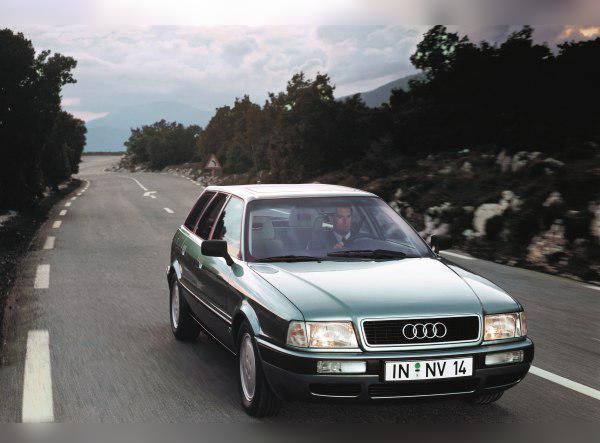
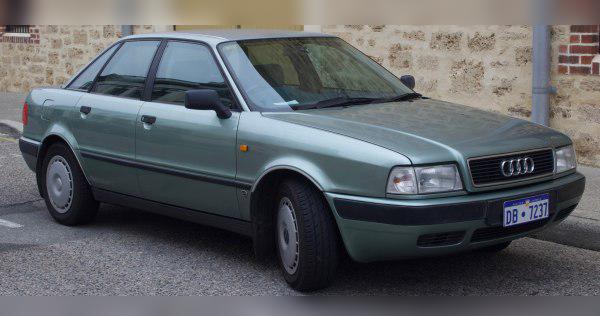
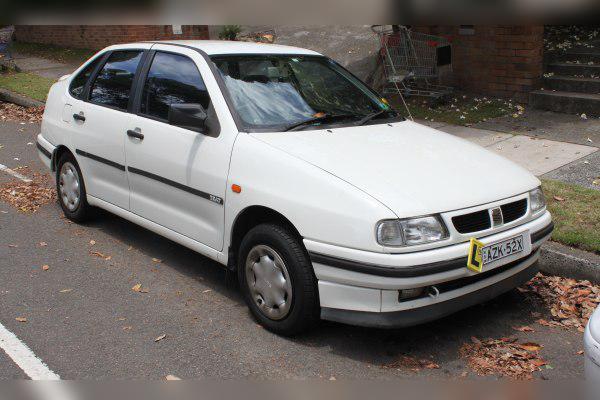
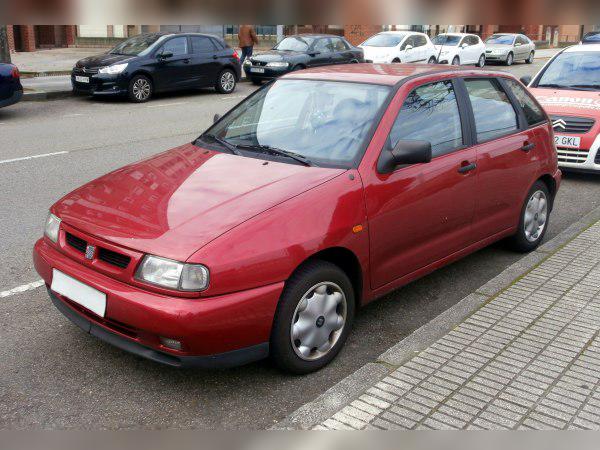
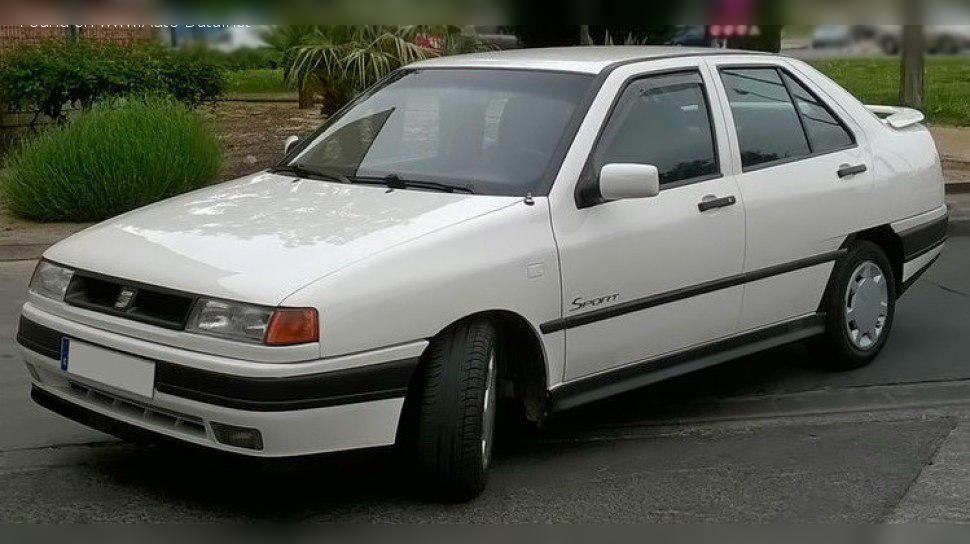
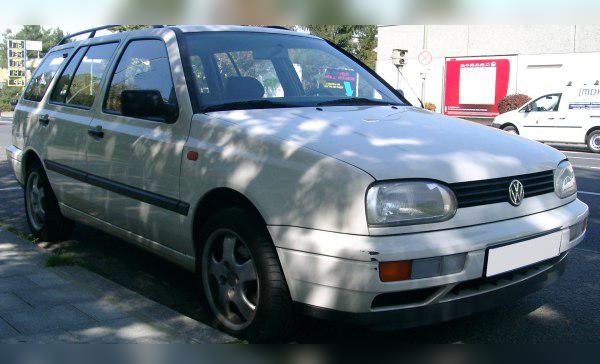
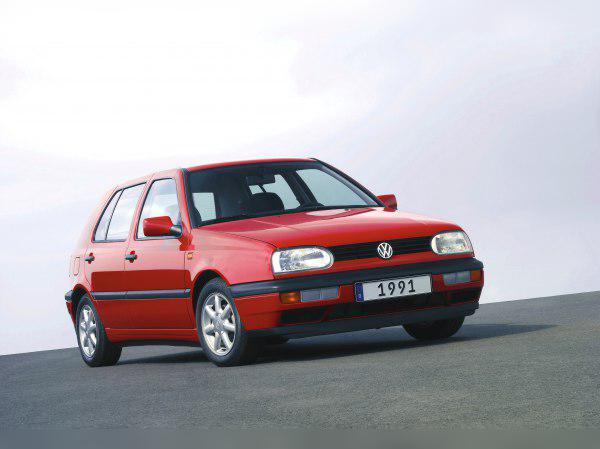
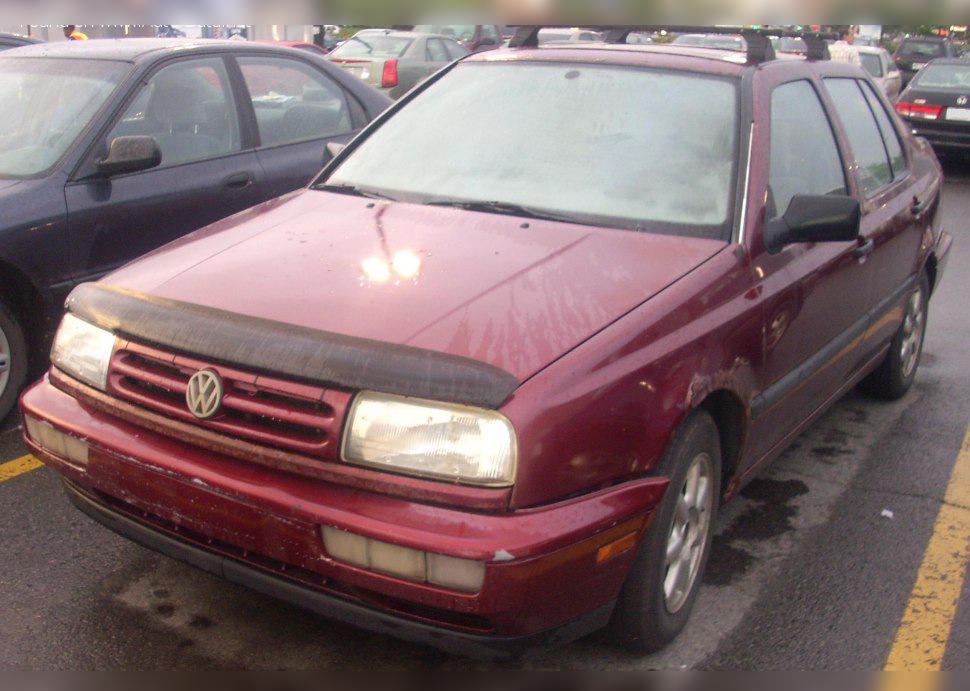
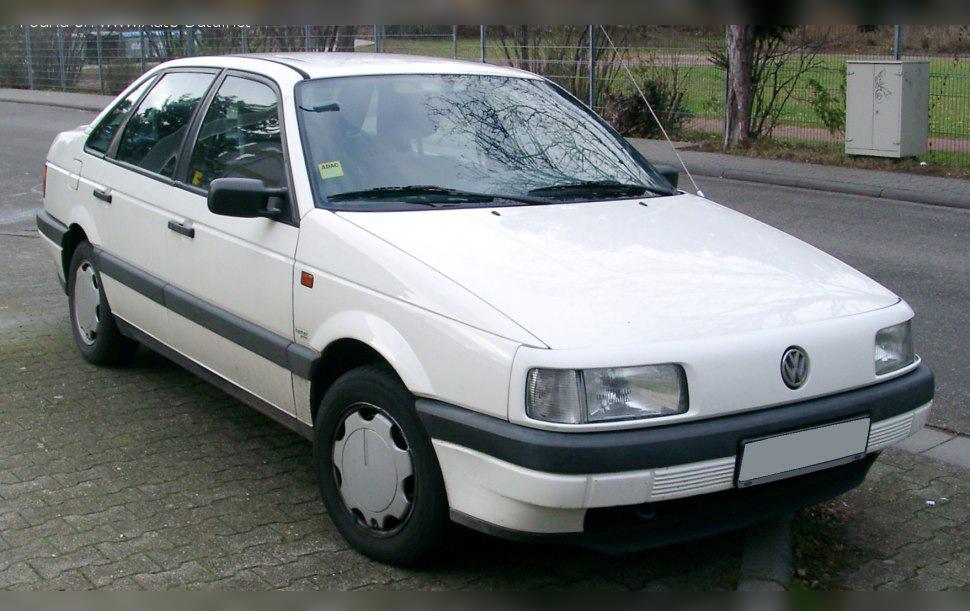
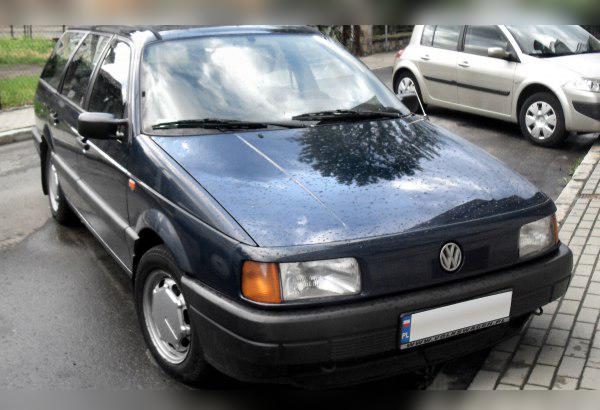
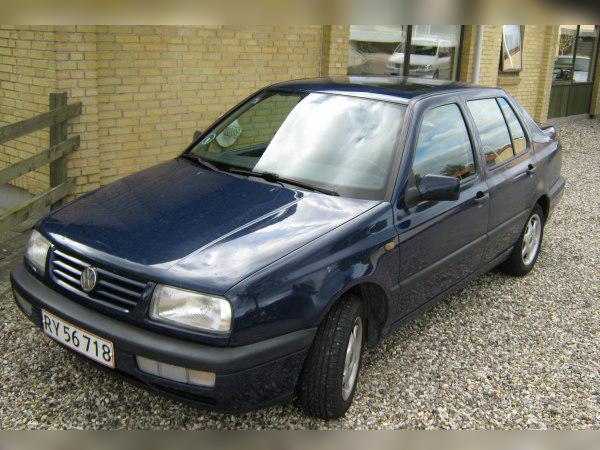
Before Volkswagen took over the world with its legendary TDI engines with direct injection, there was a transitional phase – the 1.9 TD with the AAZ code. This engine, with its 55 kW (75 HP), is an evolution of the older 1.6 TD engines and uses an indirect fuel injection system into pre-chambers (IDI). It was installed in the early and mid-1990s in almost all VAG group models, including the VW Golf III, Passat B3, Vento, Audi 80 (B4), as well as the first generations of Seat Toledo, Ibiza and Cordoba.
By today’s standards, this is an archaic powerplant. Still, it has its loyal following. Why? Because it is brutally mechanically simple. There are no sensors that will leave you stranded because of a software glitch. If it has diesel, air and compression – it runs. However, its age and one serious factory flaw require caution when buying.
Technical specifications
| Parameter | Specification |
|---|---|
| Engine displacement | 1896 cc |
| Power | 55 kW (75 HP) at 4200 rpm |
| Torque | 140 Nm at 2400 rpm |
| Engine code | AAZ |
| Injection type | Indirect injection (pre-chamber), mechanical pump |
| Charging | Turbocharger (wastegate) |
Reliability and maintenance
This engine uses a timing belt to drive the camshaft. The timing mechanism is quite simple, but it hides the biggest and most expensive weakness of this engine.
Most common failures
When talking about the AAZ engine, any mechanic will first ask you: “What’s the condition of the crankshaft pulley?” The crankshaft pulley (sprocket) problem is a factory design flaw. The keyway on the sprocket that sits on the crankshaft gradually develops play. Symptoms are slight “wobbling” of the pulley while the engine is running, harder cold starts, loss of power and increased smoke. If this is ignored, the sprocket can slip or fall off, the timing belt loses timing, and the pistons hit the valves. The result is total engine failure. The solution during a major service often includes machining the crankshaft nose and fitting a modified sprocket from a TDI engine (a fix commonly done by older, experienced mechanics).
Another known issue is cracking of the cylinder head between the valves. Due to huge thermal loads in the pre-chambers, the head can develop micro-cracks. Symptoms are loss of coolant, swollen coolant hoses and mixing of oil and coolant. Also, pay attention to oil leaks on the crankshaft seals and diesel leaks on the high-pressure pump (“Bosch pump”), as the seals become brittle after 30 years.
Service intervals and oil
A major service is recommended every 60,000 km or every 5 years. Because of the mentioned crankshaft issue, extending this interval is a gamble. The engine takes about 4.3 to 4.5 liters of oil (depending on the filter). The recommended grade is 10W-40 semi-synthetic, although many owners switch to 15W-40 mineral oil due to engine wear. Because of the engine’s design, oil consumption is normal. It is considered acceptable for it to consume between 0.5 and 1 liter of oil per 10,000 km. If it consumes more, the problem is usually valve stem seals, worn piston rings or turbocharger shaft wear.
Injector condition and longevity
Since this is an older-generation diesel, the injectors are fully mechanical. They last extremely long, often over 300,000 km without any intervention. When they wear out, symptoms include black smoke when accelerating, harder cold starts and a rough, “hammer-like” engine sound. Unlike modern common-rail systems, overhauling these injectors usually means just replacing the nozzle inserts and setting the opening pressure (most often to 155 bar). The cost of this work is: very cheap (depends on the market).
Specific parts and costs
Clutch and fuel injection system
Good news for your wallet: the AAZ engine does not have a dual-mass flywheel. It uses a classic, solid flywheel that practically never fails. The injection system uses a rotary distributor pump (most often Bosch VE, less often Lucas). The pump is very robust and tolerates poor-quality fuel well, with the only real problem being aging seals that start to leak. Overhauling (resealing) the pump falls into the category: not expensive (depends on the market).
Turbocharger and emissions
The engine has a single turbocharger (usually KKK K14 or Garrett T2) controlled by a mechanical wastegate valve. It has no variable geometry and is extremely durable. With regular oil changes, it often outlives the engine itself. As for emissions, things are very simple: this model has no DPF filter and no AdBlue system, because it was built before such technologies became widespread. Some later versions had a mechanical EGR valve to meet Euro 2 standards. If present, it has most likely already been clogged with soot or blocked off with a plate by previous owners, which actually suits this engine and reduces intake manifold fouling.
Fuel consumption and performance
It is a misconception that old diesels use little fuel in heavy city traffic. Real consumption in stop-and-go driving is between 6.5 and 8 l/100 km. On open roads (single carriageway), it can drop to around 5 l/100 km. Although 140 Nm of torque sounds sufficient on paper, this engine is quite “lazy” when installed in heavier cars such as the Passat B3 estate or Audi 80. Due to the lack of direct injection, throttle response is slower than on TDI engines. In lighter models (Golf III, Seat Ibiza) the engine behaves decently and is perfectly adequate for everyday use.
On the motorway, this engine is not in its natural habitat. Due to the short gear ratios typical of that era, at 130 km/h the engine spins at a high 3200–3500 rpm (depending on the gearbox type). Under these conditions the cabin is quite noisy, and fuel and oil consumption rise sharply. It cruises best at around 100–110 km/h.
Additional options and modifications
Since this is an engine without an ECU controlling injection, classic software “chipping” (Stage 1) via the OBD port is not possible here. However, enthusiasts know that the AAZ can easily be tuned purely mechanically. The modification known as the “governor mod” or adjusting the LDA pin in the Bosch pump, along with a slight increase in boost pressure on the turbo’s wastegate (mechanically via a simple bleed valve), can raise power from 75 HP to almost 90 HP and noticeably increase torque. This results in much better throttle response, but comes at the cost of black smoke from the exhaust under full load and higher cylinder head temperatures, which means you must keep an eye on the temperature gauge.
Gearbox and clutch
The AAZ engine was most commonly paired with a 5-speed manual gearbox (codes like 020 in lighter cars, or the hydraulic 02A in larger vehicles). Very rarely, in certain Passat and Golf series, a classic 4-speed automatic with a torque converter was fitted.
Gearbox failures and maintenance
The manual gearboxes are mechanically robust. The most common issues are worn synchros on second and third gear (grinding during fast shifts) and oil leaks on the shift linkages. The automatic gearboxes are extremely slow, increase fuel consumption and are prone to jerking if the oil has not been changed regularly, so they are best avoided on cars this old.
The cost of clutch replacement is very low. As mentioned, only the clutch kit (pressure plate, disc, release bearing) is replaced since there is no dual-mass flywheel. A clutch kit falls into the category: very cheap (depends on the market).
As for gearbox servicing, the manufacturer often declared the oil in the manual gearbox as “lifetime fill”, but real-world experience shows otherwise. It is essential to change the gearbox oil every 60,000 to 80,000 km, which will significantly extend the life of the bearings and synchros.
Buying used and conclusion
Today, finding an AAZ engine that hasn’t covered more than half a million kilometers is an impossible mission. That’s why the odometer reading means absolutely nothing – only the current mechanical condition matters.
What to check before buying?
- Cold start: The engine should start immediately, using the “choke” (cold-start lever that advances injection timing – on earlier models located in the cabin). If it cranks for a long time and produces a cloud of white or grey smoke, compression is poor or the system is drawing air.
- Crankshaft pulley: Let the engine idle and watch the bottom pulley (the one closest to the ground). If you notice it oscillating (“wobbling in a figure eight”), the engine needs an urgent and potentially costly repair before the timing belt fails.
- Coolant hoses: After the engine reaches operating temperature of 90°C, squeeze the upper radiator hose. It must not be rock hard. If it is, the cylinder head is cracked and is pushing compression into the cooling system.
- Engine blow-by and oil pressure: Unscrew the oil filler cap while the engine is running (watch out for splashing). Light blow-by is normal for these old engines, but if it blows out thick white vapour and throws out oil strongly, the piston rings are worn.
Who is this engine for?
The 1.9 TD (AAZ) engine is a relic of the past. It is intended for buyers with a very limited budget who need a workhorse for local conditions or cargo transport, and who also know a bit about turning wrenches themselves. Maintenance is incomparably cheaper than on modern common-rail diesels, every fault can be heard, seen or smelled, and for diagnostics you don’t need a laptop, just a spanner and an experienced ear. If you avoid revving it hard while cold, change the oil regularly and sort out the pulley issue, this is a powerplant that will keep going until the bodywork around it completely disintegrates from rust.