AFN 1.9 TDI Engine (110 HP) – Experiences, Problems, Fuel Consumption and Used Car Buying Tips
Most important points in short (TL;DR):
- Legendary reliability: One of the most durable engines ever made, capable of huge mileage with only basic maintenance.
- Injection system: Uses a reliable rotary pump (Bosch VP37), no sensitive Pumpe-Düse (PD) elements or Common Rail.
- Turbocharger: The first mass-produced TDI with variable geometry (VNT). Prone to soot build-up and sticking vanes if driven too much at low RPM.
- Fuel consumption: Extremely economical, average is often below 6.0 l/100 km.
- Dual-mass flywheel: Yes, this engine has it in most models, which increases the cost when replacing the clutch kit.
- Age is the biggest issue: The mechanicals are almost indestructible, but rubber seals, vacuum hoses and wiring are now more than 25 years old.
Contents
- Introduction: An icon of diesel technology
- Technical specifications
- Reliability and maintenance
- Specific parts (Costs)
- Fuel consumption and performance
- Additional options and modifications
- Gearbox and drivetrain
- Buying used and Conclusion
Introduction: An icon of diesel technology
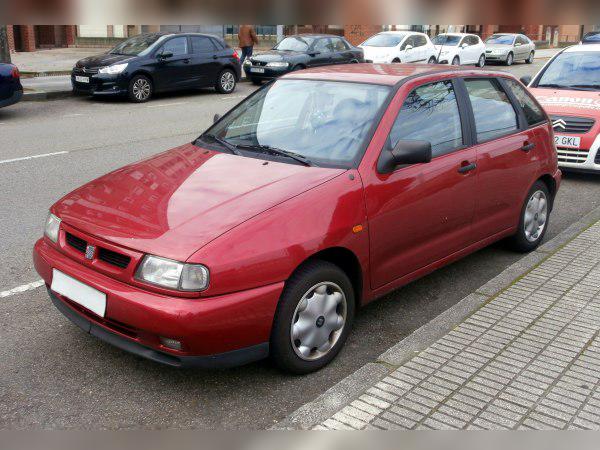
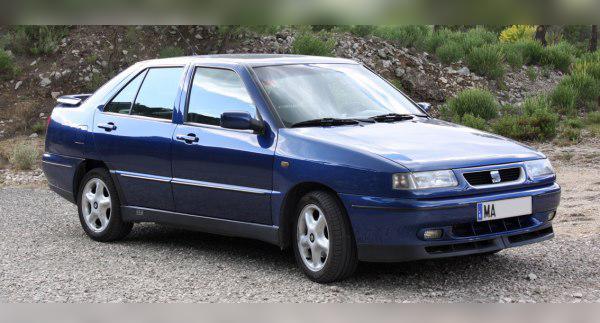
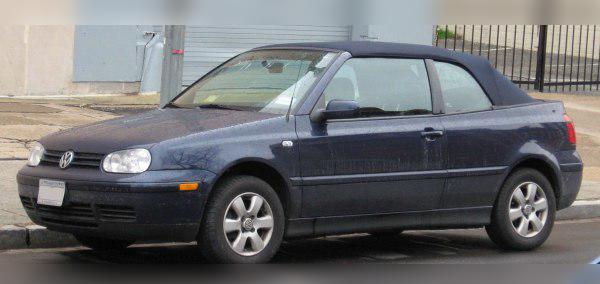
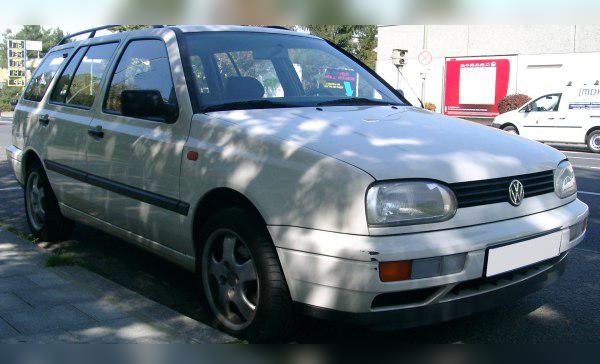
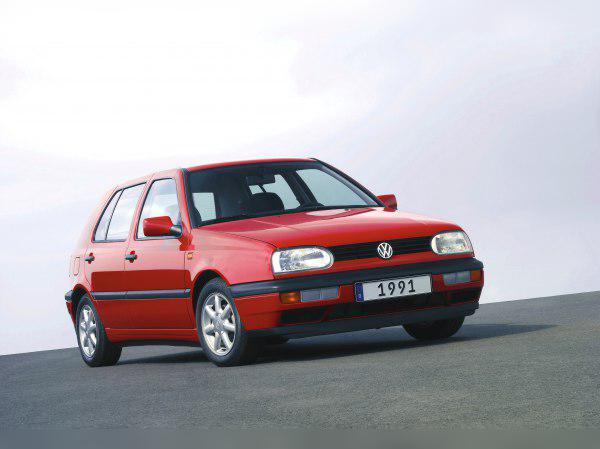
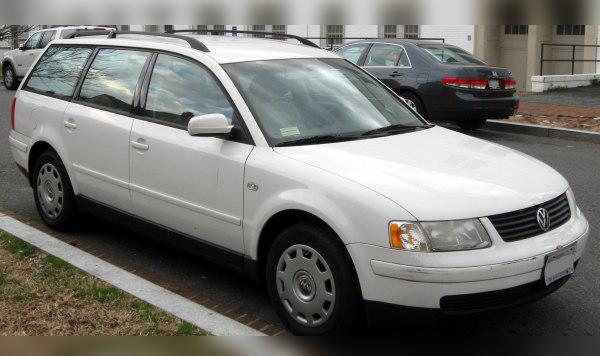
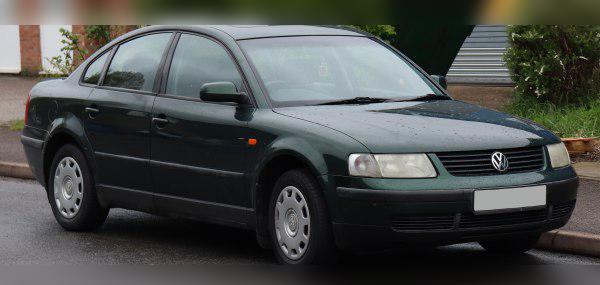
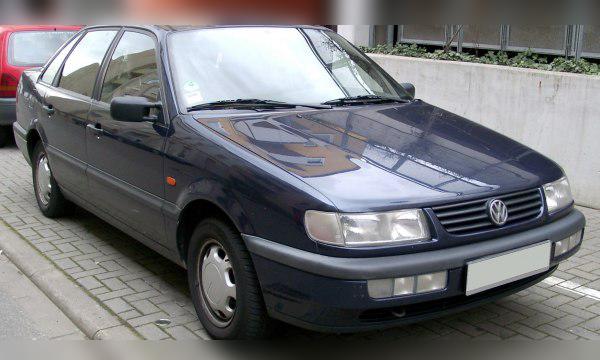
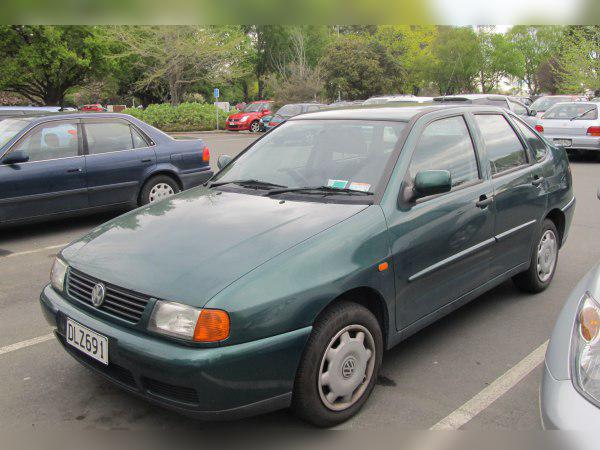
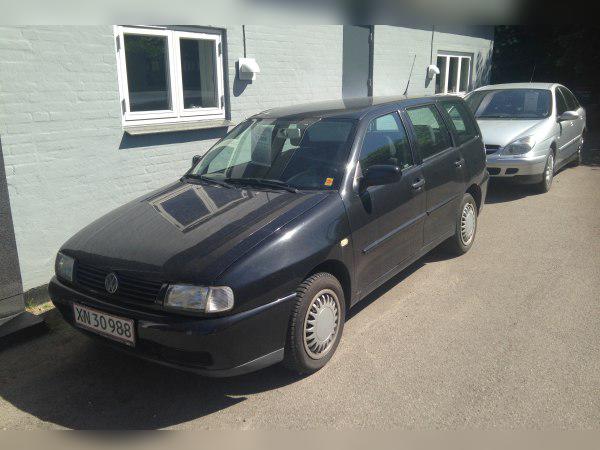
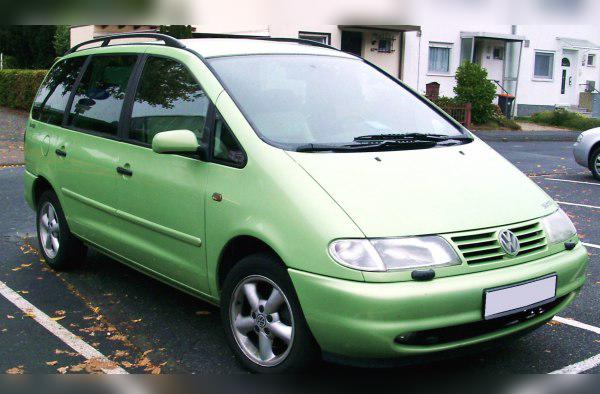
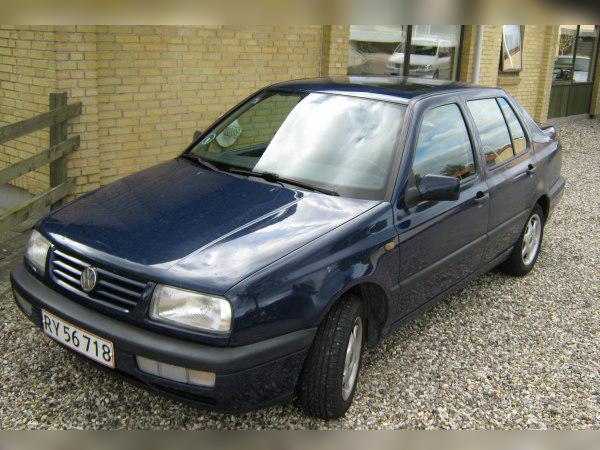
When mechanics and car enthusiasts talk about the “golden age” of diesel engines, the code AFN is mentioned with special respect. This 1.9 TDI with 81 kW (110 HP) represents the peak of evolution before the switch to Pumpe-Düse (PD) systems. It was installed in the late nineties and early 2000s in a wide range of vehicles across Europe – from lighter models such as the Seat Ibiza and VW Golf III/IV, through family sedans like the VW Passat (B4 and B5), all the way to heavy minivans such as the VW Sharan. Its magic lies in the perfect balance between performance, extremely low fuel consumption and a robust architecture that forgives maintenance mistakes.
Technical specifications
| Specification | Data |
|---|---|
| Engine displacement | 1896 cc |
| Power | 81 kW (110 HP) |
| Torque | 235 Nm |
| Engine code | AFN |
| Injection type | Direct injection, Bosch rotary pump (VP37) |
| Turbo/Naturally aspirated | Turbocharger with variable geometry (VNT) + Intercooler |
Reliability and Maintenance
Timing belt or chain and major service
The AFN engine uses a timing belt for the valvetrain. Considering the age of these cars and the quality of aftermarket parts on the market, it is recommended to do the major service (replacement of timing belt, tensioner, idler pulleys and water pump) strictly at intervals of 60,000 km up to a maximum of 90,000 km, or every 5 years. A broken belt leads to catastrophic engine failure (valves hitting pistons), although the timing mechanism itself is fairly simple and reliable if replaced regularly.
Most common failures
The engine’s mechanical components (crankshaft, pistons, block) are practically indestructible, but the peripherals pay the price of time. The most common issues include:
- Vacuum loss and “Limp mode” (Safety mode): Cracked old vacuum hoses or a faulty N75 valve (which controls the turbo). The car loses power, the turbo shuts down, and the problem is temporarily solved by turning the engine off and on again.
- Fuel leaks from the Bosch pump (Bosch VP37): Seals on the rotary pump harden with age and temperature changes, so the pump starts to weep diesel. The solution is resealing the pump at a diesel specialist, which is not very expensive (depends on the market).
- Mass air flow sensor (MAF): It often weakens, causing the engine to feel “lazy” and less responsive to throttle input.
Oil and oil consumption
The AFN engine takes about 4.3 to 4.5 liters of oil (depending on the filter and the specific model it is installed in). The recommended viscosity is 10W-40 (semi-synthetic) or 5W-40 (synthetic), with mandatory compliance with the VW 505.00 specification. There is some oil consumption between services, but it is minimal for this generation. Tolerance is up to 0.5 liters per 10,000 km. If the engine consumes more, the problem is usually not in the piston rings (which are extremely strong), but in oil leaks from crankshaft seals, the valve cover gasket, or worn turbo bearings letting oil through.
Injectors
The AFN uses fully mechanical spring-loaded injectors, with the third injector being specific because it has a needle lift sensor (which sends a signal to the ECU about the injection timing). These injectors have proven to be excellent and last a very long time (often over 400,000 km). They are not as sensitive to poor fuel quality as modern Common Rail systems. When they wear out, symptoms include hard starting, bluish smoke and rough idle. Replacing the injector nozzles is very affordable (depends on the market).
Specific Parts (Costs)
Dual-mass flywheel
Yes, although this is an old engine, the AFN was one of the first mass-produced engines that in most applications (especially in the Passat B5 and Golf 4) was paired with a dual-mass flywheel to reduce vibrations and protect the gearbox. The cost of replacing the complete clutch kit with the dual-mass flywheel is moderately high today (depends on the market), but you must factor it in if you hear knocking at idle, rattling when switching the engine off, or shuddering when taking off.
Turbocharger and EGR system
This engine uses a turbo with variable vane geometry (VNT – usually a Garrett VNT15). The turbo’s lifespan is impressive, but its biggest enemy is soot. If the car is driven constantly in the city at low RPM (below 2000 RPM), the vanes get clogged with soot and stick. This leads to overboost and the engine going into the aforementioned “Limp mode”. Often it is enough to simply clean the turbo mechanically, without a full rebuild.
The EGR valve is present and is of a mechanical type (vacuum controlled). It often clogs and creates thick soot deposits in the intake manifold, choking the engine. There is no DPF filter on this engine, nor an AdBlue system, which is a huge relief for owners and one of the reasons why many still love this powerplant.
Fuel Consumption and Performance
This is probably the AFN engine’s strongest selling point. Real-world fuel consumption in city driving ranges between 6.0 and 7.0 l/100 km, which is a fantastic result for an engine of this age. On open roads and highways, consumption can drop to an unreal 4.5 l/100 km.
Is the engine “slow”? It depends on which car it is in. In a Seat Ibiza or Golf III, the AFN feels like a little racer due to the low vehicle weight. In a Passat B5 it offers perfectly adequate performance for everyday driving, while in the heavy VW Sharan it can feel a bit sluggish when overtaking under full load, but its 235 Nm of torque still pulls bravely from low revs.
On the motorway at 130 km/h, the engine usually cruises at around 2800 to 3000 RPM in fifth gear (depending on the specific gearbox ratios in different models). Cabin noise is noticeable at that speed, as the sound insulation of older models is not up to today’s standards, but the engine handles this pace without any strain or overheating (coolant temperature firmly at 90°C).
Additional Options and Modifications
The AFN is extremely suitable for “chipping” (Chiptuning / Stage 1). The crankshaft, connecting rods and block are so overengineered and robust that they can handle more power without any hardware changes. With a standard remap, the engine can be safely taken from 110 HP to about 135 to 140 HP, while torque rises to around 300 Nm. After this, throttle response is dramatically better. The only thing to watch out for when chipping is the condition of the clutch – if it is old, it will soon start to slip due to the increased torque.
Gearbox
The AFN was mostly paired with five-speed manual gearboxes, while four-speed automatic gearboxes (classic torque converter, code AG4) were available as an option.
Gearbox failures and maintenance
The manual gearboxes are incredibly durable. The only common issue after hundreds of thousands of kilometers is difficulty engaging first or second gear when the oil is cold, which is a sign of worn synchros. The oil in the manual gearbox (75W-90 specification) should be preventively changed every 100,000 km to extend the life of the bearings and synchros.
On the other hand, the old four-speed automatic (AG4) is a serious risk today. It is very slow, hurts the engine’s performance, increases fuel consumption by more than 1.5 l/100 km and is prone to failures because most owners never changed the oil. In the automatic gearbox, oil and filter must be replaced every 60,000 km. Repairing this automatic often exceeds the market value of the used car itself, so it is advisable to avoid it.
Buying Used and Conclusion
Since cars with this engine are now more than two decades old, the mileage shown on the odometer is often irrelevant (most have done half a million kilometers, regardless of what the instrument cluster says). When inspecting a potential car, make sure to check the following:
- Cold start: The car should start “on half a turn”. If it cranks for a long time or emits a cloud of blue/white smoke, the problem may be in the injection pump timing, bad glow plugs or worn injectors.
- Test drive (Turbo): In third gear, at around 1500 RPM, press the accelerator pedal all the way down (“to the floor”) and hold it until 3500 RPM. If the car suddenly jerks and loses power at some point, the variable geometry of the turbo is sticking and the car has gone into “Limp mode”.
- Noise at idle: Listen for changes in sound when you press and release the clutch. Metallic rattling indicates an upcoming dual-mass flywheel replacement.
- Visual inspection of the Bosch pump: If there is a strong smell of diesel under the bonnet and the pump is wet, prepare money for resealing.
Who is this engine for?
The 1.9 TDI AFN (110 HP) engine is intended for people who need reliable, robust mechanics without expensive modern emission systems (no DPF, no EGR cooler, no sensitive piezo injectors). It is ideal for cheap cruising and work duties. However, the buyer must be aware that they are buying an old car and that, even though the engine itself will probably never “seize”, there will constantly be small expenses for consumable suspension parts, brakes, and old hoses and wiring.