VW 1.9 TDI 90 HP (AGR, ALH) – Experiences, problems, fuel consumption and used-car buying tips
- Indestructible engine block: One of the most reliable diesels ever made, easily covering over 500,000 km without opening the engine.
- Cheap maintenance: The absence of a DPF and a simple injection system make it extremely affordable to own.
- Difference in engine codes: AGR uses a conventional turbo, while ALH has a variable geometry (VNT) turbo.
- Low fuel consumption: Extremely economical, especially on open roads.
- Prone to soot build-up: The EGR valve and variable geometry turbo (on ALH) often get dirty if the car is driven exclusively in the city.
- Automatic gearbox warning: The old 4-speed automatic is slow, increases fuel consumption and is potentially problematic.
Contents
- Introduction: A legend that refuses to die
- Technical specifications
- Reliability, maintenance and common failures
- Specific components and injection system
- Fuel consumption and real-world performance
- Tuning and modifications
- Gearboxes, flywheel and drivetrain
- Buying used and conclusion
Introduction: A legend that refuses to die
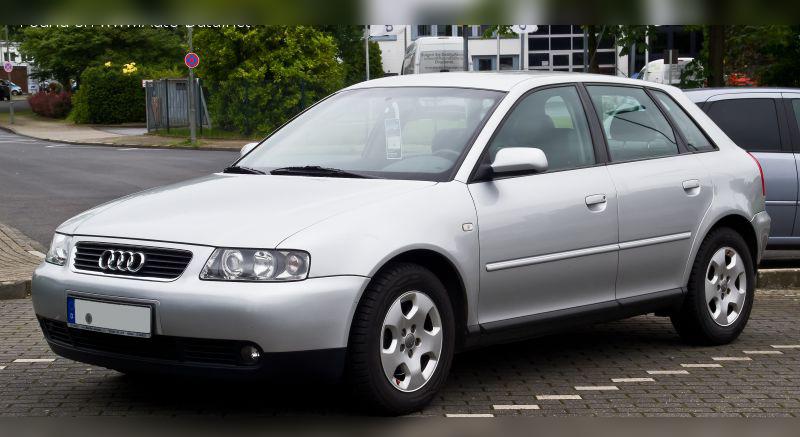
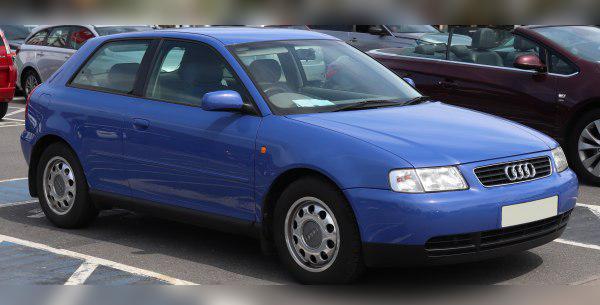
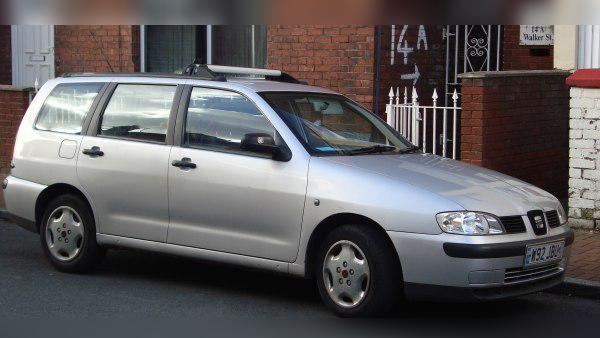
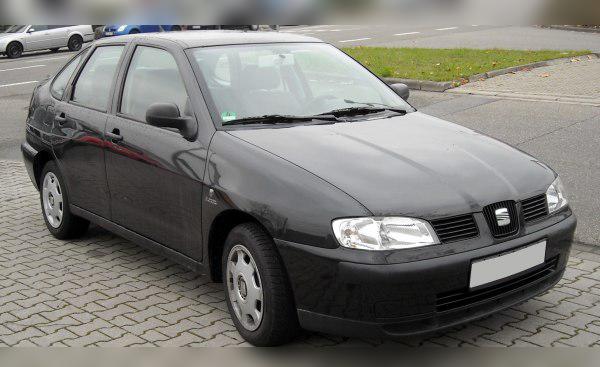
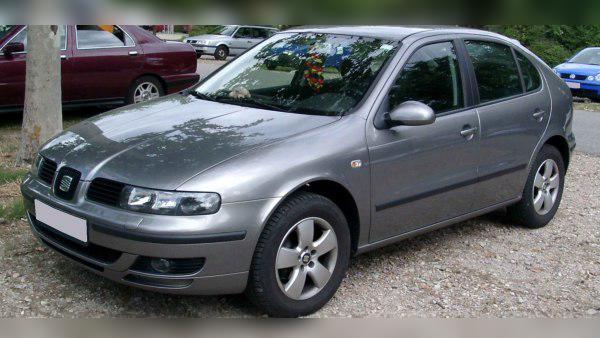
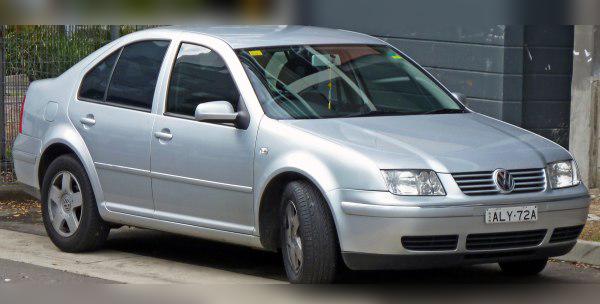
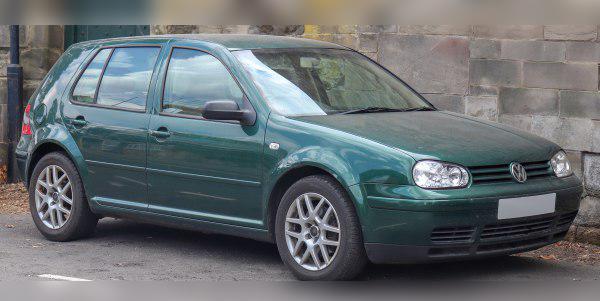
When mechanics mention the 1.9 TDI with 90 horsepower and a rotary pump (the so‑called “Bosch pump” type), everyone knows what it’s about. Engines with codes AGR and ALH represent the pinnacle of reliability for the Volkswagen Group before the switch to more complex Pumpe-Düse (PD) and Common Rail systems. These engines defined the era of models such as the Golf IV, Audi A3 (8L), Seat Leon, Cordoba and VW Bora. Thanks to their simplicity and durability, they are still highly sought after on the used market today, especially among drivers who want cheap and reliable transport from point A to point B.
Technical specifications
| Parameter | Specification |
|---|---|
| Engine displacement | 1896 cc |
| Engine power | 66 kW (90 HP) |
| Torque | 202 Nm or 210 Nm (depending on revision) |
| Engine codes | AGR, ALH |
| Injection type | Direct injection, rotary VP37 pump (Bosch) |
| Charging method | Turbocharger (AGR: fixed geometry, ALH: variable) with intercooler |
Reliability, maintenance and common failures
This engine is considered one of the most durable powerplants for a reason. The timing is driven by a toothed belt. The major service is crucial and, although earlier models recommended it at 60,000 km, newer high-quality belt kits allow replacement at around 90,000 km or every 5 years. At every major service it is mandatory to replace the water pump as well, to avoid overheating or belt failure due to a seized water pump, which would lead to catastrophic engine damage.
Oil and regular servicing
The sump of this engine holds about 4.5 liters of oil. The recommended grades are 5W-40 or 10W-40, and the key point is that the oil meets the VW 505.00 specification. These engines usually do not consume much oil between services. Consumption of 0.1 to 0.2 liters per 10,000 km is completely normal, while anything over 0.5 liters per 1,000 km indicates a serious problem, most often worn piston rings or oil leaking through the turbocharger shaft.
Typical failures and symptoms
Although mechanically almost indestructible, peripheral components fail with age. The most common problems include:
- MAF sensor failure (Mass Air Flow sensor): The symptom is a sudden loss of power; the car becomes extremely sluggish, as if it has no turbo. Replacing the sensor solves the problem and is not expensive (Depends on the market).
- Hot start issue: A frequent occurrence on old TDI engines. When the engine is hot, it has to crank for a long time before it starts. The cause lies in the ECU map (the factory software requires a certain starter rpm before it injects fuel) or in a worn starter motor. It is solved by overhauling the starter and fitting a stronger battery, or by a simple software correction.
- Vacuum hoses and N75 valve: Porous vacuum hoses lead to loss of control over turbo pressure, which throws the car into “limp mode” (safety mode) under higher load.
Specific components and injection system
The injection system is classic, with a Bosch VP37 rotary pump of low/medium pressure and mechanical injectors. This is a huge advantage because the injectors on this engine are extremely long-lasting, often exceeding 300,000 km without any issues. They are not as sensitive to poorer fuel quality as modern Common Rail injectors. Even if a failure occurs, overhauling or replacing the injector nozzles is relatively cheap (Depends on the market).
Turbos: Difference between AGR and ALH
This is a key detail when buying. The AGR engine uses a conventional turbocharger with a wastegate valve (fixed geometry). This turbo is extremely robust and rarely causes headaches. On the other hand, the ALH engine uses a VNT (Variable Nozzle Turbine) turbocharger with variable geometry. The ALH offers better throttle response and is nicer to drive, but its variable vanes are much more prone to sticking due to soot build-up. The symptom is jerking or going into limp mode when accelerating uphill in third gear. Regular “blowing out” on the motorway is mandatory for the ALH.
EGR, DPF and dual-mass flywheel
The great news is that this engine has no DPF filter (diesel particulate filter), which means one big worry less. It also does not have an AdBlue system. However, it does have an EGR valve, which is prone to getting dirty. It is often blanked off mechanically and disabled in the software so it does not choke the intake manifold with soot.
As for the drivetrain, some very early AGR engines could be found with a solid (single-mass) flywheel, but the vast majority (especially ALH models) came from the factory with a dual-mass flywheel. Replacing it together with the clutch kit represents a moderate expense nowadays (Depends on the market), but still significantly cheaper than on newer 2.0 TDI engines.
Fuel consumption and real-world performance
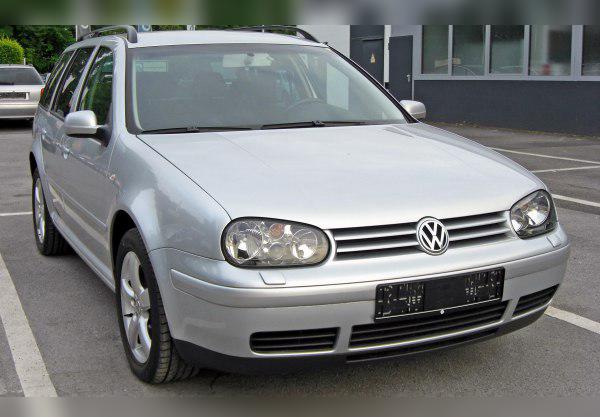
This is an engine for calm drivers and long journeys, not for street racing. In lighter bodies such as the Audi A3 or Golf IV hatchback, 90 HP and 202 Nm of torque offer adequate performance for everyday driving. However, if you buy this engine in heavier bodies like the VW Bora estate or Golf IV estate, especially with 4MOTION all-wheel drive, the engine will feel noticeably “lazy” and will require more frequent downshifts when overtaking.
Fuel consumption is its strongest asset:
- City driving: Real-world consumption ranges from 6.5 to 7.5 l/100 km, depending on traffic and driving style.
- Open road: It can drop to an impressive 4.5 l/100 km.
- Motorway: At 130 km/h the engine runs at slightly higher revs (around 2800–3000 rpm) due to the short 5-speed gearbox. Cabin noise is noticeable then, and consumption is around 5.5 to 6 l/100 km.
Tuning and modifications
For performance enthusiasts, this is an excellent platform. The internal engine components (crankshaft, pistons, connecting rods) are extremely strong. “Chipping” (Stage 1 remap) is very popular, especially on the ALH engine due to the variable geometry turbo. Power can be safely and relatively easily raised from 90 HP to about 115 to 120 HP and around 260 Nm. After the remap, the car breathes incomparably better and loses that factory “sluggishness”, while you do not drastically shorten the engine’s lifespan – provided that the clutch and turbo are in good condition.
Gearboxes, flywheel and drivetrain
Two types of gearboxes were offered with this engine:
Manual gearbox (5-speed)
A classic. The 5-speed manual gearbox is robust and reliable. Failures are extremely rare if the vehicle is not abused. Symptoms of a worn dual-mass flywheel with this gearbox include strong vibrations at idle, metallic rattling when starting/stopping the engine and knocking when pressing the clutch pedal halfway. Maintenance of the gearbox itself boils down to regular oil checks. Although the manufacturer claims the oil is “lifetime fill”, experienced mechanics recommend changing the oil in the manual gearbox every 100,000 km to preserve the synchros.
Automatic gearbox (4-speed)
The old 4-speed automatic with a torque converter (often marked 01M). This is the Achilles’ heel of this drivetrain. The gearbox is technologically outdated, extremely slow when changing gears, ruins the engine’s performance (the car is noticeably slower) and increases fuel consumption by more than 1.5 liters in city driving. The most common failures are related to the valves in the valve body and the electronics. Symptoms include harsh jolts when engaging “D” or “R”, slipping between gears and bangs when downshifting. Repairs are often very expensive and can exceed half the value of the car (Depends on the market). If you have this gearbox, servicing with oil and filter change must be done at no more than every 60,000 km.
Buying used and conclusion
When buying a car with a 1.9 TDI AGR or ALH engine, the mileage on the odometer is the least important thing – most of them have done over 400,000 km, whatever the instrument cluster says. Focus on the following:
- Cold start: The engine should start “on half a turn” and must not emit blue or thick white smoke (a bit of black smoke is normal).
- Turbo sound: A slight whistle is normal, but a sound resembling a police siren is a sign of damaged turbo blades.
- Load test: In third gear at low revs, floor the accelerator and rev it out uphill. If the car suddenly loses power, the turbo geometry is sticking or there is a problem with the vacuum system.
- Suspension and body condition: These engines usually outlive the bodies they are installed in. Check for corrosion on the sills and wheel arches, which is a common issue on the Golf IV and early A3 models.
Who is this engine for? Drivers on a limited budget who want maximum reliability and low fuel consumption. Avoid automatic gearboxes, find an example that is not rotten, change good-quality oil regularly and the AGR/ALH will serve you faithfully for years with laughably low running costs.