Engine 2.3 VR5 (AGZ) 150 HP: Experiences, problems, fuel consumption and used-car buying tips
- Great sound: The specific VR5 architecture delivers one of the nicest sounds in its class, reminiscent of a thoroughbred V6.
- High fuel consumption: Be prepared for double-digit figures; in city driving it easily gulps over 13 l/100 km.
- LPG-friendly: Since it’s a naturally aspirated engine with indirect injection, it handles autogas very well.
- Complex timing system: The chain is located at the back of the engine (next to the gearbox), which makes replacement complicated and expensive.
- Engine reliability: Mechanically very durable, but suffers from minor oil leaks and cooling system issues.
- Performance: Don’t expect sports-car acceleration; it’s heavy and more sluggish compared to the famous 1.8T engine from the same era.
Contents
- Introduction: Why five cylinders under the hood?
- Technical specifications
- Engine reliability and maintenance
- Specific parts and costs
- Fuel consumption and performance
- Extras, LPG and remapping
- Gearbox and drivetrain
- Buying used and conclusion
Introduction: Why five cylinders under the hood?
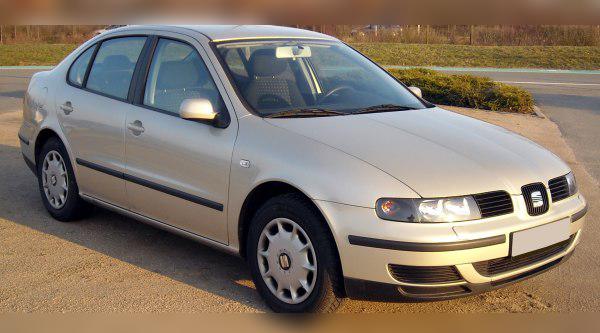
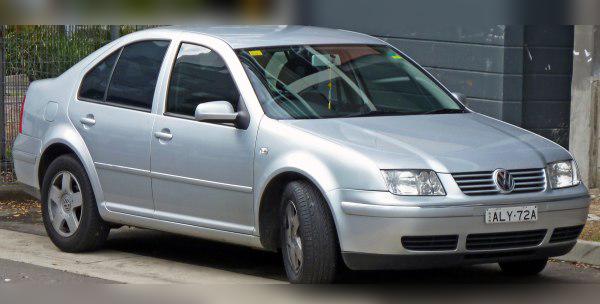
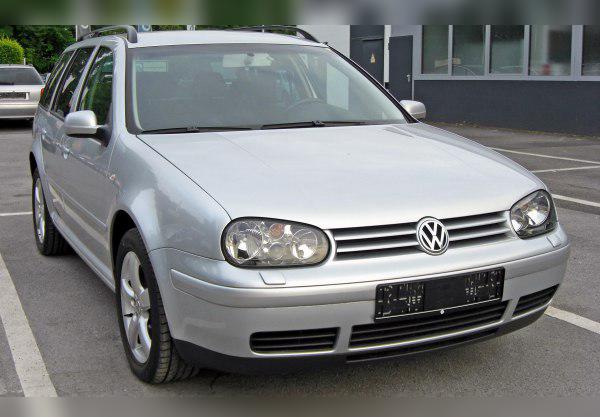
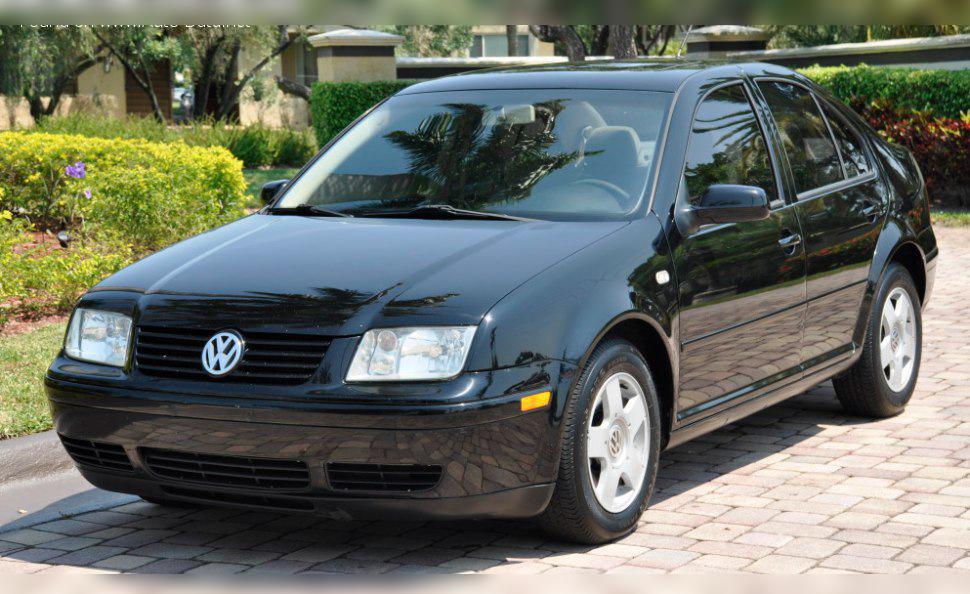
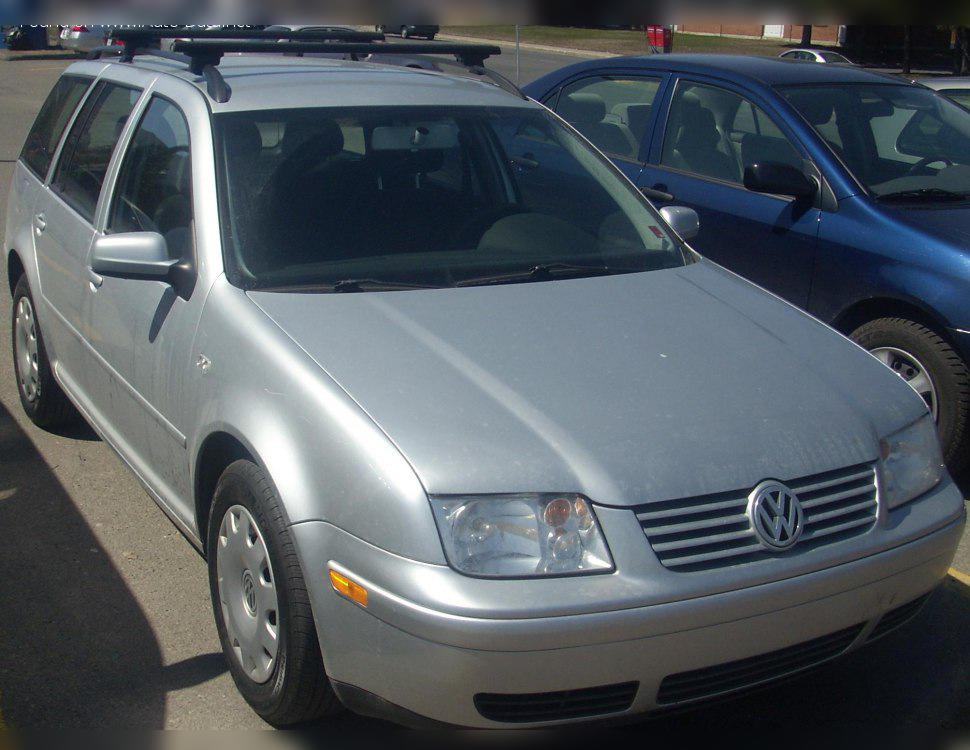
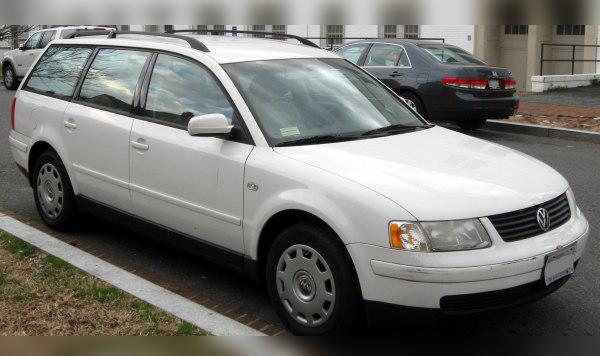
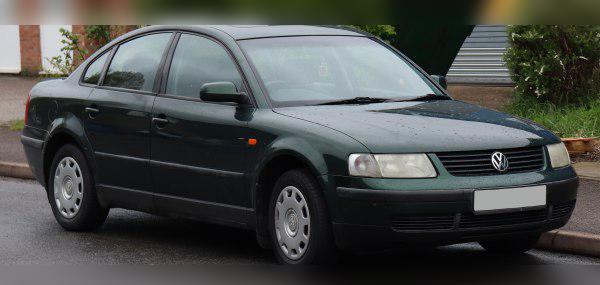
When people mention the late-90s and early-2000s Volkswagen Group, most drivers immediately think of the legendary 1.9 TDI or 1.8T engines. However, for fans of a distinctive sound and smooth operation, there is the AGZ engine – a 2.3-liter unit with five cylinders in the famous VR configuration. It was practically developed by “cutting off” one cylinder from the well-known VR6 engine. This 10-valve engine (two per cylinder) delivers 110 kW (150 HP) and was installed in hefty bodies such as the VW Passat B5, Bora, Golf IV, as well as the Seat Toledo II. Although it’s not a performance record holder, its cult status lies in its incredibly smooth running and a sound that brings a smile every time you press the throttle.
Technical specifications
| Specification | Data |
|---|---|
| Engine code | AGZ |
| Displacement | 2324 cc |
| Power | 110 kW (150 HP) at 6000 rpm |
| Torque | 205 Nm at 3200 rpm |
| Configuration | VR5 (15-degree cylinder angle), 10 valves |
| Injection type | Multipoint indirect injection (MPI) |
| Induction | Naturally aspirated (no turbo) |
| Camshaft drive | Chain |
Engine reliability and maintenance
Timing chain and major service
This engine doesn’t use a conventional timing belt; instead, the camshafts are driven by a chain. The problem with the VR architecture is that the chain is located at the back of the engine, towards the firewall, i.e. right between the engine block and the gearbox. Because of this, there is no strictly prescribed mileage interval for a “major service”; it is done when the chain stretches and starts rattling (most often between 150,000 and 200,000 km). Symptoms of chain stretch are a metallic rattling sound on cold start, and later on rough idle or a check engine light due to crankshaft/camshaft sensor correlation issues. The cost of this service is very high (depends on the market), as it requires removing the engine or taking off the gearbox.
Most common failures
Besides the chain, the most common weak point of the AGZ engine are the plastic coolant flanges. Since the engine generates a lot of heat, the plastic becomes brittle over time, cracks and causes coolant leaks. Ignition coils are also problematic – moisture or age lead to their failure, which results in the engine running on four cylinders (loss of power, strong vibrations, smell of unburnt fuel). The mass air flow sensor (MAF) and crankshaft position sensor can also cause headaches as they age.
Oil and spark plugs
The engine takes about 4.5 to 4.7 liters of oil. The factory recommends 5W-40, although many mechanics use 10W-40 on older examples. The AGZ engine naturally consumes oil, and as the unit ages, consumption due to hardened valve stem seals and worn piston rings can reach 0.5 to 1 liter per 1000 km. Anything above 1 liter indicates a serious mechanical issue. Oil changes are recommended at a maximum of 10,000 to 15,000 km. Since it’s a petrol engine, spark plugs are typically replaced every 60,000 km. It is essential to use quality spark plugs specified by the manufacturer to avoid coil problems.
Specific parts and costs
As an old-school naturally aspirated engine, the AGZ spares you many modern headaches. It has no turbocharger (neither one nor two), which means no turbo whine issues, overhauls or oil leaks into the intercooler. The injection system is classic indirect MPI, which means the petrol injectors are extremely robust, rarely fail and can easily be cleaned ultrasonically if they get dirty from poor-quality fuel.
Although it’s an “old” petrol engine, models with a manual gearbox have a dual-mass flywheel. Its purpose is to dampen the vibrations of the large and heavy engine. Due to the VR5 being less common on the market compared to TDI or 1.8T units, replacing the clutch kit with dual-mass flywheel is expensive (depends on the market).
This engine has no DPF filter and no AdBlue system, as those technologies are associated with diesel engines or much more modern petrol units. It does have an EGR valve (exhaust gas recirculation system), which can get clogged with carbon, causing jerking at low revs and unstable idle, but it is relatively easy to clean.
Fuel consumption and performance
This brings us to the most painful point of the AGZ engine. Real-world city fuel consumption is huge. It’s unlikely you’ll get below 12–13 l/100 km, and in heavier cars like the Passat B5 or models with all-wheel drive (4MOTION/Syncro), stop‑and‑go traffic can easily push consumption to 15 l/100 km.
Is the engine “lazy”? The answer is: subjectively, yes. Although 150 HP sounds decent on paper, the VR5 delivers torque very linearly, without that strong turbo shove into the seat that drivers of 1.8T or 1.9 TDI engines are used to. Because of the heavy iron block in the front (“nose”) of the car, vehicles with this engine tend to understeer more in corners. This is an engine for cruising, not for street racing.
On the motorway it behaves confidently. Thanks to its mass and smooth running, it offers a comfortable ride. At 130 km/h, depending on the gearbox ratios, the crankshaft spins at a relatively high 3500 to 3800 rpm. Fortunately, due to the VR architecture, cabin noise is not tiring; on the contrary – the engine produces a purr that is pleasant to a driver’s ear. Fuel consumption on the open road ranges from 8 to 9 l/100 km.
Extras, LPG and remapping
LPG installation
This is by far the most common question, and the answer is yes. Given the high petrol consumption and simple MPI injection, the AGZ is a perfect candidate for sequential LPG. By installing a quality LPG system you will drastically reduce running costs. It is only important that the installer properly calibrates the gas map and that you regularly replace spark plugs to protect the ignition system.
Remapping (Stage 1)
As a classic naturally aspirated engine, the AGZ is very unrewarding to remap. A Stage 1 ECU remap will give you at most 10 to 12 horsepower with a minimal torque increase. In everyday driving you won’t notice any difference, yet you’ll pay for the software. Investing money in “chipping” this engine is not worthwhile.
Gearbox and drivetrain
This engine was paired with 5-speed manual gearboxes, and for automatic fans there were older 4-speed automatics and later the better 5-speed Tiptronic gearboxes. On the Passat, Bora and Golf there were also versions with all-wheel drive (Syncro on earlier, 4MOTION on later models), which greatly improves traction but increases fuel consumption and the cost of maintaining the rear differential and driveshaft.
As for manual gearbox failures, they are generally indestructible, but due to age the synchros can wear out (especially 2nd and 3rd gear), so the driver feels “grinding” during fast shifts. With automatic and Tiptronic gearboxes, the main issues are valve bodies and solenoids. Symptoms of a failing automatic are harsh jolts when shifting (especially from first to second gear, or when shifting from P to R). Repairing an automatic is very expensive (depends on the market).
Regarding servicing, oil in the manual gearbox is often neglected, but it’s advisable to replace it every 80,000 to 100,000 km to preserve the synchros. For automatics and Tiptronics, changing the ATF fluid and filter is absolutely mandatory every 60,000 km if you want the gearbox to last.
Buying used and conclusion
What to check before buying?
These are old engines, often with over 300,000 km on the clock (regardless of what the odometer says). Before you hand over your money, pay attention to the following:
- Cold start: Ask the seller not to start the car before you arrive. During the first 3–5 seconds after starting, carefully listen to the right (driver’s) and rear side of the engine. If you hear loud metallic chain rattling, you’re in for a very expensive major service.
- Blue smoke from the exhaust: If blueish smoke appears when you rev the engine (or after idling and then the first blip of the throttle), it means the engine is burning oil heavily. The problem lies in the valve stem seals or worn piston rings.
- Coolant traces: Look at the plastic pipes, hoses and thermostat housing on the side of the cylinder head. If you see reddish/pink deposits, that’s where coolant is leaking.
- Idle quality: The engine should run like a Swiss watch. If it shakes or transmits vibrations to the steering wheel and seat, the cause may be ignition coils, unmetered air or a heavily clogged EGR valve.
- Clutch/flywheel test: On manuals, when switching the engine off, listen for a dull metallic knock from the gearbox area, which indicates a worn dual-mass flywheel.
Conclusion: Should you buy the 2.3 VR5 (AGZ)?
This engine is definitely not for everyone. If you need an economical car for deliveries, daily traffic jams or work, stay away from it. Diesels exist for that purpose. However, the 2.3 VR5 is aimed at car enthusiasts who want a car with a beautiful, throaty sound, smooth operation and a good power reserve on the open road, but cannot afford the upkeep of a true V6. Its beauty lies in old-school mechanics, and with an LPG system installed, daily driving of this five-cylinder doesn’t have to be financial suicide.