BMN 2.0 TDI Engine (170 HP) – Experiences, problems, fuel consumption and used car buying tips
- Powerful and flexible: With 350 Nm of torque, it offers serious performance and easily handles heavier bodies.
- Troublesome injectors: Equipped with the notorious Siemens Piezo injectors that often failed without warning.
- Not for city driving: The DPF filter on the Pumpe-Düse system is extremely prone to clogging in urban driving conditions.
- Oil pump shaft: The so‑called “pencil shaft” requires preventive replacement to avoid engine failure due to oil pressure loss.
- Dual-mass flywheel: It is exposed to huge loads and is regularly a replacement item at higher mileage.
- Motorway cruiser: The real environment for this engine is the open road, where it shines with low fuel consumption and plenty of power in reserve.
Contents
- Introduction: About the BMN engine
- Technical specifications
- Reliability, failures and maintenance
- Specific parts and costs
- Fuel consumption and performance
- Tuning and modifications
- Gearbox and drivetrain
- Buying used and conclusion
Introduction: About the BMN engine
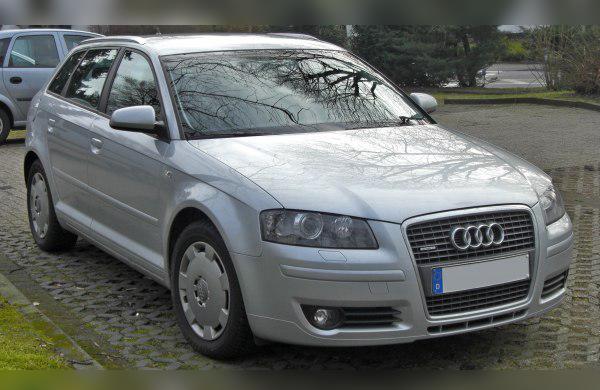
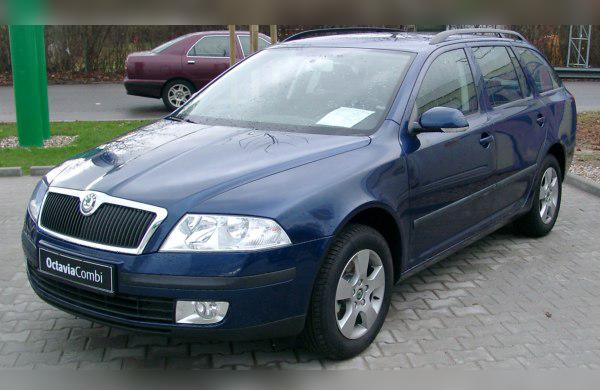
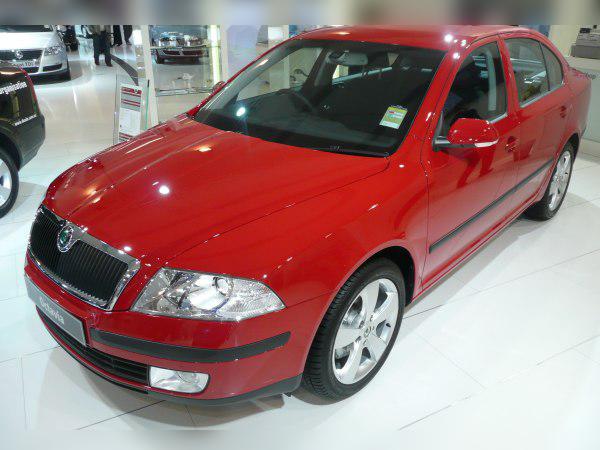
The BMN engine code represents the most powerful evolution of the 2.0 TDI engine with the Pumpe-Düse (PD) injection system, delivering an impressive 125 kW (170 HP). Thanks to its performance, it was widely installed in hot-hatch and sporty family models across Europe, such as the Škoda Octavia II RS, Audi A3 Sportback (8PA) and the versatile Seat Altea Freetrack 4WD. While drivers were thrilled with its brutal acceleration and sporty character, mechanics quickly got to know its “dark side”. BMN is an engineering transition model that tries to reconcile the old PD system with strict emission standards by using a DPF filter, which led to specific and expensive issues in real-world use.
Technical specifications
| Parameter | Value |
|---|---|
| Engine displacement | 1968 cc |
| Engine power | 125 kW (170 HP) |
| Torque | 350 Nm |
| Engine code | BMN |
| Injection type | Pumpe-Düse (PD) – Siemens Piezo injectors |
| Charging system | Variable geometry turbocharger (VGT) + intercooler |
| Fuel type | Diesel |
Reliability, failures and maintenance
When talking about the BMN engine, the first question that comes to every mechanic’s mind is: “Have the injectors been replaced?” This engine is specific and requires meticulous maintenance.
Timing belt and services
The timing belt is responsible for driving the camshaft. According to factory specifications, the major service interval is every 120,000 km or every 5 years. The advice of any experienced technician is to shorten this interval to 100,000 km, especially if the vehicle is used in harsh conditions. During the major service, tensioners, rollers, belts and the water pump must be replaced.
Lubrication and oil consumption
The engine takes about 4.3 liters of engine oil. Due to the presence of a DPF filter, it is strictly necessary to use oil with the VW 507.00 specification (most often 5W-30 grade), which has a low ash content (Low SAPS). Oil consumption between two minor services (every 10,000–15,000 km) is absolutely normal for 2.0 TDI PD engines. Expect to top up between 0.5 and 1 liter of oil, especially if you drive the car under higher loads and on the motorway. Anything above that indicates a possible problem with piston rings, valve stem seals or the turbocharger.
Most common failures: BMN’s “Achilles’ heel”
Besides the injectors (more on them in the next section), the biggest concern for owners should be the oil pump shaft (the so‑called “pencil shaft”). Due to poor design of the balance shaft module, the hexagonal shaft wears out over time and becomes round. Symptom: the red oil pressure warning light comes on in the instrument cluster. If you don’t switch off the engine immediately at that moment, the turbo and crankshaft are left without lubrication, which leads to total engine failure. Preventive replacement of this shaft at every major service is a negligible cost that saves the engine.
Specific parts and costs
Dual-mass flywheel
Yes, the BMN engine comes paired with a dual-mass flywheel. Due to the aggressive delivery of 350 Nm of torque (typical for PD units), the flywheel is under heavy stress. Wear symptoms include strong vibrations at idle, metallic rattling when starting and stopping the engine, as well as jolts when accelerating in a higher gear from low revs. A clutch kit with a dual-mass flywheel falls into the category: expensive (depends on the market).
Injection system: The biggest nightmare
The injection type is Pumpe-Düse, and the problem lies with the manufacturer. BMN uses Siemens VDO Piezo injectors. Unlike the more reliable Bosch solenoid injectors from lower-powered versions, these piezo injectors are prone to insulation breakdown. When the piezo element inside the injector shorts, the engine control unit (ECU) instantly shuts down the entire engine for safety reasons, regardless of whether you are driving 20 km/h in the city or 130 km/h in the fast lane of the motorway! Their lifespan is a lottery. Many were replaced free of charge in an official VW recall (with more reliable Continental revisions). Repairing Siemens injectors is often impossible or not cost-effective.
Turbo and emissions (DPF/EGR)
The variable geometry turbocharger works very well and can exceed 250,000 km with regular oil changes. However, the vanes of the VGT mechanism can get stuck due to soot, resulting in an “overboost” error and the engine going into limp mode. This brings us to the core of the problem: the DPF filter and EGR valve.
The BMN engine is equipped with a DPF filter. The problem is that the PD injection system is not technically up to the task of post-injection required for DPF regeneration (which Common Rail engines later solved). Because of this, driving a BMN engine on short city trips guarantees a clogged DPF. Symptoms of a clogged EGR and DPF are loss of power, warning lights on the dashboard and jerking. Fortunately, this model does not use the AdBlue system, as it only meets Euro 4 (in some cases Euro 5 ready) standards.
Fuel consumption and performance
Despite the heavy bodies (such as the Altea Freetrack or Octavia Estate), the 170 HP BMN is by no means a sluggish engine. Throttle response is brutal and the torque literally pins you to the seat.
- City driving: Real-world consumption ranges between 7.5 and 9.0 liters per 100 km, depending on traffic and how heavy your right foot is. The engine is rough and noisy in stop‑and‑go traffic.
- Motorway: At 130 km/h in sixth gear, the engine cruises at a very relaxed ~2300 rpm. Fuel consumption drops to an excellent 5.5 to 6.5 l/100 km. Driving on open roads is the natural environment for this engine, as this is when the DPF manages to perform passive and active regeneration.
Tuning and modifications
As a powerful turbodiesel, the BMN has excellent potential for software power increase (chiptuning). A standard Stage 1 remap can safely raise power from 170 HP to around 200–205 HP, with torque jumping to over 400 Nm. Mechanically, the engine block, pistons and connecting rods can handle this without issues. However, the bottlenecks are the dual-mass flywheel and the DPF filter. Due to increased soot production after tuning, the stock DPF will clog even faster, so many enthusiasts opt for a “DPF delete”, which we do not recommend for public roads for legal and environmental reasons.
Gearbox and drivetrain
Models with this engine were fitted with classic 6‑speed manual gearboxes and advanced DSG automatic gearboxes (dual-clutch) with 6 speeds – the DQ250 model.
Manual gearbox
Very reliable, but the second‑gear synchronizer tends to fail if drivers constantly tested acceleration from a standstill. Here too, the dual-mass flywheel is the key wear item.
DSG automatic gearbox (DQ250)
This is a gearbox with “wet” clutches (running in oil). It shifts beautifully and fits perfectly with the sporty character of the BMN engine. However, it requires strict maintenance: oil and filter change in the gearbox at a maximum of every 60,000 km. If this is neglected, metal particles from the clutches destroy the gearbox mechatronics. Mechatronics and clutch pack failures fall into the category: very expensive (depends on the market).
The dual-mass flywheel is also present on DSG gearboxes, and failure symptoms are first heard as metallic rattling (like coins in a tin can) from the area of the left wheel when the engine is cold and the selector is in “P” or “N”.
Buying used and conclusion
Buying a used car with a BMN engine carries a certain amount of risk and requires an experienced diagnostician during inspection. What must be checked?
- Injector type: Ask for proof or check via diagnostics/physically on the engine whether revised injectors (Continental) have been installed instead of the original Siemens Piezo ones. This is crucial!
- DPF condition: Using VCDS (or other diagnostics), read the ash mass value in the filter. If it is full, you are facing an expensive cleaning or replacement.
- Dual-mass flywheel noise: Start the car completely cold. Listen for vibrations.
- Idle operation: The engine must run smoothly. Any misfiring or “chopping” can be a prelude to injector or EGR problems.
Who is the BMN for?
The 2.0 TDI (BMN) 170 HP engine is not intended for those who use their car primarily for commuting in city traffic, school runs and supermarket trips. For such use this engine is too expensive to maintain, the DPF will drive you crazy, and comfort will be compromised. BMN is ideal for drivers who appreciate hot‑hatch performance (e.g. Octavia RS) and whose driving is mostly on regional roads and motorways. If you manage to find a car with replaced injectors and a regularly serviced oil pump shaft, you will get a lightning‑fast long‑distance cruiser with surprisingly reasonable fuel consumption.