2.0 TDI (CDDA, CNHA) 190 hp: Experiences, issues, fuel consumption and used-car buying tips
1. The most important in short (TL;DR)
- Performance and power: With 140 kW (190 hp) and 400 Nm, this engine offers an excellent balance between sporty dynamics and efficiency, and easily handles heavier bodies such as the Audi Q5.
- Engine timing: It uses a timing belt, not a chain. The timing system is generally reliable, with mandatory water pump replacement during the major service.
- Emission control systems: The engine has a complex DPF and EGR system, as well as AdBlue (SCR). These systems are also the most common failure points (pumps, heaters, sensors).
- Injection and turbo: The Common Rail system and variable-geometry turbocharger (VGT) have proven to be extremely durable with regular maintenance.
- Transmissions: Avoid Multitronic (CVT) on front-wheel-drive cars if you like more spirited driving; S tronic is much faster and better, but requires strict mechatronics maintenance.
- Dual-mass flywheel: Present in all versions (both manual and automatic), and its replacement cost is quite high.
2. Contents
- 3. Introduction: A new generation of TDI power
- 4. Technical specifications
- 5. Reliability and maintenance
- 6. Specific components and emissions systems
- 7. Fuel consumption and performance
- 8. Additional options and modifications
- 9. Transmissions: Manual, S tronic and Multitronic
- 10. Buying used and conclusion
3. Introduction: A new generation of TDI power
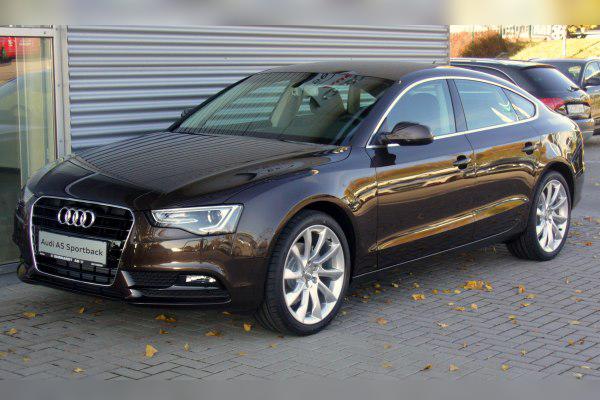
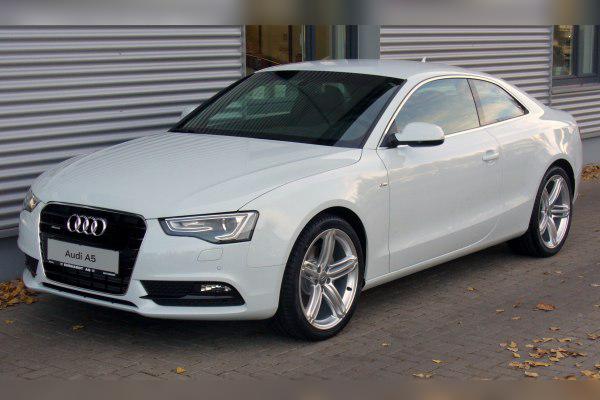
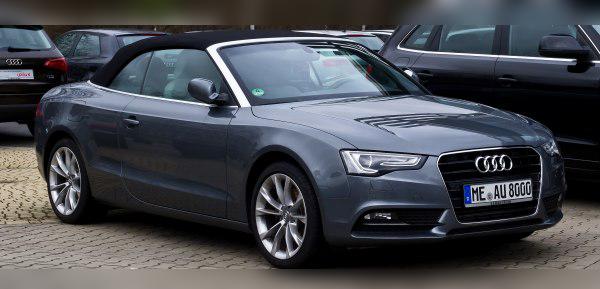
The engine codes CDDA and CNHA belong to the famous EA288 family of 2.0-liter diesels from the Volkswagen Group. These engines were developed as “Clean Diesel” units with the goal of meeting strict Euro 6 exhaust emission standards. With an impressive 190 hp and a generous 400 Nm of torque, this engine was installed in premium models such as the Audi A5 (Sportback, Coupé, Cabriolet) and Audi Q5, especially in the period after the facelift around 2011/2012.
What sets this engine apart is its excellent torque, which gives the feeling of driving a much larger-displacement engine while still keeping fuel consumption reasonable. The EA288 brought many revisions compared to the older EA189 units – the bottom end (crankshaft, oil pump) was significantly improved, eliminating the old issues with the oil pump drive shaft, but shifting the focus of problems to the complex peripherals and emissions systems.
4. Technical specifications
| Parameter | Value |
|---|---|
| Engine displacement | 1968 cc |
| Power | 140 kW (190 hp) |
| Torque | 400 Nm |
| Engine codes | CDDA, CNHA (Depends on model/year) |
| Injection type | Common Rail (Direct injection) |
| Charging | Turbocharger (VGT), intercooler |
5. Reliability and maintenance
One of the most common questions from drivers is what drives the camshafts. This engine uses a timing belt. The timing system is designed to be long-lasting, and the manufacturer often states replacement intervals of up to 210,000 km. However, workshop practice clearly dictates that the major service should be done no later than 150,000 km or every 5 to 6 years. One known issue in this timing setup is the water pump, specifically its sliding ring, which can seize and cause the engine to overheat on the open road. That’s why replacing the pump is mandatory during the major service.
As for lubrication, the engine takes just under 5 liters of oil (usually around 4.7 to 4.9 liters). Only fully synthetic 5W-30 oil that meets the VW 507.00 specification is recommended, due to the presence of the DPF filter. The factory tolerates a certain oil consumption, but in practice, a healthy CDDA/CNHA engine should not consume more than 0.5 to a maximum of 1 liter of oil between services (which are recommended every 15,000 km, not every 30,000 km as the “LongLife” program suggests).
Since this is a diesel-only engine, it has no spark plugs, but glow plugs, which have proven to be quite reliable. On the other hand, the injectors are Bosch piezo or solenoid type. They are extremely durable and rarely fail before 250,000 km, provided that quality diesel is used and the fuel filter is changed regularly. Symptoms of bad injectors include rough idle, harder starting and increased smoke under sudden acceleration.
6. Specific components and emissions systems
This unit fully reflects the era in which it was created – it has every possible exhaust aftertreatment system.
DPF, EGR and AdBlue systems
DPF filter and EGR valve are standard equipment. The EA288 has a complex exhaust gas recirculation system (low- and high-pressure EGR). The EGR cooler is a common failure point; the internal core can start leaking, causing the engine to lose coolant, and in extreme cases this can lead to engine damage (hydrolock). The DPF rarely clogs on its own if the car is regularly driven on the open road, but if it is confined strictly to city traffic, regenerations will be interrupted and the filter will eventually clog.
The “Clean Diesel” label usually means that the vehicle has an AdBlue (SCR) system for reducing NOx emissions. This system is one of the biggest weak points. The pump in the AdBlue tank, the fluid heater (which prevents freezing) and the NOx sensors often fail. Repairing these components is very expensive (depending on the market), and the symptom is always clear: a warning on the instrument cluster that the car will not be able to start in 1000 km if the problem is not resolved.
Turbocharger and flywheel
The engine has a single variable-geometry turbocharger (VGT). Its service life is long; it easily exceeds 250,000 km with regular oil changes. The shaft rarely develops play unless oil changes have been neglected.
Regardless of which transmission the car has, this engine is equipped with a dual-mass flywheel. The high torque of 400 Nm creates strong vibrations that the flywheel must absorb. Rattling at idle, vibrations when shutting the engine off and juddering when accelerating from low revs are clear signs that the flywheel is worn out.
7. Fuel consumption and performance
The 190 hp, 400 Nm unit is anything but “lazy”. In the Audi A5, acceleration is impressive, in-gear acceleration is smooth and overtaking is safe. Even in a heavier model such as the Audi Q5, this engine performs very well, moving the vehicle’s mass without any feeling of running out of breath.
Real-world city fuel consumption varies depending on the body style. The more aerodynamic Audi A5 uses around 7.5 to 8.5 l/100 km in the city. On the other hand, the Audi Q5, due to its weight, height and permanent all-wheel drive, easily reaches between 8.5 and 10 l/100 km in urban driving.
On the motorway, this engine is in its natural habitat. Cruising at 130 km/h is quiet and relaxed. In models with the S tronic transmission, at 130 km/h in top gear, the tachometer sits at a comfortable 1,900 to 2,100 rpm (depending on the specific model’s gear ratios). Motorway consumption for the A5 drops to around 5.5 to 6 l/100 km, while the Q5 is closer to about 7 l/100 km.
8. Additional options and modifications
Since this is a turbo diesel, LPG conversion is not applicable. However, when it comes to “chipping” (remapping), this engine is a dream for many tuners. The engine block and turbocharger have excellent power reserves. A Stage 1 software optimization can safely raise power to about 225 to 235 hp and torque to an impressive 460 to 480 Nm.
Still, caution is needed. Increasing torque puts additional stress on the dual-mass flywheel and clutch discs (especially with manual and Multitronic transmissions). Before any tuning, you must check the condition of the DPF filter and injectors, because modified software requires hardware to be in perfect working order.
9. Transmissions: Manual, S tronic and Multitronic
Various transmissions were fitted with this engine, and the choice significantly affects maintenance costs and overall reliability.
- Manual gearbox (6-speed): Very reliable, failures are rare. The biggest expense is replacing the clutch and dual-mass flywheel, which is generally costly (depending on the market).
- S tronic (7-speed, DSG): Mostly fitted to “quattro” versions (often gearbox code DL501 with wet clutches). Phenomenally quick, but requires mandatory oil and filter changes every 60,000 km. The most common failures are related to the “mechatronics” unit (control unit) and clutch pack wear. If the car jerks when shifting from P to D or R, this points to an expensive mechatronics issue.
- Multitronic (CVT): Installed exclusively in front-wheel-drive models (A5). This transmission is extremely comfortable because there are no physical gear changes, but it does not cope well with the high torque of this diesel (400 Nm). If it is not serviced regularly (oil changes every 60,000 km), the chain and cones inside the gearbox wear out. Repairs are very expensive and many mechanics advise avoiding Multitronic in combination with such a powerful engine.
10. Buying used and conclusion
Before you spend money on a used Audi with this engine, a visit to a workshop with VCDS diagnostics is absolutely mandatory. Without that, buying is a complete gamble.
What exactly should you check?
- DPF condition: Use diagnostics to read the ash load in the filter (Oil Ash Volume). If it is close to the maximum, the filter needs cleaning or replacement.
- Injector operation: Read injector corrections at idle and under load.
- Timing and suspension noises: Listen to the engine on a cold start. Any rattling or rustling from the left side (looking at the engine) indicates problems with the tensioners. On the Q5, be sure to check the suspension (control arms), which wear out faster due to the vehicle’s weight.
- EGR cooler and AdBlue: Check whether the engine is losing coolant and scan for faults related to the SCR system.
Conclusion: The 2.0 TDI (CDDA, CNHA) 190 hp engine is a fantastic choice for drivers who cover serious mileage on open roads and motorways. It delivers strong power and torque with impressively low fuel consumption. However, this is not an engine for short city trips. The expensive emissions systems (DPF, EGR, AdBlue) and complex S tronic gearboxes require meticulous maintenance and do not forgive neglect. If you are ready for regular and timely servicing, this engine will serve you for hundreds of thousands of kilometers with a smile on your face.