Audi 2.0 TDI CGLC (177 HP): Experiences, problems, fuel consumption and used‑car buying tips
Key points in short (TL;DR)
- Reliable evolution: The CGLC is an improved version of the 2.0 TDI Common Rail engine, free of many of the “childhood diseases” of earlier generations.
- Timing belt: The engine uses a timing belt. The factory specifies a major service at 210,000 km, but in practice a shorter interval is recommended.
- Emissions as the main issue: The EGR valve and DPF filter cause the most headaches, especially if the car is driven mainly in the city.
- Gearboxes dictate costs: S tronic is fantastic but requires strict maintenance, while Multitronic (CVT) should be avoided due to its sensitivity.
- Excellent cruiser: With 177 HP and 380 Nm, the engine copes very well with heavier bodies (such as the A4 allroad) and offers excellent fuel consumption on the motorway.
- No AdBlue: As a Euro 5 unit, in most cases it does not have a complicated urea injection system.
Contents
- Key points in short (TL;DR)
- Introduction: Get to know the CGLC engine
- Technical specifications
- Reliability, maintenance and common failures
- Specific parts, injection system and emissions
- Fuel consumption and real‑world performance
- Remapping (Stage 1) and modifications
- Gearboxes: Manual, S tronic and Multitronic
- Buying used and conclusion
Introduction: Get to know the CGLC engine
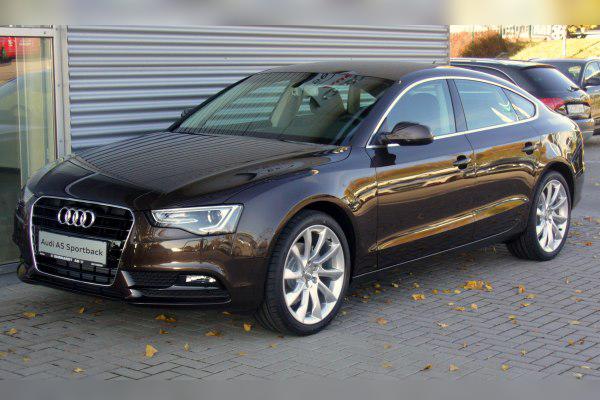
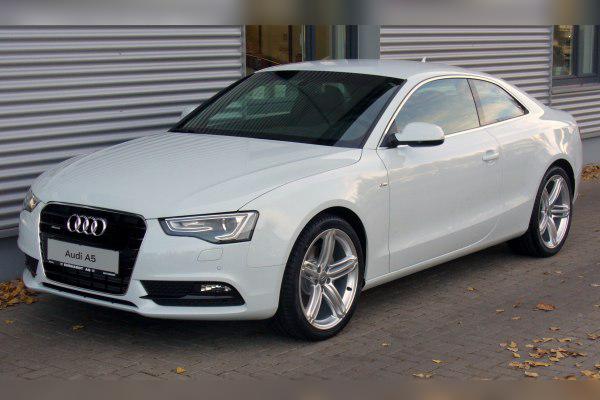
When Audi introduced the facelift versions of its popular models in 2011 (such as the A4 B8.5 and the entire A5 range), a seriously refined diesel unit with the code CGLC appeared under the bonnet. This 2.0 TDI engine delivers a respectable 130 kW (177 HP) and belongs to the later phase of the famous EA189 family (before the switch to EA288). It was installed in heavier, premium models such as the Audi A4 allroad, as well as in the elegant A5 Sportback, Coupé and Cabriolet versions. This engine is important because it represents the “golden middle ground” – it left behind the notorious issues of the early pump‑duse (PD) and first Common Rail engines, offering drivers smoother operation, better throttle response and impressive reliability, provided it is properly maintained.
Technical specifications
| Parameter | Data |
|---|---|
| Engine displacement | 1968 cc |
| Power | 130 kW (177 HP) |
| Torque | 380 Nm |
| Engine code | CGLC |
| Injection type | Common Rail (Direct injection) |
| Charging | Turbocharger (VNT) with intercooler |
| Euro standard | Euro 5 |
Reliability, maintenance and common failures
Power transmission and timing service
This engine uses a timing belt rather than a chain, which is a relief for many mechanics. The factory recommendation for replacement (major timing service) is an extremely optimistic 210,000 km. However, in practice materials degrade, and tensioners and the water pump rarely survive that interval without risk. Experienced mechanics strongly recommend doing the major timing service at 120,000 to 150,000 km (or every 5 to 7 years). A snapped belt leads to catastrophic damage in the cylinder head, contact between valves and pistons, which is very expensive to repair (depending on the market).
Lubrication: Oil consumption and grade
The sump of this engine holds about 4.7 to 5.0 litres of oil. Due to the presence of a DPF filter, it is absolutely mandatory to use fully synthetic oil that meets the VW 507.00 specification, most commonly in 5W‑30 grade. As for oil consumption, the CGLC is not notorious for it like some TFSI petrol engines. Consumption of 0.5 to 1 litre per 10,000 km is considered completely normal, especially when driving on the motorway at higher revs. If the engine needs more oil than that, the cause should be sought in worn valve stem seals, piston rings or a worn turbocharger centre bearing that lets oil into the intake.
Most common failures
Although the crankshaft and block mechanics are robust, the most common failures are related to emissions and peripheral systems. The first to suffer is the EGR valve, which gets clogged with soot, sticks and fails, especially if the car is not regularly driven on open roads. Symptoms include jerking at low revs, the “Check Engine” light coming on and the car going into so‑called limp mode (a safety mode with reduced power).
An older 2.0 TDI issue – the notorious small hex shaft of the oil pump that rounds off and causes loss of oil pressure – was solved in the CGLC generation by using a modified, thicker (100 mm) shaft. Still, meticulous owners often remove the sump and replace this small part preventively during the major service, because the cost is negligible compared to a seized engine.
As for the injectors, the CGLC uses advanced Common Rail injectors. They have proven to be very reliable and, with regular fuel filter changes and good‑quality diesel, easily exceed 250,000 km. When they wear out, the driver will notice rough idling, harder cold starts, increased black smoke from the exhaust and faster clogging of the DPF filter.
Specific parts, injection system and emissions
Dual‑mass flywheel
Yes, this engine has a dual‑mass flywheel to smooth out strong diesel vibrations and protect the gearbox from shocks caused by high torque (380 Nm). Its service life is usually between 150,000 and 200,000 km, depending on driving style. Symptoms of a worn flywheel include metallic rattling when starting and stopping the engine, the whole car shaking at idle, and jerks when releasing the clutch. A clutch kit with a dual‑mass flywheel is expensive to very expensive (depending on the market).
Turbocharger and exhaust system
The CGLC uses a single turbocharger with variable nozzle (VNT) vanes. It is very durable, and its lifespan is generally over 250,000 km. Problems arise when the variable‑geometry vanes get stuck due to accumulated soot (the so‑called “overboost” error) or when oil is not changed regularly, causing the bearings to fail due to poor lubrication.
The engine is equipped with a DPF filter (diesel particulate filter). If the car is used for short city trips where the engine does not reach operating temperature, the DPF clogs quickly. Symptoms include the radiator fan running frequently and raised idle speed (the engine is trying to perform regeneration), increased fuel consumption and loss of power. As for AdBlue fluid (SCR catalyst), the CGLC is a Euro 5 engine and in the vast majority of cases does not have an AdBlue system, which is great news for owners because it means one less complicated system to maintain. (Note: To confirm whether a particular vehicle has SCR, always check by VIN.)
Fuel consumption and real‑world performance
For its displacement, this engine is extremely capable. With 380 Nm available from low revs, it is anything but “lazy”. Even in the hefty Audi A4 allroad with quattro drive, the car accelerates very well, cornering is smooth and overtaking is safe.
Real‑world fuel consumption depends on body style and drivetrain (quattro increases consumption). In pure city driving, expect between 7.5 and 9.0 l/100 km. However, the CGLC was born for the motorway. At a cruising speed of 130 km/h, the engine spins at a relaxed 2,000 to 2,200 rpm depending on the gearbox, and consumption drops to a modest 5.5 to 6.5 l/100 km. This makes it an ideal long‑distance cruiser.
Remapping (Stage 1) and modifications
The tuning scene loves this engine. Since it has a strong block, good airflow and reliable injectors, a Stage 1 remap (chip tuning) is done without any mechanical modifications. With software optimisation, power is safely raised from 177 HP to about 210 to 215 HP, while torque jumps to an impressive 430 to 450 Nm. After the remap, the car becomes noticeably sharper on the throttle. However, caution is needed: aggressive driving with this increased torque will significantly shorten the life of the dual‑mass flywheel and clutch packs in the gearbox.
Gearboxes: Manual, S tronic and Multitronic
The choice of gearbox drastically changes the driving experience and maintenance costs. With this engine you could get:
Manual gearbox (6‑speed)
This is the most reliable option. Failures of the gearbox itself are extremely rare. The main cost at higher mileage is replacement of the aforementioned clutch kit and dual‑mass flywheel. Changing the oil in the manual gearbox is recommended at 100,000 km, although many claim it is not necessary.
S tronic gearbox (7‑speed)
This is Audi’s name for the DSG (dual‑clutch gearbox), in this case the version for longitudinally mounted engines (most often code DL501). It enables lightning‑fast gear changes and excellent dynamics in combination with quattro drive. However, it is very sensitive to maintenance. The oil and filter in the gearbox must be changed every 60,000 km. The most common failures are mechatronics (control unit) failure and wear of the clutch packs, which manifests itself as harsh jerks when moving off and hesitation when shifting. Repairing an S tronic gearbox is very expensive (depending on the market).
Multitronic gearbox
Installed in front‑wheel‑drive models (e.g. A5 2.0 TDI). This is a CVT gearbox (continuously variable transmission) that software‑simulates 8 gears. In driving it is extremely smooth and jerk‑free, but it has a bad reputation among mechanics. The main problems include stretching of the drive chain inside the gearbox, wear of the clutch packs and failure of the control module (ECU) due to overheating. If you are planning a remap (Stage 1), avoid Multitronic at all costs because it cannot handle the increased torque. Oil changes are also mandatory every 60,000 km.
Buying used and conclusion
What to check before buying?
When buying a used Audi with the CGLC engine, a visual inspection of the bodywork and suspension is just the beginning. Your attention must be on the following:
- Cold start: Listen carefully. Metallic rattling from the gearbox area indicates a worn dual‑mass flywheel. Belt rustling may point to bad pulleys.
- Exhaust gases: There should be no black (bad injectors/EGR) or blue (oil from turbo/engine) smoke even under hard acceleration. A clean exhaust is a sign that the DPF is doing its job.
- Gearbox check: With automatic gearboxes, always test moving off uphill without pressing the accelerator, as well as shifting from D to R and back. There should be no thumps or delay.
- Diagnostics (VCDS): Do not buy this car without connecting it to factory‑level diagnostics. Be sure to check injector corrections (injector status) and, most importantly, the ash mass in the DPF filter. If the DPF is at the end of its life, a major expense awaits you.
Who is this engine for?
The Audi 2.0 TDI CGLC is an excellent engine for drivers who cover higher annual mileage and whose driving includes a lot of country roads and motorways. It offers a top‑class combination of comfort, more than adequate power and excellent efficiency. However, if you are looking for a car primarily for commuting in heavy city traffic, the emissions systems of this diesel (DPF and EGR) will quickly punish you with frequent visits to the mechanic. In that case, a turbo‑petrol would be a better choice. If you find a well‑maintained example with known history and preferably a manual or S tronic gearbox, the CGLC will serve you faithfully for a long time.