Audi 2.0 TDI (CRBC, CRLB, CRUA) 150 HP: Experiences, problems, fuel consumption and used car buying tips
Key points in short (TL;DR)
- Engine generation: Belongs to the very reliable EA288 family, which corrected most of the flaws of older 2.0 TDI engines.
- Timing drive: Uses a timing belt. The water pump can be problematic, as it tends to start leaking before the specified interval.
- Cooling system: Silicone bags in the expansion tank (due to G13 coolant) can burst and completely clog the small cabin heater core.
- Performance and fuel economy: Ideal balance of power and efficiency for the Audi A3 body. It’s not “lazy”, yet fuel consumption is minimal.
- Dual-mass flywheel and DPF: Present and represent standard wear items at higher mileage.
- S tronic gearboxes: Excellent and quick, but require strict oil changes every 60,000 km to avoid mechatronics failures.
Contents
- Introduction and basic information
- Technical specifications
- Reliability and maintenance
- Specific parts (costs)
- Fuel consumption and performance
- Additional options and modifications
- Gearbox and drivetrain
- Buying used and conclusion
Introduction and basic information
When talking about modern diesel engines, 2.0 TDI units with codes CRBC, CRLB and CRUA represent the very top of the offer in the compact car class. All these codes belong to the so‑called EA288 engine generation, which succeeded the infamous EA189 series. Engineers did an excellent job here, solving old issues such as cracked cylinder heads, oil pump failures and problematic piezo injectors.
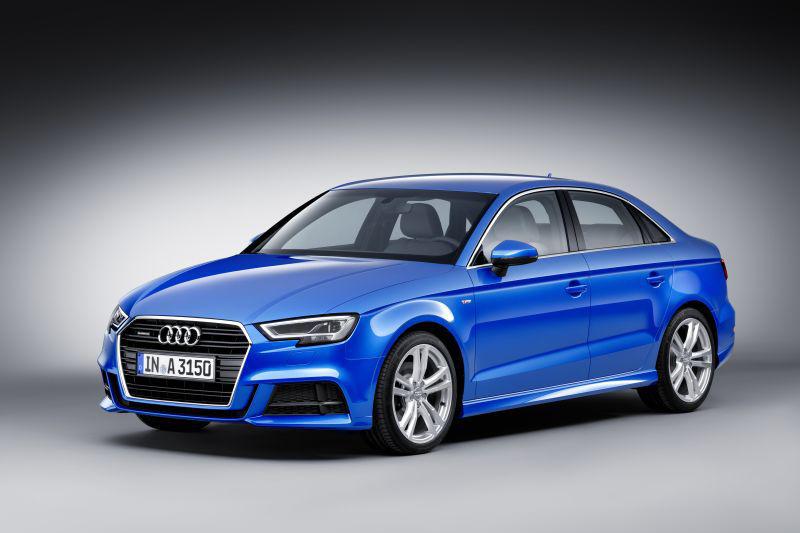
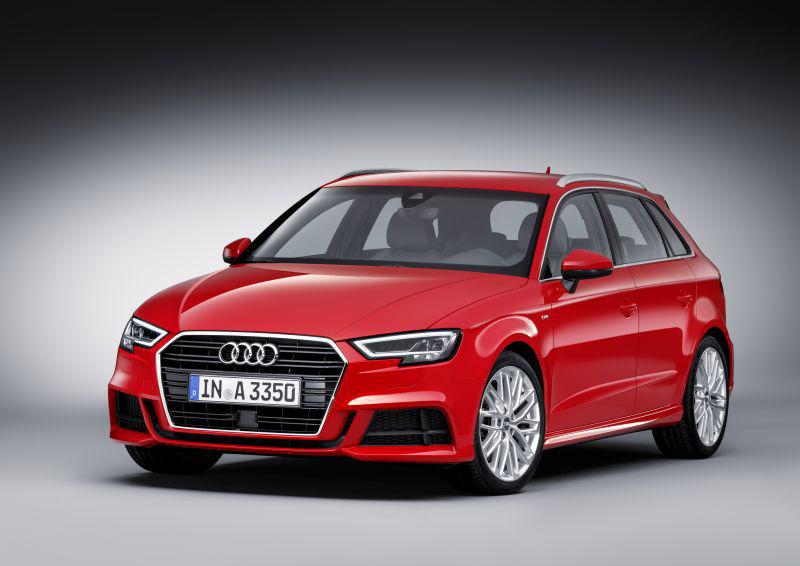
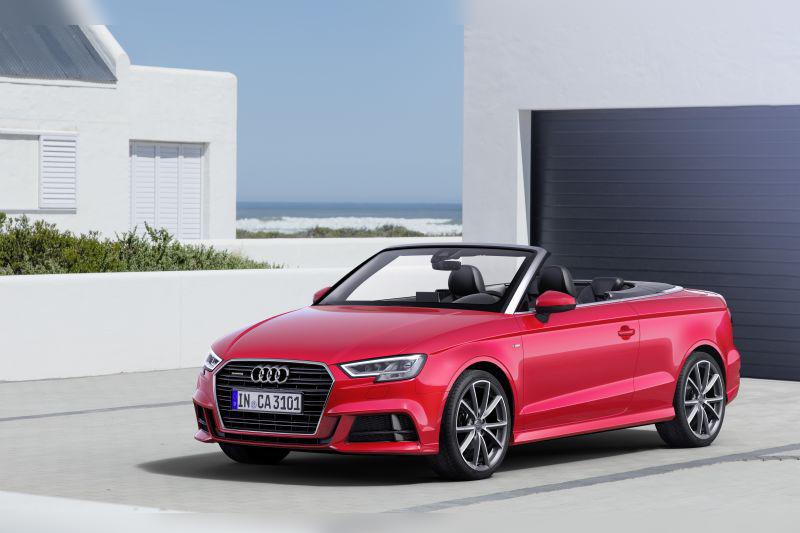
This 150 HP (110 kW) engine was widely installed in the facelifted Audi A3 (8V, facelift from 2016), in all body styles: Sedan, Sportback and Cabriolet. Whether paired with front‑wheel drive or the famous quattro system, and whether you choose a manual or automatic S tronic gearbox, this engine offers a great balance between dynamics and efficiency. Differences in engine codes (CRBC, CRLB, CRUA) usually relate to compliance with strict emissions standards (Euro 6) and specific markets, so CRUA versions always come with a more complex exhaust after‑treatment system.
Technical specifications
| Characteristic | Data |
|---|---|
| Engine displacement | 1968 cc |
| Power | 110 kW (150 HP) |
| Torque | 340 Nm |
| Engine codes | CRBC, CRLB, CRUA |
| Fuel type and injection | Diesel / Common Rail (Direct injection) |
| Charging system | Turbocharger with variable geometry (VGT) + water‑cooled intercooler |
Reliability and maintenance
Timing drive: Timing belt and the cooling system’s “Achilles’ heel”
This engine uses a timing belt to drive the camshafts. According to factory specifications, the interval for the major service (replacement of belt, tensioner, idlers and water pump) is set at a very optimistic 210,000 km. However, from a workshop and real‑world perspective, this is too much. The most common failure on this engine is premature water pump failure. The pump has an electronically controlled protective ring (shutter) that gets stuck, which leads to coolant leaks, loss of antifreeze and potential engine overheating. Drivers notice this through a red coolant level warning light or puddles under the car. Because of this, mechanics recommend doing the major service at a maximum of 120,000 to 150,000 km, or every 5 to 6 years.
Another serious weakness related to the cooling system concerns the G13 coolant and the small heater core. There is a silicone bag in the expansion tank that eventually bursts. The silicates spread through the system and completely clog the small heater core. Symptom: the car heats only on one side of the cabin or doesn’t heat at all. The repair requires flushing the entire system and replacing the heater core, which is expensive (depends on the market).
Minor service and oil consumption
The engine takes about 4.6 to 4.7 liters of oil. It is necessary to use only fully synthetic oil with a viscosity grade of 5W‑30 or 0W‑30 that meets VW 507.00 (so‑called Low SAPS oil, mandatory because of the DPF filter). It is recommended to perform an oil service every 10,000 to 15,000 km, never at 30,000 km as dictated by the factory “LongLife” regime.
As for oil consumption, EA288 engines are significantly better than their predecessors. They do not consume extreme amounts that would force you to carry a can in the trunk. Consumption of 0.5 to 1 liter between two services (over 15,000 km) is considered absolutely normal, especially if the car is driven more aggressively on the highway.
Diesel injection system
To the question of how long the injectors last on this engine, the answer is encouraging. Unlike the old Siemens injectors, here a Bosch Common Rail system is used. The injectors are extremely reliable and easily last over 250,000 km with good‑quality fuel and regular fuel filter changes. Symptoms of worn injectors would be rough idle, increased exhaust smoke, clicking noises when pressing the accelerator and frequent DPF clogging.
Specific parts (costs)
Dual‑mass flywheel and turbocharger
Yes, all models with this engine have a dual‑mass flywheel, regardless of whether they have a manual or S tronic gearbox. Its lifespan largely depends on driving style (stop‑and‑go city driving wears it out faster), but on average it lasts around 200,000 km. Replacement is expensive (depends on the market). Symptoms of a bad flywheel are strong vibrations at idle, metallic rattling when switching off the engine and jerking when taking off.
The engine has a single turbocharger with variable geometry (VGT). The turbo is very durable, but integrated into a complex exhaust manifold module. If you change the oil regularly and don’t switch off a hot engine immediately after hard driving, the turbo will outlive many other components on the vehicle.
ECO systems: DPF, EGR and AdBlue
All models have a DPF (diesel particulate filter) and a complex EGR system (both low‑ and high‑pressure). They are integrated very close to the engine so they heat up faster. If you drive mostly in the city on short trips, the DPF will quickly clog and the EGR valve will fill with soot. Repairs of this module are very expensive (depends on the market). Symptoms include a warning light in the shape of an exhaust on the dashboard and the engine going into limp mode (safety mode with reduced power).
As for the AdBlue (SCR) system, it depends on the market and specific code. CRUA versions and most models produced for the facelifted 8V (to meet Euro 6 standards) are equipped with AdBlue. This system often causes headaches. NOx sensors most commonly fail, as well as the pump or heater integrated into the AdBlue tank in the trunk. Replacing the entire tank is very expensive (depends on the market), and drivers notice it when the dashboard displays a countdown of remaining kilometers after which the engine will no longer start.
Fuel consumption and performance
With its 150 HP and a solid 340 Nm of torque, this engine is anything but “lazy” for an Audi A3, regardless of whether it’s a Sedan or Cabrio. In fact, this is the sweet spot for such a car. The engine pulls very well already from 1,750 rpm, and in‑gear acceleration when overtaking is safe and confident.
- City driving: Real‑world fuel consumption ranges between 6.5 and 7.5 l/100 km, depending on traffic and how heavy your right foot is. quattro drive can add about 0.5 liters to this figure.
- Highway: This is where the Audi A3 2.0 TDI feels at home. At a cruising speed of 130 km/h in sixth or seventh gear (on newer S tronic gearboxes), the engine spins at a relaxed 2,000 to 2,200 rpm. Consumption then is a fantastic 4.8 to 5.5 l/100 km. The cabin is very quiet, and sound insulation is excellent.
Additional options and modifications
Since this is a diesel engine, installing LPG is not an option.
However, EA288 engines are absolutely loved by tuners. “Chipping” (Stage 1 ECU remap) is done very easily and safely. The stock 150 HP is raised to 185 to 190 HP without any physical modifications, while torque jumps from 340 Nm to an impressive 400 to 420 Nm. The engine block, injectors and turbo handle this without any issues; you only need to keep in mind that the more aggressive power delivery will wear out the clutch and dual‑mass flywheel somewhat faster.
Gearbox and drivetrain
Two types of gearboxes were offered with this engine:
- Manual gearbox (6‑speed): Very precise and mechanically almost indestructible. There are no frequent failures of the gearbox itself, but as mentioned, the dual‑mass flywheel and clutch kit are wear items. It is recommended to change the oil in the manual gearbox every 100,000 km, even though the factory does not require it.
- S tronic (dual‑clutch automatic – DSG): Depending on the year and drivetrain (FWD or quattro), a 6‑speed (DQ250) or newer 7‑speed (DQ381) gearbox was installed. Both use wet clutches (the clutch packs are immersed in oil).
The biggest problem with S tronic gearboxes is neglected maintenance. The oil and filter in these gearboxes MUST be changed strictly every 60,000 km. If this is not done, metal shavings will destroy the mechatronics (the brain of the gearbox) and the clutch pack. Mechatronics repair is extremely expensive (depends on the market). Symptoms of a bad S tronic are jolts when shifting from P to D or R, jerking when taking off from a traffic light and hesitation when changing gears.
Buying used and conclusion
When buying a used Audi A3 2.0 TDI (CRBC, CRLB, CRUA), you need to stop romanticizing the badge and approach the inspection analytically. What exactly should you check before buying?
- Cold start: Listen to whether the engine starts “on half a turn” without harsh metallic knocks. Watch for white or blue smoke.
- Coolant reservoir: Open the hood and check the expansion tank. The fluid must be clean pink/purple. If the fluid is brownish, rusty or has traces of oil, walk away from that car – the heater core has likely failed or fluids have been mixed.
- Cabin heating: Start the car, warm it up and set the climate control to maximum heat. Check whether all vents blow equally hot air. If the driver’s side blows hot and the passenger side lukewarm, the heater core is clogged.
- Diagnostics: OBD scan is mandatory. Check DPF ash load (ash mass) and pressures before/after the filter. Check injector correction values in milliseconds.
- Gearbox test: If you’re buying an S tronic, ask for invoices confirming oil changes every 60,000 km. Test it in city driving at the lowest speeds – it must shift smoothly, without a single jerk.
Conclusion: Who is this engine for?
The 150 HP Audi A3 2.0 TDI is a premium cruiser in a compact package. This engine is intended for drivers who cover serious mileage annually and whose driving includes a mix of open roads, highways and city traffic. Due to the DPF, EGR and AdBlue systems, this is not an engine for someone who drives 3 kilometers to work and back, nor a car for strictly heavy city traffic.
If you find a car with a proper service history, a replaced timing belt (and water pump) and a regularly serviced S tronic gearbox, you are getting one of the most reliable, most economical and most dynamic diesel engines of today. Maintenance is not at the level of budget brands, but the quality of the driving experience is unquestionable.