Audi A3 2.0 TDI (150 HP): Experiences, problems, fuel consumption and used car buying guide (CRBC, CRLB, CRUA, DBGA, DEJA, DCYA)
Key points (TL;DR)
- Performance and efficiency: Excellent balance of power (150 HP) and low fuel consumption, ideal for the Audi A3 body.
- Timing drive: Uses a timing belt, not a chain. The biggest weak point is the water pump, which can start leaking before the scheduled interval.
- Injectors and turbo: Extremely reliable Bosch systems that, with proper maintenance, easily cover very high mileage.
- DPF and EGR: Advanced system that rarely causes issues, unless the car is driven exclusively on short city trips.
- AdBlue system: Present on "clean diesel" variants, prone to pump and sensor failures.
- Gearboxes: The manual is tough as nails with a wear item dual-mass flywheel, while the S tronic (DSG) requires strict oil changes every 60,000 km.
Contents
- Introduction: Meet the EA288 generation
- Technical specifications
- Reliability and maintenance
- Specific parts and costs
- Fuel consumption and performance
- Additional options and modifications
- Gearbox and drivetrain
- Buying used and conclusion
Introduction: Meet the EA288 generation
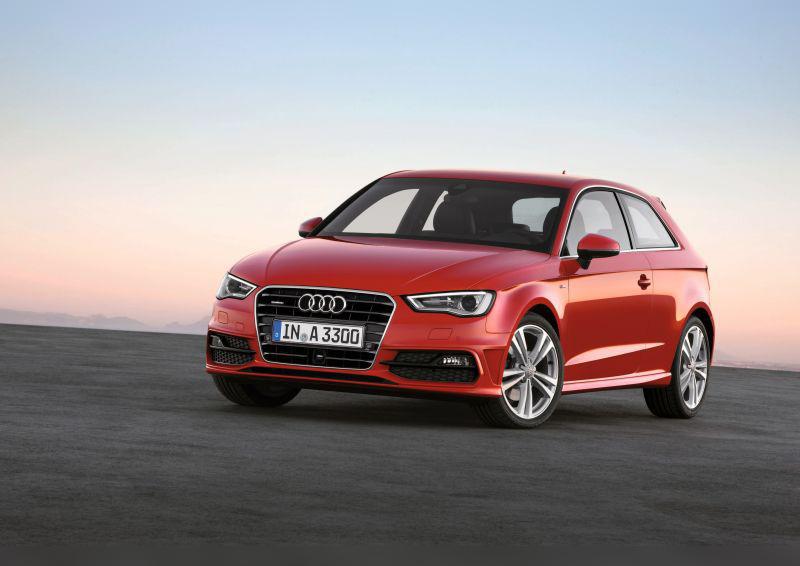
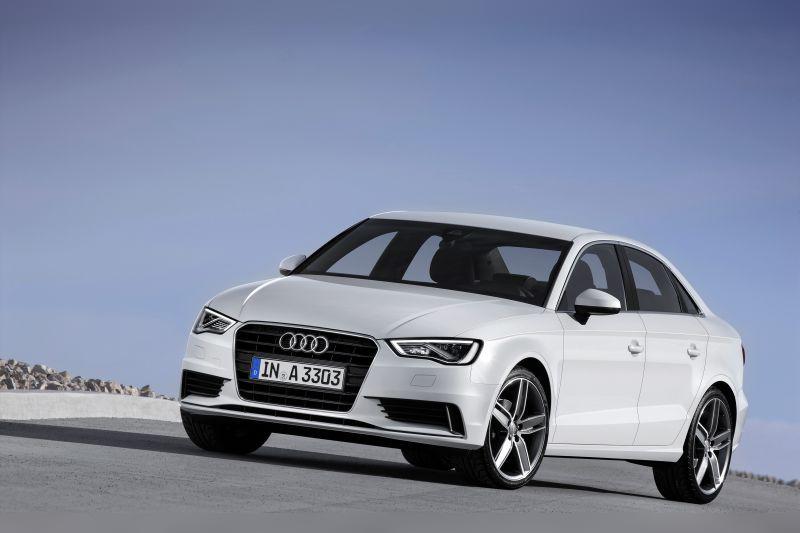
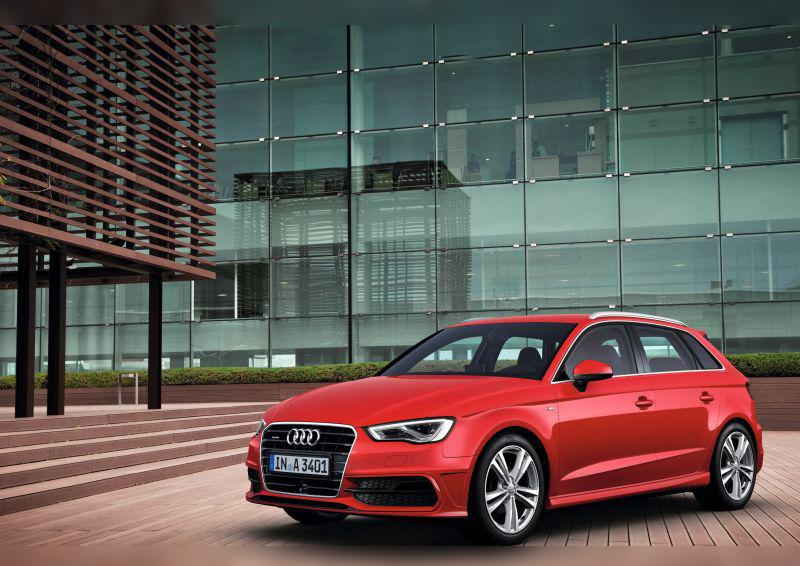
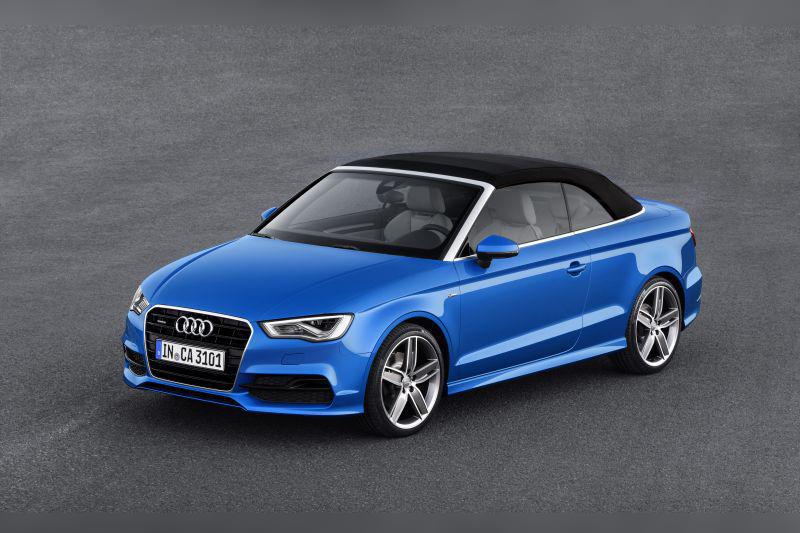
The 1968 cc engine with codes CRBC, CRLB, CRUA, DBGA, DEJA, and DCYA belongs to the famous VAG EA288 family of diesel engines. This engine was developed to replace the older EA189 generation (known from the "Dieselgate" scandal) and brought significant improvements in refinement, thermal management and emissions. It was installed across the entire Audi A3 (8V) range – from hatchback, through sedan to cabriolet, with front-wheel drive or quattro – and this 2.0 TDI with 150 HP is probably the most rational choice for drivers who want agility on the motorway and reasonable fuel consumption in everyday use.
Technical specifications
| Parameter | Data |
|---|---|
| Engine displacement | 1968 cc |
| Power | 110 kW (150 HP) |
| Torque | 340 Nm |
| Engine codes | CRBC, CRLB, CRUA, DBGA, DEJA, DCYA |
| Injection type | Common Rail (Bosch) |
| Charging | Variable-geometry turbocharger + intercooler |
| Timing drive | Timing belt |
Reliability and maintenance
Belt or chain?
This engine uses a timing belt to drive the camshafts and water pump. The oil pump inside the sump is driven by a separate small belt running in oil, but the main timing drive is a classic toothed belt system. This is actually very good news, because maintenance is cheaper and more predictable than on the complex chain-drive systems that have plagued some other engines.
Most common failures
Although the EA288 is generally very reliable, its "Achilles' heel" is the water pump. It often happens that the water pump starts leaking or that the electronic valve on it (which regulates coolant flow to warm the engine up faster) gets stuck. Symptoms include loss of coolant, traces of antifreeze around the engine block or, in extreme cases, overheating. If this happens, the entire timing belt kit has to be replaced.
Timing belt service intervals
The manufacturer specifies a major service (replacement of timing belt, tensioner, idlers and water pump) at an optimistic 210,000 km. However, experienced mechanics strongly recommend shortening this interval to 150,000 km or every 5 to 7 years, precisely because of the aforementioned water pump and material aging.
Oil: capacity and consumption
The engine takes about 4.6 to 4.7 liters of oil. Because of the DPF, it is MANDATORY to use fully synthetic oil that meets the VW 507.00 specification. The most common grade is 5W-30, although in colder climates some owners switch to 0W-30. As for oil consumption, these engines are not "oil burners". It is normal for them to use between 0.2 and 0.5 liters per 10,000 km. Anything over 1 liter between oil changes (which should be done every 10,000–15,000 km, not at 30,000 km as the factory suggests) points to a potential problem with the turbo or piston rings.
Injector longevity
This engine uses an advanced Bosch Common Rail injection system. The injectors have proven to be very robust. With quality Euro diesel and regular fuel filter changes, the injectors easily last for over 250,000 km. The first symptoms of worn injectors are rough idle, hesitation when you floor the throttle, or increased fuel consumption and smoke on cold start.
Specific parts and costs
Dual-mass flywheel
Yes, this engine has a dual-mass flywheel, regardless of whether it is paired with a manual or automatic (S tronic) gearbox. Its lifespan is usually between 150,000 and 200,000 km, depending on driving style (city driving wears it out faster). Symptoms of wear include metallic rattling when starting and stopping the engine, vibrations at idle, and juddering when setting off. Replacing the clutch and flywheel set is expensive to very expensive (depending on the market).
Turbocharger
It has a single variable-geometry turbocharger (VGT). Its lifespan is impressive; it often outlasts 250,000 km if the driver respects the rule of not pushing a cold engine and letting it idle for about 30 seconds after hard driving before switching off. Turbocharger overhauls are now routine work and fall into the moderately expensive category.
DPF and EGR systems
The EA288 engine has a complex exhaust gas recirculation system (high- and low-pressure EGR) located close to the engine block so it heats up faster. The EGR valve can get clogged with soot, especially if the car is constantly stuck in city traffic. The DPF filter works very well and regenerates efficiently. However, constant driving below 2000 rpm on short trips will clog it. When that happens, a warning light appears on the dash and the car goes into "safe mode" (loss of power).
AdBlue system (Clean Diesel)
Variants with the "clean diesel" label have an SCR catalyst and use AdBlue fluid to reduce NOx emissions (usually to meet Euro 6 standards). This system is indeed problematic. The heater in the AdBlue tank, the dosing pump or the NOx sensors often fail. Repairing these components is expensive (depending on the market). A typical symptom is a warning on the instrument cluster that counts down the remaining kilometers; if you ignore it and the counter reaches zero, the engine can no longer be started until the fault is fixed.
Fuel consumption and performance
City driving
Thanks to efficient injection, real-world consumption in stop-and-go traffic is between 6.5 and 7.5 l/100 km. Models with quattro and heavier body styles (A3 Cabriolet) will use about half a liter more.
Is the engine "lazy"?
Not at all. With 150 HP and 340 Nm of torque available from just 1750 rpm, this engine moves the Audi A3 (which weighs around 1350 kg on average) with incredible ease. In-gear acceleration is sharp, and overtaking on country roads is safe and quick.
Behaviour on the motorway
This is the natural habitat of the 2.0 TDI engine. At 130 km/h in sixth gear, the engine spins at a relaxed 2000 to 2200 rpm (depending on gearbox type). In this cruising mode, the cabin is very quiet and fuel consumption drops to a laughable 5.0 to 5.5 l/100 km.
Additional options and modifications
Remapping (Stage 1)
The EA288 is a fantastic platform for software tuning (chip tuning). With a reliable Stage 1 remap, this engine safely jumps to around 185 to 190 HP, while torque rises to over 400 Nm. The engine and turbo have enough factory headroom for this power, but keep in mind that the higher torque puts extra stress on the dual-mass flywheel and clutch.
Gearbox and drivetrain
Types of gearboxes
With this engine and the Audi A3 (8V) you get two primary gearbox types:
- 6-speed manual gearbox: Very precise and mechanically "indestructible".
- S tronic (DSG): Depending on model year and drivetrain, this is usually the 6-speed DQ250 (wet clutch), and in later series the 7-speed DQ381 (also wet clutch).
Gearbox failures and maintenance
As mentioned, the manual gearbox rarely suffers failures of the gear mechanism itself; the only serious cost is wear items (clutch kit with dual-mass flywheel). The manufacturer calls the oil in the manual gearbox "lifetime", but any good mechanic will tell you to replace it at 100,000 km for smoother shifting.
When it comes to the S tronic automatic, comfort comes at a price. The most common failures include issues with the mechatronics unit (the "brain" of the gearbox that controls the valves) and wear of the clutch packs inside the gearbox. Mechatronics repairs are very expensive. To prevent failures, it is absolutely mandatory to change the oil and filter in the S tronic gearbox every 60,000 km! If you are buying a used car with this gearbox and the owner has no proof of oil changes – walk away from that car.
Buying used and conclusion
What to look out for when buying?
When checking a used Audi A3 with the 2.0 TDI (150 HP) engine, make sure you do the following:
- Cold start: Listen for metallic rattling from the gearbox area (dual-mass flywheel).
- Coolant check: Check whether the coolant level is at maximum and whether there are deposits around the expansion tank (a symptom of water pump issues).
- Diagnostics: It is MANDATORY to hook the car up to a dedicated scanner (VCDS or ODIS). Check injector parameters (corrections), DPF saturation (the "oil ash" value) and the fault history of the AdBlue system if the car has it.
- Test drive (S tronic): The gearbox must shift imperceptibly, both under acceleration and when coming to a stop. Any jerking when engaging "D" or "R", or banging when shifting from 2nd to 1st gear, is a red flag.
Who is this car for?
The Audi A3 2.0 TDI with 150 HP (EA288) is a fantastic all-rounder. It is intended for drivers who cover at least 15,000 to 20,000 km per year, and whose driving includes country roads and motorways. Cabin material quality, sound insulation and road stability are at a premium level. However, if you need a car exclusively for 5 km commutes through city traffic, you will do yourself a favor by skipping this diesel and looking for a petrol TFSI alternative, as you will avoid expensive problems with the EGR and DPF.