DESA / DETA 2.0 TDI Engine (190 HP): Experiences, issues, fuel consumption and used-car buying tips
Key points (TL;DR)
- Excellent power-to-economy ratio: With 190 HP and 400 Nm, this engine offers top performance without excessive fuel consumption.
- Timing belt instead of chain: The engine uses a timing belt which is reliable, but requires regular replacement.
- Exhaust aftertreatment system: The DPF, EGR and AdBlue systems are the most sensitive points, especially on cars that are driven mostly in city traffic.
- Gearboxes: Most commonly paired with the 7-speed S tronic automatic transmission, which requires strict oil changes every 60,000 km.
- Dual-mass flywheel: Present on both manual and automatic gearboxes; replacement is mandatory once vibrations appear and it counts as a more expensive repair.
- Recommendation: An ideal engine for drivers who cover high mileage on open roads and motorways. Not suitable for short city trips.
Contents
- Introduction: About the DESA / DETA engine
- Technical specifications
- Reliability and maintenance
- Specific components and repair costs
- Fuel consumption and performance
- Additional options and modifications (Chip Tuning)
- Gearbox and power delivery
- Buying used and conclusion
Introduction: About the DESA / DETA engine
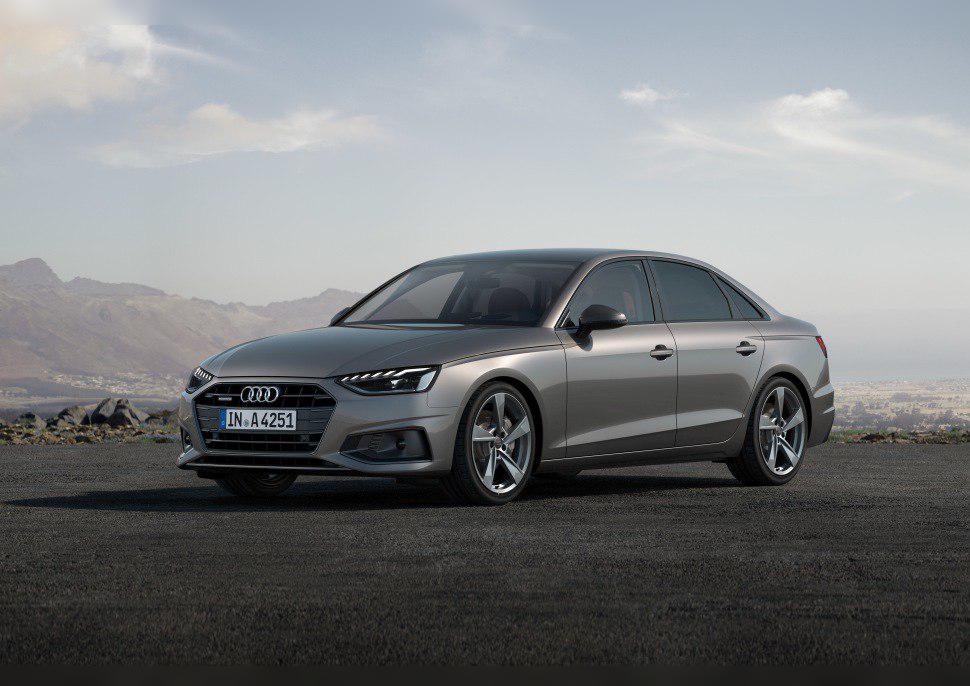
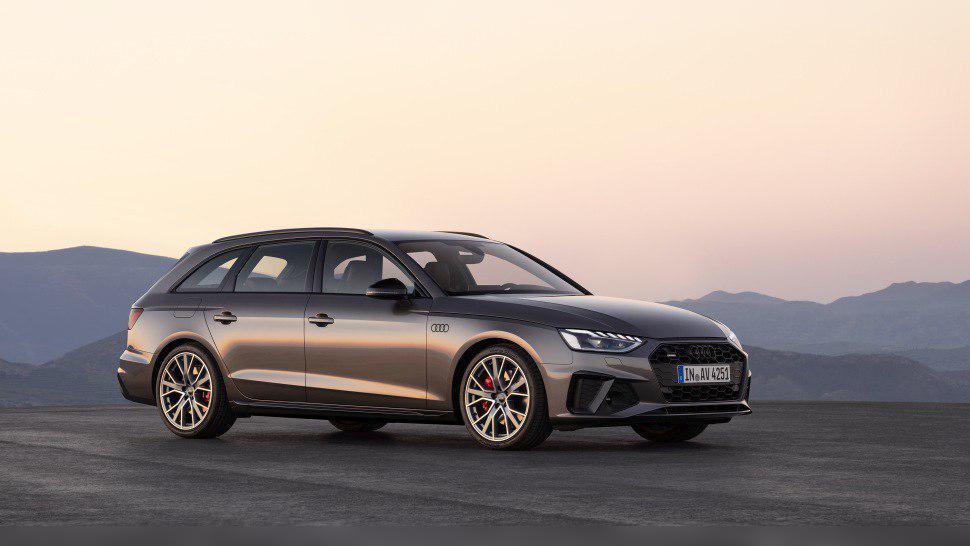
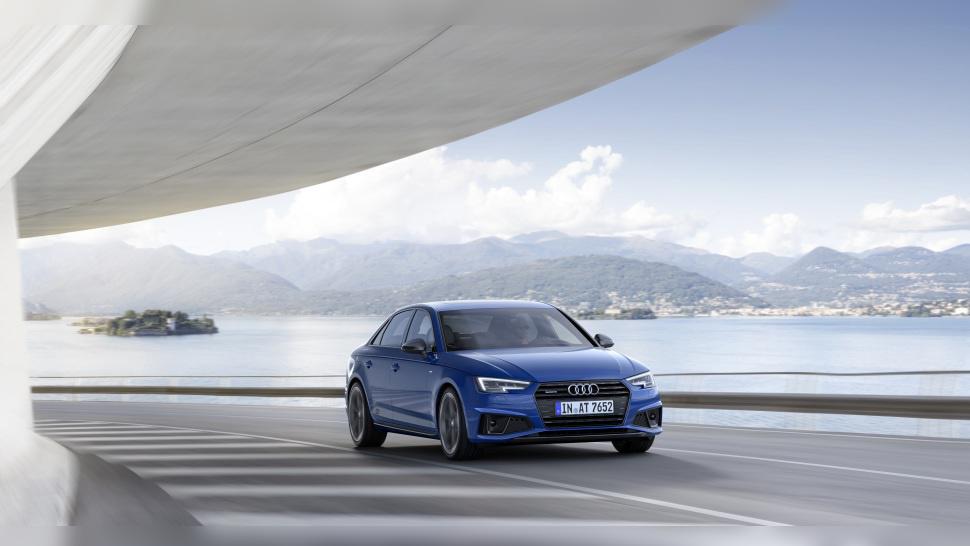
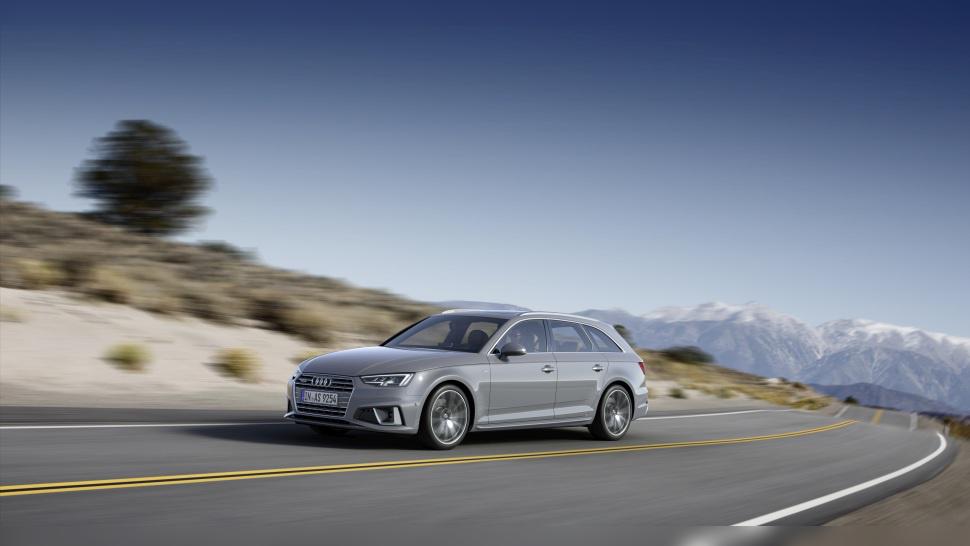
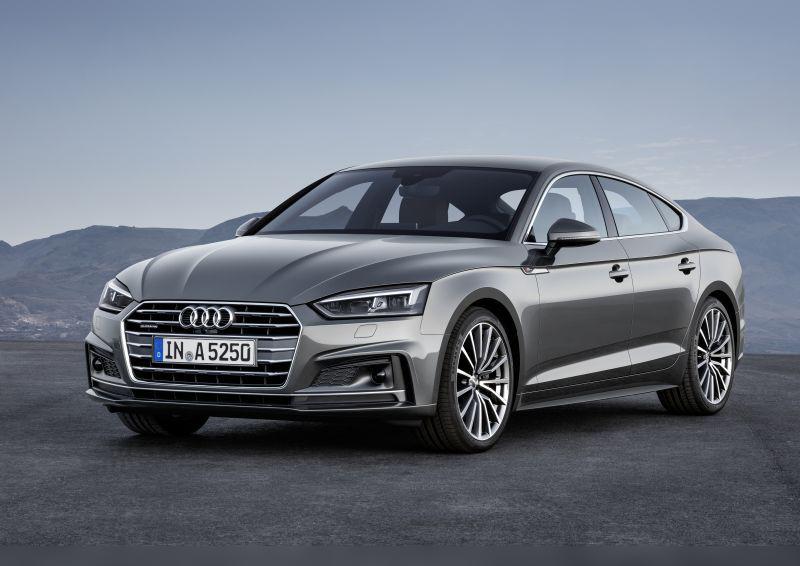
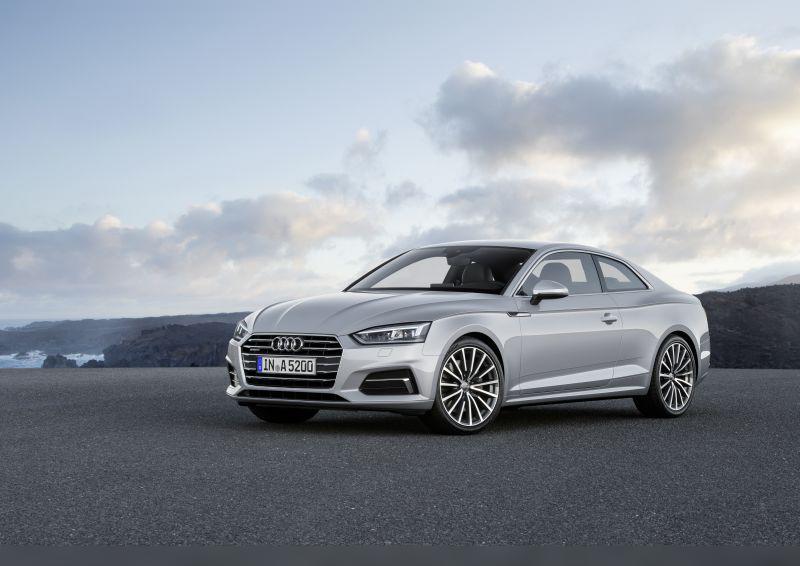
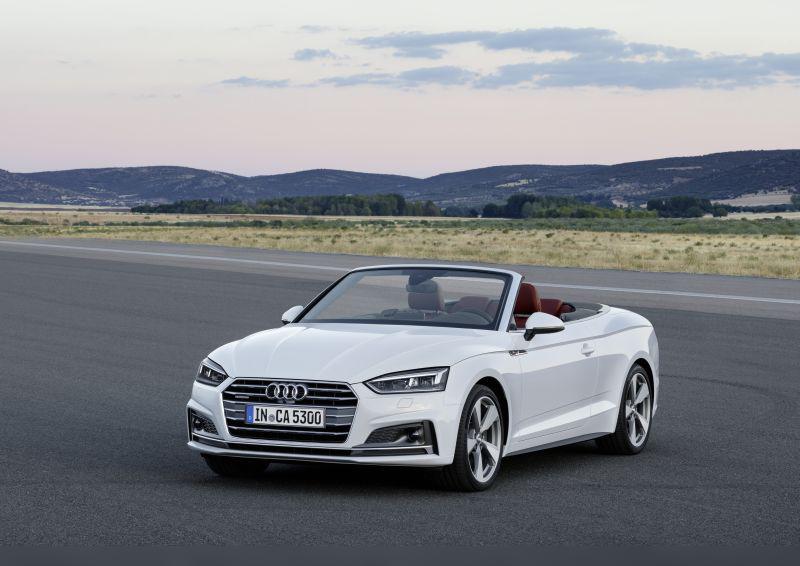
When talking about advanced two‑liter diesel engines from the Volkswagen Group, the units with codes DESA and DETA represent the very top of the range for longitudinally mounted engines. They belong to the famous EA288 engine family, but in its most refined form with 190 horsepower. These engines were designed for the premium segment and were installed in very popular models such as the Audi A4 (B9), Audi A5 (F5) and Audi Q5 II (FY), both before and after the facelift.
What makes this engine extremely important on the European market is the fact that it offered the perfect compromise for business users and families – it delivers the dynamics and power of a V6 engine, but with the running costs and fuel consumption of a standard 2.0 TDI block.
Technical specifications
| Specification | Data |
|---|---|
| Engine displacement | 1968 cc |
| Power | 140 kW (190 HP) |
| Torque | 400 Nm |
| Engine codes | DESA, DETA |
| Fuel and injection type | Diesel / Common Rail (direct) |
| Charging method | Turbocharger with intercooler |
Reliability and maintenance
Timing system: Chain or belt?
Unlike some older or larger units, DESA and DETA engines use a timing belt rather than a chain. This is actually very good news from a maintenance point of view, as the system is highly reliable provided that the intervals are respected. It should be noted that these engines also have a small belt in the oil sump that drives the oil pump, which should also be inspected and, if necessary, replaced during major overhauls.
Major service and minor service
The manufacturer often states optimistic intervals for the major service (up to 210,000 km), but real‑world practice and the experience of European mechanics say otherwise. It is advisable to perform the major service at around 150,000 to 180,000 km or every 5 to 6 years. Waiting until the official upper limit increases the risk of belt failure or water pump disintegration, which can lead to catastrophic engine damage.
As for lubrication, this engine takes around 4.7 liters of engine oil. Fully synthetic oil with a viscosity grade of 0W-30 or 5W-30 that meets the VW 507.00 specification must be used, due to the presence of the DPF filter. The minor service should be done at a maximum of 15,000 km, regardless of the “LongLife” recommendation of 30,000 km.
Oil consumption and most common failures
Unlike some older generations, DESA/DETA engines do not suffer from chronic oil consumption due to poor piston rings. Slight oil usage between services is normal. Consumption of 0.2 to 0.5 liters per 10,000 km is considered completely usual and should not worry you.
The most common failures on the engine itself rarely concern the “hard parts” (crankshaft, pistons). Problems usually occur on the periphery: coolant leaks at the water pump (a characteristic EA288 issue) and faults related to the complex sensor system.
Injector condition and longevity
The injection system is Common Rail. The injectors on this engine (mostly Bosch) have proven to be extremely durable and reliable. Their service life often exceeds 250,000 to 300,000 km, provided that quality fuel is used and the fuel filter is replaced regularly. When injectors start to fail, symptoms include rough idle (shuddering), increased smoke on cold start, as well as frequent DPF regenerations due to poor combustion.
Specific components and repair costs
Injection system and turbocharger
As mentioned, the Common Rail system is robust. The engine uses a single turbocharger with variable geometry (VGT). Turbo lag is minimal, and the turbo’s lifespan is excellent, easily exceeding 250,000 km. To make the turbo last, it is important to let the engine idle for about ten seconds after spirited driving (to cool down the turbo shaft), and to change the oil regularly. Turbocharger overhauls are now a standard procedure, and the cost is: expensive (depends on the market).
ECO systems: DPF, EGR and AdBlue
This is where we get to the main maintenance points of modern diesels. DESA and DETA engines are “clean” diesels and are equipped with a DPF filter, a complex EGR valve and an AdBlue (SCR) system.
- DPF filter: Causes problems only if the car is driven 90% of the time in city traffic. Symptoms of a clogged DPF are loss of power, the glow plug or check engine light coming on, and frequent radiator fan operation after the engine is switched off.
- EGR valve: The system has both high‑pressure and low‑pressure circuits. Due to exhaust gas recirculation, the EGR cooler can clog with soot or start leaking coolant. Replacement is: expensive (depends on the market).
- AdBlue system: Yes, this engine uses AdBlue fluid to reduce NOx emissions. This is the most problematic part of the emissions system on this engine. The pump in the AdBlue tank often fails, the fluid can crystallize on the injector, or the NOx sensor can fail. The driver will get a warning on the dashboard: “No engine start in 1000 km”. Repairing the complete AdBlue system is: very expensive (depends on the market).
Fuel consumption and performance
City driving and highway cruising
With 400 Nm of torque available already at low revs, this engine is anything but sluggish, even in heavier bodies such as the Audi Q5 (which can weigh close to 2 tons) or the Audi A4 Allroad. Throttle response is excellent, and overtaking is carried out with incredible ease.
As for fuel consumption, physics cannot be cheated:
- City driving: In the A4 sedan, real‑world city consumption is around 7.0 - 8.0 l/100 km. In the heavier Q5 model with quattro drive, you can expect 8.5 - 9.5 l/100 km in urban conditions.
- Motorway: This is where the engine truly shines. Paired with the 7‑speed S tronic gearbox, at 130 km/h in 7th gear it cruises at very low revs (below 2,000 rpm). Highway fuel consumption drops to an excellent 5.5 - 6.5 l/100 km. Cabin noise is minimal.
Additional options and modifications (Chip Tuning)
Thanks to its robust construction, the DESA/DETA block can handle a power increase without major issues. With a Stage 1 remap (ECU software optimization), the engine can be safely taken from 190 HP and 400 Nm to around 220 - 230 HP and 450 - 480 Nm of torque. The driving feel improves dramatically.
However, an important warning: before remapping, the health of the DPF filter must be thoroughly checked, as well as the condition of the clutch/gearbox, because the increased torque puts the greatest strain on the dual‑mass flywheel and the clutch packs of the automatic transmission.
Gearbox and power delivery
Types of gearboxes and common failures
These engines are mostly (and most commonly on the market) paired with a 7‑speed S tronic dual‑clutch automatic gearbox (code DL382 for longitudinal engines). Manual 6‑speed gearboxes exist in some basic A4 versions, but they are quite rare.
- S tronic gearbox failures: The mechatronics unit is a sensitive component. If the gearbox jerks when setting off, holds revs too long before shifting, or you hear metallic knocks when shifting from D (Drive) to R (Reverse), this points to issues with the clutch pack or the mechatronics itself.
- Manual gearbox failures: The manual gearbox mechanism itself is almost indestructible; problems are limited to wear items (clutch).
Dual‑mass flywheel and gearbox service
It is important to emphasize: Yes, the engine has a dual‑mass flywheel, regardless of whether the gearbox is manual or S tronic. On DSG/S tronic gearboxes, the flywheel fails just like on a manual; symptoms are strong vibrations at idle, metallic rattling on cold start and jerking. The cost of replacing the clutch kit together with the dual‑mass flywheel on these models is: expensive to very expensive (depends on the market).
To avoid S tronic gearbox failures, it is strongly recommended to change the oil and filter in the gearbox every 60,000 kilometers. If the car you are buying has no proof of regular gearbox servicing, this represents a major risk.
Buying used and conclusion
What to pay attention to when buying?
When buying an Audi with a DESA or DETA engine, looks are not enough. Make sure you go through the following steps:
- Cold start: The engine should start “on half a turn”. Pay attention to metallic noises (rattling). If you hear rattling that disappears after a few seconds or vibrations that are transmitted to the body, the dual‑mass flywheel is due for replacement.
- Gearbox test: Warm up the car. Come to a stop, shift the lever from P to R, then to D. The reaction must be immediate and smooth, without jerks. Test creep without pressing the accelerator on an incline.
- Diagnostics (VCDS / ODIS): MANDATORY! A mechanic must check the “Ash Mass” in the DPF filter, injector correction values (indicating their health) and the fault history related to the AdBlue system.
- Suspension and drivetrain: On quattro models, check for whining noises from the rear axle or the prop shaft.
Conclusion: Who is this engine for?
The DESA / DETA engine (2.0 TDI 190 HP) is an excellent piece of engineering, but only if you have suitable usage conditions. It is intended for drivers who regularly drive on open roads and cover high annual mileage (over 20,000 km). On the motorway it offers a truly refined driving experience with ridiculously low fuel consumption for this power output and vehicle class.
On the other hand, if you need a car solely for commuting to work and back, a few kilometers through traffic lights and city congestion, this engine is not for you. The DPF filter, EGR valve and AdBlue system will very quickly cause serious financial problems due to the engine being constantly choked with soot.