Audi 2.0 TDI (DESA, DETA, DFVA) 190 HP – Experiences, problems, fuel consumption and used-car buying tips
Key points in short (TL;DR)
- Great balance: The engine offers an excellent compromise between high performance (190 HP / 400 Nm) and low fuel consumption on the open road.
- Engine drive: Uses a timing belt. The official interval for the major service is 210,000 km, but mechanics strongly recommend shortening that interval.
- Ecology as a weak point: The DPF, EGR valve and especially the AdBlue (SCR) system can cause headaches if the car is driven mostly in city traffic.
- Dual-mass flywheel: Present on both manual and automatic (S tronic) gearboxes, and it is a mandatory item to check.
- Gearboxes: S tronic automatic gearboxes are fast and efficient, but strictly require an oil change every 60,000 km.
- Chiptuning: The engine has huge potential; a safe Stage 1 remap brings a noticeable improvement without compromising reliability.
Contents
- Introduction and basic information
- Technical specifications
- Reliability and maintenance
- Specific components and emissions systems
- Fuel consumption and performance
- Additional options and modifications
- Gearbox and drivetrain
- Buying used and conclusion
Introduction and basic information
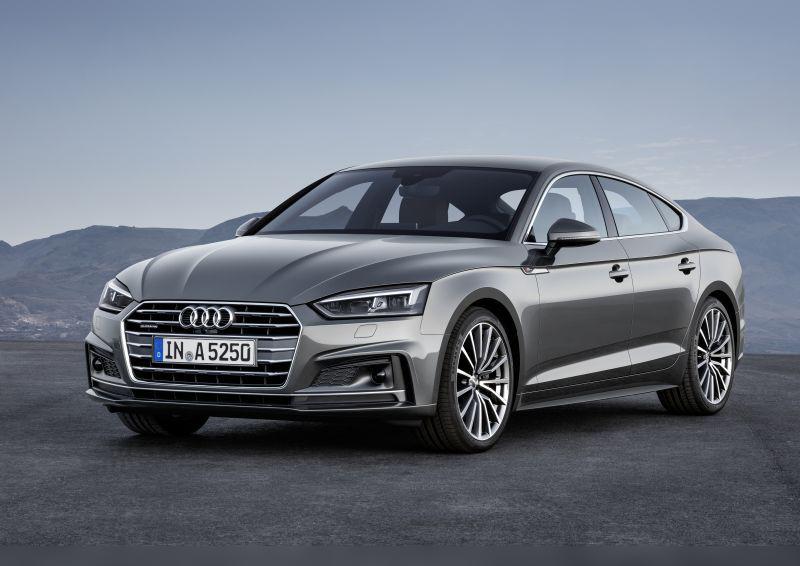
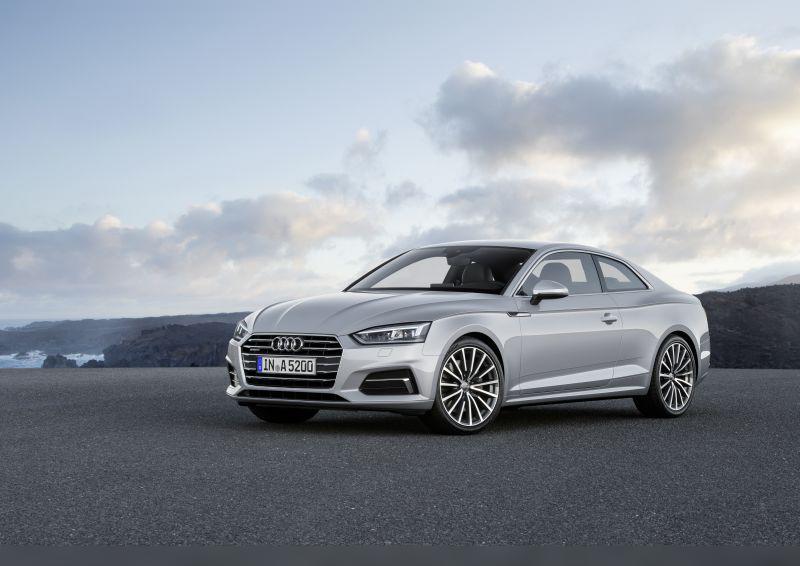
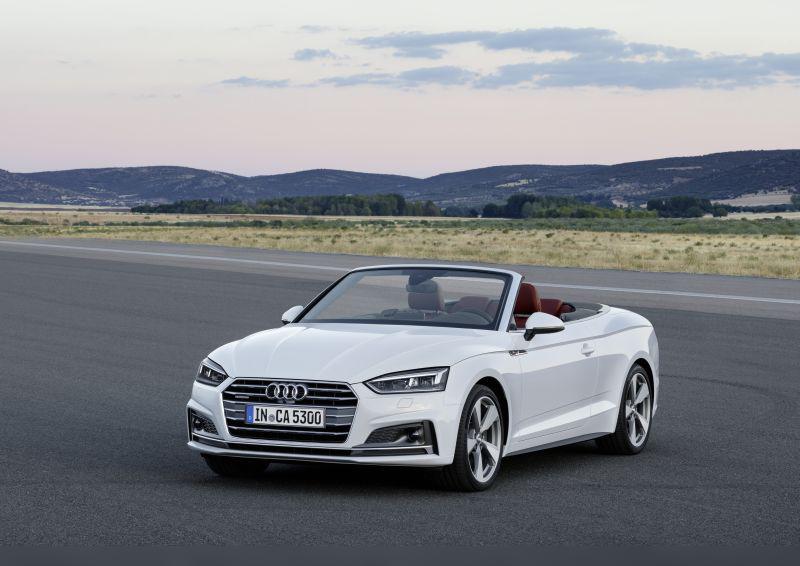
When we mention the codes DESA, DETA and DFVA, we are talking about one of the most highly regarded iterations of VAG’s 2.0 TDI architecture (from the EA288 Evo family). With 190 horsepower and a massive 400 Nm of torque, this engine fits perfectly into the premium segment that includes models such as the Audi A5 (F5 series – Sportback, Coupé and Cabriolet). This powerplant is designed for long-distance highway drivers, offering refined operation, a big power reserve and impressive efficiency. Although the manufacturer has ironed out many of the “childhood diseases” of earlier 2.0 TDI engines, modern emissions solutions and system complexity require a well-informed owner and regular maintenance.
Technical specifications
| Specification | Data |
|---|---|
| Displacement | 1968 cc |
| Power | 140 kW (190 HP) |
| Torque | 400 Nm |
| Engine codes | DESA, DETA, DFVA |
| Injection type | Common Rail (direct injection) |
| Charging system | Turbocharger (VGT), intercooler |
Reliability and maintenance
Engine drive and service intervals
Unlike some competing powerplants, this 2.0 TDI engine uses a timing belt, not a chain. The factory-specified interval for the major service (replacement of timing belt, tensioner, idlers and water pump) is set at a very optimistic 210,000 km. However, real-world practice and workshop experience dictate that the major service should be done at around 150,000 km or at least every 5 to 7 years. The water pump on these engines (often electronically controlled) is known to start leaking or seizing before the factory interval, which can lead to overheating of the block and a blown head gasket.
Engine oil and oil consumption
This engine takes approximately 4.7 litres of oil. You must use synthetic oil that meets the VW 507.00 specification (most often 5W-30 or 0W-30), primarily to protect the DPF filter (Low SAPS oils). As for oil consumption, these engines are not known as “oil burners”, but it is normal for them to consume between 0.5 and 1 litre of oil between services (which should be done every 15,000 km, not every 30,000 km as the LongLife program suggests). If you often drive flat out on the motorway, oil consumption will be closer to the upper limit, which does not indicate a problem with piston rings, but rather evaporation and thermal stress.
Injectors and fuel injection
The injection system is a high-pressure Common Rail. The injectors are extremely reliable and, with the use of quality diesel fuel and regular fuel filter changes, they easily last 250,000 to 300,000 kilometres. When the injectors wear out, symptoms include rough idle, a ticking sound under acceleration and increased black smoke if the DPF does not manage to burn it off. Injector overhaul or replacement falls into the category: very expensive (depends on the market).
Specific components and emissions systems (Costs)
Dual-mass flywheel
This engine, regardless of whether it is paired with a manual or an automatic gearbox, is equipped with a dual-mass flywheel. Its job is to dampen the strong vibrations produced by 400 Nm of torque before they reach the gearbox and crankshaft. Symptoms of a worn flywheel include strong vibrations at idle, “knocking” or a metallic noise when switching the engine off, as well as jerking when setting off. The cost of replacing the clutch kit together with the dual-mass flywheel is: expensive to very expensive (depends on the market).
Turbocharger
The engine has a single turbocharger with variable geometry (VGT). The turbo’s lifespan is excellent and generally matches the engine’s lifespan (easily over 250,000 km) if basic rules are followed: regular oil changes and allowing the turbo to cool down after spirited driving (letting the engine idle for a minute or two before switching off). If the variable-geometry vanes get clogged with soot due to slow city driving, the engine will go into “limp mode” (a safety mode with reduced power).
Emissions systems: DPF, EGR and AdBlue
This is a Euro 6 engine, which means the emissions systems are complex and often cause headaches:
- DPF and EGR: The DPF filter regenerates efficiently on the motorway, but stop‑and‑go city driving quickly clogs it up. Symptoms of a saturated DPF include raised idle speed (around 1000 rpm), radiator fans running after the engine is switched off, and increased fuel consumption. The EGR valve can get stuck due to soot build-up, causing jerking and loss of power.
- AdBlue system (SCR): The engine uses AdBlue. This is one of the most critical points. The AdBlue pump in the tank and the NOx sensors are prone to failure. If the system fails, a warning appears on the dashboard stating that engine start will not be possible after a certain number of kilometres. AdBlue fluid is prone to crystallisation if the car sits for a long time or if poor-quality fluid is used. Repairing the SCR system is: very expensive (depends on the market).
Fuel consumption and performance
City driving
In real-world city driving conditions (traffic jams, traffic lights), fuel consumption ranges between 7.0 and 8.5 l/100 km. This depends on how heavy your right foot is and whether you are driving a quattro version, which is heavier and increases consumption by about 0.5 litres.
Performance and driving feel
Considering the massive 400 Nm available from as low as 1750 rpm, this engine is absolutely not “lazy”. On the contrary, an Audi A5 (F5) powered by this unit accelerates smoothly, strongly and effortlessly. Overtaking on country roads is a routine affair, and the engine easily copes with a body weight of over 1.5 tonnes.
On the motorway
The natural habitat of this engine is the open road. At 130 km/h, with the seven-speed S tronic gearbox in top gear, the engine “cruises” at a relaxed 1700 to 1900 rpm. Cabin noise is minimal, and fuel consumption at this speed drops to a fantastic 5.5 to 6.0 l/100 km.
Additional options and modifications
Owners who want an extra dose of adrenaline often opt for an ECU remap (Stage 1). The Audi 2.0 TDI (DESA, DETA, DFVA) has excellent hardware and a robust engine block. A safe Stage 1 “chip tune” increases power from 190 HP to around 220 to 230 HP, while torque rises from 400 Nm to 450 to 480 Nm. If the car has an automatic gearbox, it is extremely important to also remap the gearbox software (TCU remap), so that the electronics can correctly manage and withstand the increased torque without clutch slip.
Gearbox and drivetrain
Types of gearboxes and maintenance
This engine was paired with robust six-speed manual gearboxes and sophisticated seven-speed dual-clutch automatics – S tronic (DSG). On newer A5 (F5) models with quattro drive, you will often find the “quattro ultra” system, which disconnects the rear axle when possible to save fuel.
Most common failures and servicing
- Manual gearbox: Very reliable. Failures are mostly limited to wear items (clutch kit, release bearing and dual-mass flywheel). As a preventive measure, the oil should be changed at around 100,000 to 120,000 km. The cost of replacing the kit is: expensive (depends on the market).
- S tronic (automatic): Comfortable and fast, but intolerant of poor maintenance. The most common failures relate to the mechatronics unit (gearbox control unit) and the clutch packs inside the gearbox if the oil has not been changed regularly. Symptoms of failure include jolts when shifting from second to first gear, harsh shifts from P to D or R, or a delay when setting off.
- Service interval for S tronic: Oil and filter changes in the S tronic gearbox MUST be carried out strictly every 60,000 km. Skipping this service guarantees mechatronics failure, and its repair is: very expensive (depends on the market).
Buying used and conclusion
What exactly to check before buying?
When looking at a used Audi A5 with 190 HP, make sure to pay attention to the following points:
- Cold start and noises: The engine should start “on half a turn”. Rattling or strong vibrations immediately after starting indicate a worn dual-mass flywheel.
- S tronic gearbox behaviour: When setting off without pressing the accelerator, the gearbox should engage smoothly. Any jerking when downshifting (especially from 3rd to 1st gear) signals a problem with the clutches or mechatronics.
- Coolant loss (antifreeze): Check the area around the water pump and thermostat housing. Also, the coolant level in the expansion tank must be correct. Coolant loss may indicate a problem with the EGR cooler.
- Diagnostics (VCDS / ODIS): It is absolutely mandatory to hook the car up to diagnostics before buying. The mechanic should check the ash mass in the DPF filter, injector correction values, as well as the fault history related to the AdBlue system and NOx sensors.
Who is this engine for?
The Audi 2.0 TDI (DESA, DETA, DFVA) with 190 HP is an ideal engine for drivers who cover serious mileage on open roads and motorways. In those conditions it offers top-notch comfort, excellent in-gear acceleration and miserly fuel consumption. On the other hand, if you are looking for a car primarily for trips to the shop, short city journeys (under 5–10 km) and everyday traffic jams, this engine is not for you. Expensive emissions systems such as the DPF, EGR and AdBlue will quickly start causing problems, and maintenance will turn into a nightmare for your budget.