Legendary Audi / VW 1.8 DS (90 hp): Experiences, issues, fuel consumption and used-car buying tips
Key points (TL;DR)
- Extremely durable mechanical assembly (block, crankshaft, pistons) that can easily cover hundreds of thousands of kilometers.
- The main and most common problem with this engine is the notorious Pierburg 2E2 carburetor and its vacuum system.
- Maintenance is very affordable, and both major and minor services are mechanically simple.
- It doesn’t have expensive components such as a dual-mass flywheel, turbocharger, or complex injection systems.
- The engine is excellent for installing a basic (venturi) LPG system.
- In heavier bodies (such as the Audi 100) the engine feels extremely “lazy” and responds sluggishly to throttle input.
Contents
- Introduction: About the model and the engine
- Technical specifications
- Reliability and maintenance
- Specific parts and costs
- Fuel consumption and performance
- Additional options and modifications
- Gearbox and drivetrain
- Buying used and conclusion
Introduction: About the model and the engine
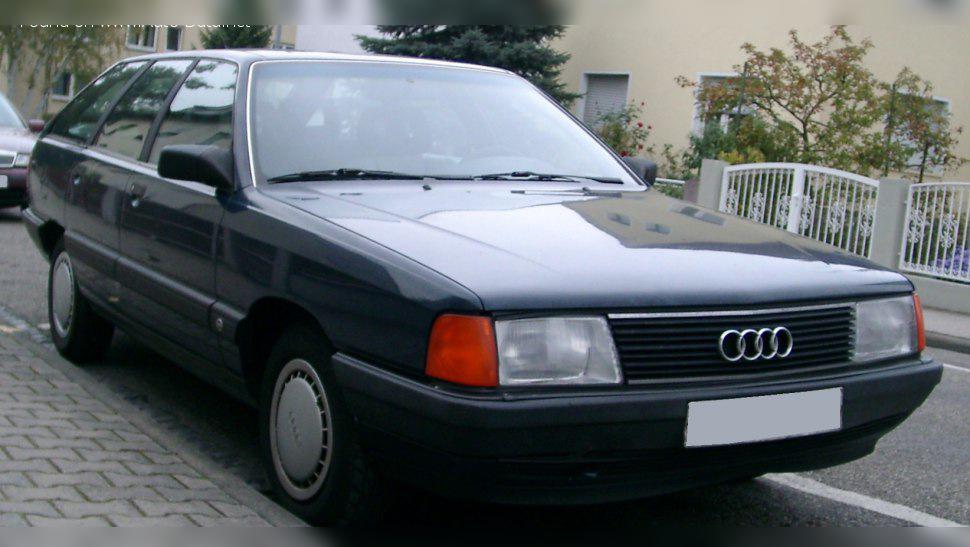
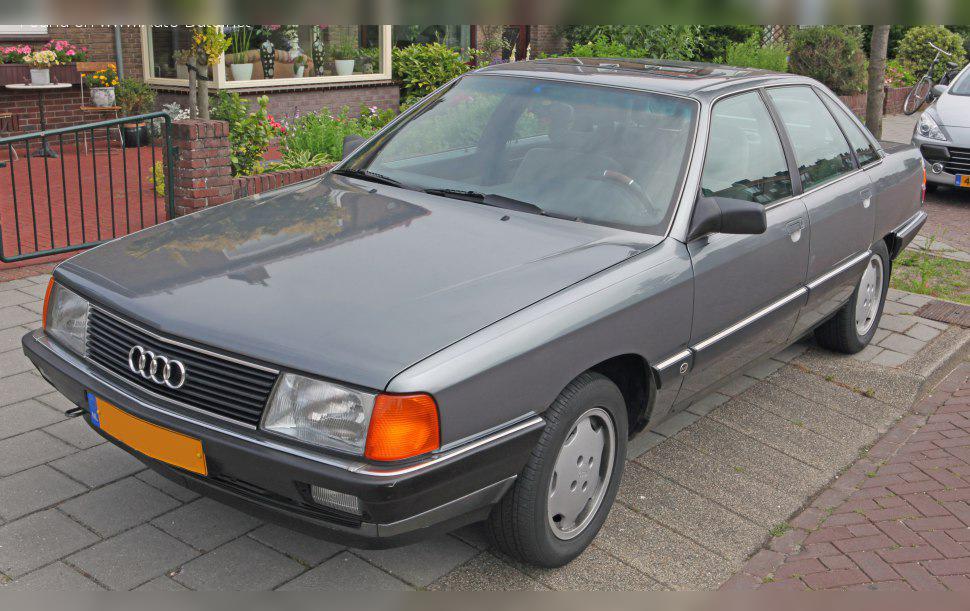
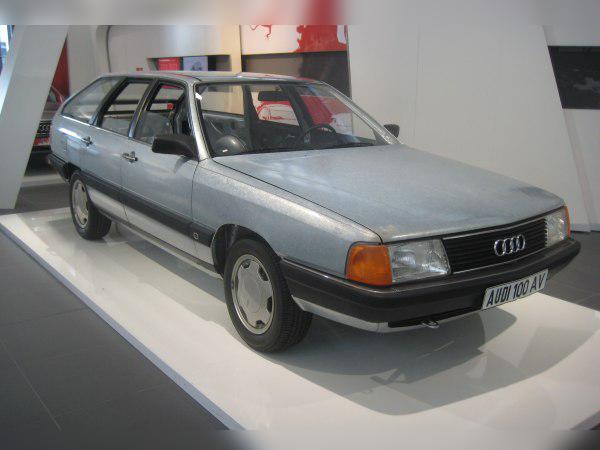
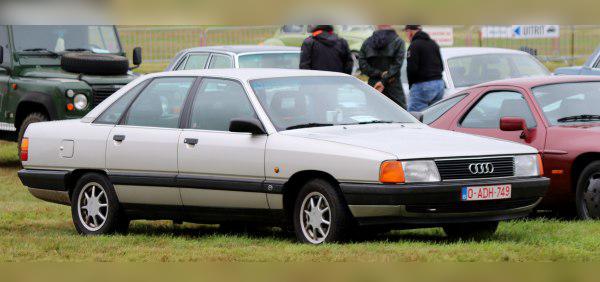
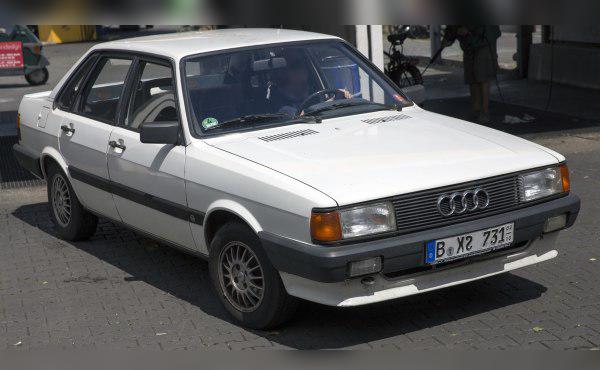
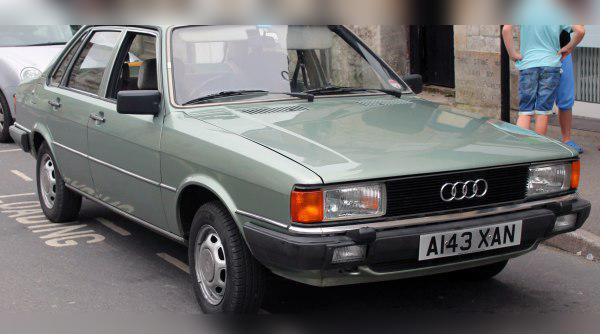
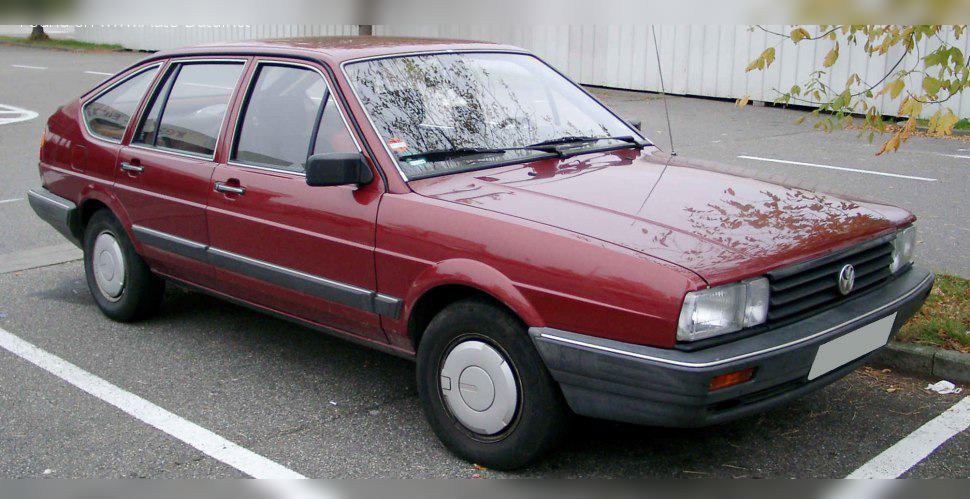
When talking about engines from the eighties that laid the foundations of durability for the VAG group, the engine with the code DS holds a special place. It is a naturally aspirated 1.8-liter petrol engine that delivers 66 kW, i.e. 90 hp. It was mounted longitudinally, primarily in the Audi 80 (B2), Audi 100 (C3 – the famous “cigar”) and VW Passat B2.
This engine belongs to the famous EA827 family. Thanks to its robustness, it became a favorite among drivers who value simplicity and longevity over performance. It has no modern electronics, relies on pure mechanics and a carburetor, which today means that any reasonably experienced mechanic can repair it, provided they are familiar with old fuel supply systems.
Technical specifications
| Parameter | Data |
|---|---|
| Displacement | 1781 cc (1.8 liters) |
| Power | 66 kW (90 hp) |
| Torque | 145 Nm |
| Engine code | DS |
| Fuel system type | Carburetor (most commonly Pierburg 2E2) |
| Induction | Naturally aspirated |
Reliability and maintenance
Does the engine have a timing belt or chain?
The valve timing is driven by a timing belt. The design is so simple that replacement is a routine job, without the need for special camshaft locking tools like those required on newer engines.
At what mileage is the major service done?
The interval for a major service (replacement of timing belt, tensioner and water pump) is usually recommended every 60,000 to 80,000 km, or every 5 years. Skipping this service carries the risk of belt failure. Although some versions of old 1.8 engines are said to be “non-interference” (valves and pistons do not collide if the belt snaps), it is always safest to respect the interval.
Most common failures
The core mechanics (crankshaft, bearings, pistons) are virtually indestructible, but peripheral components cause issues:
- Pierburg 2E2 carburetor: This is a nightmare for many owners. Due to age, vacuum hoses deteriorate, the bimetal spring of the automatic choke seizes, and the idle control diaphragm fails. Symptoms include: hard cold starts, unstable idle (holding over 2000 rpm at idle) or the engine constantly stalling at traffic lights.
- Carburetor flange (rubber base): The rubber spacer under the carburetor cracks from heat and age. The engine then “draws false air”. Symptoms are jerking while driving and rough idle.
- Distributor and ignition leads: Moisture easily gets into the old distributor cap, causing misfires or complete failure to start in wet weather.
Oil: quantity, grade and consumption
The sump of this engine holds about 3.5 to 4.0 liters of oil. Due to the clearances typical of engines from that era, the factory recommends semi-synthetic 10W-40 or even mineral 15W-40, depending on engine condition and climate.
As for oil consumption, a healthy engine uses very little. However, over time the main weak point becomes the valve stem seals. When they harden, oil seeps into the combustion chamber. Then the engine consumes oil between services (consumption of around 0.5 l per 1000 km on older examples is not uncommon). A bluish smoke from the exhaust is noticeable, especially in the morning at first start or during engine braking.
How often are spark plugs replaced?
On this naturally aspirated petrol engine, standard (usually copper) spark plugs are replaced at intervals of 30,000 to 40,000 km. Regular replacement of plugs and leads drastically reduces cold-start issues and saves fuel.
Specific parts and costs
Does the engine have a dual-mass flywheel?
Good news! This engine uses a classic solid flywheel. So there are no worries about expensive dual-mass flywheel replacements here, which makes maintenance extremely cheap.
What kind of fuel system does it have?
The DS engine does not have electronic injectors. Fuel is metered purely mechanically, by vacuum through the carburetor. This means there are no high costs for cleaning or refurbishing expensive injectors, high-pressure pumps and the like. Repairs are limited to cleaning the jets inside the carburetor and replacing worn gaskets and diaphragms. Carburetor rebuild kits are inexpensive (depending on the market).
Eco systems and turbo
This engine comes from an era when emission standards did not require complicated technology. The engine has no turbocharger, no DPF filter, no AdBlue system and in its basic form not even a typical electronic EGR valve that clogs up. The only things you really worry about are the air, fuel and oil filters.
Fuel consumption and performance
What is the real-world fuel consumption?
Since this is an old carbureted engine without precise electronic mixture control, fuel consumption is noticeably higher compared to modern units:
- City driving: Expect consumption between 10 and 12 liters per 100 km. In winter, with frequent short trips and the automatic choke engaged, consumption can be even higher.
- Highway / open road: With moderate driving on country roads, it can be brought down to about 6.5 to 7.5 l/100 km.
Is the engine “lazy”?
The answer depends mostly on the body style. In the lighter Audi 80 (B2), this engine can provide fairly dynamic driving. However, when its 90 hp and only 145 Nm of torque are put into the heavy body of an Audi 100 (C3) or a heavier wagon, it becomes extremely lazy. Acceleration is long, and overtaking requires good judgment and a run-up, especially if the vehicle is loaded.
Motorway cruising
Due to the old gearbox ratios and lack of power, this engine is not ideal for fast cruising. At 130 km/h, engine speed (depending on the gearbox fitted) is usually high, between 3,500 and 4,000 rpm. Because of this, engine noise penetrates the cabin and fuel consumption rises sharply. Its natural environment is speeds up to about 100 km/h.
Additional options and modifications
Is the engine suitable for LPG conversion?
This is an ideal engine for running on LPG! Due to the absence of electronic sensors and plastic intake manifolds, the cheapest type of LPG system can be installed – a classic venturi setup (so-called “flange” installation). Such a system is extremely cheap to install and maintain (depending on the market). With a properly adjusted vaporizer, you lose only about ten percent of the power, which makes the car very economical for everyday use.
Can it be chipped?
Absolutely not. “Chipping” (ECU remapping) is only possible on engines with electronic fuel injection and an engine control unit. On the DS engine, the only way to tune it is mechanically (installing hotter camshafts, replacing the carburetor with twin Weber carburetors and porting the intake channels), which is extremely expensive and not worth it.
Gearbox
Which gearboxes were fitted?
With the DS engine, the following gearboxes were used:
- 4-speed manual gearbox (mainly on earlier model years).
- 5-speed manual gearbox (the most desirable option).
- 3-speed automatic gearbox.
Note: Versions bearing the “Quattro” badge (Audi 80 and 100) have a more complex all-wheel-drive system, which requires additional attention to the differentials and prop shaft.
Most common gearbox issues
Manual gearboxes are robust, but after hundreds of thousands of kilometers the shift linkages develop excessive play, so gear selection becomes imprecise. Also, the second-gear synchro often wears out, which manifests as grinding when shifting from first to second.
Automatic gearboxes (3-speed) are very primitive, slow, and increase city fuel consumption by an additional 2 liters. Due to age, seals and rubber parts inside them crack, clutch packs slip, so the car may refuse to engage a certain gear or jerk when shifting.
Clutch replacement cost
Since a solid flywheel is used, the entire clutch kit (disc, pressure plate, release bearing) is of the traditional type. Parts and labor are very affordable, and the cost of this job is very low compared to modern vehicles (depending on the market).
Gearbox servicing
For manual gearboxes, it is recommended to check the level and replace the gearbox oil (usually 75W-90) every 60,000 to 80,000 km. For automatic gearboxes, regular replacement of ATF fluid and filter at no more than 60,000 km is absolutely critical for gearbox longevity.
Buying used and conclusion
What exactly should you check before buying?
If you are buying a car almost 4 decades old with this engine, focus on the following:
- Cold start: The engine must be completely cold when you arrive. If the owner has already warmed up the car, they are probably hiding a problem with the carburetor’s automatic choke. A cold engine should start “on half a turn of the key” and hold a stable idle.
- Exhaust smoke: After the car warms up, rev it hard while stationary, then suddenly release the throttle. If it emits blue smoke, the valve stem seals or piston rings are worn.
- Condition of engine bay wiring and hoses: Check rubber hoses, spark plug wires and the flange under the carburetor. Cracked rubber is a sure sign of false air and upcoming idle problems.
- Coolant condition: Open the coolant expansion tank. If there is sludge or rust inside, the system is neglected, and the water pump and heater core are at risk.
Who is this engine for?
This engine is definitely not for people looking for strong acceleration, high performance, or for someone who lacks at least basic mechanical enthusiasm. An Audi or Passat with the 1.8 DS engine is a fantastic choice for fans of old-school mechanics, lovers of reliability and cheap LPG driving. With a properly adjusted carburetor, this is an engine that will always, reliably and without fuss take you from point A to point B.