2.0 TDI EA188 / BMN Engine (170 HP): Experiences, Problems, Fuel Consumption and Buying Used
Most important in short (TL;DR)
- Timing belt driven, full timing service required at around 120,000 km.
- Siemens Piezo injectors are the weakest point – prone to sudden failure (there was a factory recall).
- Oil pump drive shaft ("pencil") wears out and can cause a catastrophic drop in oil pressure and destroy the engine.
- DPF filter causes major issues in city driving, because Pumpe-Düse (PD) technology is not ideally matched with it.
- The engine offers brutal performance and a lot of torque, but because of that it wears out the dual-mass flywheel very quickly.
- Fuel consumption is excellent on the open road, but maintenance is significantly more expensive than on the weaker 1.9 TDI versions.
Contents
- Most important in short (TL;DR)
- Introduction: Powerful but demanding
- Technical specifications
- Reliability and maintenance
- Specific parts (Costs)
- Fuel consumption and performance
- Additional options and modifications
- Gearbox and power transfer
- Buying used and conclusion
Introduction: Powerful but demanding
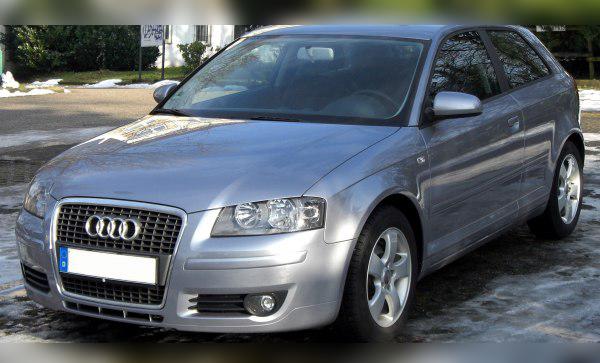
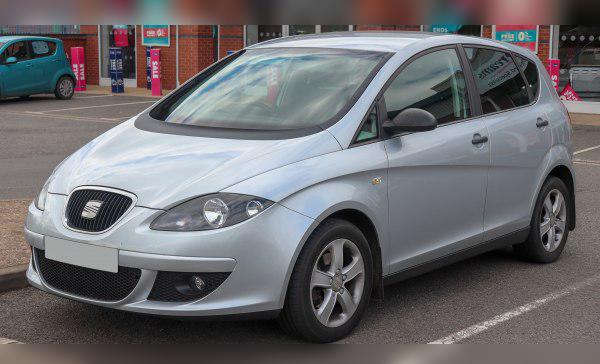
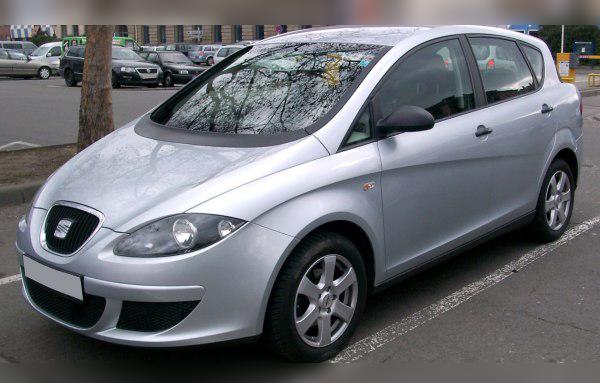
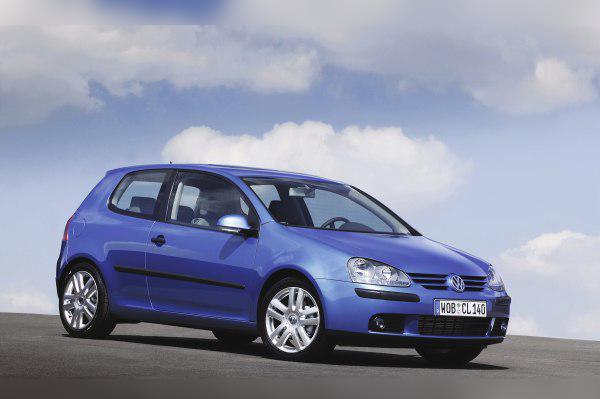
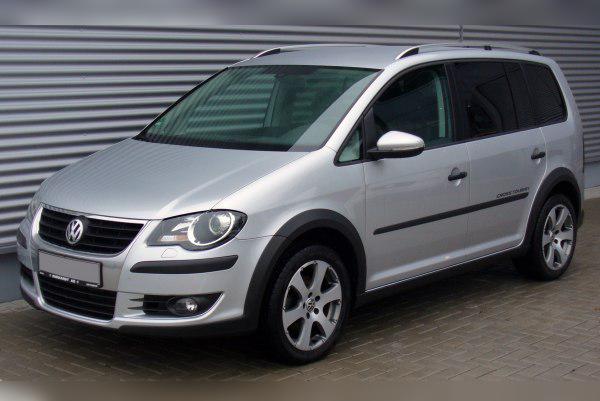
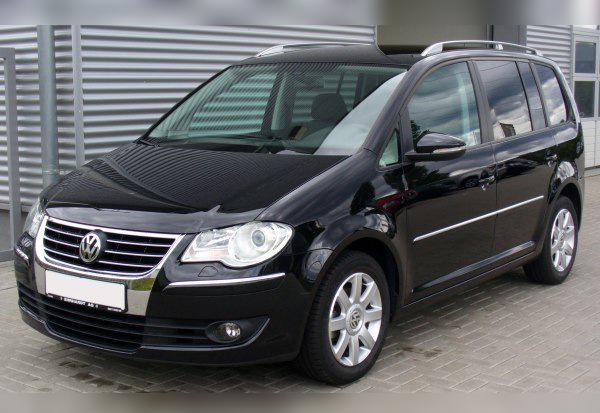
When it appeared in the mid-2000s, the 2.0 TDI with code BMN from the EA188 series was a real beast in the compact class. Installed mainly in sporty diesel variants such as the Seat Leon FR, Golf V GTD or more powerful versions of the Audi A3 and Touran, this engine offered an impressive 125 kW (170 HP). This is the last generation of the famous Pumpe-Düse (PD) injection system before the VAG group switched to Common Rail. Although it offers fantastic acceleration, this engine carries several serious design flaws that can drain a huge amount of money from the pocket of a potential used-car buyer. That’s why it is extremely important to know what you’re getting into before you count out the money for this car.
Technical specifications
| Parameter | Specification |
|---|---|
| Engine displacement | 1968 cc |
| Power | 125 kW (170 HP) |
| Torque | 350 Nm |
| Engine codes | BMN (EA188 family) |
| Injection type | Pumpe-Düse (Unit injector system) |
| Charging | Turbocharger (VGT), Intercooler |
| Number of valves | 16v (DOHC) |
Reliability and maintenance
This power unit uses a timing belt to drive the camshafts. The recommended interval for the full timing service (replacement of timing belt, tensioner, idlers and water pump) is at 120,000 km or every 5 years. Extending this interval is strongly discouraged, because a snapped belt leads to complete catastrophic damage to the cylinder head and valves.
Most common failures: The biggest headaches for owners are the notorious Siemens Piezo injectors. Due to a short circuit in the piezo element, the engine ECU shuts down the entire engine within a split second for safety reasons, even if you’re in the middle of an overtake! Another huge problem is the oil pump drive. The system uses a hexagonal shaft (the so‑called “pencil”) which over time develops play and rounds off. When that happens, the engine loses oil pressure. If you don’t switch off the car immediately, the crankshaft, bearings and turbo will be fried within a few kilometres.
As for lubrication, the engine takes about 4.3 litres of oil. Due to the presence of a DPF filter, it is absolutely mandatory to use oil that meets the VW 507.00 (5W-30) standard. Does it consume oil? Yes. VW tolerates up to half a litre per 1000 km, but in practice, a healthy BMN engine will consume about 0.5 to 1 litre of oil between regular services (every 10,000 to 15,000 km). This is considered normal due to evaporation and the specifics of the PD system. If it consumes more, the problem often lies in the piston rings, valve stem seals or in the turbo shaft.
Specific parts (Costs)
Given that the engine has 350 Nm of torque, a dual-mass flywheel is a mandatory part of this system. The high torque creates enormous stress on the springs in the flywheel. Symptoms of failure are metallic rattling at idle, vibrations when switching off the engine and jolts when applying throttle. Replacement of the clutch kit and dual-mass flywheel costs: very expensive (Depends on the market).
Injection system: The Pumpe-Düse system operates under extremely high pressures (over 2000 bar). The Siemens injectors were so problematic that Volkswagen carried out a massive recall for years and replaced them free of charge with modified Continental injectors. Before purchase, you must check the VIN in an authorised service centre to see whether the injectors have been replaced. On average, when they are the correct updated versions, injectors last around 200,000 to 250,000 km before they require refurbishment.
Turbocharger: The BMN uses a VGT turbo (variable geometry). Its service life is around 150,000 to 200,000 km, but it drops drastically if the DPF filter creates excessive exhaust backpressure. Replacement or overhaul of the turbo is: expensive (Depends on the market).
DPF filter and EGR valve: From an environmental point of view, this is perhaps its biggest flaw. PD engines naturally produce more soot than newer Common Rail engines, and the DPF here is basically “grafted on”. In city driving the DPF clogs extremely quickly. When the car starts a regeneration, it often dumps diesel into the cylinders which passes the rings and mixes with the engine oil – raising the oil level on the dipstick and drastically degrading its properties. The EGR valve also often clogs with oily soot, causing jerking and smoke. The good news is that this engine does not have an AdBlue system, because it belongs to the older Euro 4 emissions generation, so you don’t have to worry about that cost.
Fuel consumption and performance
When everything is working properly, the 170 HP BMN pins you to the seat. Is it “lazy”? Absolutely not. Whether it’s in a lighter Golf V or Leon, or even in a somewhat heavier Touran, performance is always at a high level thanks to the “hit” of torque characteristic of PD engines.
Fuel consumption in city driving is noticeably higher compared to the 1.9 TDI. Realistic city consumption ranges from 7.5 to 9.0 l/100 km, especially in winter. On the motorway, this engine is in its natural environment. With a six-speed gearbox, cruising at 130 km/h keeps the rev counter at an optimal ~2400–2500 rpm. The engine is then smooth, elastic and offers great in-gear acceleration for overtaking, with average consumption of around 5.5–6.5 l/100 km.
Additional options and modifications
Tuning enthusiasts love the BMN because the engine is robustly built (strong block and crankshaft). Stage 1 chiptuning very easily brings huge gains, because the stock turbo and injectors have a good flow reserve. Safe “chipping” to a Stage 1 map raises power to about 200 to 210 HP and over 410 Nm of torque. However, before any such modification, keep in mind that this torque will definitely halve the remaining service life of the dual-mass flywheel and clutch disc, and a clogged DPF filter will fail even faster.
Gearbox and power transfer
This engine is usually paired with a durable 6-speed manual gearbox, while an option was a 6-speed DSG automatic (DQ250) with wet clutches. Some variants (such as the Audi A3) also had quattro/4Motion all-wheel drive.
Failures on the manual gearbox mostly come down to wear of the dual-mass flywheel. The gearbox itself is mechanically reliable. On the DSG gearbox, the most common problems are failure of the mechatronics (electro-hydraulic control unit) and wear of the clutch packs. Symptoms of DSG failure are a harsh engagement when selecting “D” or “R”, jerking during gear changes and delay when starting off. It is very important to know that the automatic DSG gearbox in this model also has a dual-mass flywheel.
As for servicing: for the DSG gearbox, a mandatory service (oil and filter change) is required every 60,000 km. This is crucial for the survival of the mechatronics. For the manual gearbox, the manufacturer claims the oil is “lifetime”, but any serious mechanic will recommend changing the oil at around 100,000 to 120,000 km so that the synchros last longer.
Buying used and conclusion
During a test drive of a BMN 2.0 TDI engine, the most important thing is a cold start test. Ask the seller to keep the car completely cold when you arrive. Start the car and observe the exhaust. Any white, bluish or thick grey smoke indicates faulty injectors, turbo or coolant leakage (cracked head). Listen to the engine at idle – misfires or uneven running are a sign that the expensive Siemens injectors are in trouble. Switch the car off and on several times to check whether the engine assembly shakes with a metallic knock (dual-mass flywheel).
Connecting to VCDS diagnostics before purchase is absolutely mandatory. You must check the deviations (corrections) on the injectors (block 013), as well as the DPF ash load (Ash mass). Also, be sure to ask the seller whether the “big” job of replacing the oil pump shaft has ever been done. If not, you will have to do this preventively.
Conclusion: Who is it for?
This is not an engine for grocery runs, school and city traffic jams. In that use it will ruin you with DPF and injector problems. This engine is intended for drivers who drive daily on main roads or motorways, enjoy spirited driving and have a clear financial plan for potential failures. Due to the potentially horrific costs related to injectors and the oil pump, if you are looking for an absolutely reliable but slower car, the safer choice from that period is the old 1.9 TDI variant.