Engine 3.2 V6 EA390 / BKK: Experiences, issues, fuel consumption and used-buying tips
- Extremely durable naturally aspirated petrol engine (VR6 architecture) with a fantastic sound.
- It has a timing chain located at the rear of the engine, whose replacement is the most expensive job on this vehicle.
- Huge fuel consumption in city driving due to the weight of the van and the old-type gearbox.
- The engine uses indirect injection (MPI), which makes it absolutely perfect for LPG conversion.
- It doesn’t have the problematic and expensive components of modern diesels (no DPF, no AdBlue, no turbocharger).
- Maintenance of the automatic Tiptronic gearbox is crucial for the longevity of the entire drivetrain.
Contents
- Introduction: Six cylinders in work clothes
- Technical specifications
- Reliability and maintenance
- Specific parts and costs
- Fuel consumption and performance
- Additional options and modifications
- Gearbox and drivetrain
- Buying used and conclusion
Introduction: Six cylinders in work clothes
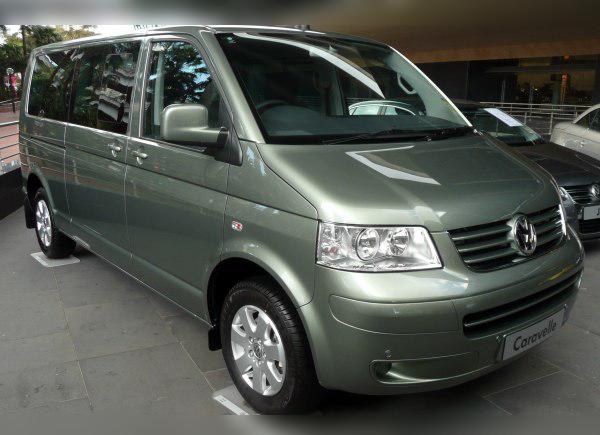
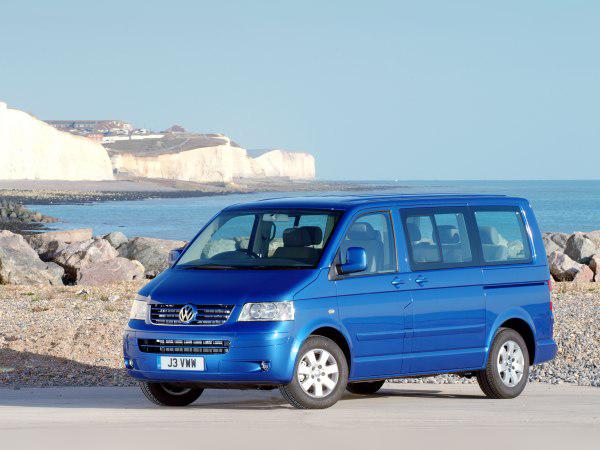
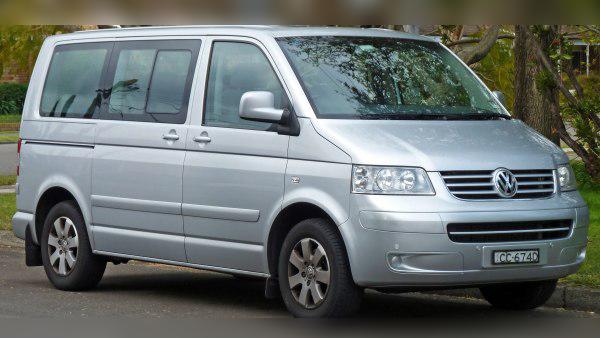
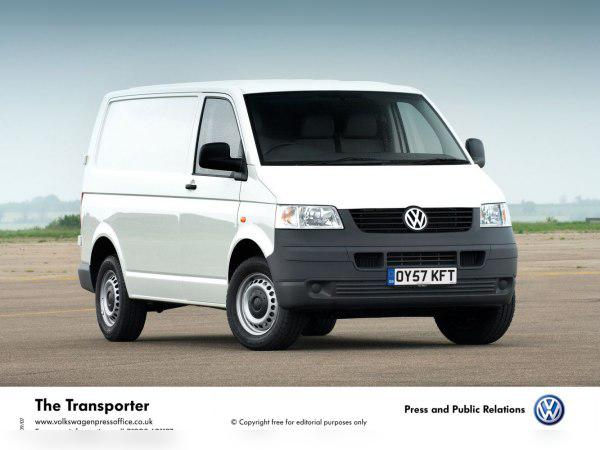
When you put a commercial vehicle, a van and a 3.2‑liter V6 petrol engine in the same sentence, it’s clear you’re dealing with a very specific beast. The engine code BKK, which belongs to the well‑known EA390 engine family, is in fact the recognizable Volkswagen VR6 – a narrow‑angle V6 configuration with all cylinders under a single cylinder head. It was installed mainly in the Volkswagen T5 generation (Caravelle, Multivan and Transporter), bringing sedan‑like performance to a body weighing over two tons. This engine is sought after by enthusiasts, VIP shuttle operators and those who cover huge motorway mileages, but it requires a deeper pocket and a clear understanding of what this kind of horsepower brings with it in terms of running costs.
Technical specifications
| Parameter | Specification |
|---|---|
| Displacement | 3189 cc |
| Power | 173 kW (235 hp) |
| Torque | 315 Nm |
| Engine codes | BKK (EA390 family) |
| Injection type | MPI (Multi‑point port injection) |
| Aspiration | Naturally aspirated engine |
Reliability and maintenance
Chain instead of belt
This 3.2 V6 engine uses a timing chain, not a timing belt. The peculiarity of this VR6 design is that the chain is located at the rear of the engine, towards the firewall and gearbox. This means that to replace the chain you need to remove the engine or take down the gearbox, which massively increases labor costs.
Most common failures and services
Although the block and head mechanics are “bulletproof”, the most common failure is precisely timing chain stretch and deterioration of the plastic guides. If ignored, the chain can jump a tooth and destroy the valves. In addition, the ignition coils tend to fail due to the heat this large engine generates in a small engine bay, and issues with the oil vapor separator (PCV valve) are also common, leading to rough idle and increased oil consumption.
Since it uses a chain, there is no major service in the classic sense with a fixed interval. However, in practice the chain usually starts rattling between 150,000 and 200,000 km, which is when the complete timing set is typically replaced.
Oil and spark plugs
The engine takes about 5.5 to 6.0 liters of oil (depending on the exact year and oil pan design). Fully synthetic oil of grade 5W‑30 or 5W‑40 (with VW 502.00 or 504.00 approval) is recommended. These engines do consume oil, and that is factory‑specified as normal. The tolerance is up to 0.5 liters per 1,000 km, but healthy engines in practice use around 1 to 1.5 liters between two minor services (every 10,000 to 15,000 km). If it consumes significantly more, the problem is most likely the aforementioned PCV valve or worn valve stem seals.
Since this is a petrol engine, spark plugs should be replaced every 60,000 km. Do not postpone this service, as bad spark plugs directly fry the sensitive and expensive coils on this model.
Specific parts and costs
Clutch and flywheel
Yes, versions with a manual gearbox have a dual‑mass flywheel, which serves to absorb vibrations and the high torque of 315 Nm. Replacing it together with the clutch kit is very expensive (depends on the market). Models with an automatic gearbox do not have a dual‑mass flywheel, but use a hydraulic torque converter instead.
Injection, turbo and emissions
This BKK engine uses classic MPI (Multi‑Point Injection). The injectors are extremely reliable, not exposed to the huge pressures found in FSI/TSI systems, and rarely fail. If a problem does occur, ultrasonic cleaning is usually enough, which is not expensive.
The engine is naturally aspirated, which means it does not have a turbocharger (or two). This is a huge advantage for reliability and drastically reduces the risk of costly failures. Also, since it is an older‑generation pure petrol engine, it has no DPF filter and no AdBlue system to give you headaches. It does have an EGR system whose passages can gradually clog with soot, but nowhere near as dramatically as on diesels.
Fuel consumption and performance
Consumption and body weight
Let’s be honest: driving this vehicle is a luxury at the fuel station. In city driving, real‑world consumption is between 16 and 20 l/100 km. If the vehicle is equipped with 4MOTION all‑wheel drive or the old Tiptronic gearbox, combined with stop‑and‑go traffic, the fuel gauge drops visibly before your eyes.
But is the engine “lazy”? With 235 hp and 315 Nm, this unit handles the heavy T5 chassis with ease. Don’t expect the punch of a light sports car – with a weight of over 2 tons, acceleration is progressive rather than brutal. However, on uphill stretches under full load with 7 passengers, the engine will barely break a sweat.
Motorway driving
On the motorway this V6 really shines. It is very smooth and quiet. At 130 km/h it cruises at a relaxed 2,800 – 3,000 rpm (depending on gearbox type). In these conditions, fuel consumption can drop to around 11 to 13 l/100 km.
Additional options and modifications
LPG – your best friend
Thanks to the aforementioned MPI injection, this engine is more than suitable for a sequential LPG system. In fact, most of these models on European roads already run on gas. Installation is relatively straightforward, the engine handles LPG brilliantly, and the fuel savings are such that a quality system pays for itself within just several tens of thousands of kilometers.
Chip tuning? Don’t waste your money.
When it comes to “chipping” (Stage 1), my advice is – forget it. Because the engine is naturally aspirated (there is no turbo whose boost you could raise via software), a remap will give you at most 10 to 15 hp. You absolutely won’t feel that in a van that weighs like a small tank. Save that money for quality oil and proper maintenance of the automatic gearbox.
Gearbox and drivetrain
Types of gearboxes and failures
In the T5 series this engine usually comes with two gearbox options: a 6‑speed manual and a 6‑speed Tiptronic (a conventional torque‑converter automatic, not to be confused with the later DSG). Power is sent to the front or all four wheels via a Haldex coupling (4MOTION).
With the manual gearboxes there are no major mechanical weak points, apart of course from wear of the dual‑mass flywheel due to the vehicle’s weight (replacement cost, as mentioned: very high, depending on the market).
On the other hand, the Tiptronic automatic gearbox (Aisin) is known for problems with the valve body (mechatronics) if the oil has not been changed on time. Symptoms are harsh shifts (especially from 3rd to 2nd gear or from D to R when the gearbox is hot). Overhauling this gearbox is very expensive (depends on the market).
Service intervals for the drivetrain
The oil in the automatic gearbox must, without exception, be changed every 60,000 km. If the vehicle is 4MOTION, the oil in the Haldex coupling also needs to be replaced at the same interval. In the manual gearbox, it is recommended to refresh the oil every 100,000 km.
Buying used and conclusion
What to check before handing over the money?
When inspecting this model with the 3.2 V6 engine, keep your eyes and ears wide open:
- Sound test (cold start): The engine must be completely cold. Listen carefully to the rear of the engine immediately after cranking. If you hear a metallic “rattle” or knocking that lasts a few seconds and then disappears, the timing chain is due for replacement. Factor that cost in before negotiating the price.
- Automatic gearbox behavior: The gearbox must shift smoothly both when cold and when the oil is fully warmed up (after half an hour of city driving). Any kick in the back is a sign of a dead valve body.
- Diagnostics: Reading “misfire” codes usually points to dead coils or bad spark plugs, and VCDS (diagnostics for the VW group) can also read camshaft angle deviations, which unmistakably indicate a stretched chain.
- Oil traces: Check the valve cover. Due to engine temperature, the gaskets tend to harden and leak, which is not expensive to fix, but can dirty the engine and cause a burning‑oil smell in the cabin as it drips onto the exhaust manifold.
Who is this vehicle for?
The Volkswagen T5 with the 3.2 V6 engine is not a vehicle for running parcel deliveries around town, nor for those who stress over every fuel price increase. This is a vehicle for people who want top‑class comfort, an incredible exhaust soundtrack and effortless power when cruising fully loaded. With a properly installed, high‑quality LPG system it becomes a far more cost‑effective machine, and the absence of a turbo, DPF and high‑pressure injectors makes it an incredibly tough workhorse – provided the previous owner took good care of it.