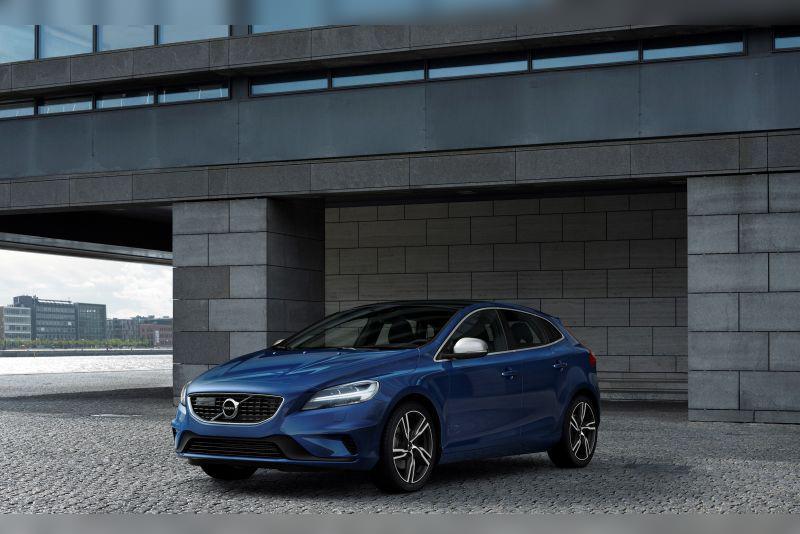
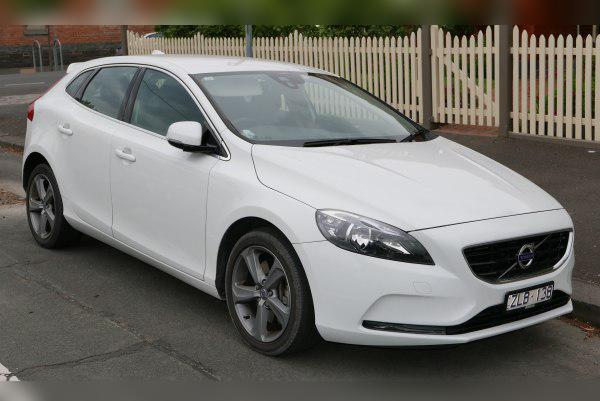
Volvo 2.0 T5 (B4204T11) engine: Experiences, issues, fuel consumption and used-car buying tips
- The engine belongs to the Drive-E (VEA) generation, offering an excellent 245 hp and strong torque of 350 Nm.
- The main weakness of early series (2013–2016) is high oil consumption due to poorly designed piston rings.
- Unlike older engines, this model uses a timing belt.
- It has direct petrol injection, which requires high-quality fuel and occasional cleaning of intake valves from carbon buildup.
- It is mostly paired with the reliable Aisin 8-speed automatic transmission, which requires regular oil changes.
- LPG installation is technically possible, but very expensive and not cost-effective for the average driver.
Contents
- Introduction: A new era of Volvo engines
- Technical specifications
- Reliability and maintenance
- Specific parts and failures
- Fuel consumption and performance
- Additional options and modifications
- Transmission and drivetrain
- Buying used and conclusion
Introduction: A new era of Volvo engines
When Volvo decided to retire its famous inline five- and six-cylinder engines, the VEA (Volvo Engine Architecture) family was born, better known under the commercial name Drive-E. The engine designated B4204T11 is a 2.0-liter four-cylinder turbo petrol unit carrying the T5 badge. It was widely installed from 2013 in models such as the V40, S60, V60, S80, as well as heavier SUV and Cross Country vehicles like the XC60 and XC70. The engineers’ goal was to get performance equivalent to the old six-cylinder from a lighter and smaller block, with lower fuel consumption. However, the transition to this architecture also brought certain teething problems that every used-car buyer needs to be aware of.
Technical specifications
| Specification | Data |
|---|---|
| Engine displacement | 1969 cc |
| Power | 180 kW (245 hp) |
| Torque | 350 Nm |
| Engine code | B4204T11 |
| Injection type | Direct injection (GDI) |
| Forced induction | Turbocharger with intercooler |
Reliability and maintenance
Does this engine have a timing belt or a chain?
Unlike many competitors that use a chain, the Volvo B4204T11 uses a timing belt. The belt is generally reliable and quieter than a chain, but it does not tolerate extending the replacement interval.
At what mileage should the major service be done?
The factory interval for the major service (replacement of timing belt, tensioner, idler pulleys and water pump) is set rather optimistically, but in practice it is safest to do it between 120,000 and 150,000 km, or every 7 to 8 years. A snapped belt leads to total engine failure (valves hitting pistons), and repairs are very expensive (depends on the market).
What are the most common failures on this engine?
The biggest and most serious problem of the early VEA generation (production up to 2016) is oil consumption. The cause lies in the design of the piston rings. Over time, the oil control rings get clogged with dirt and carbon deposits, stop scraping oil off the cylinder walls, and the engine starts burning oil. The solution is to replace pistons and rings, which falls into the category of: very expensive (depends on the market). In addition, there are frequent issues with the PCV valve (oil vapor separator). When it fails, crankcase pressure rises, which can cause oil leaks at the crankshaft seals.
How many liters of oil does this engine take and which grade is recommended?
The lubrication system requires about 5.9 liters of engine oil (capacity may vary slightly depending on the shape of the oil pan on AWD models). Volvo strictly recommends 0W-20 oil that meets the Volvo VCC RBS0-2AE specification. This thin oil is crucial for proper operation of the variable valve timing (VVT) system and for reducing friction, so you must not pour thicker oil “on your own” to mask oil consumption.
Does it consume oil between services and what amount is considered normal?
A healthy and revised engine should not consume more than 0.5 liters per 10,000 km. However, if the engine has the aforementioned ring problem, consumption can reach an alarming 1 liter per 1000 km. This is a red flag and requires opening the block.
At what mileage should the spark plugs be replaced?
Since this is a high-performance turbo petrol engine with direct injection, the spark plugs are under heavy load. The replacement interval is at 60,000 km. Annoying hesitation under throttle while driving is often a symptom of worn spark plugs or ignition coils.
Specific parts and failures
What kind of injection system does it have and are the injectors problematic?
The B4204T11 uses high-pressure direct fuel injection (GDI). The injectors themselves rarely fail, but the high-pressure fuel pump (HPFP) can sometimes show signs of weakness at higher mileage. Symptoms include long cranking when starting cold and loss of power. The main downside of direct injection is carbon buildup on the intake valves, because petrol no longer washes the valves. After 100,000 km, the engine can become rough at idle, and the solution is mechanical valve cleaning (the so-called “walnut blasting”).
Does the engine have a turbocharger and what is its lifespan?
The engine has a single turbocharger (twin-scroll technology). The turbo is reliable and its lifespan generally follows that of the engine itself, often exceeding 200,000–250,000 km, provided that oil is changed regularly, the engine is never run low on oil (due to ring issues), and the rule of cooling the turbo after spirited driving is respected.
DPF, EGR and AdBlue system?
Since this is a pure petrol engine, it does not have a DPF filter, nor does it use AdBlue fluid. An EGR valve (exhaust gas recirculation) is present to reduce combustion temperature and NOx emissions, but it clogs far less often compared to diesel engines.
Fuel consumption and performance
What is the real-world fuel consumption in city driving?
Do not expect diesel-like economy. In heavy stop-and-go city traffic, consumption ranges from 10 to 13 l/100 km. In heavier vehicles such as the XC60 or XC70 with AWD, this figure easily exceeds 13 liters in winter.
Is this engine “lazy” for the weight of the cars it is installed in?
Absolutely not. With 245 hp and as much as 350 Nm of torque available from around 1500 rpm, the engine offers fantastic acceleration. Even in the massive XC70 estate, overtaking is done effortlessly and without stress.
How does the engine behave on the motorway and at what rpm does it cruise at 130 km/h?
This engine is made for long journeys. Paired with the 8-speed automatic, at 130 km/h it cruises at a very relaxed ~2000–2200 rpm (depending on the exact gear ratio and model). At those speeds, cabin noise is minimal and fuel consumption drops to a respectable 7.5 to 9 l/100 km.
Additional options and modifications
Is this engine suitable for LPG conversion?
In short: It is not recommended. Due to the direct injection system, installation of a classic sequential LPG kit is not possible. Specialized systems are required that also inject a certain percentage of petrol to cool the injectors, or extremely expensive liquid-phase LPG injection systems. The cost of such an installation is very high (depends on the market) and the payback period is too long.
How far can this engine be safely tuned (Stage 1)?
Volvo engines are traditionally robust. Without hardware changes (software-only ECU optimization – Stage 1), this T5 engine can safely be taken to 280 to 300 hp and over 400 Nm of torque. The engine handles this increase very well, but the transmission will require more frequent servicing due to the higher load.
Transmission: manual and automatic
Which transmissions are used and what are the most common failures?
For the B4204T11 engine, manual transmissions are extremely rare. The vast majority of models on this list are equipped with the Aisin TG-81SC 8-speed automatic transmission (commercially called Geartronic). Some early 2013 models may have older 6-speed variants, but the 8-speed is standard for VEA engines.
The main cause of failures in the automatic is neglecting oil changes. If the oil is not changed, metal particles clog the valve body (mechatronics), which results in harsh “thumps” when shifting from P to D or R, or delayed gear changes. Valve body repair is expensive, and a full transmission overhaul is very expensive (depends on the market).
Does this model have a dual-mass flywheel and how much does clutch replacement cost?
Since the Aisin 8-speed uses a traditional torque converter, there is no conventional dual-mass flywheel or clutch set as found in manual gearboxes or DSG transmissions. The torque converter is durable, but if it starts leaking or slipping, it will need to be overhauled.
At what mileage should the transmission be serviced and the oil changed?
Although Volvo once claimed that the transmission oil is “lifetime”, all serious specialists and the transmission manufacturer Aisin itself recommend changing the oil every 60,000 to 80,000 km. It is best to perform a full fluid exchange with a machine in order to remove all of the old oil from the torque converter.
Buying used and conclusion
What exactly should be checked before buying?
- Oil consumption history: The most critical point. Be sure to check with an authorized dealer whether the car has undergone piston/ring replacement under warranty or recall. If not (and the car is a 2013–2016 model year), be prepared for that expense.
- Bluish smoke from the exhaust: Have the seller start the car cold while you stand behind it. Any trace of blue smoke indicates engine oil burning (rings or, less often, valve stem seals/turbo).
- Idle quality: Open the hood and listen to the engine. Rattling from the area of the valve cover may indicate a VVT system issue. Noticeable vibrations point to clogged injectors, worn spark plugs or carbon deposits on the valves.
- Gear shifting: On the test drive, the car must shift up and down perfectly smoothly. Come to a stop, shift into D, wait, then into R. If the car jerks harshly during these changes, the valve body in the transmission is due for overhaul.
Who is this engine for?
The Volvo 2.0 T5 (B4204T11) with 245 hp is a fantastic choice for drivers who want a premium feel, safety and top performance on the open road, but are wary of modern diesel engines and their DPF/EGR complications. However, it is not ideal for strictly urban driving due to its high petrol consumption. Its main drawback, oil consumption on older models, must be taken very seriously. Conclusion: Purchase is recommended if you find an example with a complete service history where the ring issue has already been resolved, or a newer example where this problem was eliminated at the factory.