Volvo B420T2 Engine (2.0 B5 250 HP) – Experiences, issues, fuel consumption and used-car buying tips
- Two-liter turbo petrol engine from the VEA family, upgraded with a 48V mild hybrid system that assists during take-off and reduces fuel consumption.
- The engine uses a timing belt. Although the factory prescribes long replacement intervals, the major service should definitely be done earlier.
- There is no conventional dual-mass flywheel because it comes exclusively with an Aisin automatic transmission (hydraulic torque converter).
- Extremely sensitive to oil quality – only strictly 0W-20 grade is allowed.
- It has direct injection and a GPF filter (gasoline particulate filter), which makes it less tolerant of exclusively short city trips.
- LPG (autogas) installation is technically too complicated and completely uneconomical.
- Excellent highway cruiser, but in heavy SUV models (such as the XC90) it can have quite high fuel consumption in city driving.
Contents
- Introduction: Get to know the Volvo B420T2
- Technical specifications
- Reliability, maintenance and common failures
- Specific components and systems
- Real-world fuel consumption and performance
- LPG and Chiptuning
- Transmission and power delivery
- Buying used and Conclusion
Introduction: Get to know the Volvo B420T2
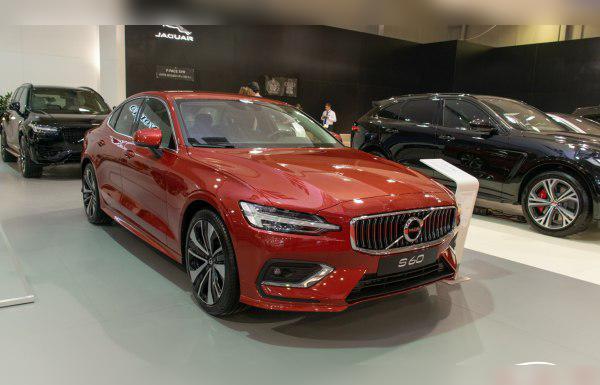
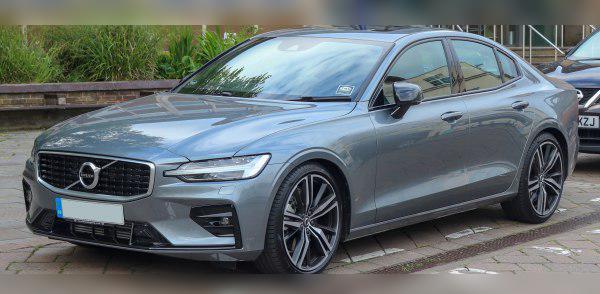
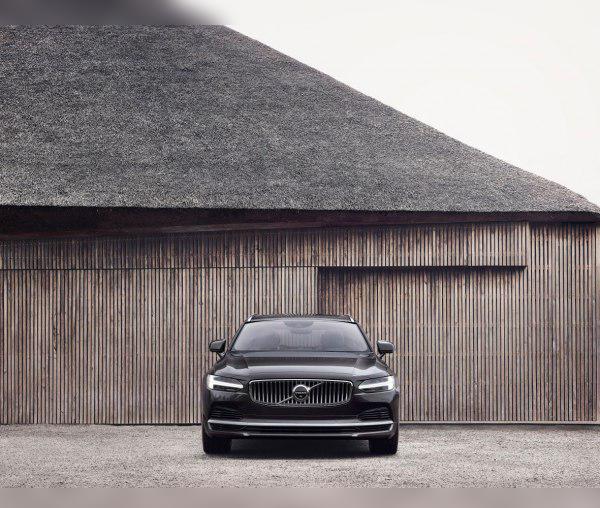
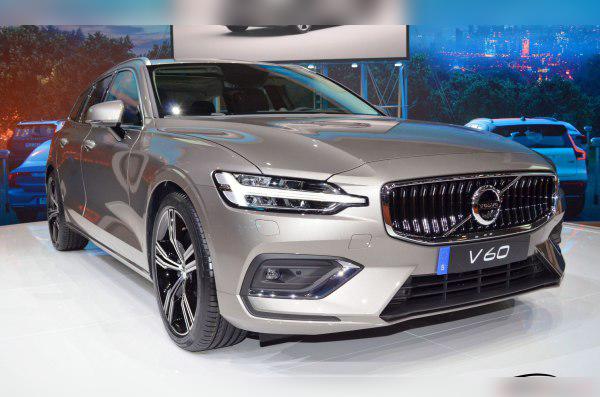
If you are looking at newer generations of Volvo vehicles – from the agile XC40, through the elegant S60 and V60, all the way to the massive XC90 – there is a good chance you will come across the B5 badge. Behind the code B420T2 is a two-liter petrol engine from the modern VEA (Volvo Engine Architecture) family. Volvo transitioned from the "T" designations (such as T5) to "B" designations to mark the implementation of the Mild Hybrid system.
This system uses an Integrated Starter Generator (ISG) and a 48-volt battery. Its purpose is not to drive the car purely on electricity, but to relieve the petrol engine when taking off from a standstill, enable smoother Start-Stop operation and reduce emissions. The result is an extremely refined 250 HP engine that provides a premium driving feel.
Technical specifications
| Specification | Data |
|---|---|
| Displacement | 1969 cc |
| Engine power | 184 kW (250 HP) |
| Torque | 350 Nm |
| Engine code | B420T2 |
| Injection type | Direct gasoline injection (GDI) |
| Assistance | Turbocharger (intercooler) + 48V Mild Hybrid ISG |
Reliability, maintenance and common failures
Does this engine have a timing belt or a chain?
The B420T2 engine uses a timing belt. With the entire VEA series, Volvo decided to keep the belt because of quieter engine operation and reduced vibrations. Although the factory often prescribes optimistic replacement intervals (sometimes up to 240,000 km or 10 years), in practice this has proven to be too big a risk. A major service is strongly recommended at a maximum of 150,000 km or every 7 years. A snapped belt leads to total engine failure, with valves hitting the pistons (so-called "contact" engine), which is an extremely expensive repair.
What are the most common issues with this engine?
Unlike the very first 2.0 VEA engines from 2014/2015, which suffered from poor piston rings and massive oil consumption, the newer B-series has largely overcome those early teething problems. However, the following specifics and failures are still present:
- Carbon build-up on intake valves: Due to direct injection, fuel does not wash over the intake valves. Over time, carbon deposits build up, causing rough idle and loss of performance. Cleaning (walnut blasting) is recommended at around 100,000 – 150,000 km.
- Software bugs in the hybrid system: Fault codes related to the 48V system are often reported. In most cases this is resolved with a software update at an authorized dealer, but if the ISG unit or the 48V battery itself fails, replacement is very expensive (depends on market).
- PCV valve (oil separator): The membrane inside the separator can tear. Symptoms include a "whistling" noise from the engine bay and fault codes due to excessive vacuum in the engine block.
Engine oil and oil consumption
This engine takes about 5.6 to 6.0 liters of oil (depending on the exact sump and drivetrain version). The oil grade must strictly be 0W-20 with Volvo VCC RBS0-2AE specification. Using "any" 0W-20 or a thicker oil will quickly destroy the variable valve timing (VVT) system and the turbocharger. As for oil consumption, newer-generation engines are stable. A loss of 0.2 to 0.5 liters per 5,000 km is considered completely normal, especially if the car is driven harder on the highway. The recommended oil change interval is 15,000 km or once a year.
At what mileage should the spark plugs be replaced?
Since this is a high-performance turbocharged direct-injection petrol engine, the spark plugs are under huge thermal stress. The replacement interval is usually set at 60,000 km. If this interval is ignored, arcing can damage the ignition coils, which creates additional and unnecessary expense, along with engine misfires under acceleration.
Specific components and systems
Does the engine have a dual-mass flywheel and clutch?
This specific version of the B420T2 engine is supplied in modern Volvo models exclusively with an automatic transmission. Therefore, it does not have a conventional dual-mass flywheel and clutch set as in manual gearboxes, but uses a hydraulic torque converter. More on the transmission in the section below.
Fuel injection system and turbocharger
The injection system is direct, operating at very high pressure. The injectors themselves are reliable, but require clean fuel. If you use poor-quality gasoline, the injectors will clog; the first symptoms are hard starting and slight shuddering when the engine is cold.
As for the turbocharger, it is a reliable twin-scroll unit. The turbo’s lifespan easily exceeds 200,000 km if you follow the rule of regular oil changes (0W-20) and if the driver has the habit, after spirited driving, of letting the engine idle for about 30 seconds to allow the turbo to cool down.
Does this model have DPF, EGR and AdBlue?
Although it is a petrol engine, due to strict emission standards (Euro 6d), this engine does have an EGR valve and is equipped with a particulate filter – but in petrol engines it is called a GPF (Gasoline Particulate Filter) or OPF. GPFs clog less often than diesel DPFs because exhaust temperatures are much higher on petrol engines, but if you drive the car 90% of the time in stop‑and‑go traffic on very short trips, the system will not be able to regenerate. The engine can go into limp mode (reduced power) and illuminate the check engine light.
The AdBlue system is not present on this engine, as it is used exclusively for NOx treatment on diesel engines.
Real-world fuel consumption and performance
Is this engine "lazy"?
This depends heavily on the body style. In S60, V60 or XC40 models, 250 HP and 350 Nm make the car very dynamic and quick. The electric motor (ISG) fills in the turbo lag at low revs, so the car responds instantly to throttle input. However, in the massive XC90, which weighs over two tons, this engine has to rev quite high to deliver sporty performance. It is not lazy – overtaking will be safe – but do not expect brutal shove into the seat in the largest SUV models.
What is the real fuel consumption?
The mild hybrid system helps most with smooth engine shut-off and restart at traffic lights, but physics cannot be cheated:
- S60 / V60: In city driving they consume between 8 and 10 l/100 km.
- XC60: City consumption rises to around 10 to 11 l/100 km.
- XC90: In heavy urban conditions expect 11.5 to 13 l/100 km.
Additional options and modifications
LPG (autogas) conversion
The car editor’s short and clear answer: Do not even consider installing LPG on this engine. High-pressure direct injection, high compression, sensitive GDI injectors, complex engine software and the 48‑volt mild hybrid system make LPG conversion a technical nightmare. Systems for direct injection do exist, but they are very expensive (depends on market) and in the long run tend to cause check-engine lights and burnt valves. This car is meant to run on petrol.
Chiptuning (Stage 1)
This engine block is quite robust, as Volvo uses it in various versions (previously even over 300+ HP with both supercharger and turbo). A safe Stage 1 remap on the B420T2 engine usually raises power to around 280 to 300 HP and torque to over 400 Nm. Volvo itself offers a factory Polestar Engineered software upgrade that optimizes throttle response and gearbox behavior without voiding the warranty. It should be noted that excessive torque increase through aggressive tuning can seriously shorten the life of the automatic transmission.
Transmission: maintenance and failures
Which transmission is used?
You will not find a manual gearbox paired with the B420T2 engine. The drivetrain is offered in FWD (front-wheel drive) or AWD (all-wheel drive) versions, always in combination with an Aisin 8-speed automatic transmission (known in Volvo terminology as Geartronic).
Most common issues and transmission maintenance
Japanese-made Aisin transmissions are widely known as very robust and reliable, but under one condition – the oil must be changed. In some older manuals, Volvo mentions that the transmission oil is lifetime ("sealed for life"), which from a mechanical standpoint is pure myth.
If the oil is not replaced, metal particles from clutch wear accumulate in the transmission, the oil thickens and clogs the channels in the valve body. Symptoms include: a harsh jolt when shifting from P to R or D, and "flaring" revs when shifting from second to third gear.
Recommendation: Mandatory transmission oil change every 60,000 to 80,000 km using the machine flush (dynamic oil change) method. If the transmission fails, overhauling the valve body or torque converter is expensive to very expensive (depends on market).
Buying used and Conclusion
What exactly should you check before buying?
When inspecting a Volvo with the B420T2 engine, pay attention to the following:
- Cold start: The engine must run smoothly when started. If you hear rattling from the timing area (belt, rollers) before the engine warms up, a major service is needed.
- Diagnostics (DICE/VIDA system is a must): Because of the mild hybrid system, generic diagnostic tools will not see everything. You must check voltage drop on the 48V battery and the status of the ISG.
- Oil condition: Pull the dipstick or check the service history. If 5W-30 was used instead of 0W-20, walk away from that car, as the components have already been subjected to increased friction.
- Transmission behavior: While the car is stationary with the brake pedal pressed, move the shifter through P, R, N and D. Any noticeable "thump" through the body indicates a transmission problem.
Who is this engine intended for?
The B420T2 (B5) is an excellent, modern and refined engine. Its main advantages are quietness, power and the high level of active safety that this power provides during overtaking. It is intended for drivers who cover around 15,000 to 20,000 km per year, combine city driving with frequent trips on open roads, and do not want the headaches associated with diesel DPF filters and AdBlue systems. However, if you are looking for maximum fuel economy for city driving in a huge SUV such as the XC90, you must be prepared for double-digit petrol consumption, or opt for a diesel alternative (B5 Mild Hybrid Diesel).