Volvo 2.4 20V (170 hp) B5244S – Experiences, issues, fuel consumption and used-car buying tips
In short (TL;DR)
- Extremely durable old-school naturally aspirated five-cylinder petrol engine.
- No turbo, expensive injectors, DPF, or sensitive peripherals, which drastically reduces maintenance costs.
- The timing system uses a timing belt that requires regular major service.
- The main weak points are the PCV system (crankcase ventilation) and the electronic throttle body on older models.
- City fuel consumption is high, but the engine is ideal for LPG (autogas) conversion.
- Versions with automatic transmission require a strict check of the transmission oil change history.
Contents
- Introduction: The five-cylinder legend
- Technical specifications
- Reliability, maintenance and common failures
- Specific parts and costs
- Fuel consumption and performance
- LPG and remapping
- Gearbox and drivetrain
- Buying used and conclusion
Introduction: The five-cylinder legend
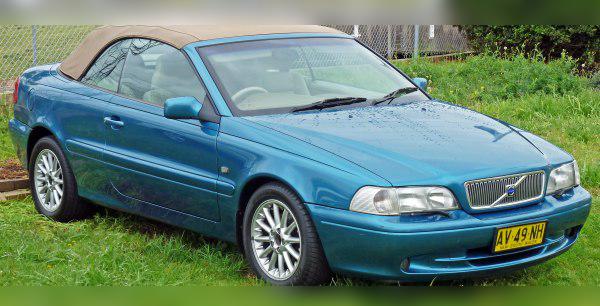
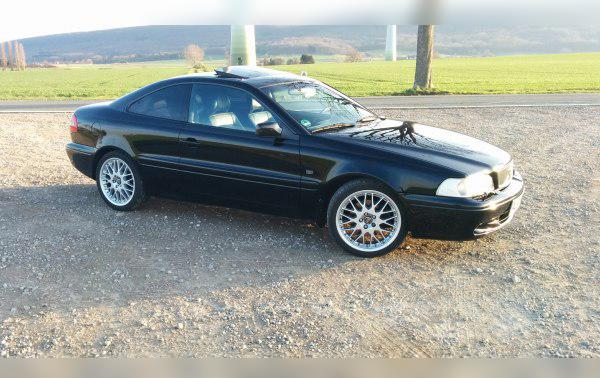
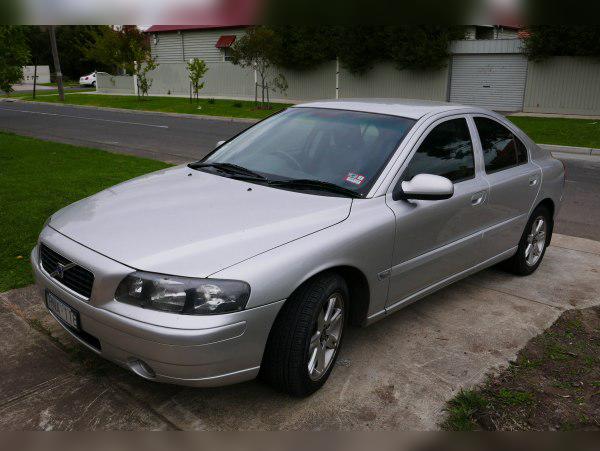
The engine designated B5244S is the very heart of Volvo’s famous modular engine architecture. This inline five-cylinder 2.4‑liter petrol engine with 170 horsepower was installed in a wide range of models, from heavy saloons and estates (Volvo S80, V70, S60) to elegant coupés and convertibles (Volvo C70). The sound of this engine is distinctive, and its engineering foundation was designed to cover hundreds of thousands of kilometers without opening the block. If you are looking for an engine that was designed before the era of aggressive downsizing, you are in the right place.
Technical specifications
| Parameter | Data |
|---|---|
| Engine displacement | 2435 cc |
| Power | 125 kW (170 hp) |
| Torque | 230 Nm |
| Engine code | B5244S |
| Injection type | Indirect (Multi-Point Injection - MPI) |
| Aspiration | Naturally aspirated |
Reliability, maintenance and common failures
This unit is among the most reliable engines the industry produced in the late nineties and early 2000s. Still, maintenance must not be neglected.
Timing belt and major service
This engine has a timing belt, not a chain. The factory interval for the major service (replacement of the timing belt, tensioner, idler pulleys and water pump) is usually 150,000 km or 10 years. However, experienced mechanics always recommend shortening this interval to 120,000 km for safety. A snapped belt leads to catastrophic contact between valves and pistons.
Oil and oil consumption
The sump holds between 5.5 and 5.8 liters of oil. The recommended viscosity is 5W-30 or 5W-40, with mandatory compliance with ACEA A3/B4 specifications. As for oil consumption, it is perfectly normal for this engine to use about 0.3 to 0.5 liters per 10,000 km. If consumption rises drastically, the problem usually lies in hardened valve stem seals or a clogged PCV system that builds pressure in the crankcase and forces oil out through the seals.
Most common failures
Although robust, the B5244S has a few specific weaknesses you should pay attention to:
- PCV system (crankcase ventilation): This is by far the most common issue. The channels and the “separator” (oil trap) gradually clog up with deposits from old oil. Symptom: when the engine is idling, pull out the dipstick and if you see smoke or feel strong pressure blowing out, the PCV is clogged. The repair is not very expensive, but it is labor-intensive because the intake manifold has to be removed.
- Electronic throttle module (ETM): On models produced between 1999 and 2002, the Magneti Marelli throttle body is very problematic. Symptoms include fluctuating idle speed, stalling and reduced power. Later models (from 2003 onwards) use Bosch throttle bodies which are incomparably more reliable. ETM refurbishment is expensive (depends on the market).
- VVT pulley (variable valve timing): The camshaft gear can develop play and start leaking oil. You will recognize the problem by a specific “hammering” and rattling noise when starting a cold engine.
Ignition service (spark plugs)
Since this is a classic petrol engine, a strong spark is crucial. Spark plugs should be replaced every 60,000 km. It is recommended to use only original or high-quality aftermarket plugs (NGK, Bosch, Denso), because the sensitive coil packs (one per cylinder) can easily burn out if the plugs are not replaced on time.
Specific parts and costs
What makes this engine attractive on the used market today is precisely what it lacks compared to modern vehicles.
Injection and peripherals
The injection system is usually indirect MPI (Multi-Point Injection) into the intake manifold. The petrol injectors are extremely robust, they almost never fail, and even when there are issues due to dirt, ultrasonic cleaning solves the problem and is very cheap. There is no complex high-pressure injection.
Turbo, DPF, EGR and AdBlue
The engine is naturally aspirated, which means it has no turbocharger or intercooler. You do not have to worry about turbo overhauls. Being a petrol engine, it does not have a DPF filter or AdBlue system, so those expensive headaches are reserved for its diesel siblings (D5 engines). Due to the way valve timing is controlled (VVT), the engine also does not have a classic external EGR valve that would constantly clog up with soot.
Fuel consumption and performance
If you are looking for a car for cheap everyday stop‑and‑go city driving, this is not the engine for you.
- City driving: Considering that models like the S80, V70 and S60 are fairly heavy cars (from 1.5 to 1.7 tons), combined with the 2.4‑liter displacement, you should expect real-world city consumption between 11 and 14 liters per 100 km. With an automatic transmission, that figure tends to be closer to the upper end.
- Performance and “sluggishness”: The engine produces 170 hp, but as a naturally aspirated unit its 230 Nm of torque is available only at higher revs (around 4500 rpm). Because of this, it can feel a bit “lazy” at low revs compared to modern turbo engines. To accelerate briskly, you have to rev it high, where it rewards you with a fantastic five‑cylinder soundtrack.
- On the motorway: This is its natural habitat. The engine is a fantastic cruiser. At 130 km/h it usually spins at around 3000–3200 rpm (depending on the gearbox). Under these conditions it is quiet and relaxed, and fuel consumption drops to a very acceptable 7.5 to 8.5 l/100 km.
LPG and remapping
LPG conversion
If city fuel consumption scares you, the good news is that this engine is absolutely perfect for a sequential LPG (autogas) system. Indirect injection means that installation is neither complicated nor expensive, and the engine tolerates LPG without damaging the valves. You will recoup the investment very quickly through the fuel price difference.
Remapping (Stage 1)
Plain and simple: don’t waste your money. On a naturally aspirated 170 hp petrol engine, a Stage 1 remap yields at most 5 to 8 hp, which you will not feel in real driving. (Note: There is a detuned 140 hp version of this engine that can be “unlocked” to 170 hp by remapping, but since you are already considering the 170 hp version, it is already set to its safe factory maximum).
Gearbox and drivetrain
The B5244S engine is usually paired with a five-speed manual gearbox (M56) or a five-speed Aisin automatic (AW55‑50SN/51SN).
Manual gearbox and dual-mass flywheel
The M56 manual gearbox is practically indestructible. However, it is important to note that these models have a dual-mass flywheel. Replacing the complete clutch kit and dual-mass flywheel is expensive (depends on the market). Still, the dual-mass flywheel on petrol engines is subjected to far fewer vibrations and shocks than on diesels, so it lasts significantly longer (often over 250,000 km). It is recommended to change the oil in the manual gearbox every 100,000 km as a preventive measure.
Automatic gearbox
The Aisin automatic is generally reliable, but extremely sensitive to oil quality and age. The most common failures are related to the valve body. Symptoms of a worn automatic include rough operation, harsh shifts (noticeable “jerks”) when changing from 2nd to 3rd gear, and jolts when you move the lever from “P” to “D” or “R”. To keep it alive, the oil in the automatic transmission MUST be changed regularly every 60,000 km using the flush method, not just by draining a third of the oil from the transmission pan.
Buying used and conclusion
When inspecting a used car with the 2.4 B5244S engine, make sure you do the following:
- Test the PCV system: With the engine warm and idling, pull out the dipstick or place a simple rubber glove (or a piece of paper) over the oil filler opening. If the glove inflates, the PCV is clogged. If it is slightly sucked in, the system is working properly.
- Listen to the engine when cold: Rattling from the right-hand side of the engine (near the belts) indicates a tired VVT pulley.
- Drive the automatic until it warms up: Aisin gearboxes usually show valve body issues only when the transmission oil is fully warmed up. Drive it for at least 20 minutes in city stop‑and‑go traffic and watch for harsh shifts.
- Check the ETM throttle body (on models up to 2002): Look at the sticker under the intake manifold on the throttle body. If it has a yellow label, it means it has been replaced (which is good news). If it is the original white Magneti Marelli label, failure is only a matter of time.
Who is this engine for?
This engine is for a driver who appreciates a superb sound, exceptional longevity and smooth operation, and does not mind a somewhat higher fuel bill (or is willing to install a quality LPG system). Its maintenance requires some knowledge, but the absence of turbos and high-pressure injectors makes it a much cheaper and safer choice compared to modern equivalents on the used market. You buy a Volvo with this engine to drive it comfortably on the motorway for the next ten years.