Volvo 2.4 B5244S2 (140 hp): Ownership impressions, issues, fuel consumption and used-buying tips
Key points in brief (TL;DR)
- Exceptional longevity: One of the most reliable old-school Volvo “modular” inline five-cylinder engines. With regular maintenance it can cover very high mileages.
- Non‑turbo engine: Naturally aspirated petrol, which means no expensive failures on the turbo, intercooler, DPF filter or systems like AdBlue.
- Higher fuel consumption: In city driving it easily goes over 12 liters per 100 km, which makes it an ideal candidate for LPG conversion.
- Hidden potential: This engine is a software‑restricted version of the 170 hp unit, so with a simple remap the power can easily be brought back to the factory maximum.
- Critical points: Clogged oil separator (PCV system) and problematic throttle body (ETM) on older model years.
- Automatic gearboxes need attention: Aisin five‑speed automatics require regular oil changes; otherwise an expensive valve body overhaul awaits.
Contents
- Introduction and engine origins
- Technical specifications
- Reliability, maintenance and common failures
- Specific components and fuel injection system
- Fuel consumption and performance
- LPG and remapping potential
- Transmissions, clutch and dual‑mass flywheel
- Buying used and conclusion
Introduction and engine origins
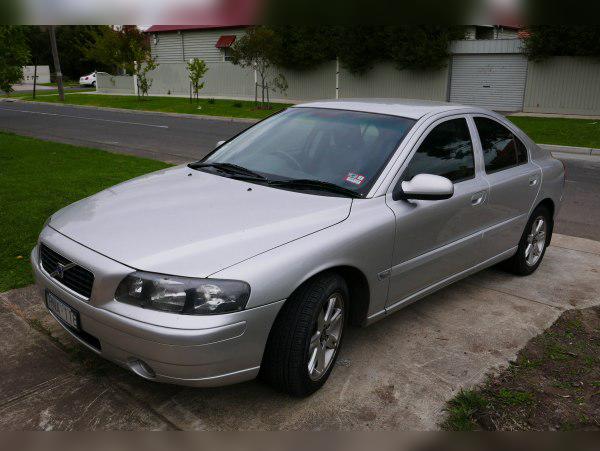
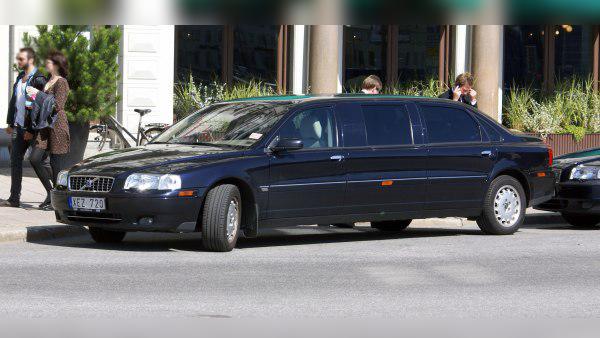
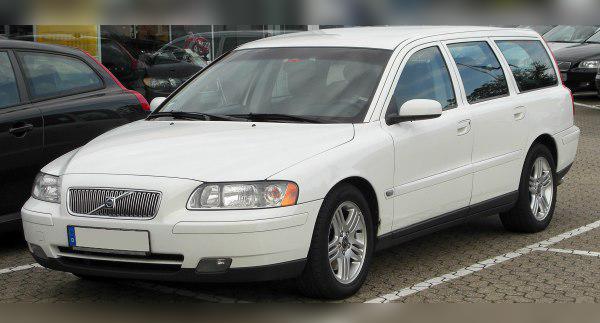
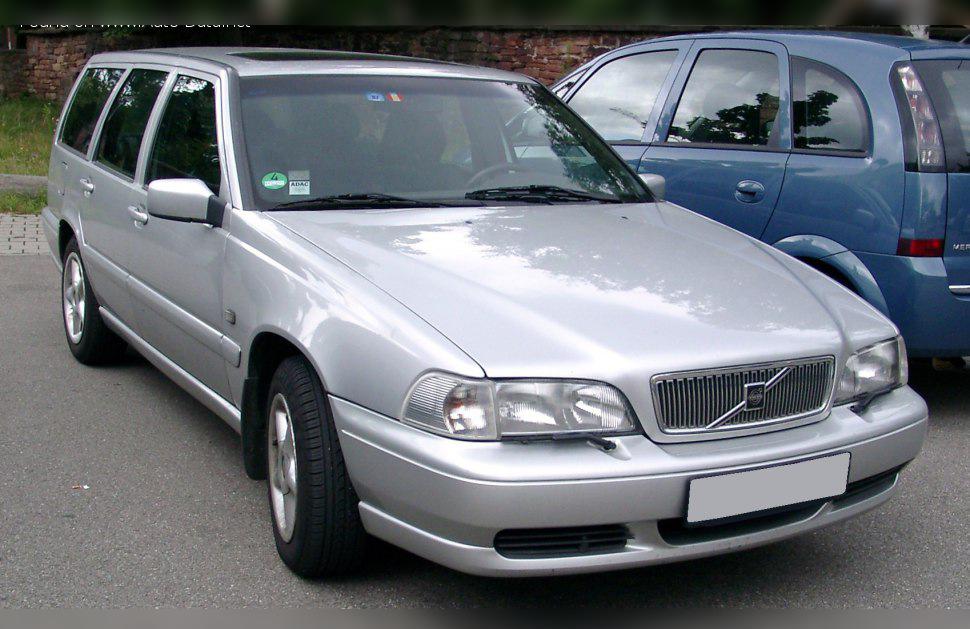
In the modern era, Volvo built its global reputation on the “Whiteblock” family of modular aluminium engines. The code B5244S2 denotes an inline five‑cylinder naturally aspirated petrol engine with a displacement of 2.4 litres. This powerplant was fitted to heavy cruisers such as the Volvo S60, S80 and V70 (first and second generation).
The interesting question is why this engine makes exactly 140 hp (103 kW). Volvo primarily designed this unit to fit into lower tax and insurance brackets in certain European countries. Physically, it is identical to the B5244S version that produces 170 hp; the difference lies solely in the ECU software, which limits throttle opening at higher revs. The five‑cylinder sound is distinctive, refined and gives the impression of a much more powerful engine, and thanks to the absence of complicated technologies it has become a favourite among drivers who value long‑term reliability.
Technical specifications
| Characteristic | Data |
|---|---|
| Engine code | B5244S2 |
| Displacement | 2435 cc (2.4 L) |
| Power | 103 kW (140 hp) at 4500 rpm |
| Torque | 220 Nm at 3300 rpm |
| Induction type | Naturally aspirated |
| Cylinders and valves | Inline 5 cylinders, 20 valves (DOHC) |
| Injection type | Multipoint fuel injection (MPI) |
| Valve timing drive | Timing belt |
Reliability, maintenance and common failures
When talking about old‑school Swedish engineering, this engine is a textbook example of durability, but that doesn’t mean it’s immune to age‑related wear and weaknesses. The timing system is driven by a timing belt. On paper the belt interval is quite long, but in real‑world use every experienced mechanic will recommend doing the major service every 100,000 to 120,000 km at most, or every 5 to 7 years, whichever comes first. If the belt snaps, valves and pistons will collide, resulting in catastrophic damage that is very expensive to repair (cost depends on the market).
Oil and lubrication system
The sump of this engine holds about 5.5 to 5.8 litres of oil (depending on filter and line size). The recommended viscosity for most climates is 5W‑30 (A5/B5 spec for lower consumption) or 5W‑40 (A3/B4 for higher‑mileage engines). Does this engine burn oil? By design it is not among the notorious oil burners. Normal consumption between services (every 10,000 to 15,000 km) is around 0.5 to 1 litre. However, if the engine suddenly starts using a lot of oil, the problem is often not worn piston rings but one of this model’s most common issues.
Most common issues: PCV system and ETM throttle body
Clogged oil separator (PCV – Positive Crankcase Ventilation): This is a known weak spot on all Volvo five‑cylinders. Over time, the hoses and plastic separator housing clog up with oil sludge (especially if oil changes were neglected). When the system clogs, crankcase pressure rises. Symptoms: If, with the engine idling, you remove the oil filler cap (or pull out the dipstick) and notice thick white vapour coming out, or if you place a rubber glove over the opening and it starts inflating like a balloon, the PCV is clogged. Due to this pressure, the engine begins to push oil past the crankshaft and camshaft seals and starts consuming it dramatically.
Throttle body (ETM – Electronic Throttle Module): On models built up to roughly 2002/2003, Magneti Marelli throttle bodies were used, and they are infamous. The contacts inside the potentiometer physically wear out. Symptoms: Fluctuating idle, stalling when coming to a stop at traffic lights, “limp mode” (reduced power mode) accompanied by a check engine light. Newer versions with a Bosch throttle body are far more reliable.
Spark plugs
As this is a petrol engine, ignition is handled by five spark plugs, each with its own individual coil. Spark plugs are usually replaced every 60,000 km. Worn plugs cause misfires under load and can lead to premature coil failure.
Specific components and fuel injection system
The good news for owners of this model is what it doesn’t have. Being an older‑generation naturally aspirated petrol engine, it has no expensive turbocharger, no complex system with two EGR valves (it only uses PCV and variable valve timing), no DPF filter and no AdBlue system of any kind. You can forget about the headaches that plague modern diesel owners.
The fuel system is electronic multipoint injection (MPI). There is no sensitive high‑pressure pump. The petrol injectors on this engine are extremely robust. Injector failures are very rare, and when they do occur, it is usually due to accumulated dirt that can be easily and cheaply removed by ultrasonic cleaning.
Fuel consumption and performance
The main downside of this engine? It is not economical. The Volvo S60, S80 and V70 are hefty cars, generally weighing over 1.5 tonnes (often closer to 1.6–1.7 tonnes in estate and automatic versions).
Real‑world consumption: In pure city driving with stop‑and‑go traffic, expect 11 to as much as 14 litres per 100 km, especially in winter. On open roads, if driven gently, that figure drops to a reasonable 7 to 8 litres. On the motorway at 130 km/h, the engine typically uses between 8.5 and 9.5 litres.
Is the engine “lazy”? Yes, 140 hp and 220 Nm of torque available only higher in the rev range means the engine feels subjectively “sluggish” and lazy at low revs compared to turbo diesels (D5) or turbo petrols (2.4T). For brisk overtaking you need to drop one or two gears and rev it out, and at that point fuel consumption shoots up. Still, it is fantastic for long journeys. On the motorway it cruises quietly, is very well insulated, and at 130 km/h (depending on gearbox) it usually spins at a comfortable 2800 to 3200 rpm.
LPG and remapping potential
Thanks to its conventional MPI injection and the high‑quality materials used in the cylinder head and valves, this engine is a perfect candidate for LPG (autogas) conversion. Because of the high urban petrol consumption, investing in a sequential LPG system pays off very quickly. The engine runs smoothly on gas, doesn’t require complicated valve lubricators and doesn’t “burn” valves as long as the LPG map is properly calibrated.
Remapping (Stage 1): This is the B5244S2 engine’s biggest trump card. As mentioned earlier, it is factory “strangled” for regulatory reasons. Mechanically, it is fully capable of delivering more. With a standard and completely safe Stage 1 remap, the ECU allows the throttle to open fully at higher revs. Power jumps from 140 hp to around 170–180 hp. After the remap, the car becomes much easier to drive, far more eager when overtaking, while fuel consumption in normal driving stays the same and can even drop slightly thanks to a more optimal torque curve.
Transmissions, clutch and dual‑mass flywheel
This engine was paired with two types of gearboxes: a five‑speed manual (the well‑known M56) and a five‑speed automatic (Aisin AW55‑50SN / 51SN).
Manual gearbox (M56)
This gearbox is practically indestructible and failures of the gearbox itself are extremely rare. It is advisable to change the gearbox oil preventively every 100,000 km. Although this is a petrol engine, for smoother running and to absorb the vibrations of the hefty five‑cylinder, this model uses a dual‑mass flywheel. The lifespan of the clutch and flywheel largely depends on driving style, but they usually last over 200,000 km. Replacing the clutch kit together with the dual‑mass flywheel is considered expensive (cost depends on the market) and is one of the bigger hits to the budget on an older vehicle.
Automatic gearbox (Aisin 5‑speed)
The automatic offers maximum comfort in S80 and V70 models, but carries significant risk if you’re buying a neglected used example. Aisin gearboxes are sensitive to old oil. If the oil has not been changed regularly (or flushed) every 60,000 km, the valves in the valve body can become damaged or stuck. Symptoms: A harsh jolt when shifting from “P” to “D” or “R”, shuddering during the shift from second to third, or “slipping” (revs rise but the car doesn’t accelerate). Repair and overhaul of the valve body and gearbox are classified as very expensive (cost depends on the market).
Buying used and conclusion
Buying a used Volvo S60, V70 or S80 with the 2.4 petrol 140 hp engine requires a careful inspection. These cars are usually more than 15 or even 20 years old. When viewing a car, make sure you do the following:
- Glove test for PCV: With the engine at operating temperature and idling, check crankcase pressure. If thick vapour is coming out of the dipstick tube, be prepared for the cost of cleaning the separator.
- Check for oil leaks: Look for oil residue around the timing belt cover. A leaking camshaft seal is a warning sign.
- Gearbox test (automatic): Never buy an automatic based on a five‑minute cold test drive. The valve body usually starts misbehaving only when the gearbox oil is fully warmed up (after 15–20 minutes of city driving). Pay attention to any jolts during shifts.
- Steering and suspension: The heavy front end quickly wears out ball joints, bushings and tie‑rod ends on the front suspension. Knocking noises over bumps mean a visit to the mechanic is due soon.
Conclusion: Who is the Volvo with the B5244S2 (140 hp) engine for? This is not a car for youngsters keen on traffic‑light drag races and constant revving. It is a car for a more experienced, calm driver who puts family safety, superb seats, an excellent audio system and “tank‑like” longevity above everything else. Because of its high fuel consumption, finding (or installing) a good LPG system makes this car an incredibly economical long‑distance companion, while the option of unlocking the full 170 hp through a Stage 1 remap makes it more than capable in any traffic situation.