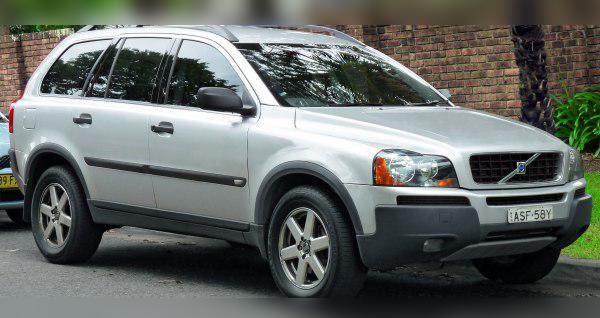
Volvo 3.2 B6324S5 engine (243 hp): Ownership impressions, problems, fuel consumption and used-buying guide
Key points (TL;DR)
- Exceptional longevity: Naturally aspirated inline-six without fragile turbochargers and direct injection.
- READ drive: Instead of a conventional layout, the auxiliaries (alternator, A/C compressor) are driven via a specific gear system mounted on the rear of the engine. Maintenance of this section is very expensive (Depends on the market).
- High fuel consumption: In city driving, especially in heavy models like the XC90, consumption easily exceeds 15 l/100 km.
- Ideal for LPG: Thanks to indirect (MPI) injection, this engine works perfectly on LPG, which is a lifesaver for the household budget.
- Transmission: Paired exclusively with the six-speed Aisin TF-80SC automatic gearbox, where regular oil changes are crucial.
- Tuning: Since it is a naturally aspirated engine, “chipping” (Stage 1) is a waste of money.
Contents
- Introduction and basic information
- Technical specifications
- Reliability and maintenance
- Specific parts and costs
- Fuel consumption and performance
- Additional options and modifications
- Transmission and drivetrain
- Buying used and conclusion
Introduction and basic information
The engine designated B6324S5 is an evolution of Volvo’s well-known 3.2‑liter inline-six (SI6 family). Developed by Volvo and initially produced in cooperation with Ford, this engine is an engineering masterpiece in terms of packaging. In order to fit an inline-six transversely under the hood and still leave enough room for crumple zones (a top safety priority for Volvo), engineers moved the auxiliary drive (A/C compressor, alternator, power steering pump) above and behind the gearbox, creating the so‑called READ (Rear End Auxiliary Drive) system.
The S5 version delivers 179 kW (243 hp) and was mostly installed after 2010/2011 in Volvo’s heavyweights: S80, V70, XC60, XC70, as well as the legendary first‑generation XC90 (facelift). By its nature, this engine is aimed at drivers who value smoothness, quiet operation and linear power delivery rather than aggressive, sporty acceleration.
Technical specifications
| Specification | Data |
|---|---|
| Engine displacement | 3192 cc |
| Power | 179 kW (243 hp) at 6400 rpm |
| Torque | 320 Nm at 3200 rpm |
| Engine code | B6324S5 |
| Injection type | Indirect injection (MPI) |
| Aspiration | Naturally aspirated |
| Configuration | Inline 6 cylinders (transversely mounted) |
Reliability and maintenance
Timing and major service
This engine uses a timing chain located at the rear of the engine (towards the gearbox). The chain is extremely robust and rarely needs replacement before 300,000 km, so there is no classic “major service” with a scheduled belt change at a certain mileage. However, what does cause headaches is the aforementioned READ drive. The gears and bearings in this system can wear out (usually between 150,000 and 200,000 km). The symptom is a characteristic whine or howl from the rear of the engine, reminiscent of a faulty wheel bearing, increasing with engine speed. Repairing the READ unit requires special tools and is very expensive (Depends on the market).
Most common failures
Mechanically, the engine is extremely durable, but it has a few known quirks:
- PCV valve (oil separator): The membrane inside the separator often tears. The symptom is a high‑pitched whistling sound at idle (like a kettle boiling), which stops when you pull out the dipstick. Ignoring this fault can lead to blown seals due to excessive crankcase pressure. Replacing this part is not expensive (Depends on the market).
- Oil leaks from the vacuum pump: The seals harden over time due to heat.
- Thermostat and water pump: Since they are driven by the READ system, a visual inspection is recommended at every minor service to prevent overheating.
Engine oil and spark plugs
This block takes a fairly large amount of oil – about 7.3 to 7.5 liters. The recommended grade is 0W‑30 (ACEA A5/B5 specification), and the change interval should be at most every 15,000 km or once a year. A healthy engine consumes very little oil, up to 0.5–1 liter per 10,000 km, which is considered normal. If it uses more, the usual culprits are valve stem seals or the aforementioned PCV system. Spark plugs (iridium or platinum) should be replaced every 60,000 to 90,000 km to protect the ignition coils, which can fail if the plug gap becomes too large.
Specific parts and costs
This is an old‑school engine in a modern package, which means it is free of many components that drain the wallets of today’s car owners. There is no DPF filter, no AdBlue system, no EGR valve (exhaust gas recirculation is handled by variable valve timing – VVT).
Fuel injection system: The engine uses classic indirect injection (multipoint – MPI) into the intake manifold. The injectors are extremely reliable and rarely cause issues. Unlike engines with direct injection, there is no problem with carbon buildup on the intake valves here.
Turbocharger: The B6324S5 is naturally aspirated (no turbocharger or intercooler), which means one expensive component less to maintain.
Fuel consumption and performance
How much does it really use?
To be completely honest: this engine is thirsty. In heavy vehicles with all‑wheel drive, such as the Volvo XC90 or XC70, city fuel consumption ranges from 14 to 17 l/100 km. In the S80 sedan, thanks to better aerodynamics and lower weight, it can be one to two liters lower. That’s why owners often opt for LPG conversion.
Is it “lazy”?
On paper, 243 hp sounds impressive, but since the 320 Nm of torque is only available at 3200 rpm (a typical trait of naturally aspirated engines), the engine can feel slightly “lazy” when setting off, especially in the XC90, which weighs over two tons. Unlike modern diesels or turbo‑petrol engines that pull hard from low revs, this engine needs more throttle and revs to really get going. Once it gathers speed, acceleration is strong and extremely smooth.
Behavior on the motorway
This is its natural habitat. At 130 km/h, depending on the gearbox ratios in the specific model, the engine cruises at a very pleasant and quiet 2200 to 2400 rpm. Cabin noise is minimal, and highway fuel consumption can drop to around 9–10 l/100 km.
Additional options and modifications
LPG conversion
Thanks to indirect (MPI) injection, this engine is a fantastic candidate for LPG. There is no need for expensive direct‑injection gas systems; a quality sequential kit is sufficient. The engine tolerates LPG combustion very well, the valves are not overly sensitive, but it is important that the LPG map is perfectly tuned so that the “Check Engine” light does not come on due to a lean mixture.
Chiptuning (Stage 1)
If you are thinking about chiptuning, forget it. Increasing power on a naturally aspirated engine via software yields a miserable 10–15 hp and a barely noticeable increase in torque. The cost‑to‑gain ratio is extremely poor and it is not recommended.
Transmission and drivetrain
Types of gearboxes and issues
The B6324S5 was, without exception, delivered exclusively with the six‑speed Aisin TF‑80SC automatic gearbox (Geartronic). There are no manual gearboxes with this engine.
This automatic transmission does not have a dual‑mass flywheel or a conventional clutch; instead, it uses a hydraulic torque converter. The gearbox itself is generally reliable, but it suffers from one major weakness: sensitivity to old oil. The most common failures relate to the valve body. Symptoms of a faulty valve body include harsh engagement (jerks) when shifting from “P” to “R” or “D”, as well as shuddering when shifting from 2nd to 3rd gear, especially when the gearbox is hot. Fixing this problem is expensive (Depends on the market).
Transmission service
Volvo once declared the transmission oil to be “lifetime”, which led to many gearbox failures. Real‑world experience has shown that the oil in the Aisin gearbox must be changed every 60,000 km. A machine (dynamic) oil change is recommended to flush all ~7 liters of oil from the system.
Buying used and conclusion
What to check before buying?
When inspecting a car with this engine, pay attention to the following:
- Noise test when cold and hot: Listen around the front right side of the car (where the READ system is located). Any grinding, howling or whining indicates worn auxiliary bearings.
- Transmission test: Be sure to drive the car until it reaches full operating temperature. Stop, then shift the gearbox from D to R and back. If you feel harsh engagements, the valve body is due for replacement.
- PCV test: While the engine is idling, try pulling out the dipstick. If you feel very strong vacuum or the whistling noise you heard until then stops, the oil separator is dead.
- Check for fluid leaks: Inspect the area around the vacuum pump and the water pump.
Who is this engine for?
The Volvo 3.2 B6324S5 is an excellent choice for drivers who want maximum comfort and reliability on long journeys and are not overly concerned about fuel costs (or plan to install LPG). This is not a car for drag‑racing from one traffic light to the next, but a powerful, smooth machine for safe and comfortable family trips. Its maintenance is not extremely expensive, provided you avoid examples where oil changes in the engine and gearbox have been neglected and where the READ system is on the verge of failure.