Volvo 2.0 D4 (D4204T14) 190 HP: Owner experiences, issues, fuel consumption and used-car buying tips
Key points (TL;DR)
- Modern and powerful: VEA (Volvo Engine Architecture) 4‑cylinder engine generation that replaced the old, heavy 5‑cylinders. Extremely flexible thanks to the twin‑turbo setup.
- Achilles’ heel – EGR system: Early models suffered from widespread issues with cracking and leaking EGR coolers. You must check whether the factory recall has been carried out.
- Oil consumption on early series: Models produced between 2014 and 2016 had problems with thin piston rings, which led to increased engine oil consumption.
- Specific maintenance: Requires exclusively low‑viscosity 0W‑20 oil. Does not tolerate delayed regular services due to sensitive turbos and the camshaft chain.
- Recommended gearboxes: The 8‑speed Aisin automatic (Geartronic) is fantastic and reliable, provided the oil is changed every 60,000 km.
- Buying recommendation: An excellent choice for heavy models such as the S90, V90 and XC60, but look for cars produced from 2017 onwards, when the early “childhood diseases” were resolved.
Contents
- Introduction: Farewell to the 5‑cylinders, welcome VEA architecture
- Technical specifications
- Reliability and maintenance
- Specific components and failure costs
- Fuel consumption and performance
- Additional options and modifications
- Gearbox and drivetrain
- Buying used and conclusion
Introduction: Farewell to the 5‑cylinders, welcome VEA architecture
When Volvo decided to retire its legendary 5‑cylinder diesel engines (the famous 2.4‑liter D5), many brand enthusiasts were skeptical. The replacement came in the form of the VEA (Volvo Engine Architecture) engine family, where all engines were unified to 2.0‑liter 4‑cylinders. The engine designated D4204T14, commercially known as the D4, is one of the most popular powerplants in the recent history of the Swedish manufacturer.
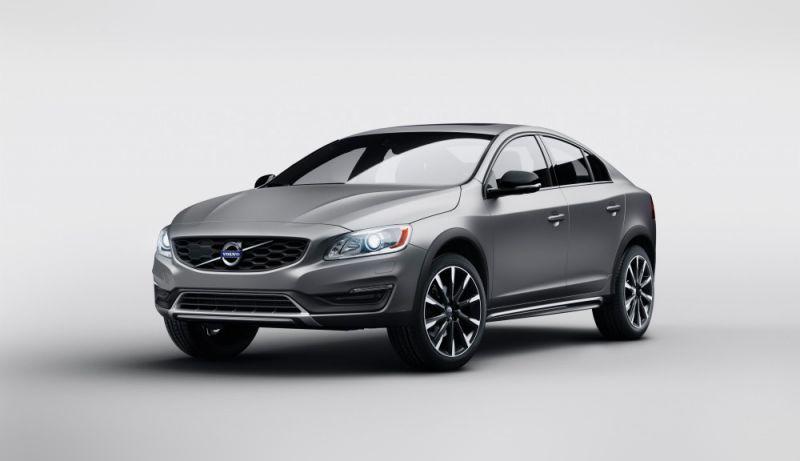
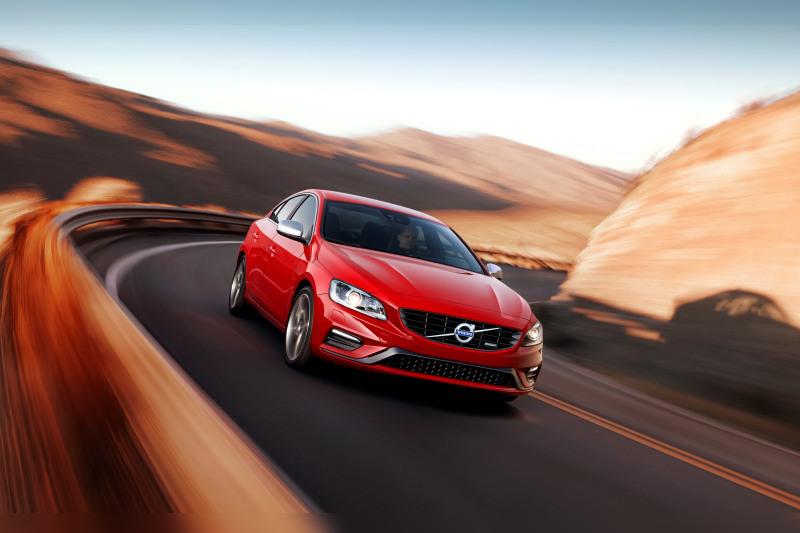
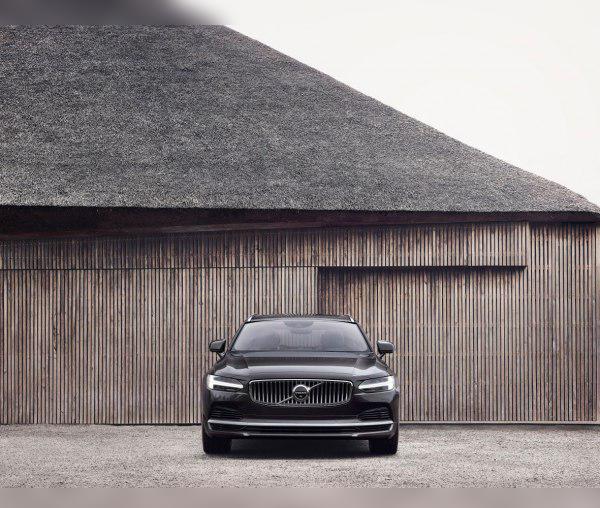
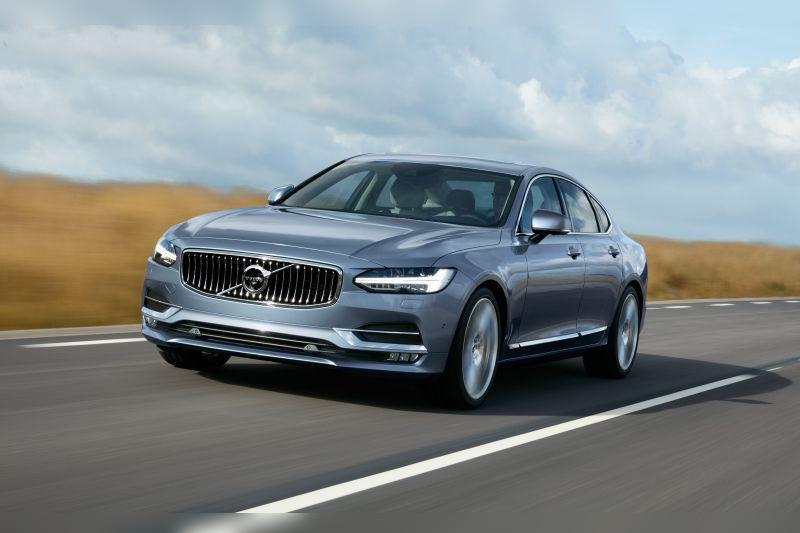
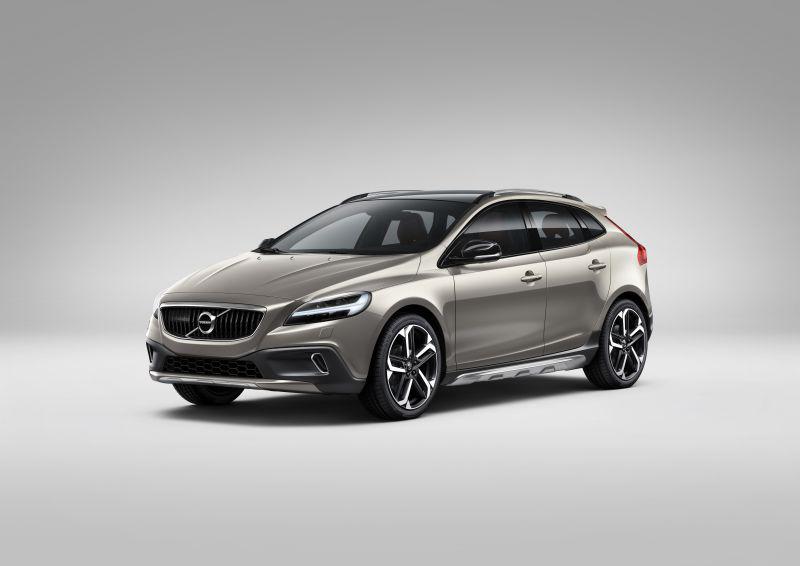
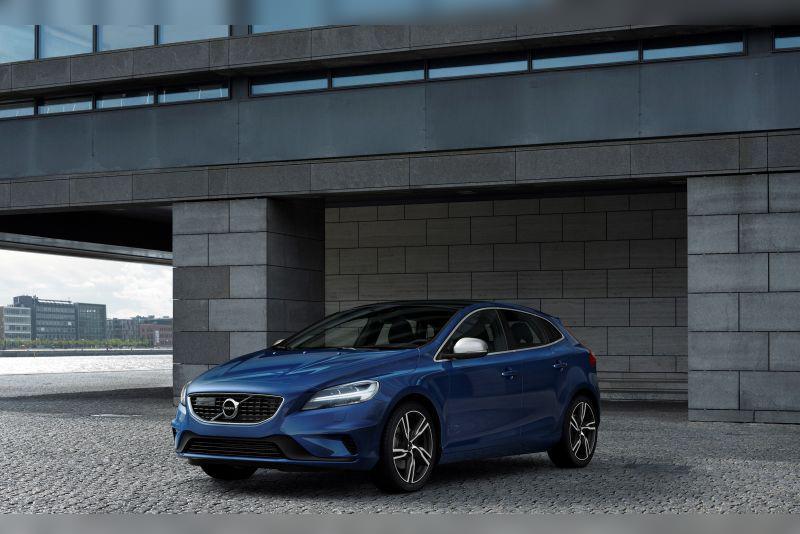
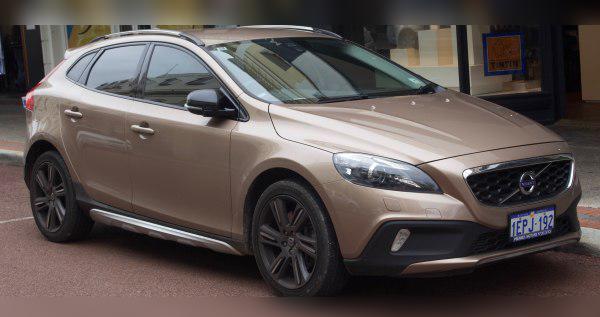
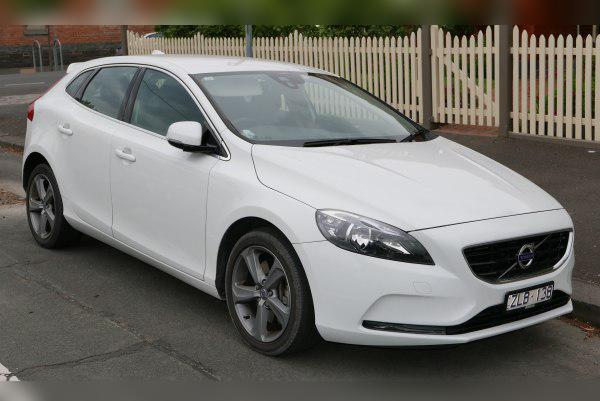
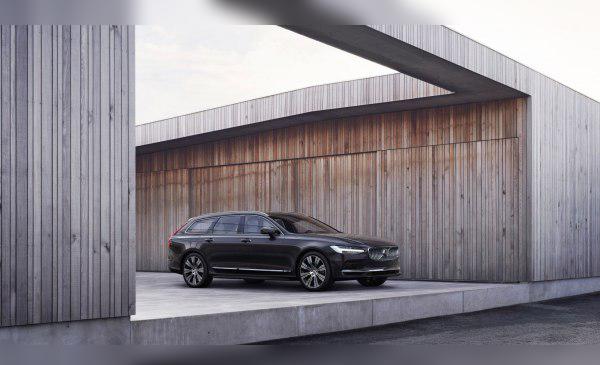
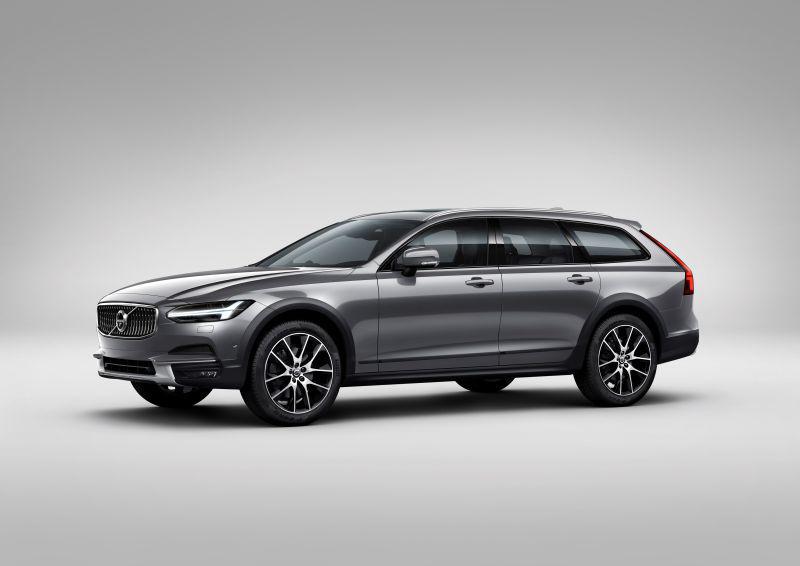
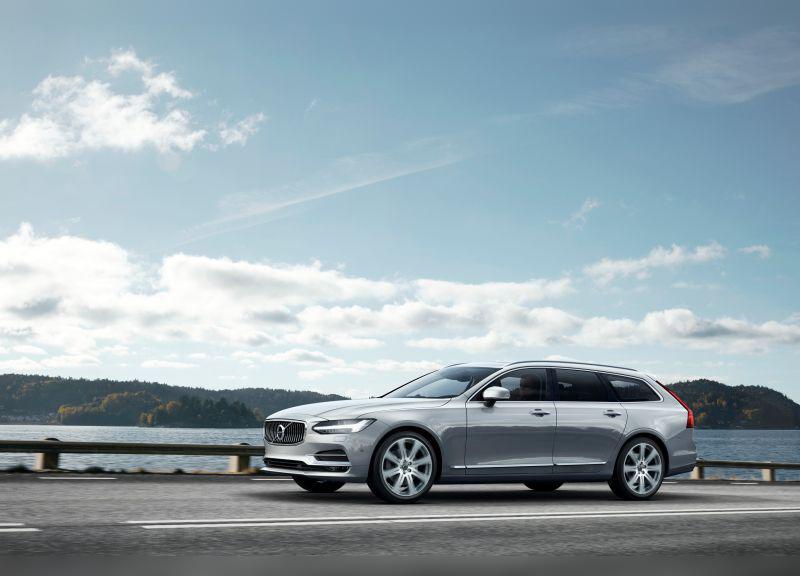
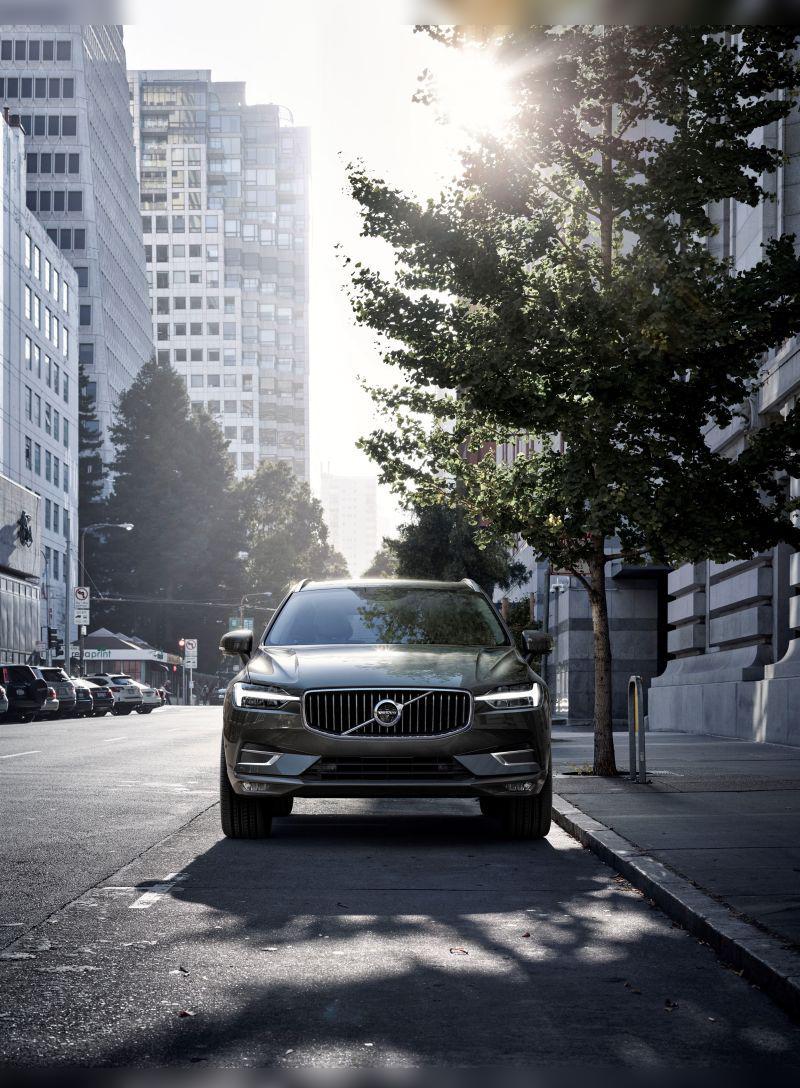
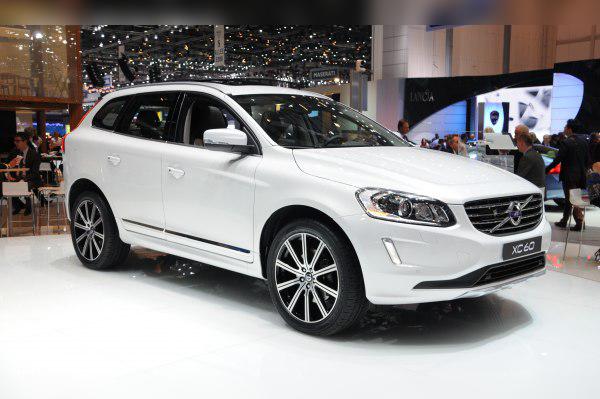
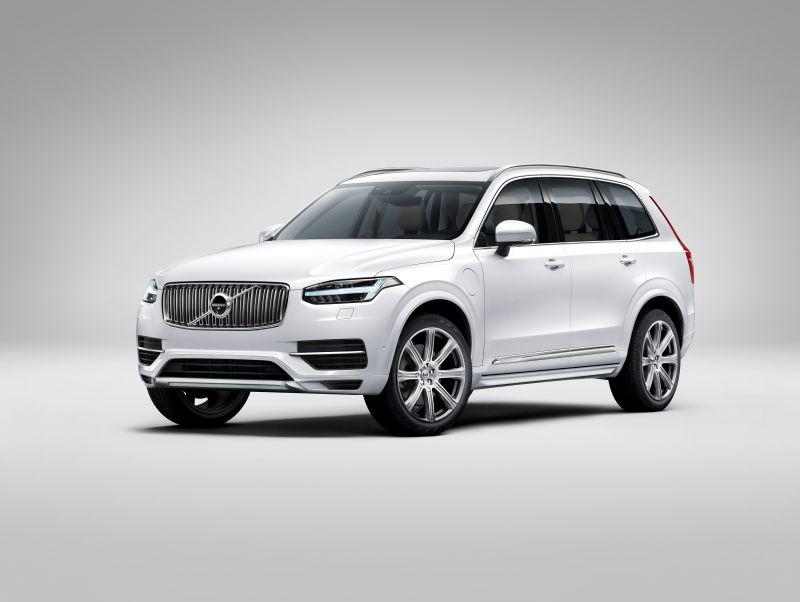
With 190 HP and a hefty 400 Nm of torque, this engine became the “golden middle ground”. It was installed in almost the entire range: from the compact V40, through the mid‑size S60 and V60, all the way to heavyweights such as the V90 Cross Country and SUV models XC60 and XC90. The goal of Volvo engineers was clear: to offer the power of the old 5‑cylinder with significantly lower fuel consumption and reduced emissions. Did they succeed? Yes, but the road to reliability did not pass without some serious mechanical “gremlins”.
Technical specifications
| Parameter | Data |
|---|---|
| Engine name and code | Volvo 2.0 D4 (D4204T14) |
| Displacement | 1969 cc (2.0 L) |
| Power | 140 kW (190 HP) |
| Torque | 400 Nm (from 1750 to 2500 rpm) |
| Injection type | Common Rail (Denso i‑ART) |
| Charging system | Twin‑Turbo (two turbos in series), intercooler |
| Timing drive | Timing belt (+ short chain for the camshafts) |
Reliability and maintenance
Timing drive: Belt and chain working together
The D4204T14 engine primarily uses a timing belt to drive the crankshaft and camshaft, but there is also a short timing chain between the two camshafts. According to factory specifications, the major service (replacement of belt, tensioner, idlers and water pump) is done at as much as 150,000 km or 10 years. However, any experienced mechanic will tell you that this is overly optimistic. In real‑world conditions, to avoid catastrophic engine failure, you should do the major service at 100,000 to 120,000 km or every 6 years.
Most common failures and symptoms
This engine has several characteristic weak points you need to pay attention to:
- Oil consumption (piston ring issue): On models produced between 2014 and late 2016, Volvo installed piston rings that were too thin and light in order to reduce friction. This resulted in the rings getting clogged with carbon, after which the engine starts to “drink” oil. Normal consumption is up to 0.2 L per 1000 km, but on defective engines it rises to over 1 liter. The solution is expensive – replacement of pistons and rings (cost depends on the market, but it is very costly).
- Balance shafts: Early models have issues with the balance shaft bearings. The driver will notice this as a characteristic “whining” or high‑pitched noise from the engine area, which changes with engine speed. If ignored, a seized shaft can cause the timing belt to snap.
- Cooling system: Cracking of plastic coolant pipes and water pump leaks are occasional problems that can lead to overheating.
Engine oil and service intervals
This is a very modern engine with extremely tight tolerances. It takes about 5.2 liters of oil, and the viscosity grade is strict: exclusively 0W‑20 with VCC RBS0‑2AE specification. Do not even think about pouring in thicker oil (e.g. 5W‑30) “because the engine has high mileage”, as you will destroy the sensitive turbos and camshaft mechanism. Do the minor service strictly every 15,000 km or once a year, even though the trip computer may show an interval of 30,000 km.
Specific components and failure costs
i‑ART injectors: Smart, but expensive
Fuel injection is handled by a Denso system equipped with so‑called i‑ART technology. Unlike classic common‑rail systems where one sensor measures pressure in the rail, the i‑ART system has a computer and pressure sensor on each individual injector. This enables perfectly precise fuel atomization, quieter engine operation and lower consumption. However, the injectors are very sensitive to poor‑quality fuel. Their typical lifespan is between 200,000 and 250,000 km. Symptoms of failure are rough idle, harder starting and increased smoke. When replacement is needed, it is very expensive (cost depends on the market), because they must be coded using the original VIDA diagnostic tool.
Twin‑Turbo system
The engine has two turbochargers (twin‑turbo) – a smaller one for low revs and a larger one for high revs, connected in series. Their lifespan depends mostly on oil change intervals. Turbocharger failures themselves are not overly common, but cracking of rubber and silicone intercooler hoses is. The driver will notice this through loss of power, the “Check Engine” light coming on, and a “hissing” sound when accelerating.
EGR valve, DPF and the notorious AdBlue
This is where the D4 shows its dark side:
- EGR system (EGR cooler): This is by far the biggest problem of the early VEA engine series. The EGR cooler is prone to clogging with soot and cracking. In the worst‑case scenario, coolant starts leaking and there is also a risk of fire due to hot exhaust gases mixing with accumulated soot. Volvo issued a massive recall where they replaced EGR pipes free of charge and installed additional sensors.
- DPF filter: It is prone to clogging if the car is driven predominantly in city traffic. If you do frequent short trips, the regeneration process is interrupted, fuel mixes with the oil (raising the oil level in the sump), and the filter becomes permanently blocked.
- AdBlue (SCR system): Older versions (Euro 6b) do not have it. However, models from late 2017 and 2018 (Euro 6c and 6d‑TEMP) are equipped with an AdBlue system. The NOx sensor and AdBlue pump are components that often fail due to fluid crystallization at low temperatures. Repairing this system is usually very expensive (cost depends on the market).
Fuel consumption and performance
Despite its high output (190 HP), the D4204T14 is extremely refined. Is it “lazy”? Absolutely not. With 400 Nm of torque available already at 1750 rpm, this engine easily moves the heavy chassis of models like the Volvo V90 or XC60. In the smaller V40, this powerplant offers performance comparable to a true hot hatch.
Real‑world fuel consumption:
- City driving: Depends on the model. In a V40 it uses around 6.5 – 7.5 L/100 km, while in a heavy XC60 or XC90 in urban conditions it easily reaches 8.5 to 10 L/100 km.
- Motorway: This is where the D4 shines. Paired with the 8‑speed automatic, at 130 km/h the engine “cruises” at a low 1900 – 2000 rpm. Noise is minimal, and consumption drops to around 5.5 – 6.5 L/100 km (for saloons and estates) and around 7.0 – 7.5 L/100 km for SUV models.
Additional options and modifications
Thanks to the twin‑turbo setup and strong engine architecture (forged crankshaft, stronger pistons on newer series), the D4 is a fantastic base for chip tuning. A safe Stage 1 software tune easily raises it from 190 HP to 225–235 HP, while torque increases from 400 Nm to a serious 460–480 Nm.
Such a modification gives a noticeably better throttle response (reduces turbo lag and gearbox hesitation) and does not drastically affect reliability, provided it is done by reputable tuners and you change the oil on time. Due to the strong airflow, there are usually no issues with the DPF after an optimal tune.
Gearbox and drivetrain
Manual gearbox (M66)
Models equipped with the 6‑speed manual gearbox are robust, but they have a dual‑mass flywheel. The flywheel is subjected to high loads due to 400 Nm of torque, so it most often fails between 150,000 and 200,000 km, especially if the driver has a heavy right foot at low revs. Symptoms include judder when pulling away, vibrations at idle and a dull thud when switching the engine off. The price of a clutch kit with dual‑mass flywheel and slave cylinder is expensive to very expensive (cost depends on the market).
Automatic gearbox (Aisin TG‑81SC)
Most models with this engine come with the fantastic 8‑speed Geartronic automatic, made by Japanese manufacturer Aisin. It is important to note that this is not a dual‑clutch gearbox and does not use a conventional dual‑mass flywheel, but a hydraulic torque converter. The Aisin unit is extremely reliable, quick and smooth in operation. Its biggest enemy is irregular maintenance.
The oil in the automatic gearbox must be changed every 60,000 km to 80,000 km! Although Volvo officially claims the oil is “lifetime”, neglecting service leads to failure of the valve body and clutch packs inside the gearbox. The fault manifests itself as a harsh shift from P to D or R, strong jolts when changing from 3rd to 2nd gear or when coming to a stop.
Buying used and conclusion
Buying a used car with the D4 (D4204T14) engine requires a cool head and proper diagnostics before you open your wallet.
What to check before buying?
- Service history and recalls: At a Volvo service center, make sure that the EGR recall campaign has been carried out. If not, expect expensive issues with the cooling and DPF systems.
- Cold start: Ask the seller to keep the car completely cold. When starting, listen carefully for chain noise, whining from the balance shafts or a harder, rougher engine note (which indicates dirty i‑ART injectors).
- Visual exhaust inspection: Regardless of it being a diesel, the exhaust must be completely clean inside. If there is black, oily soot in the tailpipes, the DPF is physically damaged or removed, and the engine may be burning too much oil.
- Checking oil level: Pull out the dipstick (or check via the menu, depending on the model). If the oil level is low, that is a red flag (piston rings). If it is above the maximum, the DPF is regenerating too often and mixing diesel with the oil.
Who is this engine for?
The Volvo 2.0 D4 (190 HP) is a top‑class long‑distance cruiser. It is perfect for drivers who cover a lot of motorway miles and appreciate excellent sound insulation, low fuel consumption and strong power under the right pedal. Avoid 2014 to 2016 models due to potential piston ring issues, unless the previous owner has proof that the engine has already been overhauled and refreshed under warranty. The safest purchase are post‑facelift models (from 2017 onwards), where the VEA architecture’s early “childhood diseases” were successfully cured. For city driving and 2 km commutes to work – skip it and look for a petrol (T4), because the DPF and EGR systems will drive you crazy and drain your finances.