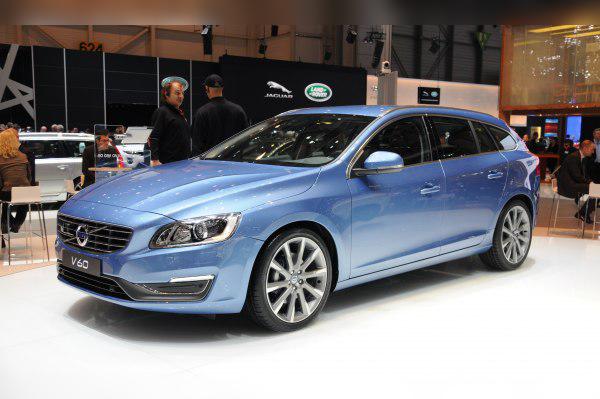
Volvo 2.0 D3 D5204T7 (136 HP) – Experiences, issues, fuel consumption and used car buying guide
- Reliable 5‑cylinder engine with a distinctive, excellent sound and smooth operation.
- Factory detuned; outstanding potential for safe power increase (Stage 1).
- Strictly requires regular replacement of the timing and auxiliary belts – failure of the auxiliary belt can destroy the engine.
- The EGR valve and DPF filter cause problems only if the car is driven predominantly in city conditions.
- Provides adequate performance in S60 and V60 models, while in the heavier XC60 it can feel slightly “lazy”.
- Automatic gearboxes (Aisin) are long‑lasting only if the oil is changed every 60,000 km.
- Maintenance is more expensive compared to average 4‑cylinder engines, but pays off through the durability of the block.
Contents
- Introduction: Swedish engineering at work
- Technical specifications
- Reliability and maintenance
- Specific parts and costs
- Fuel consumption and performance
- Additional options and modifications
- Gearbox and drivetrain
- Buying used and conclusion
Introduction: Swedish engineering at work
The engine designated D5204T7 is one of the most interesting power units to come out of Volvo’s workshop. Although it carries the 2.0 D3 badge and produces 100 kW (136 HP), what sets it apart from most competitors is its architecture. This is not a standard inline four, but a true 5‑cylinder engine. Volvo reduced the displacement and piston stroke of its legendary 2.4 D5 engine to meet emissions standards and tax incentives, but kept the fantastic sound, balance and robustness of the block. It was mostly installed in 2013 facelift models, including the S60 and S80 sedans, V60 and V70 estates, as well as the popular XC60 SUV.
Technical specifications
| Specification | Data |
|---|---|
| Engine displacement | 1984 cc |
| Power | 100 kW (136 HP) |
| Torque | 350 Nm |
| Engine code | D5204T7 |
| Number of cylinders | 5 in line |
| Injection type | Common Rail (Direct injection) |
| Charging system | Turbocharger with intercooler |
Reliability and maintenance
When you open the bonnet, you are greeted by a transversely mounted five‑cylinder that uses a timing belt to transfer power to the camshafts. There is no chain that stretches and rattles, but that means you are bound to strict service intervals. The manufacturer states that the major service is done at 150,000 km, but any experienced mechanic will tell you to lower that limit to 120,000 km or every 7 to 8 years. The most critical part of this engine is not the timing belt itself, but the auxiliary belt tensioner (serpentine belt). If it is not replaced in time, the auxiliary belt can snap, get caught under the timing belt and cause the timing to jump, which results in total engine failure.
The oil sump capacity is quite generous – this engine takes around 5.9 to 6.0 litres of oil. Volvo strictly recommends full synthetic oil of 0W‑30 grade (ACEA A5/B5 specification). Thanks to the high‑quality design of the block and piston rings, this engine does not consume oil to a worrying extent. Consumption of 0.3 to 0.5 litres between services (every 10,000 to 15,000 km) is considered completely normal. If you notice higher consumption, the problem usually lies in a worn turbocharger rather than in the block itself.
Since this is a diesel unit, the injectors are a frequent topic. Volvo uses advanced piezo injectors that operate at very high pressure. They are not as sensitive as in some competitors, but dirty fuel can damage them. The expected service life of the injectors is over 250,000 km with regular fuel filter changes. Symptoms of bad injectors include uneven idle, increased black smoke when accelerating and a harsher (“metallic”) engine sound on cold start.
Specific parts and costs
This model requires deeper pockets when it comes to unscheduled repairs. The engine is equipped with a variable geometry turbocharger (single turbo, no bi‑turbo complications in this version). The turbo’s lifespan largely depends on the regularity of minor services; with proper cool‑down after long motorway drives, the turbo can easily exceed 250,000 km. Turbocharger overhaul falls into the “expensive” category (depends on the market).
As for emissions equipment, the model is fitted with an EGR valve and a DPF filter. The EGR valve is prone to soot build‑up, especially if the car is used for short city trips (the start/stop system makes things worse by cooling the chambers). When the EGR clogs up, the car loses power and the “Check Engine” light comes on. The DPF filter can relatively easily regenerate itself while driving, but it requires regular trips on open roads. The good news for used‑car buyers is that the D5204T7 (mostly Euro 5 standard) does not have an AdBlue system, sparing you serious headaches with pumps, fluid heaters and NOx sensors that are typical of later Euro 6 engines.
Fuel consumption and performance
The weight of Volvo vehicles has always been an obstacle to record‑low fuel consumption. In city driving, real‑world consumption ranges between 7.5 and 9.0 l/100 km. If you drive a heavier model like the XC60 in stop‑and‑go conditions, expect figures closer to 9 litres.
Performance depends on the body style. With 136 HP and a respectable 350 Nm of torque, in an S60 sedan or V60 estate this engine feels surprisingly agile. However, in V70 models and especially in the XC60, the engine is definitely “lazy” for that weight. When overtaking on a country road with a fully loaded car, you will have to calculate the available space carefully.
Still, the motorway is its natural habitat. The engine cruises at 130 km/h in sixth gear at around 2,200 to 2,400 rpm (depending on the gearbox type). Sound insulation and the smooth operation of the five‑cylinder really stand out, and fuel consumption at this speed drops to about 6.0 to 6.5 l/100 km.
Additional options and modifications
Since this is a diesel engine, LPG installation is not possible. However, this engine is the “holy grail” for tuning enthusiasts. Why? The 136 HP D5204T7 is hardware‑wise almost identical to the more powerful versions of the same block with 163 HP (earlier D3/D4 series). Volvo “strangled” it in software because of insurance and tax classes. That is why this engine can be remapped extremely safely (Stage 1), with power easily jumping to 165–170 HP and torque going up to 400 Nm, without compromising the reliability of the turbo or injectors. The difference in driving heavy models such as the XC60 after this modification is dramatic.
Gearbox and drivetrain
Buyers can choose between two types of transmission.
Manual gearbox (M66)
The reliable 6‑speed manual gearbox rarely causes mechanical issues inside the casing itself. However, the power transfer includes a dual‑mass flywheel. Replacing the clutch kit together with the dual‑mass flywheel is inevitable after a certain mileage (usually between 180,000 and 220,000 km). Symptoms of a worn flywheel include vibrations at idle, knocks when starting/stopping the engine and judder when pulling away. The cost of replacing this assembly is very high (depends on the market).
Automatic gearbox (Geartronic)
This is the Japanese 6‑speed automatic Aisin TF‑80SC. The gearbox is fantastic and very comfortable, but hides one trap. Volvo often advertised it as a closed system (“sealed for life”), which is a huge mistake. For the Aisin to last, the oil must be changed every 60,000 km using a machine flush. The most common failures of this automatic are related to degraded oil, which then destroys the valve body. If during a test drive you feel jerks when shifting from P to D or harsh thumps when downshifting from third to second gear – prepare for an expensive overhaul.
Buying used and conclusion
Before you hand over your money for a used Volvo with the D5204T7 engine, here is what you absolutely must check:
- Noise on cold start: Let the car sit overnight at the dealer’s lot. Ask the seller not to start it. Open the bonnet, start the car and listen to the side where the belts are. Squealing or screeching noises indicate a worn auxiliary belt tensioner.
- Load test: Warm up the car and, on an incline in 3rd gear, floor the accelerator. If you feel vibrations in the floor or steering wheel, check the engine mounts and dual‑mass flywheel. With automatics, make sure the gear changes are smooth.
- DPF diagnostics: Read the particulate filter saturation level. If it is overloaded, the car has been driven exclusively in the city and you will soon face problems with the EGR valve.
Who is this engine for?
This unit is a perfect choice for drivers who value the refinement of a five‑cylinder engine, high stability at motorway speeds and robust mechanics. Due to its specific design, maintenance is not among the cheapest and requires a meticulous owner. If you are looking for a car for daily short trips to the bakery, skip it. But if you need a safe cruiser for regional roads and motorways, with the potential for an easy power increase, the D5204T7 is an excellent foundation.